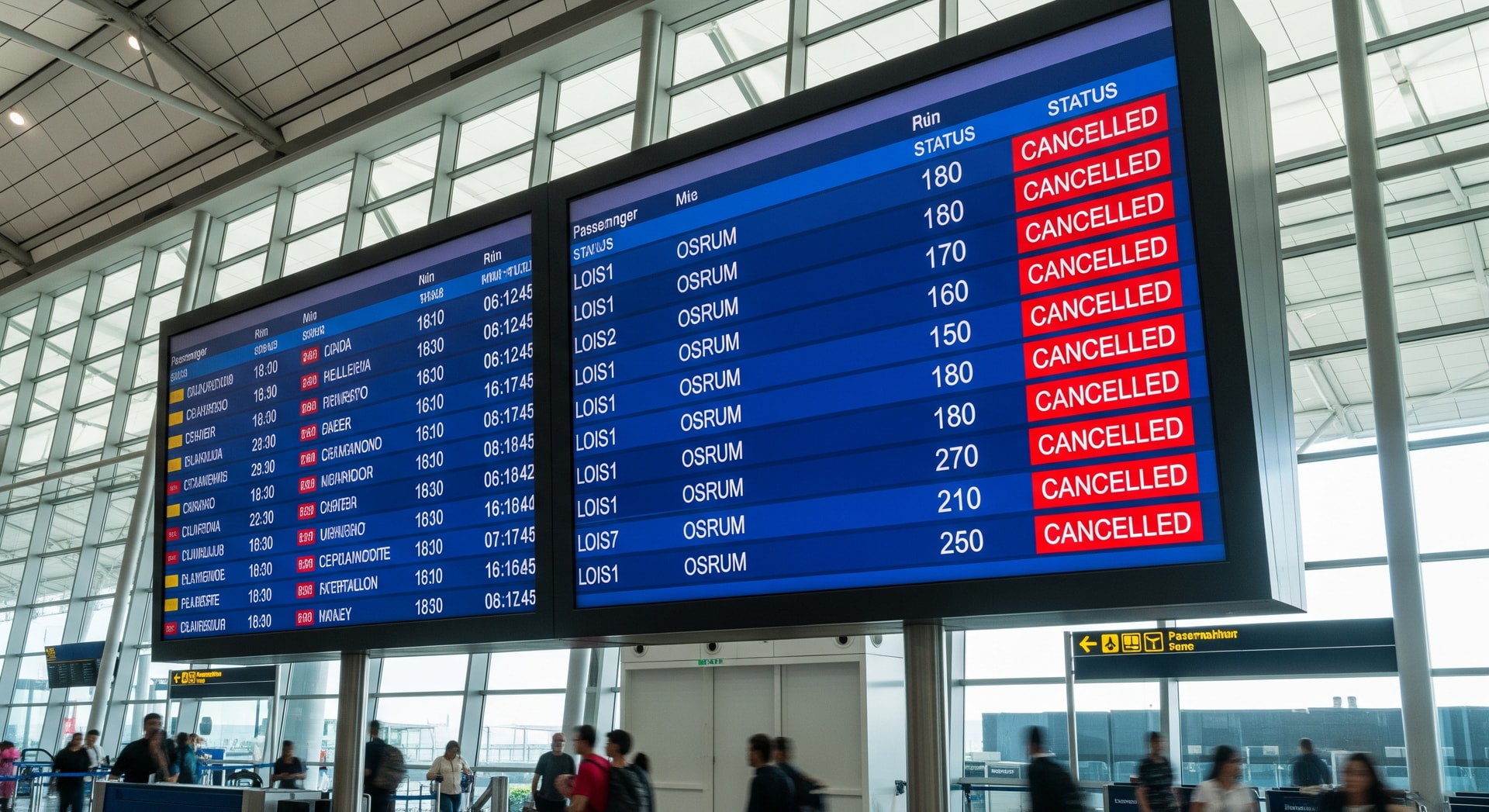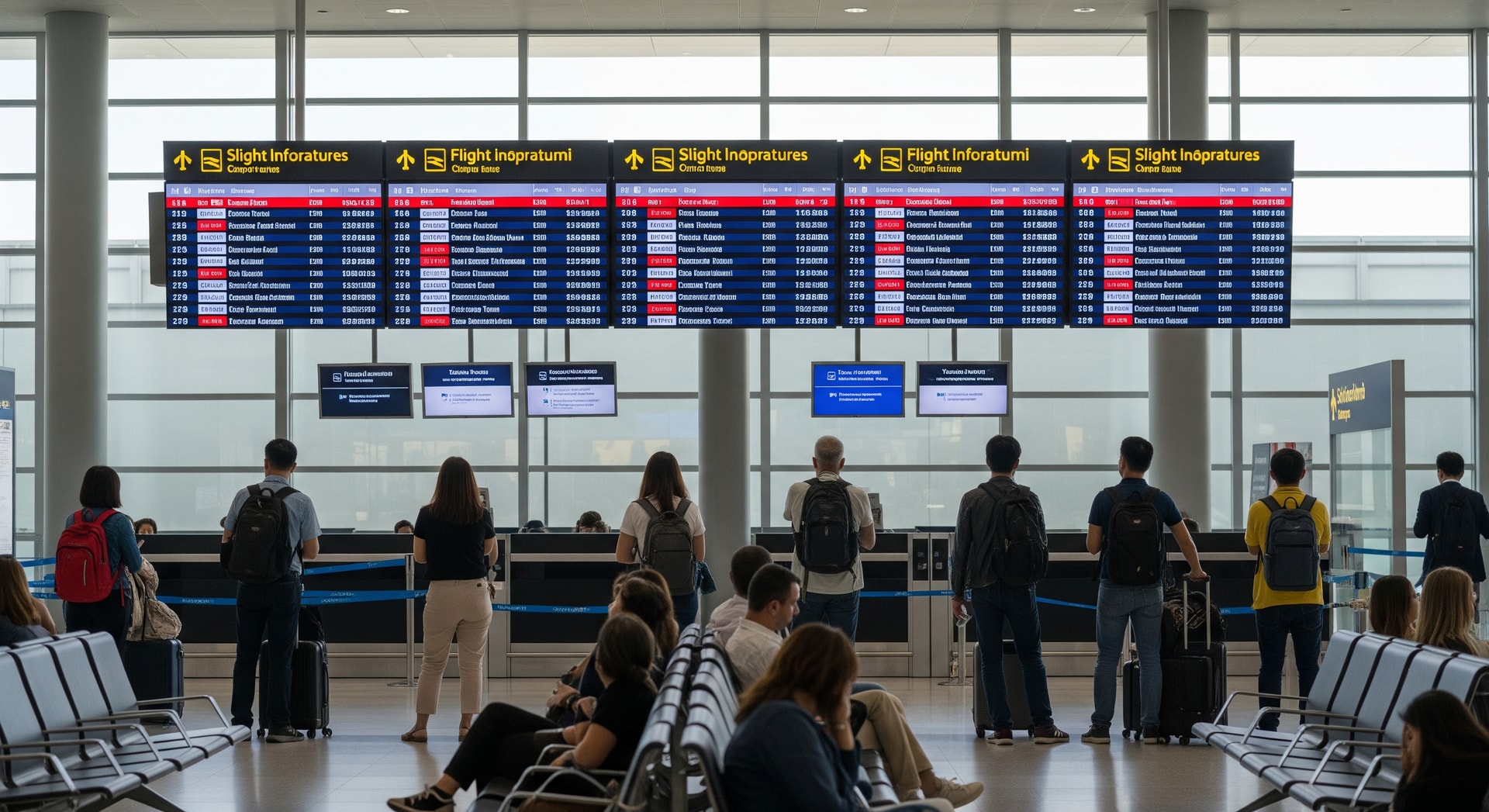
Bangkok flight cancellations left passengers stranded after Aircalin and Thai Airways canceled services to Noumea and Singapore, disrupting connections from Suvarnabhumi Airport.
Summary: Bangkok flight cancellations on 11 February 2026 saw Aircalin and Thai Airways cancel two international departures from Suvarnabhumi Airport — one to Noumea and one to Singapore — affecting both long‑haul and high‑frequency regional travelers.
Bangkok flight cancellations at Suvarnabhumi Airport on Tuesday resulted in two international services being called off, disrupting passengers bound for Singapore and Noumea. While the number of cancellations was small, both routes are important: one is a busy regional link and the other a less frequent long‑haul connection to the South Pacific.
Confirmed Cancellations
The two departures cancelled from Suvarnabhumi represent the full list of affected departures for the day. Both services operated with widebody aircraft, which limited short‑notice substitution options and amplified passenger impact.
- Aircalin — Flight ACI501, Airbus A330‑900, La Tontouta International Airport (Noumea), Scheduled departure 04:25 PM (+07)
- Thai Airways — Flight THA407, Airbus A350‑900, Singapore Changi Airport, Scheduled departure 02:55 PM (+07)
Routes and Passenger Effects
The Aircalin cancellation removed a single afternoon direct link between Bangkok and La Tontouta International Airport in Noumea, a route that mainly serves leisure travelers and those connecting onward within the Pacific. Because services on this sector are less frequent, the cancellation substantially reduced same‑day travel choices.
The cancelled Thai Airways flight was on the Bangkok–Singapore corridor, one of Southeast Asia’s busiest routes used by business travelers, tourists, and transit passengers. A short‑notice cancellation on this sector typically pushes demand onto remaining services, resulting in fuller flights and longer waits for rebooked passengers.
Typical Passenger Consequences
- Rebooking onto later flights, often with limited seat availability
- Missed onward connections at regional or intercontinental hubs
- Longer layovers or unexpected overnight stays
- Added stress for travellers on time‑sensitive itineraries
Why Airlines Cancel Select Departures
Airlines typically cancel flights after assessing factors such as aircraft rotation, scheduled maintenance, crew availability, and wider network stability. Because both affected services used widebody jets, operators faced more limited options to substitute equipment or crew at short notice. Sometimes cancelling a specific flight helps protect the integrity of the broader schedule, even if it concentrates disruption on a small number of passengers.
Advice for Travellers
- Monitor airline notifications and check flight status before leaving for the airport
- Allow extra connection time when travelling through major hubs like Suvarnabhumi
- Familiarise yourself with the airline’s rebooking and compensation policies
- Consider travel insurance that covers missed connections and cancellations
Although overall activity at Suvarnabhumi remained steady, these targeted cancellations are a reminder that limited schedule changes on key international links can ripple through travellers’ plans and wider networks.
Tip: If you are booked on long‑haul or infrequent routes, build extra buffer time into itineraries and confirm alternative connections before departure.
Why this matters: For travellers, the cancellations underline the value of vigilance and flexibility when flying from major hubs. For airlines and airports, effective communication and prompt re‑accommodation shape passenger confidence in the face of operational adjustments.
Sources