Northeast China winter tourism is expanding as Jilin Province deploys green technology and intelligent energy systems to support a surge in snow and ice visitors during the Chinese New Year season.
Summary: Northeast China winter tourism is growing rapidly as Jilin Province combines high-efficiency snow production, intelligent energy management and renewable power to support a surge of visitors during the Chinese New Year season, while boosting local economies and international appeal.
As the Chinese New Year season begins, Northeast China has seen a marked rise in winter tourism, with Jilin Province emerging as a key magnet for both domestic and international visitors. Northeast China winter tourism is being scaled up through the deliberate use of green technologies and resource-efficient systems to manage the environmental footprint of increased visitor numbers.
The technological foundation of modern snow sports
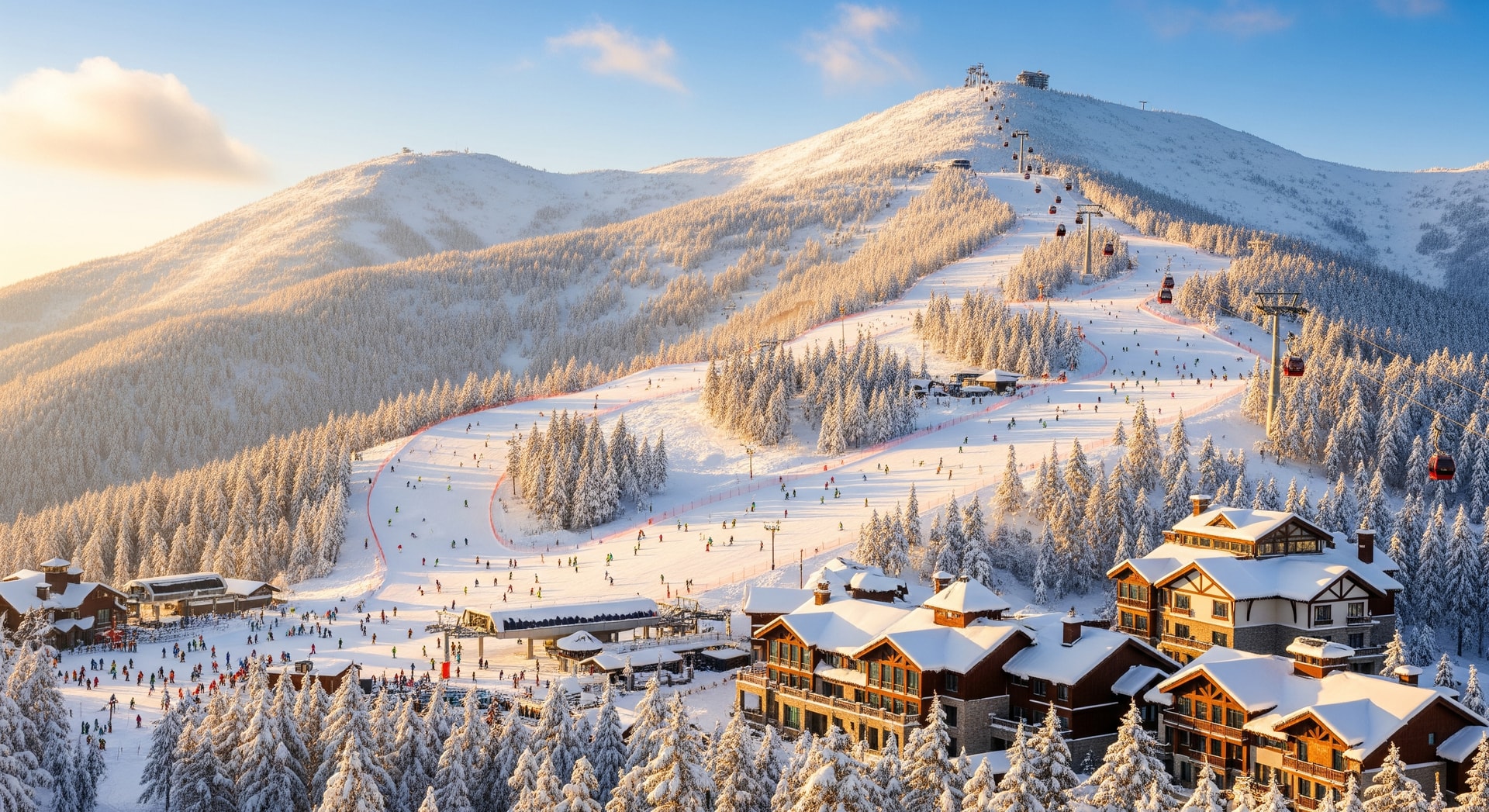
Ski areas across Jilin are running near full capacity to meet strong demand for winter activities. This capability relies less on natural snowfall and more on engineered systems: automated snow production, precise water- and energy-use controls, and temperature-management technologies that produce durable, high-density snow even when precipitation is limited. These systems help extend the usable season for ski slopes and keep conditions consistent for visitors.
- Automated snow-making systems that optimize water and energy consumption
- Temperature-control mechanisms preserving slope integrity during fluctuations
- High-density snow production to maintain durable surfaces
Sustainable energy and infrastructure management
Resort operators are increasingly powering lifts, lodges and snow machines from renewable energy sources. Wind and solar generation are being prioritized across the region to reduce the carbon intensity of intensive winter operations. Smart grid deployments enable continuous monitoring of electricity flows so that waste is minimized while facilities receive the power they need.
- Renewables (wind and solar) supplementing conventional power
- Smart grids for real-time energy distribution and reduced waste
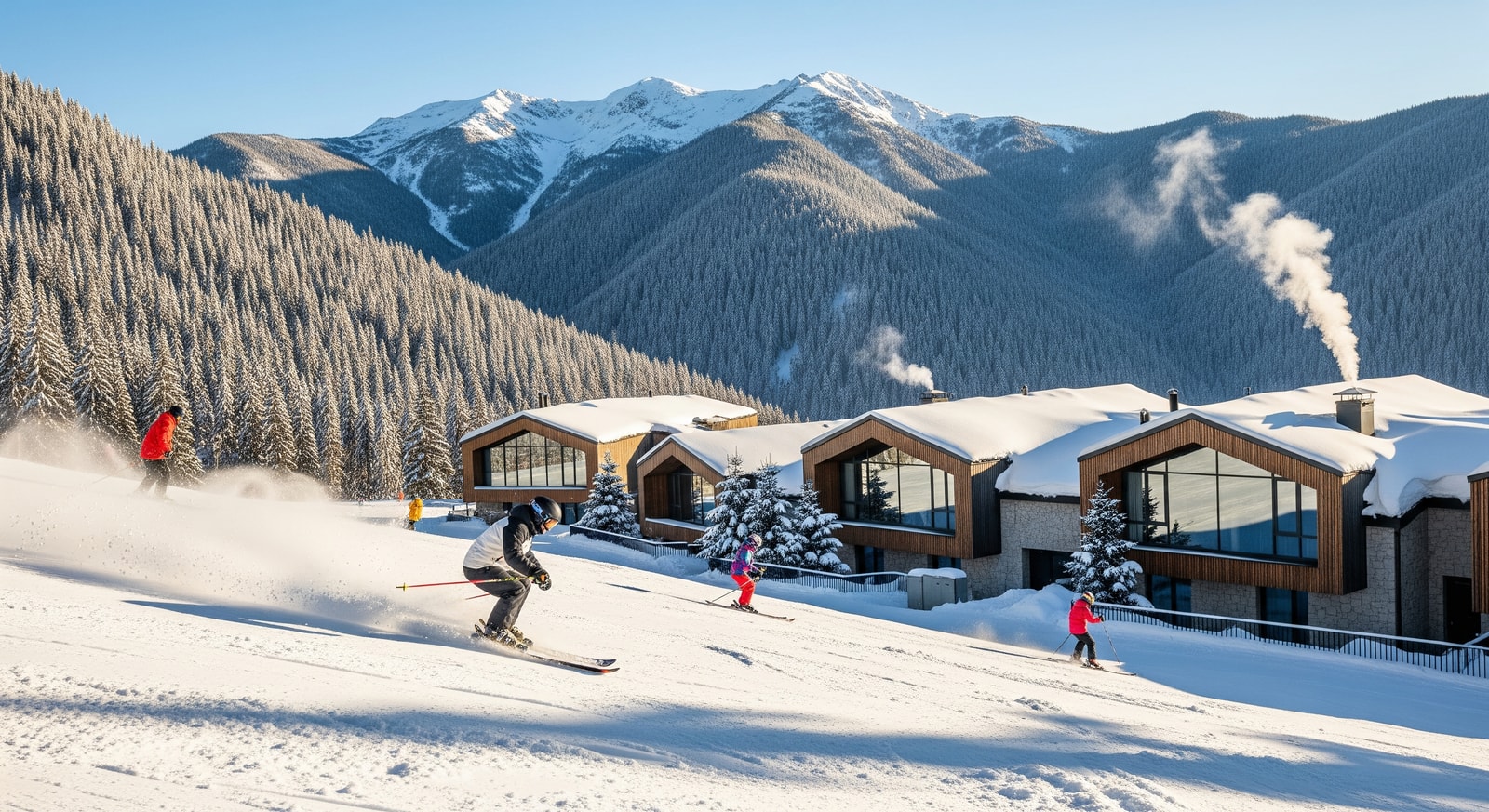
- Eco-conscious building design including passive heating and high-efficiency insulation
Economic impact of the winter tourism boom
The Spring Festival period has driven a strong visitor influx, stimulating local economies across Jilin and nearby provinces. Demand for hotels, transport, equipment rental and food services has risen, and public investments—such as upgraded high-speed rail links and improved roads—are being positioned as long-term improvements to regional connectivity that support sustained tourism growth.
Global competitiveness and international appeal
While most tourists remain domestic, Northeast China’s facilities and reliable snow conditions are raising the region’s international profile. Promoters are positioning Jilin alongside well-known global winter destinations by highlighting its technical strengths and sustainability credentials. The province’s approach reflects the national "Green Mountains are Gold Mountains" philosophy, using carefully managed natural assets and technology to generate sustainable economic value.
Enhancing visitor experience through innovation
Operators are also improving the guest experience with digital tools: mobile apps that show slope conditions, queue times and forecasts help visitors plan their days. Resorts are adopting eco-friendly construction materials and designs that reduce heating loads and cut energy use, marrying visitor comfort with environmental responsibility.
Future perspectives on the snow and ice economy
The momentum seen in the 2026 season is being treated as a foundation for further expansion. Continued investment in R&D for advanced snow and ice production, along with lessons from Jilin’s green-tech deployments, are being considered for other mountainous areas. The shift signals a broader transition away from heavy industry toward a sustainable recreation economy in the northeast.
Why this matters: For travelers, the region’s technological and energy improvements translate into more reliable snow conditions, better on-site services and increasingly eco-conscious resort options. For the travel industry and regional planners, Jilin’s model demonstrates how combining green technology with tourism development can stimulate local economies while managing environmental impact—offering a blueprint for sustainable winter tourism elsewhere.
Sources