Sri Lanka's digital nomad visa lets foreign-employed remote workers live and work on the island for up to a year, with annual renewal options and practical benefits.
Summary: Sri Lanka has introduced a one-year digital nomad visa for foreign-employed remote workers, priced at HKD 3,987.29, with online applications, annual renewals and benefits such as the ability to open bank accounts, sign rental agreements and enroll dependent children.
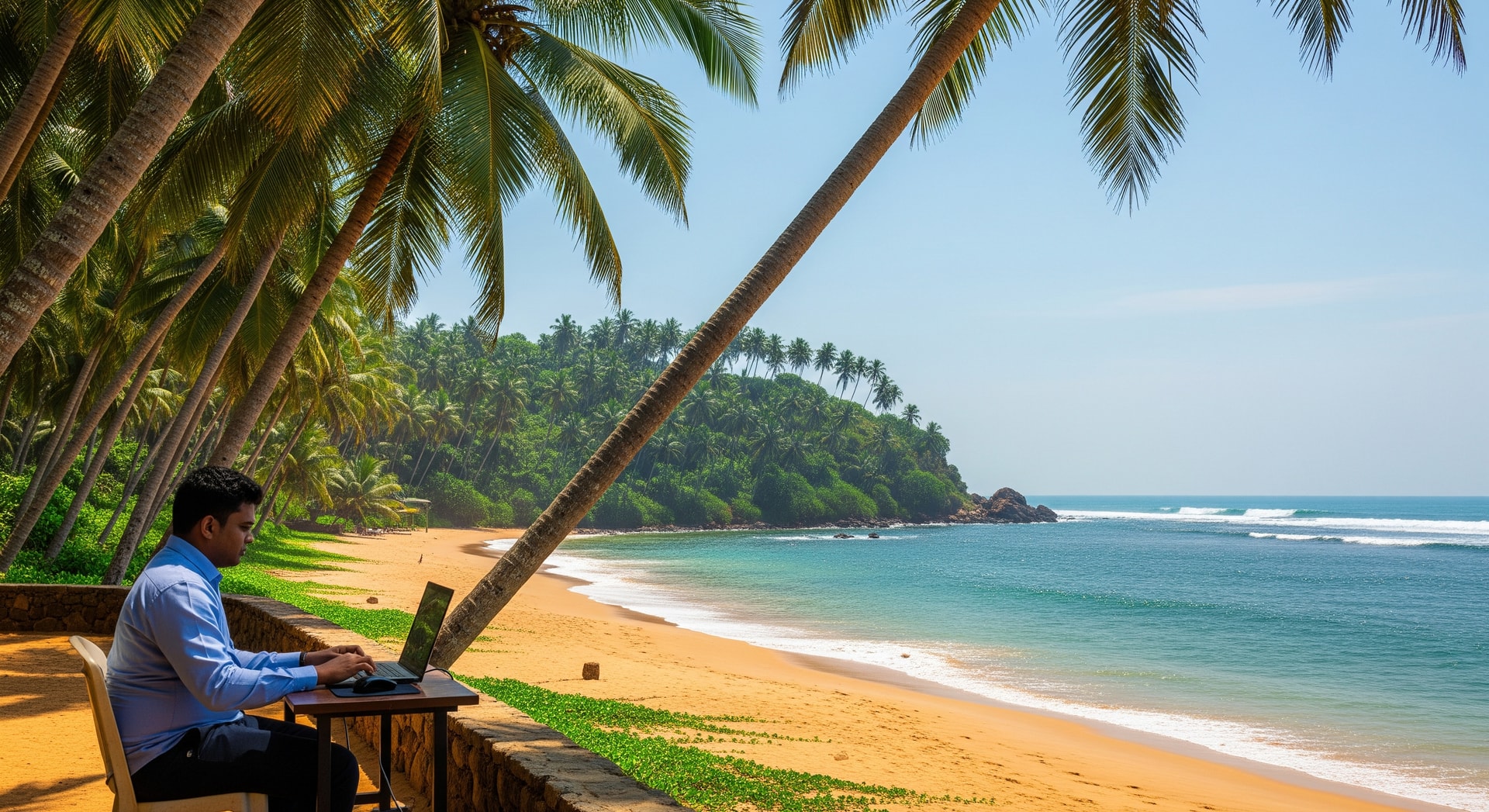
Sri Lanka has launched a digital nomad visa that allows remote workers employed by foreign companies to live and work on the island for up to a year, with the possibility of annual renewals. The programme is aimed at professionals, freelancers and business owners serving clients outside Sri Lanka and is positioned as an affordable option for longer-term stays in a tropical setting.
What the digital nomad visa offers
The visa permits a 12-month stay, renewable annually, and is priced for a 12-month period at HKD 3,987.29. Sri Lanka is marketing the permit as a way for remote workers to combine professional life with access to the island’s landscapes, culture and tourist sites while contributing to the local economy.
- Duration: Up to 12 months, with annual renewal options
- Fee for 12 months: HKD 3,987.29
- Target applicants: Remote employees, freelancers, and business owners serving clients outside Sri Lanka
Eligibility and financial requirements
To qualify, applicants must be at least 18 years old and demonstrate a steady monthly income. The base income threshold is set at HKD 15,541.96 per month. Additional financial proof is required for dependent family members: for each dependent beyond two, applicants must show an extra HKD 3,885.49 in monthly income.
Application process and compliance
Applications are handled online through the Department of Immigration and Emigration’s website. The process requires applicants to submit documents evidencing employment or business activities conducted for clients outside Sri Lanka. Visa holders must notify authorities within 30 days if there are any changes to their employment status, income level, or the number of dependents listed on the application.
Practical benefits for longer stays
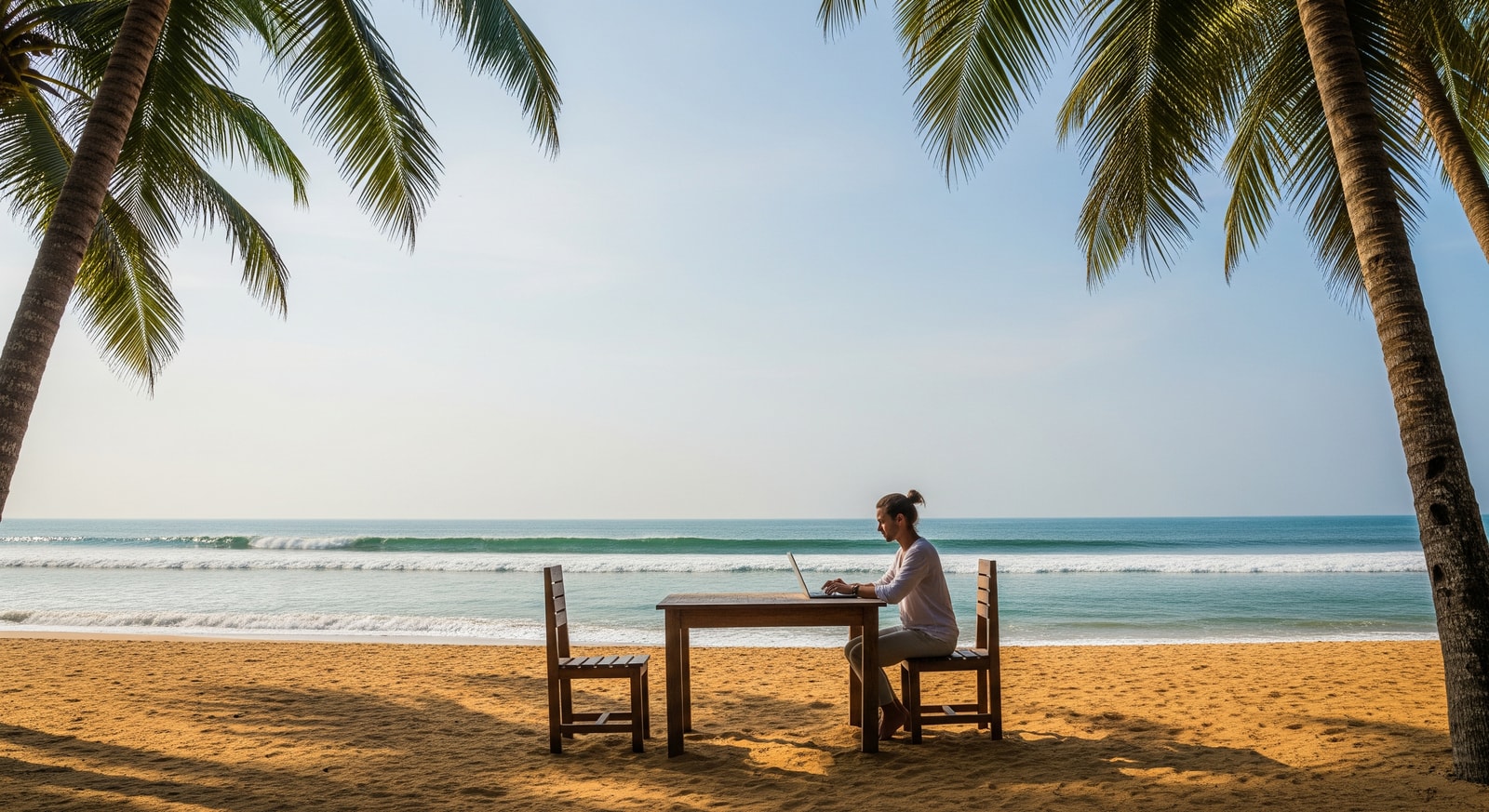
The visa includes several provisions designed to make living in Sri Lanka practical for longer periods. Holders can open and operate personal bank accounts, sign rental or lease contracts, and enroll dependent children in international or private schools. Access to essential services such as telecommunications, internet and utilities is enabled to support remote work needs.
- Open and manage local bank accounts
- Sign rental/lease agreements
- Enroll dependent children in international/private schools
- Access telecom, internet and utilities
- Use local co-working spaces and ICT networks
Living in Sri Lanka: work-life balance and culture
Beyond the practicalities, the programme promotes life in a country known for its beaches, hill-country tea estates and historic sites. Visa holders can balance remote work with visits to landmarks such as Sigiriya, the tea plantations of the central highlands and the cultural city of Kandy while tapping into a growing network of ICT and tourism events.
Why this matters to travellers and the industry
Sri Lanka’s digital nomad visa opens the door for remote workers seeking longer, more immersive stays and creates fresh opportunities for local businesses and the tourism sector. For travellers, it means more flexible long-term stay options in a destination with growing digital and hospitality infrastructure. For the industry, attracting remote professionals may boost year-round economic activity and encourage investment in co-working, accommodation and connectivity.
So what? If you work remotely for a foreign employer and meet the age and income requirements, Sri Lanka’s new visa provides an affordable way to relocate temporarily, access local services and immerse yourself in the island’s culture—while giving the local economy a new source of sustained visitor spending.
Sources