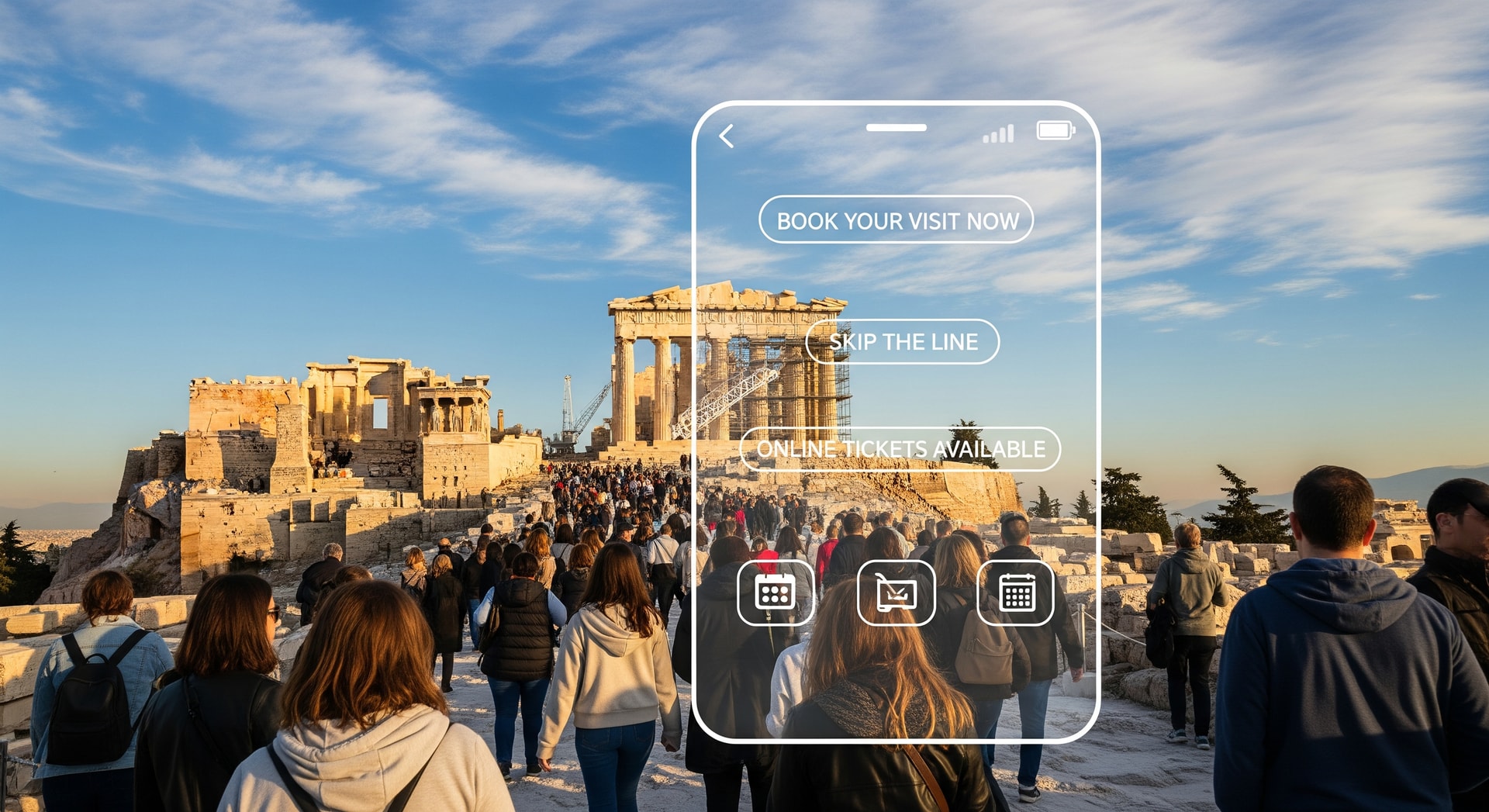
The Hellenic Heritage platform will centralize ticketing for Greece's top cultural sites, aiming to reduce queues and simplify bookings for visitors.
Summary: Greece’s new Hellenic Heritage (hh.gr) platform will centralize online bookings for more than 100 archaeological sites and museums, reduce queues, support group bookings and eventually cover details for over 350 landmarks in eight languages.
Greece’s Ministry of Culture is rolling out a unified digital booking system called Hellenic Heritage (hh.gr) designed to modernize visitor access to the country’s archaeological sites and museums. The new platform aims to streamline ticketing and dramatically reduce waiting times at busy locations such as the Acropolis.
What the Hellenic Heritage platform will offer
Scheduled to go live in April, the Hellenic Heritage platform will provide a single online booking point for more than 100 archaeological sites and museums across Greece. Over time it will expand to include detailed information on over 350 cultural landmarks and will be available in eight languages to serve international visitors.
The system allows individual visitors to buy electronic tickets in advance and offers a dedicated section for tour operators to manage group bookings with real-time availability, helping companies coordinate schedules more effectively.
Why Greece needs a unified booking system
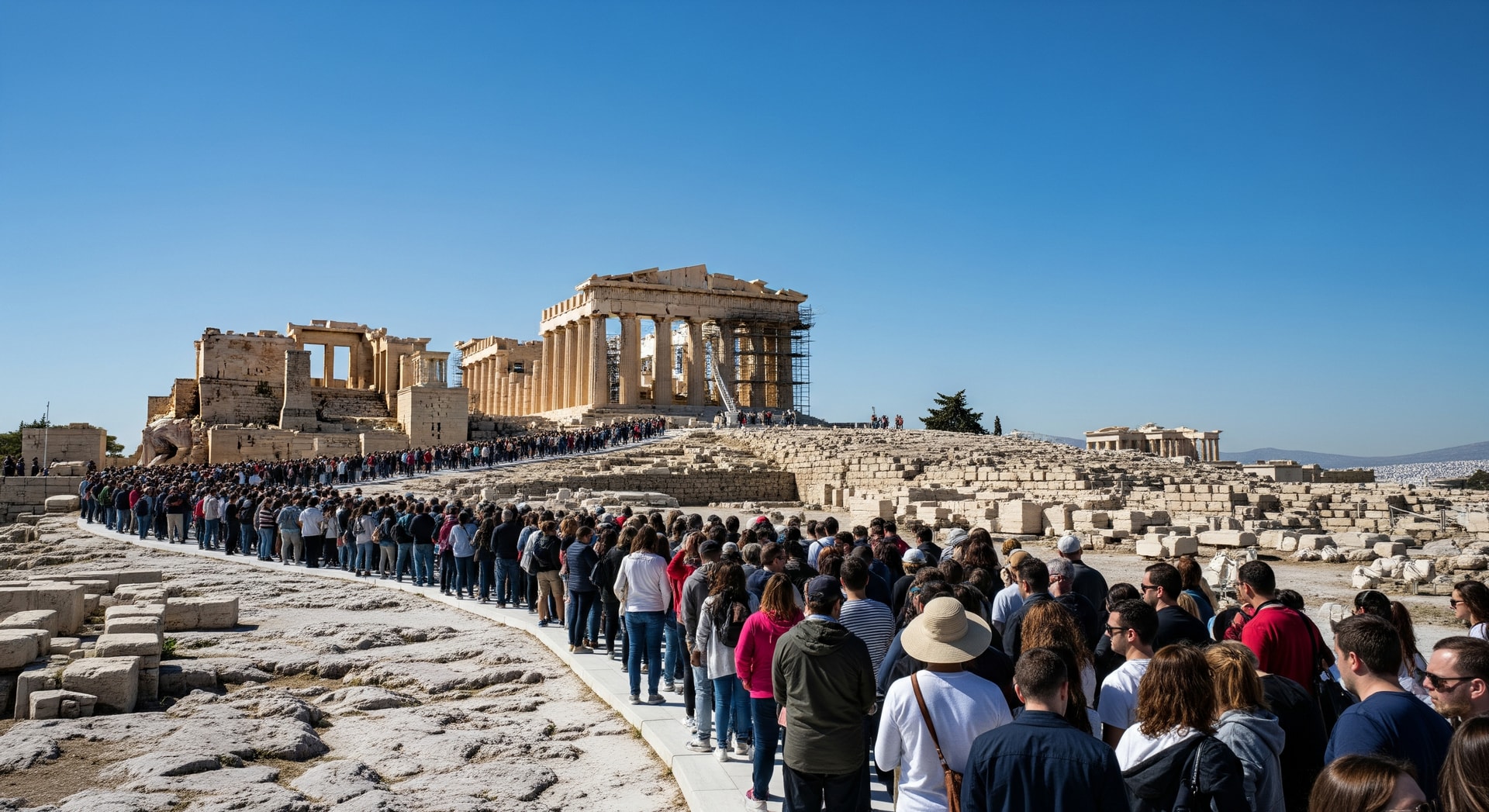
Greece attracts millions of visitors each year and some sites, particularly the Acropolis of Athens, face chronic overcrowding during peak season. The new platform is intended to ease congestion, give visitors better planning tools and improve site management.
- Sites included initially: Acropolis, Olympia, Palace of Knossos and major museums
- Future coverage: detailed listings for over 350 cultural landmarks
- Languages: platform will support eight languages
The initiative also emphasizes inclusivity: visitors with disabilities can request accommodations such as wheelchair access or elevators directly through the booking system, aiming to make sites more accessible to all guests.
Technical concerns and rollout challenges
While the Ministry of Culture and officials have promoted the platform’s benefits, some travel operators have warned about potential strain when the system launches. Concerns focus on a possible surge in users if traffic peaks when the platform goes live on April 1, which could cause technical problems without sufficient stress testing.
To date, digital ticketing has already seen significant adoption: nearly three million e-tickets were issued for the Acropolis alone over the past year, a trend the government expects to accelerate as hh.gr expands.
Benefits for Greece’s tourism infrastructure
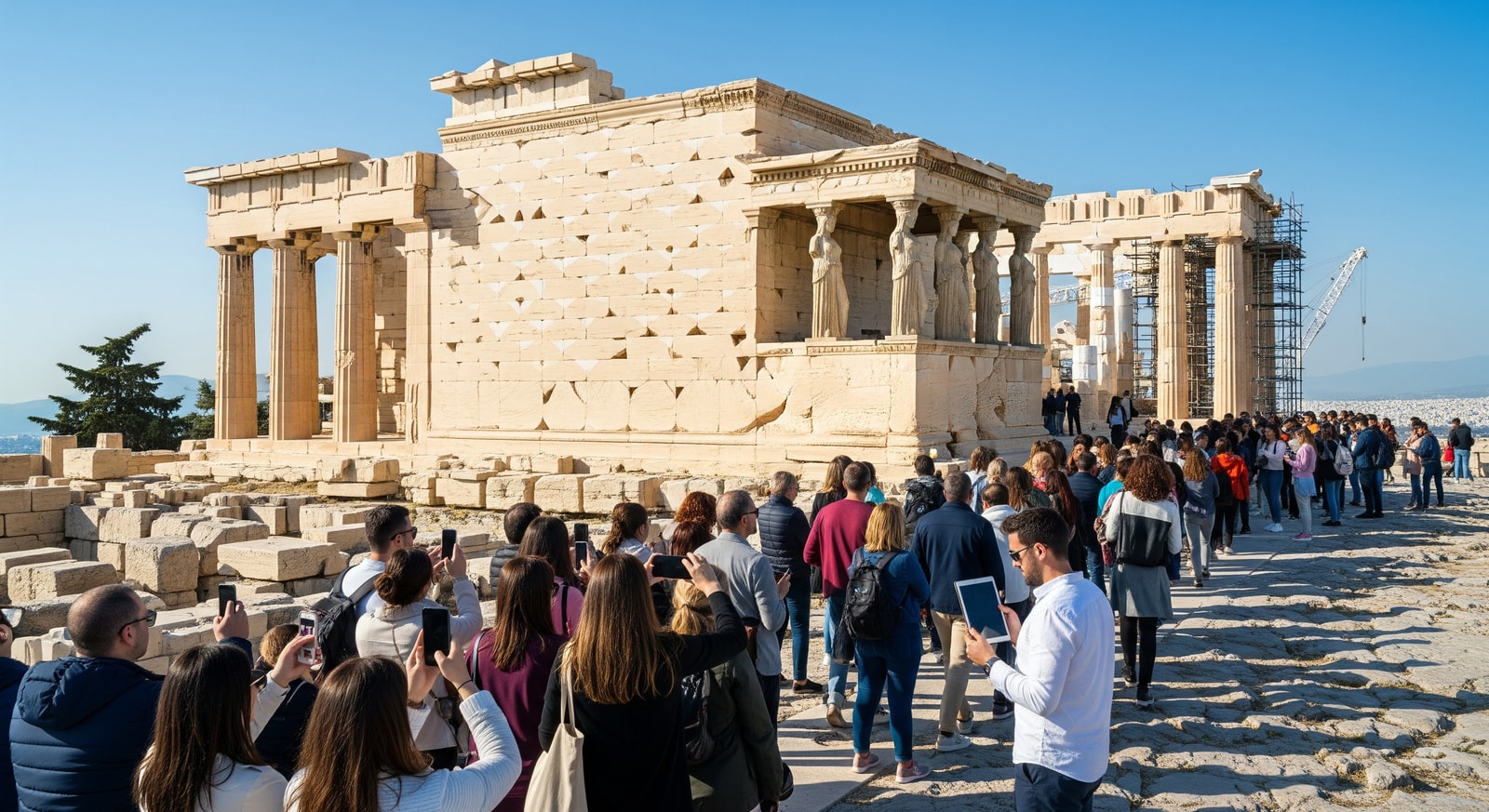
The unified system is part of a wider effort to modernize tourism infrastructure, increase revenue, and raise the international profile of Greece’s cultural heritage. The move comes after a record year for arrivals: Greece recorded 35.26 million international visitors between January and October 2025, a 4.5% year-on-year rise.
- Reduced queuing and faster entry at major sites
- Better planning tools for independent travellers and tour operators
- Multilingual support to serve a diverse international audience
- Increased accessibility options for visitors with disabilities
Officials will need to prioritize robust testing, capacity planning and ongoing technical support after launch to ensure the platform delivers a reliable experience as traffic grows.
What this means for travellers
For visitors planning trips to Greece, the Hellenic Heritage platform should make it easier to secure entry times, avoid long queues and arrange group visits. Travellers should look out for hh.gr when booking, reserve tickets in advance for peak attractions, and use the platform’s accessibility options if needed. Tour operators should monitor real-time availability to optimise itineraries.
So what? A centralized, multilingual ticketing system like Hellenic Heritage promises a smoother, fairer and more accessible visit to Greece’s historic sites — but its success will depend on a stable launch and careful maintenance to handle large visitor volumes.
Sources