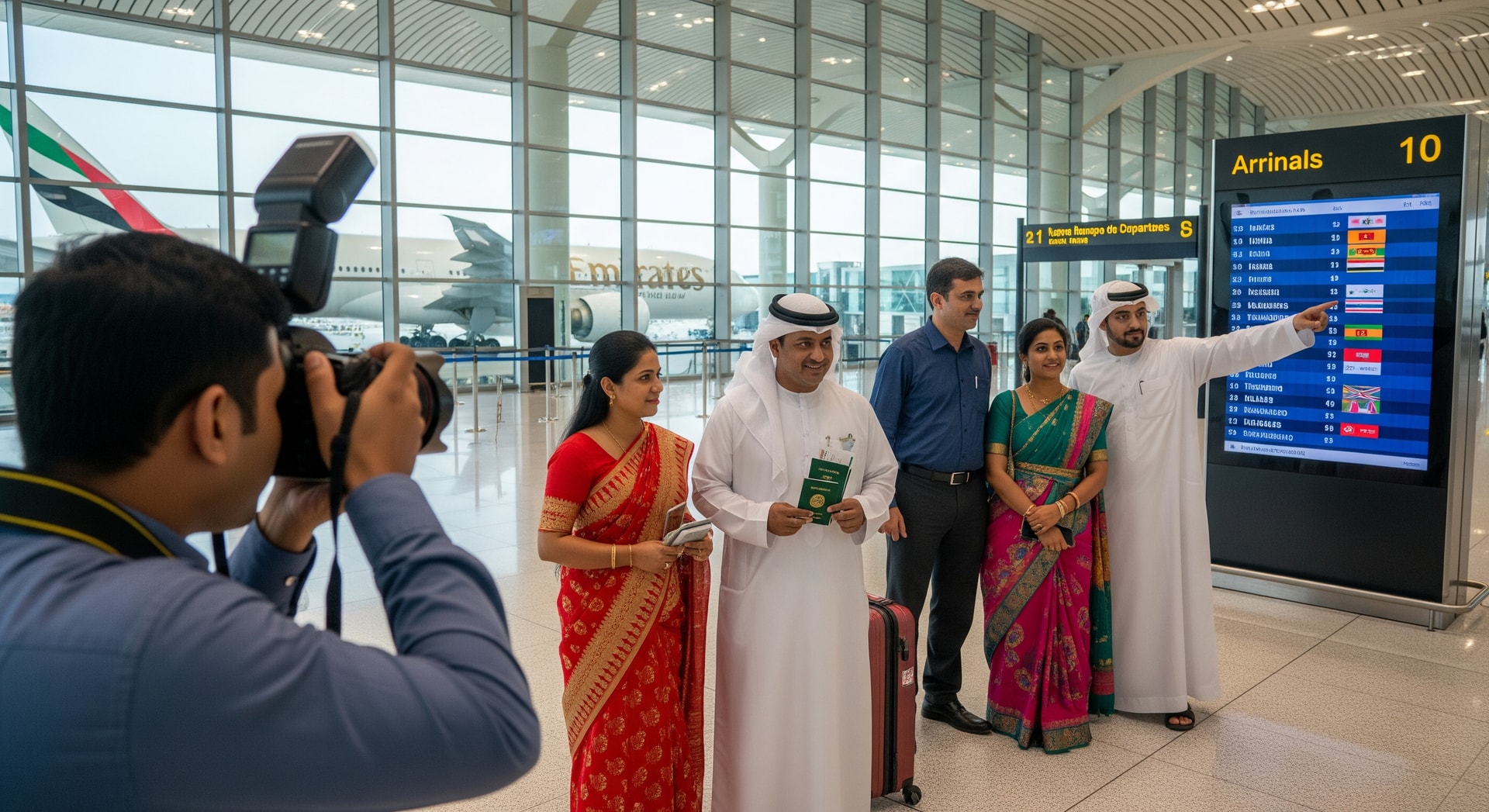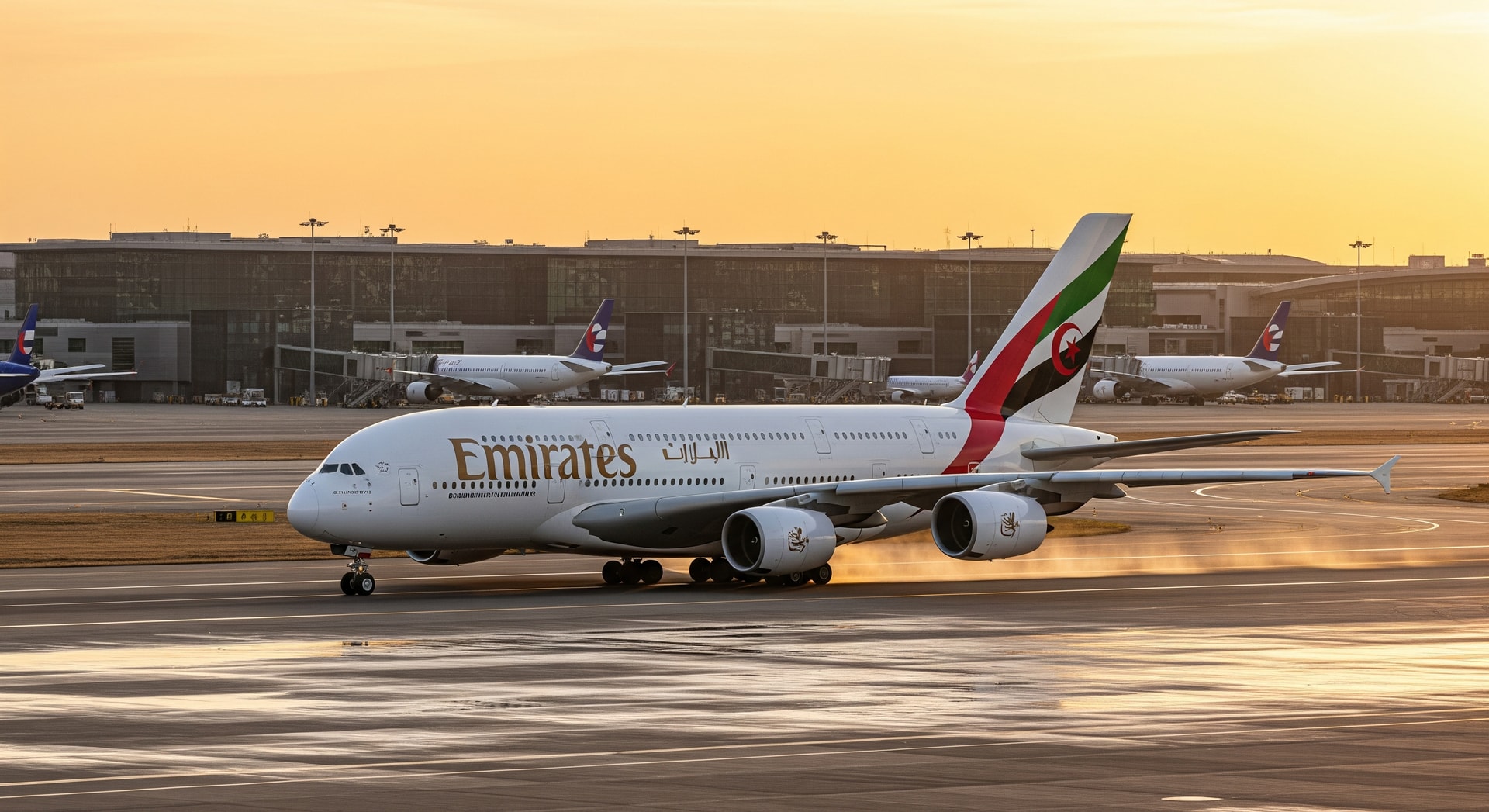
Algeria has begun the formal process to terminate the Algeria UAE air services agreement signed in 2013 and ratified by presidential decree in 2014.
Summary: Algeria has initiated the formal denunciation of the 2013 air services agreement with the UAE — a pact signed in May 2013 and ratified by presidential decree in December 2014 — and will notify the UAE and the ICAO as required under the treaty.
Algeria has officially started the procedure to end the Algeria UAE air services agreement that was signed in May 2013 and later ratified by Presidential Decree in December 2014. The move was announced through state channels and will follow the formal steps set out in the agreement itself.
Diplomatic steps required under the agreement
The agreement's own provisions govern how it can be ended. Under Article 22, denunciation must be communicated via diplomatic channels to the UAE contracting party and a parallel notification sent to the Secretary General of the International Civil Aviation Organization (ICAO). This dual notification completes the formalities required under international aviation protocols.
- Diplomatic notification to the UAE contracting party under Article 22
- Simultaneous notification to the ICAO Secretary General
- Completion of termination formalities in line with international rules
Background of the 2013 agreement
The air services pact between Algeria and the UAE was signed in May 2013 and subsequently ratified by Algerian presidential decree in December 2014. It established the legal framework for scheduled and non-scheduled air services between the two countries and helped structure commercial aviation links over the past decade.
No immediate reason given by authorities
The Algerian News Agency reported the start of the denunciation process but did not provide any immediate explanation for the decision. With no public record of a recent dispute between Algiers and Abu Dhabi on air travel, the absence of detail has prompted speculation about possible diplomatic, economic or strategic motives behind the step.
Potential operational effects on airlines
Ending the bilateral agreement may alter how carriers from both countries operate on routes linking Algeria and the UAE. Airlines that currently rely on the treaty for rights to operate direct services could face new regulatory hurdles, need temporary arrangements, or be required to seek alternative permissions to maintain connectivity.
- Possible suspension or restructuring of direct flights between Algeria and UAE cities
- Airlines may need new operating permits or bilateral approvals
- Cargo and business travel flows could be disrupted temporarily
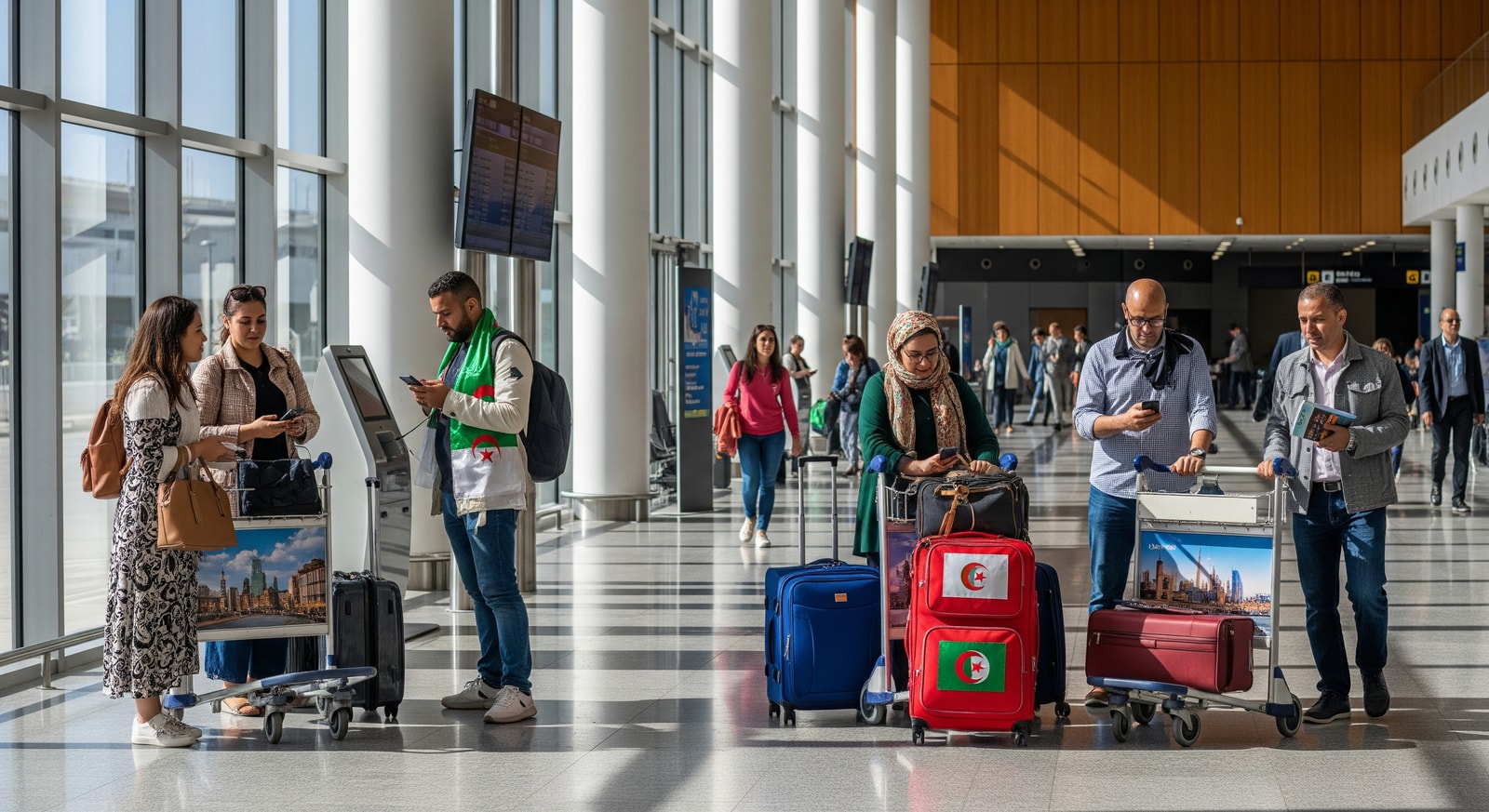
Broader implications for trade and tourism
Air services agreements underpin tourism, business travel and cargo links. A formal end to the pact could reduce direct connectivity, potentially affecting trade volumes, business travel convenience and tourism flows between the two countries until replacement arrangements are agreed.
Conversely, the termination might clear the way for renegotiations or new accords that better reflect evolving economic priorities, liberalized aviation policies, or improved safeguards for Algeria’s national interests. It could also be part of a wider effort to modernize Algerian aviation arrangements and diversify international partnerships.
What comes next — diplomacy and alternatives
With denunciation proceedings under way, the immediate administrative steps will be the diplomatic notifications to the UAE and ICAO. How long the agreement remains in force after notification will depend on the treaty’s withdrawal terms. In parallel, carriers and regulators on both sides may pursue short-term measures to limit disruption while governments consider whether to renegotiate or replace the framework.
So what? For travellers and aviation stakeholders, this development signals potential changes to schedules, routings and regulatory processes affecting Algeria-UAE travel. Industry participants should monitor official notifications and airline advisories closely as the situation evolves.
Sources