Sri Lanka tourism revenue fell 5.6% in January 2026 to $378.5 million, even as tourist arrivals to Colombo and Kandy rose 9.7% to 277,327.
Summary: Sri Lanka tourism revenue fell 5.6% in January 2026 to $378.5 million, even as tourist arrivals increased 9.7% to 277,327, reflecting lower daily spending and ongoing recovery challenges.
Sri Lanka tourism revenue contracted in January 2026 despite a rise in visitor numbers, underlining a disconnect between arrivals and earnings that could shape the sector's recovery this year. The island recorded $378.5 million in tourism receipts for January, a 5.6% decline year-on-year, while arrivals climbed 9.7% to 277,327 visitors.
Why revenues fell even as arrivals grew
Authorities point to lower average daily spending per tourist as the main reason for the revenue shortfall. The Sri Lanka Tourism Development Authority (SLTDA) revised its estimated daily expenditure down to $148 in August 2025 from $171 the year before, following a detailed survey of visitor behaviour. That reduction — and continued cautious spending by travellers — meant more arrivals did not translate into higher receipts.
The sector has been recovering from deep shocks in recent years, including the 2019 Easter Sunday attacks and the global pandemic. Despite improvements, the tourism industry recorded intermittent declines through 2025 — with five months of falls in a seven-month span — and the early 2026 figures show the recovery remains fragile.
The numbers at a glance
- Tourism revenue (January 2026): $378.5 million (down 5.6%)
- Tourist arrivals (January 2026): 277,327 (up 9.7%)
- SLTDA revised daily spending estimate (Aug 2025): $148 (from $171)
- 2025 total tourism revenue: $3.22 billion (1.6% increase)
- 2025 arrivals: 2.36 million (15.1% growth)
- 2026 target: 3 million arrivals
Although 2025 showed positive momentum — with total receipts of $3.22 billion and 2.36 million visitors — January 2026 highlights that visitor volume alone may not be sufficient to drive revenue growth. Policymakers and industry stakeholders have been urged to consider strategies that boost per-visitor spending.
Policy and product responses under consideration
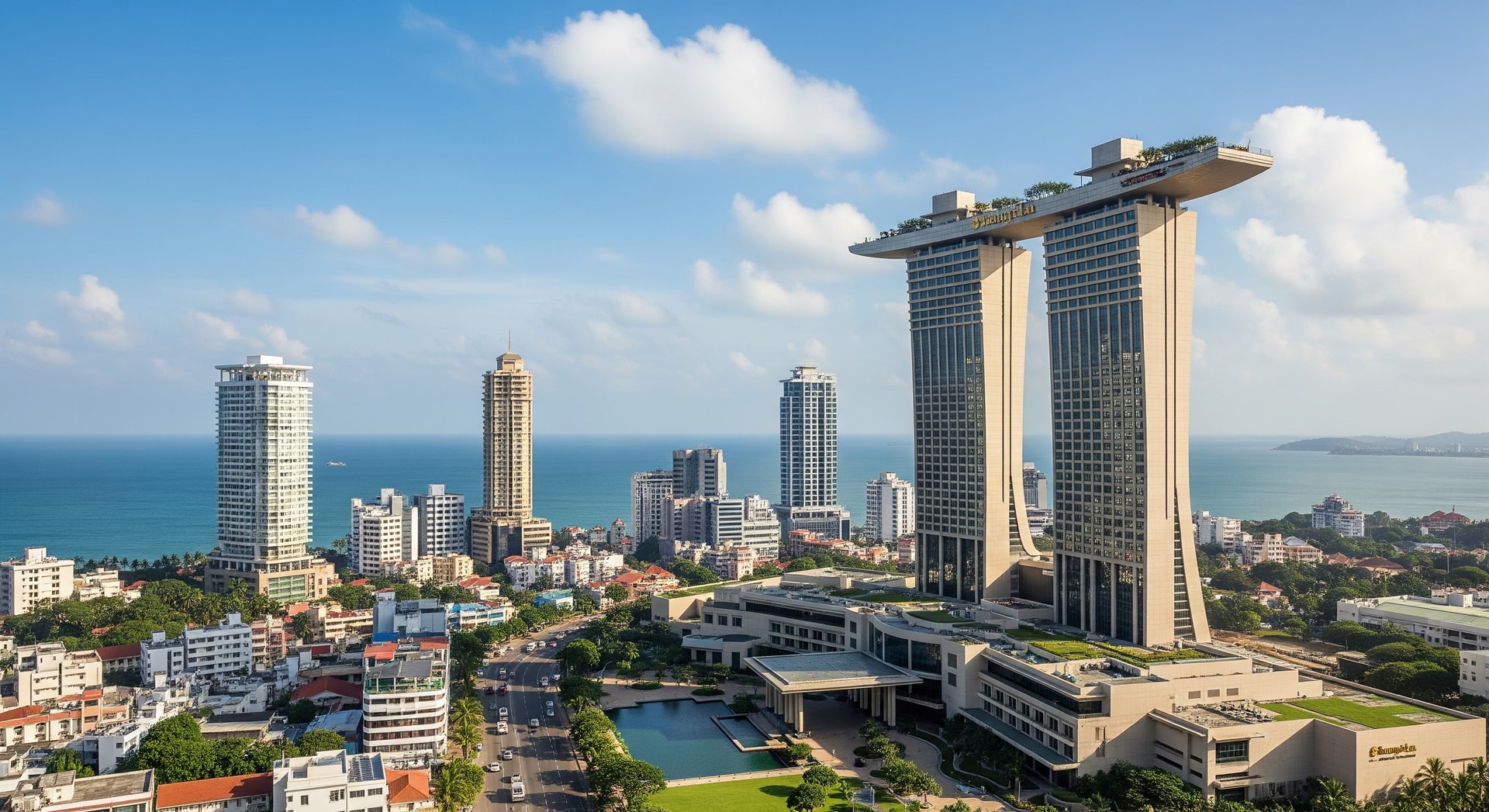
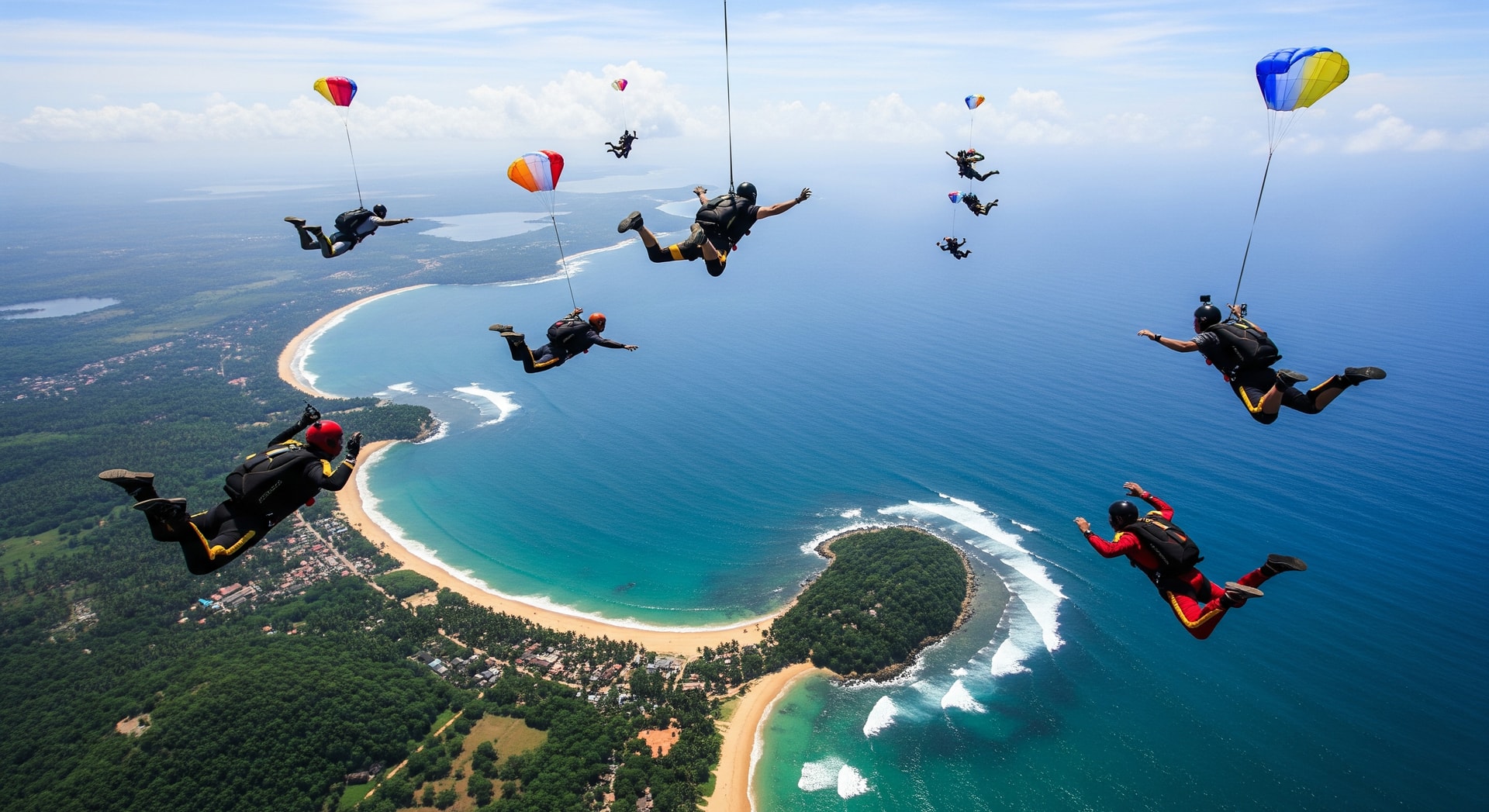
Industry commentators say diversifying Sri Lanka’s tourism offerings could help attract higher-spending visitors. Priorities flagged include expanding cultural tourism, wellness packages, and eco-tourism products. Targeted luxury experiences for high-net-worth visitors are also being discussed as a way to increase revenue without relying solely on arrival volumes.
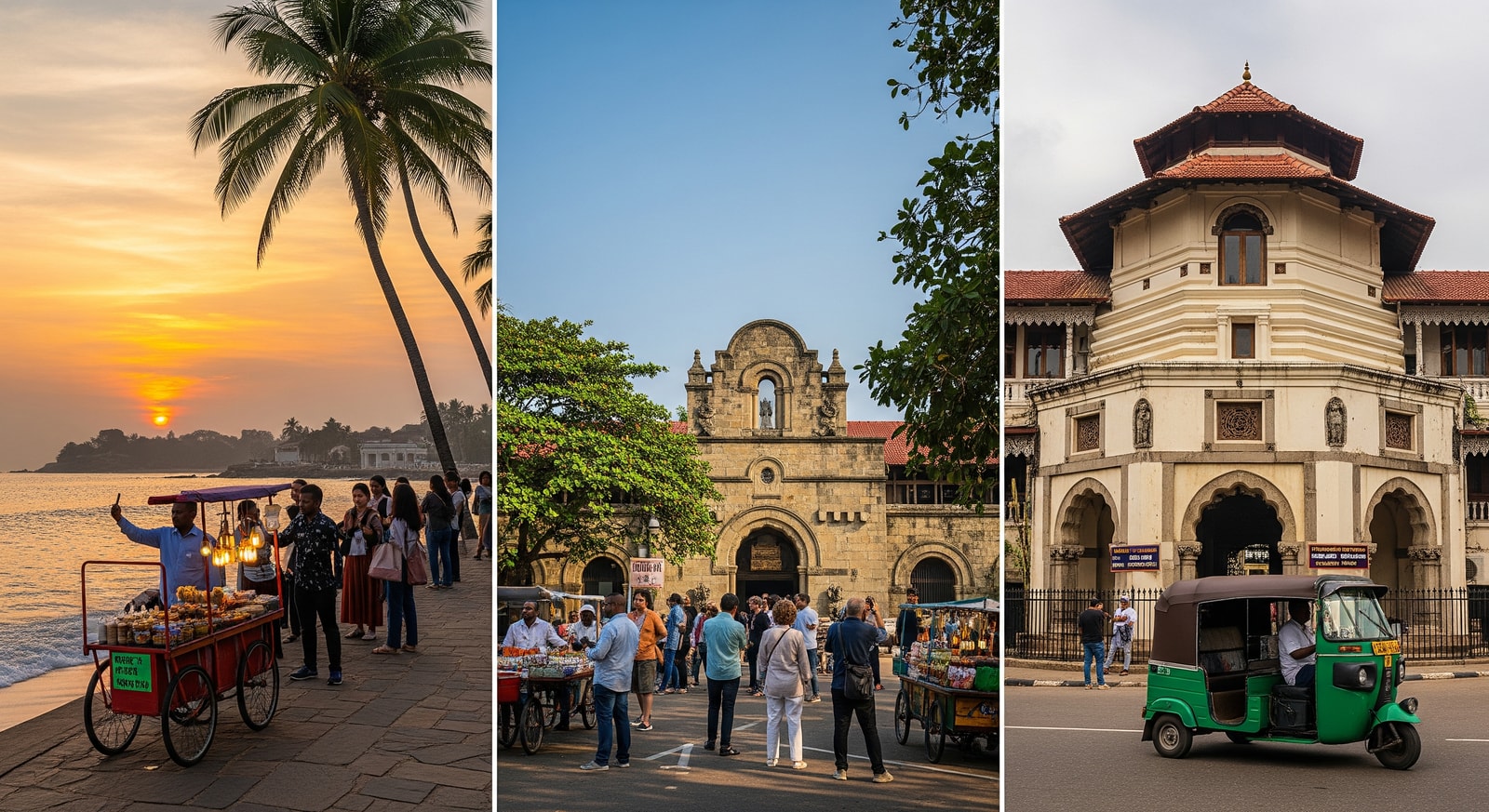
Practical tips for travellers in 2026
- Plan ahead: Book hotels and tours in advance as demand rises in popular areas like Colombo and Kandy.
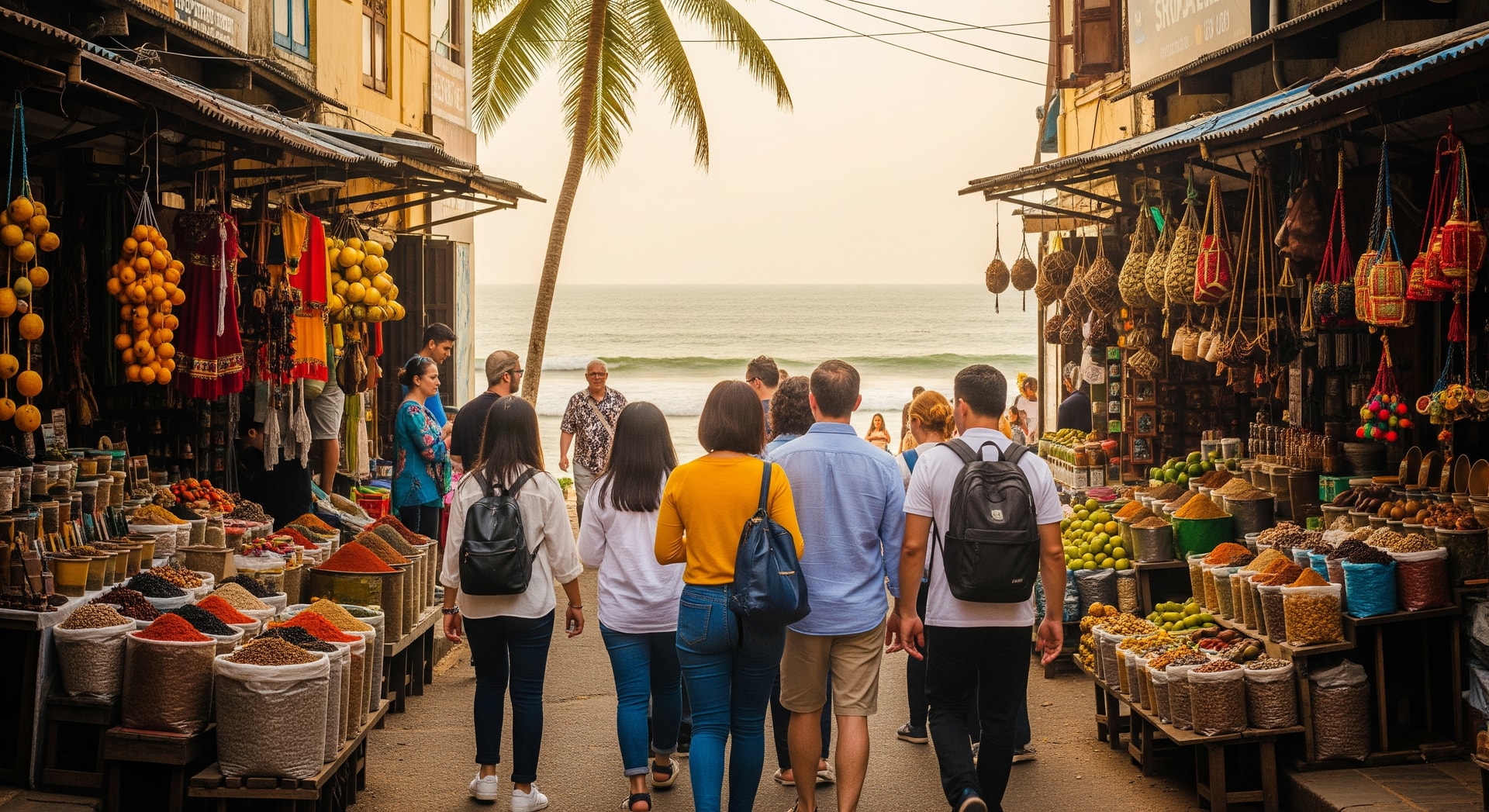
- Budget smartly: Choose local experiences such as street food, cultural sites, and nature trails to manage costs.
- Explore beyond the hotspots: Consider destinations like Ella or the Cultural Triangle for quieter experiences.
- Prioritise sustainable options: Opt for eco-friendly accommodations and tours to support conservation efforts.
- Stay informed: Check travel advisories and health guidance before departure.
For industry stakeholders, the immediate priority will be measures that encourage visitors to spend more during their stay while maintaining the gains in arrival numbers. Strengthening infrastructure, improving service standards and restoring international confidence remain central to Sri Lanka’s tourism strategy.
Outlook: balancing arrivals with value
Sri Lanka’s goal of 3 million arrivals by the end of 2026 is ambitious but achievable if visitor spending can be nudged higher. The January shortfall is a reminder that numbers alone do not equal financial recovery — value per visitor matters. The coming months will test how effectively the SLTDA and travel industry can convert rising footfall into sustainable revenue growth.
Why this matters: Travelers and industry observers should note that even with more people visiting Sri Lanka, costs and spending patterns will influence the quality and availability of services. For travellers, that could mean better infrastructure over time if higher-value tourism is realised — but it also means being mindful of prices and booking ahead during busy periods.
Sources