Cambodia Vietnam tourism saw arrivals triple in January 2026, pushing Cambodia into Vietnam’s top three source markets with more than 223,000 visitors.
Summary: Cambodia’s arrivals to Vietnam tripled in January 2026 to over 223,000 visitors, lifting Cambodia into the top three source markets for Vietnam amid broader gains in international arrivals.
Cambodia Vietnam tourism experienced a dramatic uptick in January 2026 when arrivals from Cambodia tripled month-on-month, propelling Cambodia into the top three source markets for Vietnam for the first time. Data from Vietnam’s National Statistics Office show this sharp increase was a key factor in the country’s strong start to the year.
January arrivals: a notable jump
In January 2026, more than 223,000 visitors from Cambodia entered Vietnam, a threefold increase compared with the previous month. That surge moved Cambodia ahead of Taiwan (China) to claim third place among Vietnam’s inbound markets, a notable rise from its prior position between sixth and tenth.
- Cambodian visitors in January 2026: over 223,000 (tripled month-on-month)
- Total international arrivals to Vietnam in January 2026: nearly 2.5 million
- Month-over-month growth (Dec 2025 to Jan 2026): 21%
- Year-over-year growth (Jan 2025 to Jan 2026): 18.5%
Drivers: improved connectivity and easier travel
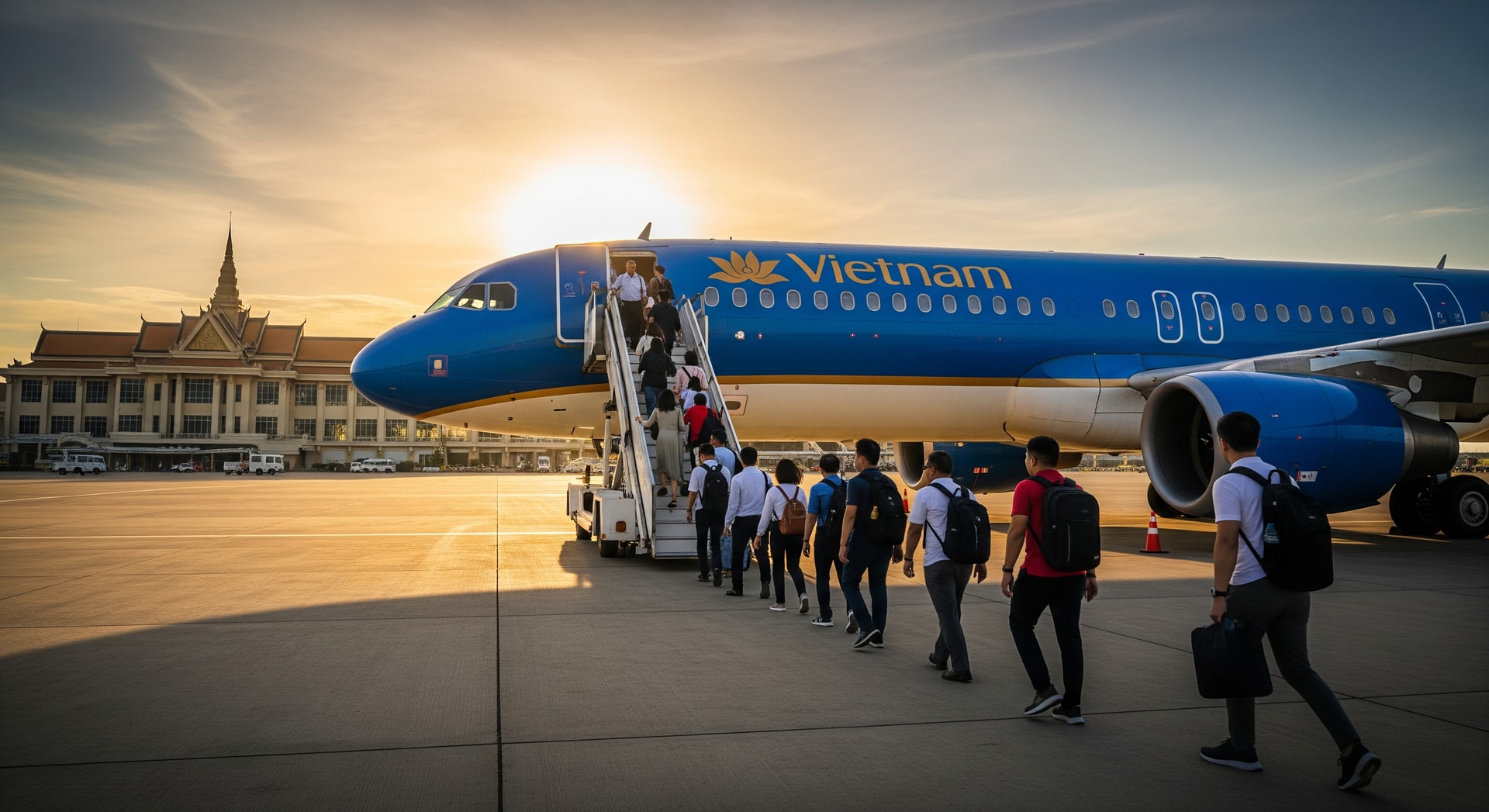
Several factors helped fuel the surge in Cambodian visitors: more accessible visa arrangements, strengthened regional transport links, expanded direct flight options, and simpler land-border crossings. These changes have made travel between the neighbouring countries faster and more affordable, encouraging more Cambodians to choose Vietnam for leisure, medical care and short trips.
Popular Vietnamese destinations for Cambodian travellers
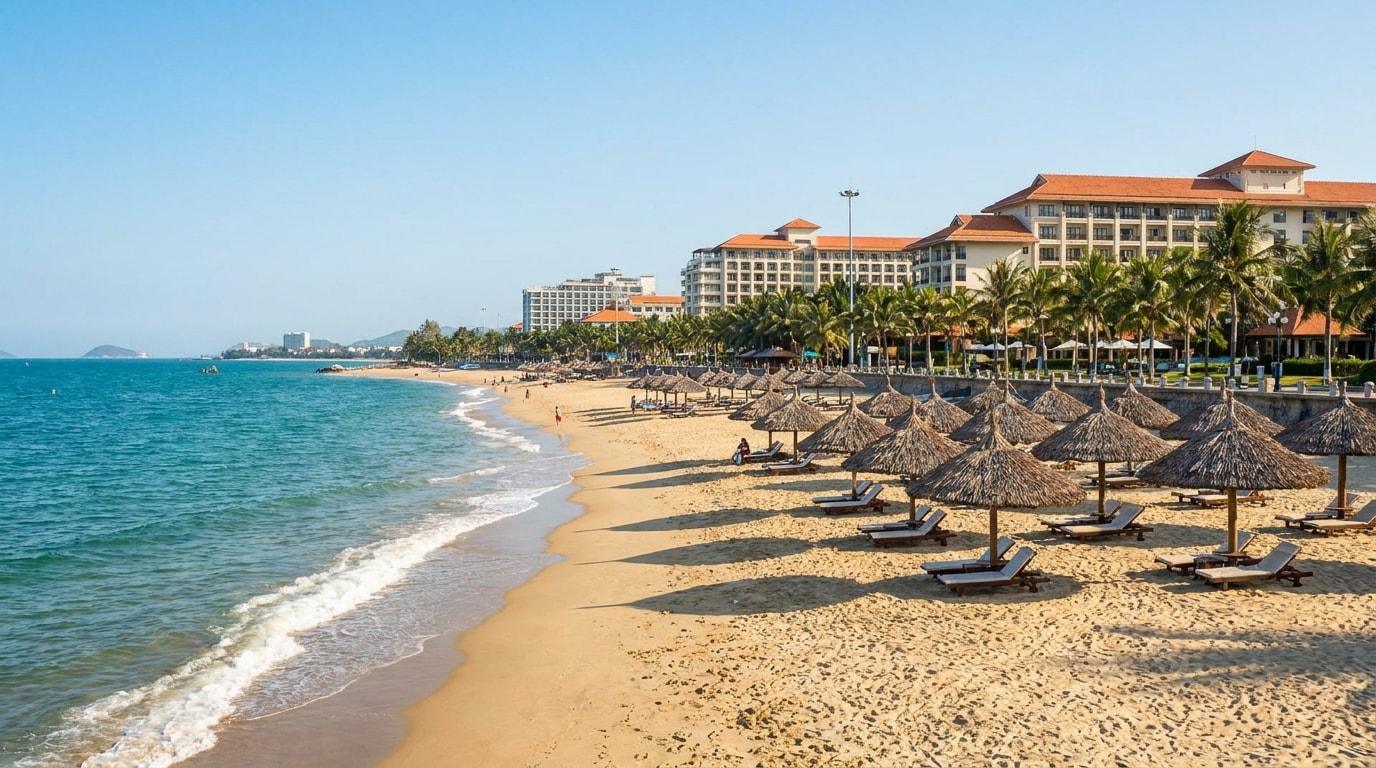
Cambodian tourists have been visiting beachfront and cultural hotspots across Vietnam. Frequent choices include Đà Nẵng, Hoi An, Đà Lạt, Nha Trang, Vũng Tàu and Phú Quốc. Beyond leisure travel, Vietnam’s medical services have also drawn Cambodian patients seeking healthcare options.
Vietnam’s overall inbound picture in January 2026
Vietnam recorded nearly 2.5 million international arrivals in January 2026. Air travel accounted for roughly 2 million of those visitors — about 80% of the total — highlighting the importance of aviation and budget carriers in driving inbound tourism.
- Air arrivals: about 2 million (nearly 80% of total)
- Land border crossings: around 441,000 in January (year-on-year increase of 92.9%)
- Sea arrivals: approximately 58,500
Where Cambodia ranks among source markets
In January 2026 the Republic of Korea was Vietnam’s top source market with nearly 490,000 visitors, followed by mainland China at about 460,000. Cambodia’s 223,000-plus arrivals placed it third, ahead of Taiwan (China) and other traditional markets such as Japan, the United States, Australia, Russia, India and Malaysia.
Reciprocal flows and regional context
The trend is bilateral: Vietnam remains Cambodia’s largest source of foreign visitors. Cambodian government figures show about 1.11 million Vietnamese tourists visited Cambodia during January–November 2025, a 7.3% decline year-on-year but still underscoring strong people-to-people links between the countries.
What this means for travellers and the industry
The rise of Cambodia as a top source market highlights growing intra‑regional mobility in Southeast Asia. For travellers, easier visa procedures and better transport links mean more options and lower costs when planning trips between Cambodia and Vietnam. For airlines, tour operators and hospitality providers, the shift signals demand opportunities to develop targeted products — including medical-tourism packages and short cross‑border itineraries — that cater to Cambodian visitors.
So what? This surge shows that small, neighbouring markets can quickly become major sources of inbound visitors when policy, connectivity and price align. Travelers should watch flight and border options for improved schedules and deals, while industry players may consider expanding services and marketing to capture the growing Cambodia–Vietnam travel corridor.
Sources