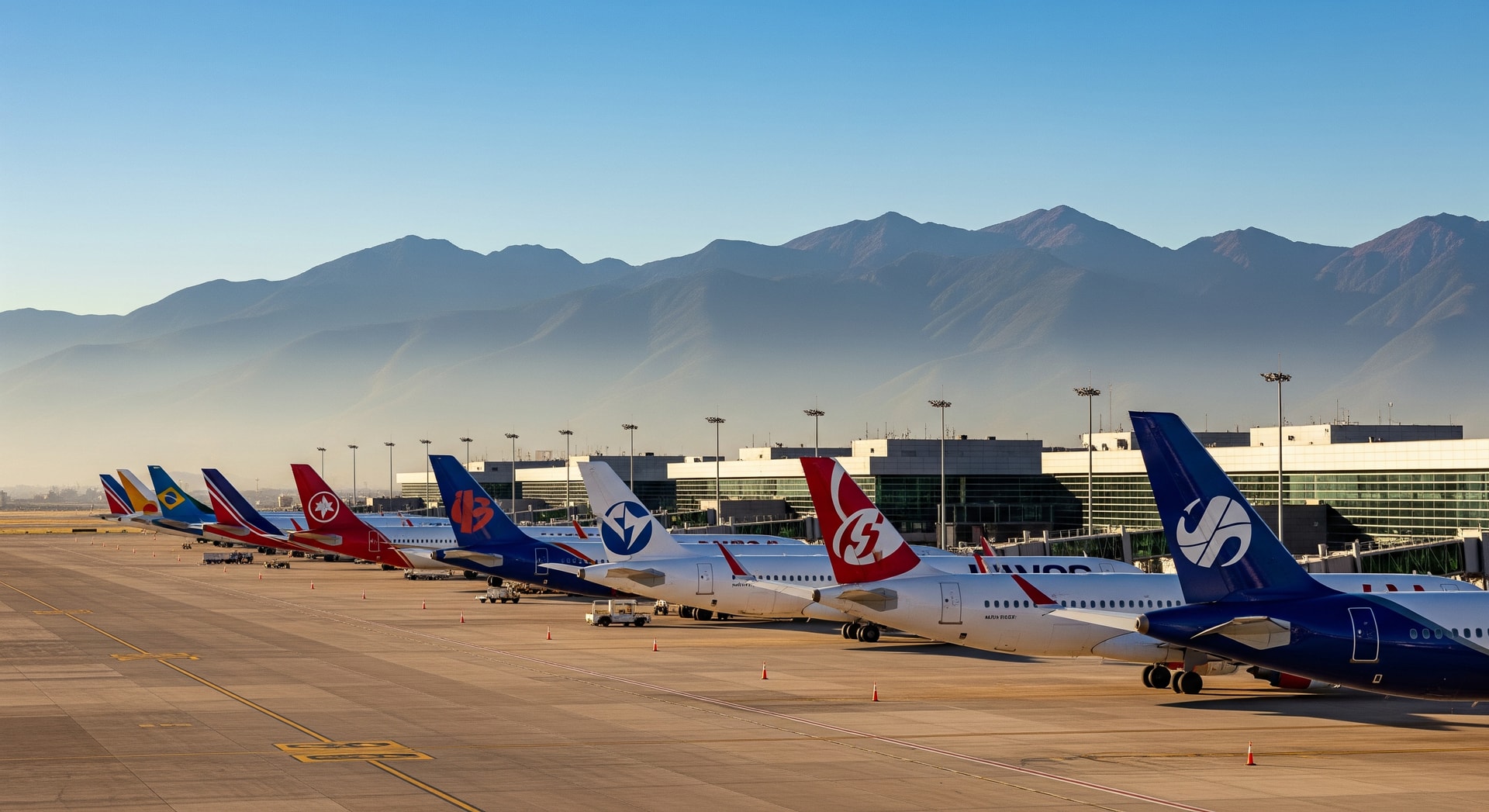
South America travel deals for 2026 are reshaping aviation networks across the continent with new routes, increased frequencies and fiscal incentives designed to deepen connectivity and boost tourism.
Summary: South America travel deals for 2026 include dozens of new international flights, frequency increases and fiscal incentives across Brazil, Argentina, Chile, Peru, Colombia and Uruguay—aimed at widening connectivity and supporting tourism-driven economic growth.
Governments and airlines across South America have unveiled a coordinated set of travel deals for 2026 that combine new routes, extra frequencies and incentive packages to attract carriers. The measures are intended to make the region more accessible, strengthen hubs and spread tourism benefits beyond major cities.
Brazil’s push to expand international connectivity
Brazil’s Ministry of Tourism announced an expanded international network for 2026 after regulators authorised 64 new flights and 16 additional weekly frequencies in partnership with multiple carriers. The programme involves Aerolíneas Argentinas, Flybondi, GOL, LATAM, Turkish Airlines, JetSMART, Air Transat, American Airlines, Copa, Qatar Airways, Air France, TAP and Iberia, among others, and aims to sustain the momentum from 2025 when foreign arrivals reached 9.3 million.
São Paulo has been targeted as a regional hub, with three additional weekly frequencies on the Doha–São Paulo route, five new Punta Cana–São Paulo flights from July 2026 and seven new Bariloche–São Paulo services. Forecasts also include new European connections from France, Belgium, the Netherlands, Portugal and Spain, plus links from Cape Town and Istanbul.
Opportunities for secondary and coastal cities
Brazil’s strategy extends beyond major hubs to mid‑sized destinations. Authorities expect new services to Cabo Frio, Florianópolis and Maceió from Argentina, Paraguay and Chile, while Fortaleza and Curitiba are considered for European routes. Salvador is set to receive a Panama City–Salvador connection. Incentives and simplified regulations are being used to make these links commercially viable and to disperse tourism demand.
Argentina: Rosario wins a direct link to Europe
Rosario secured a landmark agreement to launch a twice‑weekly Rosario–Madrid service operated by World2Fly starting 1 October 2026, with ticket sales opening in December 2025. The Santa Fe provincial government offered reduced airport fees and fiscal incentives to attract the carrier, eliminating the need for passengers to transit through Buenos Aires for travel to Spain.
Chile and Peru sign expanded bilateral access
On 28 January 2026 Chile and Peru signed a memorandum that lifts prior limits on the Santiago–Lima corridor. The agreement increases allowable operations from 84 weekly flights to up to 168 and removes city‑specific restrictions, a move officials frame as a step toward open‑skies policies that should lower fares and improve service.
Peru and Colombia court global carriers and confirm new links
Peru has been recruiting international carriers and increasing frequencies: Copa plans to operate 49 weekly flights to Lima from January 2026 and Air France will raise Paris–Lima services from seven to ten weekly from June 2026. New routes to Iguazú (Flybondi), Toronto and Montreal (Air Canada) and Salt Lake City (Delta) have also been launched.
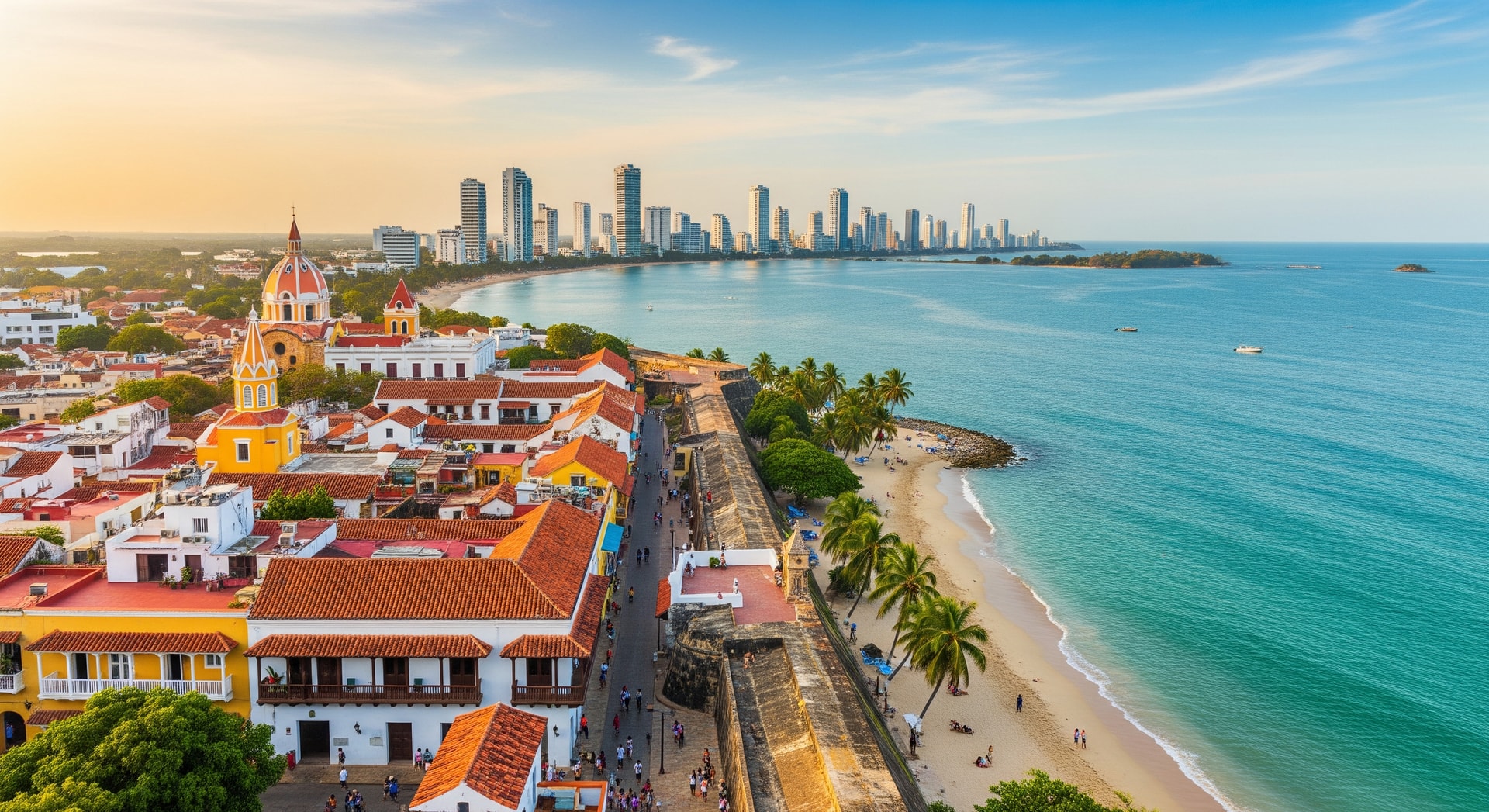
Colombia’s ProColombia confirmed a set of 2026 routes including Viva Aerobus flights from Mexico City to Medellín and Cartagena, Wingo service between Aruba and Bucaramanga, World2Fly flights between Madrid and Cartagena, and WestJet’s new Toronto–Medellín link. These additions follow a strong 2025 with 14.9 million international seats and 30 airlines serving the country.
- Brazil: 64 new flights and 16 extra weekly frequencies authorised; major hub expansion in São Paulo
- Argentina: Rosario–Madrid twice‑weekly service from 1 Oct 2026; incentives offered
- Chile–Peru: Bilateral memorandum (28 Jan 2026) doubling Santiago–Lima capacity to 168 weekly flights
- Peru: Copa to 49 weekly Lima frequencies; Air France to 10 weekly Paris–Lima flights from June 2026
- Colombia: New routes from Viva Aerobus, Wingo, World2Fly and WestJet
- Domestic and cross‑border: JetSMART Bogotá–Barranquilla twice daily; Azul Belo Horizonte–Montevideo from 4 Mar 2026 (two weekly)
Domestic links and cross‑border services
Domestic connectivity is also being strengthened. JetSMART launched a Bogotá–Barranquilla service with two daily flights, providing more than 2,600 seats per week and increasing frequencies during Carnival. Azul will resume a Belo Horizonte–Montevideo service on 4 March 2026 with two weekly Embraer E2 flights, restoring direct links between Uruguay and Minas Gerais.
What this means for travellers and the industry
The wave of travel deals and route announcements should increase choices, create competitive pricing on many corridors and improve access to secondary destinations. For airlines and airports, the packages combine regulatory approvals with fiscal and marketing incentives aimed at building sustainable, long‑term connections rather than one‑off promotions.
So what? For travellers this means more direct services, potentially lower fares and easier access to new destinations across South America. For the tourism and aviation sectors, the deals are designed to support jobs, cargo flows and regional economic integration while giving airlines new commercial gateways to grow.
Sources