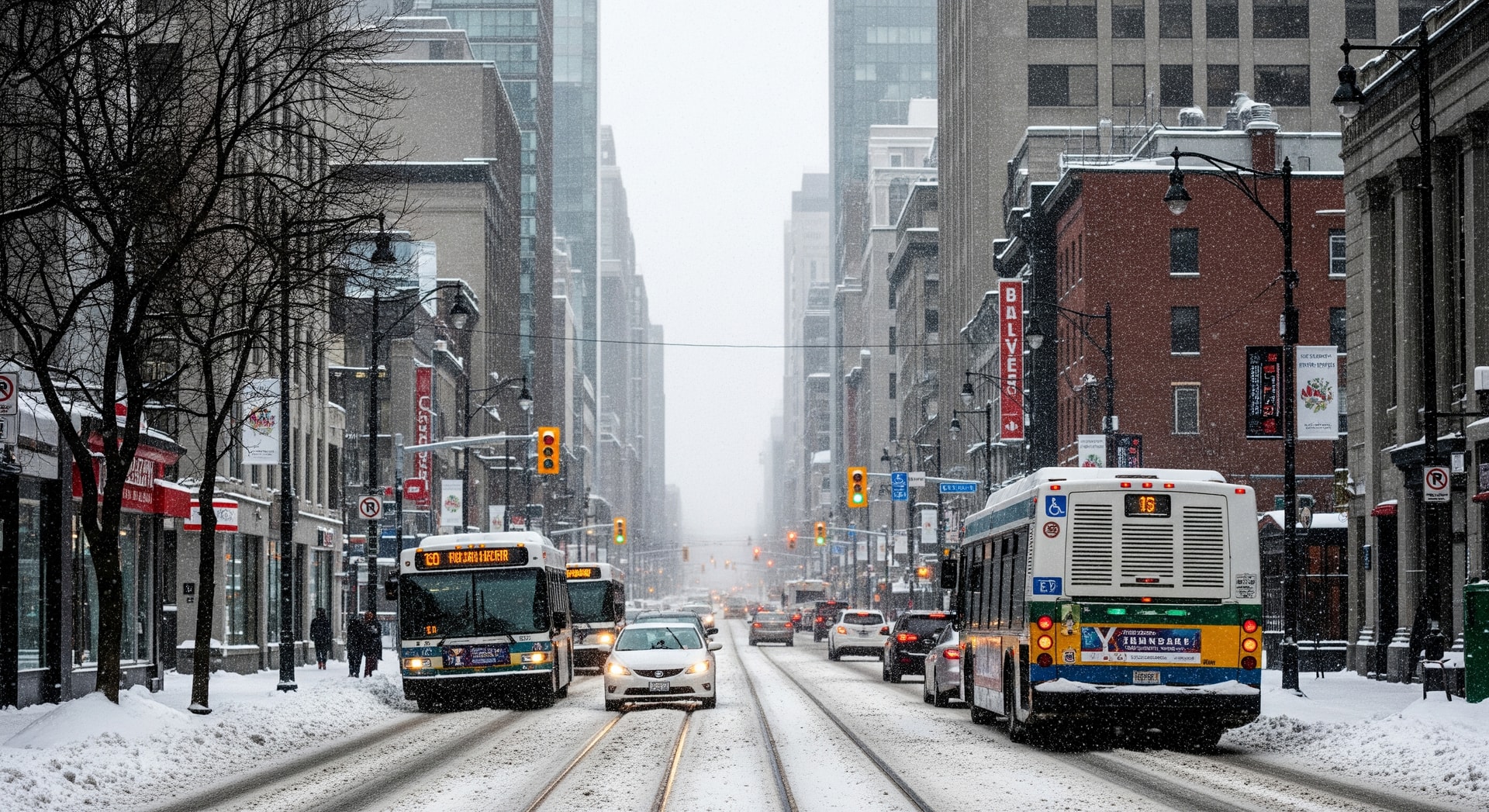
Montreal snowstorm warning: Environment Canada forecasts up to 10 cm of snow in 24 hours, prompting a Yellow travel advisory that may disrupt travel and sightseeing.
Summary: Environment Canada warns of a Montreal snowstorm with up to 10 cm expected in 24 hours and snowfall rates as high as 2 cm per hour. A Yellow travel advisory has been issued; commuters and visitors should expect delays and slippery conditions.
A Montreal snowstorm is forecast to deliver as much as 10 centimetres of fresh snow across the city within the next 24 hours, according to Environment Canada, which has issued a Yellow travel advisory for Montréal–Trudeau International Airport and surrounding areas. Residents, commuters and travellers are being warned to prepare for rapidly changing conditions and possible disruption to plans.
Environment Canada issues Yellow advisory
The national weather agency's bulletin indicates snow will increase Tuesday and continue into Wednesday morning, with accumulation reaching around 10 cm. Environment Canada’s advisory, classified as Yellow, notes snow falls could reach rates near 2 cm per hour at times, reducing visibility and creating slippery surfaces quickly.
- Accumulation: Up to 10 cm across Montreal in 24 hours
- Snow rate: As high as 2 cm per hour during peak periods
- Advisory level: Yellow travel advisory from Environment Canada
- Affected area: Montréal–Trudeau International Airport and the surrounding region
Impact on commuters and daily travel
The snowfall is timed to overlap with busy travel periods, including Tuesday evening's rush hour, which raises the risk of slippery roads and slower traffic. Motorists should expect reduced speeds and possible minor collisions as fresh snow accumulates on highways and arterial streets.
Public transit users should plan for delays: buses and metro services may run behind schedule while operators allow extra time for safety. Montreal’s municipal snow‑clearing teams will be active, but rapid accumulation can still slow movement across the network despite ongoing removal efforts.
Advice for tourists and drivers
- Allow extra travel time, especially during peak hours
- Use winter tyres or chains if driving
- Check local transit schedules and service alerts before leaving
- Dress in warm layers and wear sturdy winter boots
- Follow official updates from Environment Canada for the latest forecast
Visitors planning to explore Montreal’s attractions—such as Old Montreal, the Museum of Fine Arts or Mount Royal—should prepare for slippery walkways and possible itinerary changes. Accommodation hosts and tour operators can provide real‑time transit updates and local advice.
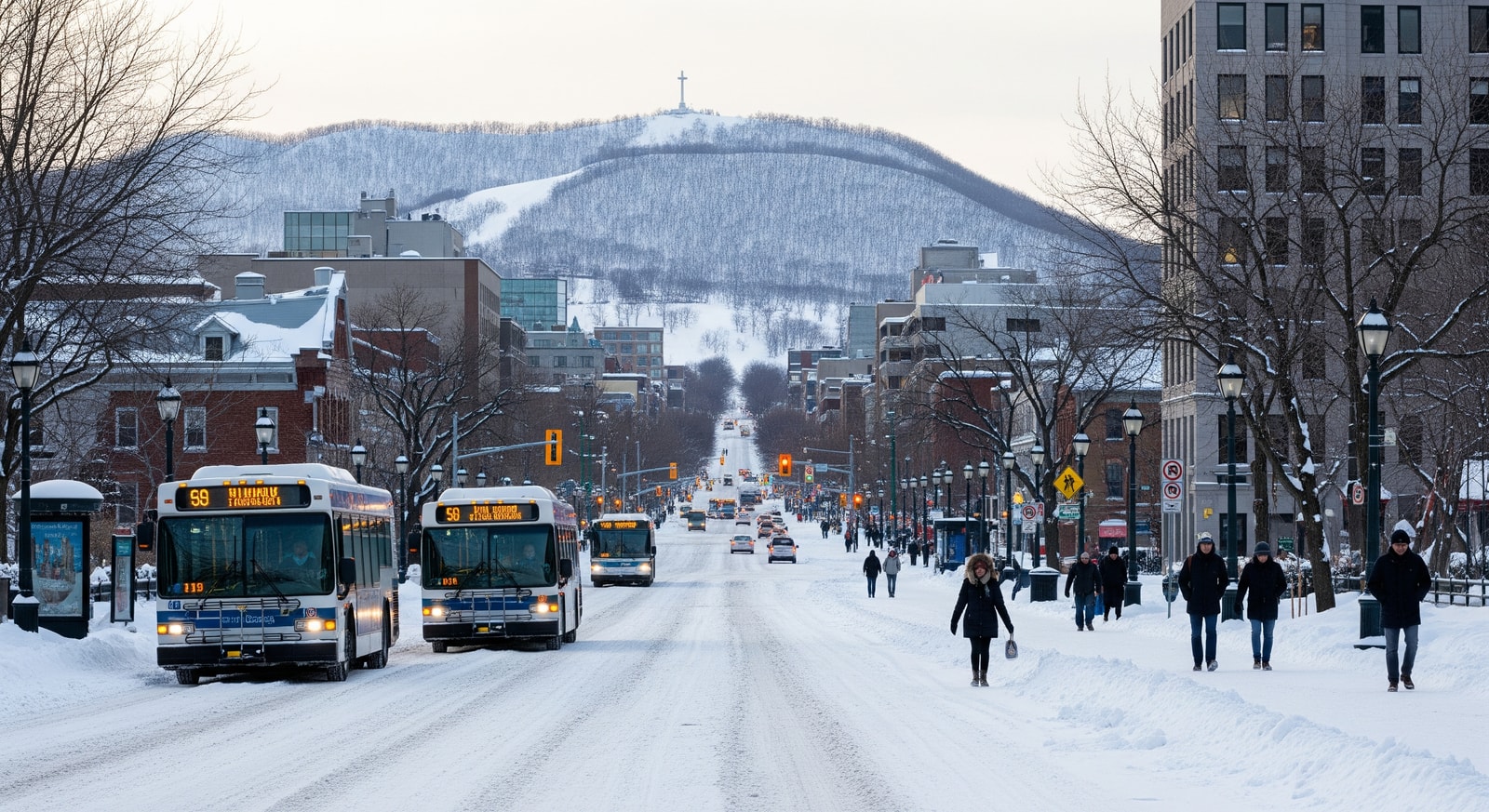
Mount Royal and winter sightseeing
Fresh snow can enhance Montreal’s winter charm, offering picturesque views on Mount Royal and a festive feel in historic districts. Outdoor winter activities like snowshoeing and cross‑country skiing remain options when conditions are safe, but visitors should check trail conditions and heed local guidance for icy or covered paths.
Historical context and city operations
Montreal routinely handles heavy winters—the city averages over 200 cm of snow annually—so extensive snow‑removal operations are a regular part of municipal services. Although 10 cm is moderate compared with major storms, quick accumulation can still cause travel disruptions and requires coordinated clearing efforts.
Looking ahead: what travellers should watch for
Forecasts indicate snow should ease by Wednesday afternoon, shifting to lighter flurries while cold temperatures persist. Nonetheless, visitors and residents should remain alert to updates from Environment Canada in case of changes to timing or additional snow events.
Why this matters: For travellers, the advisory means planning flexibility—expect potential delays at Montreal–Trudeau International Airport, slower road journeys and altered sightseeing schedules. For the local travel industry, even a moderate storm can increase demand for up‑to‑date information and weather‑ready services. Staying informed and allowing extra time will help ensure safety and reduce disruption to trips and daily routines.
Sources