Middle East luxury travel is surging as Oman, Saudi Arabia and the UAE roll out secluded Red Sea resorts, refined Omani getaways and exclusive UAE staycations for discerning travellers.
Summary: Middle East luxury travel is rising as Saudi Red Sea resorts, curated Oman getaways and UAE staycations offer privacy, wellness and bespoke experiences for discerning visitors.
As holiday planning accelerates for the coming season, Middle East luxury travel is attracting attention with a clear shift toward tailored, high-end experiences. Travellers are choosing privacy, cultural immersion and wellness-focused stays over mass-market itineraries, prompting hospitality groups across Saudi Arabia, Oman and the UAE to launch curated packages that blend local heritage with contemporary design.
A shift toward bespoke luxury
Industry leaders say travellers are increasingly seeking secluded retreats and culturally rich itineraries. In response, hotels are packaging immersive experiences that emphasize relaxation, wellness and fine dining, while incorporating authentic local elements to create a distinct sense of place.
Red Sea Escapes
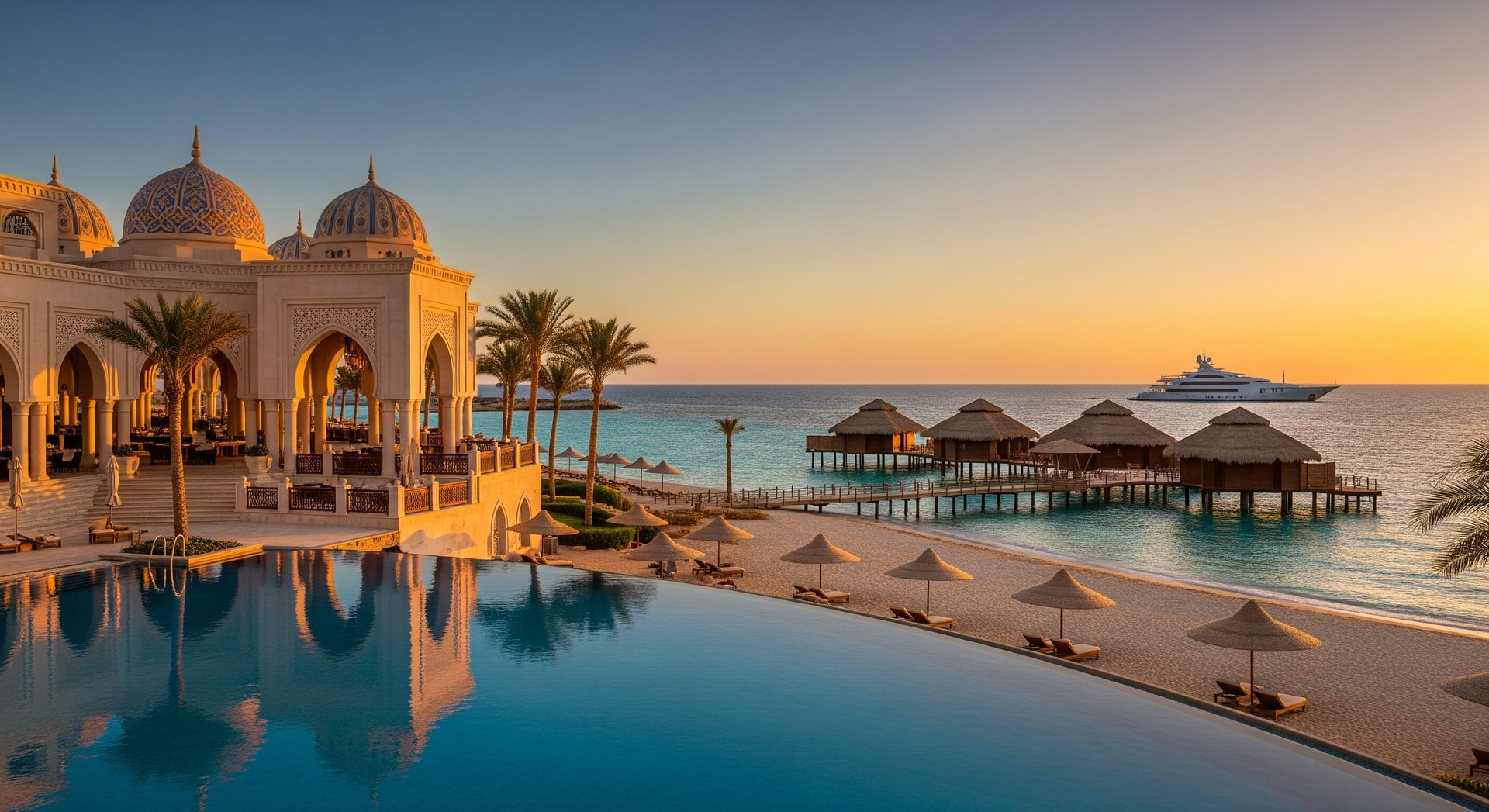
Saudi Arabia’s Red Sea developments are positioning the Kingdom as a rival to long-established island destinations. Nujuma, a Ritz-Carlton Reserve, presents a secluded option within the Red Sea’s fragile ecosystem, offering private villas and an emphasis on intimate, nature-led stays where guests can appreciate sky-and-water vistas.
Similarly, The St. Regis Red Sea Resort on the Ummahat archipelago balances adventurous activities with luxurious downtime. Visitors can snorkel and kayak in exceptionally clear waters before sampling gourmet offerings such as those at Gishiki 45.
On Shura Island, The Red Sea EDITION is creating a festive spring programme. A specially curated Eid Celebration Dinner is scheduled for Friday, 20 March, featuring interactive cooking stations designed to bring the theatrical energy of the kitchen to diners.
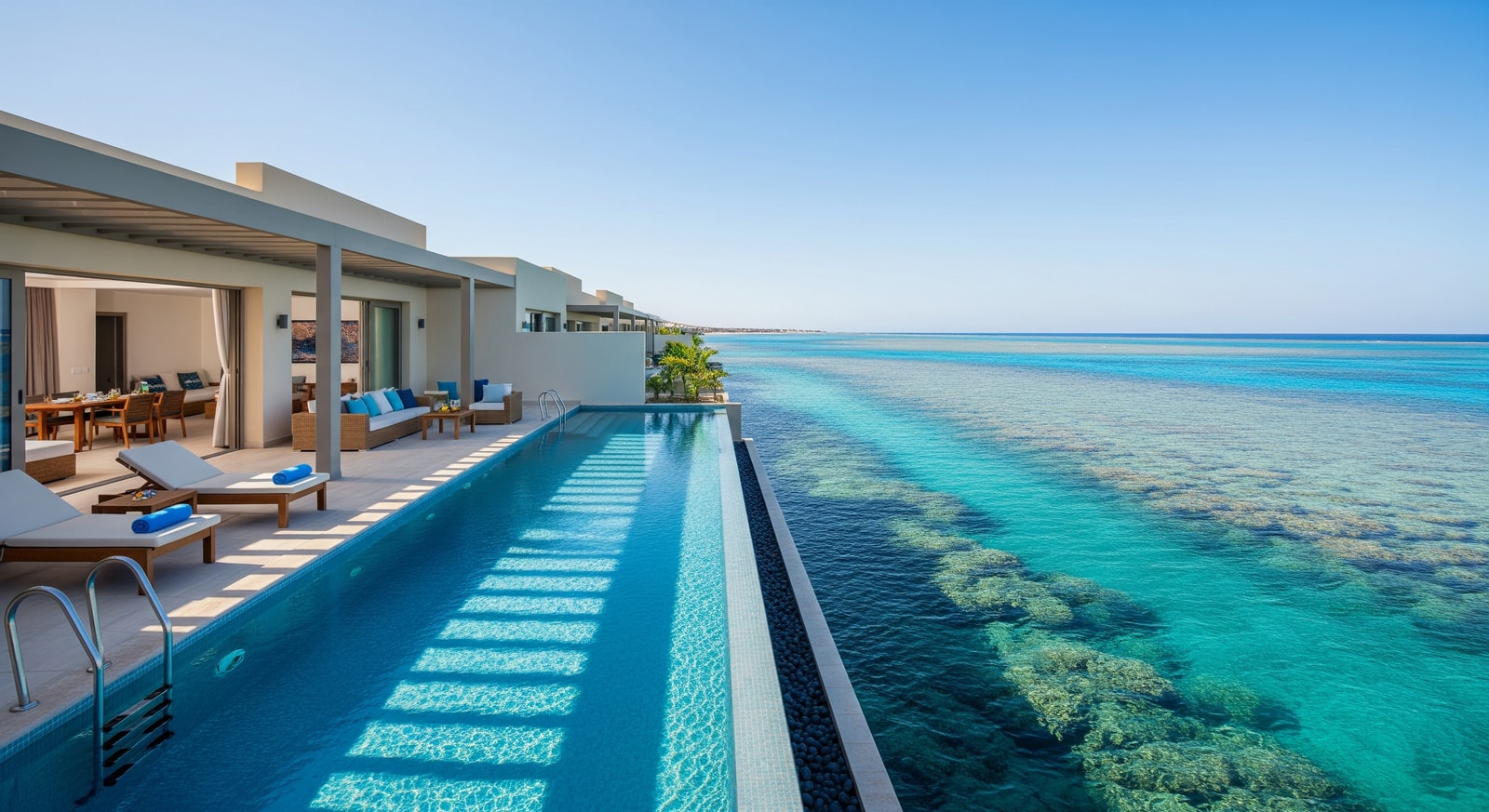
Oman getaways blend culture and contemporary design
Oman continues to draw visitors seeking a mix of lively social spots and unspoiled scenery. W Muscat, set on Shatti Al Qurum, pairs bold modern architecture with Omani cultural touches and is known for its Siddharta Lounge by Buddha-Bar and a fitness centre offering sweeping sea views.
For a more serene seaside experience, The St. Regis Al Mouj Muscat Resort highlights its Guerlain Spa and hosts international dining brands such as Hakkasan and COYA. Meanwhile, JW Marriott Hotel Muscat presents a curated holiday programme that combines generous breakfast offerings with evening buffets and family-friendly perks.
- JW Marriott Hotel Muscat: expansive breakfast selection
- Kitchen 7 evening buffet focusing on Arabian flavours
- Complimentary stay and dining for children under six
UAE staycations: desert villas, city thrills and restorative spas
The UAE’s portfolio ranges from isolated desert villas to action-packed urban resorts. At The Ritz-Carlton Ras Al Khaimah, Al Wadi Desert, Signature Villas provide private pools and expansive living spaces that melt into the dunes. The property’s “An Arabian Eid Escape” package is currently prominent, with premium rates starting at USD $4,082 (AED 14,994) for a one-night stay.
W Abu Dhabi – Yas Island offers a distinct urban-luxe option by sitting above the Yas Marina Circuit and providing easy access to theme parks, alongside dining concepts such as the Brooklyn Chop House that bring international flavours to the UAE market.
For travellers seeking a restorative, culturally rooted stay, Al Wathba, a Luxury Collection Desert Resort & Spa, Abu Dhabi, markets a “Desert Spa Escape” focused on holistic wellbeing.
- Full sixty-minute professional massages for adult guests
- Unlimited access to salt rooms, steam chambers and saunas at the Saray Spa
- Cultural activities including camel trekking, horseback riding and guided desert trail exploration
The region can cater to a broad luxury spectrum. Entry-level luxury pricing starts at approximately USD $220 (AED 811) at JW Marriott Hotel Muscat, while ultra-exclusive villa packages command premium nightly rates.
Global implications and industry impact
The move toward highly personalized, place-focused hospitality signals a broader change away from one-size-fits-all tourism. As travellers from Europe, the Americas and Asia look to the Middle East for March and April travel, competition among premium brands is intensifying, driving investments in sustainability, culinary innovation and upgraded amenities.
For the hospitality sector, this diversification reduces reliance on business travel and fosters a market shaped by leisure travellers seeking meaningful, restorative experiences tied to local culture and landscapes.
So what? For travellers, the region now offers a wider range of luxury options—from accessible high-end hotels to secluded villas and wellness retreats—allowing visitors to match budgets with levels of privacy and service. For the industry, the trend promises sustained growth driven by bespoke offerings, enhanced sustainability measures and stronger appeal to affluent global travellers.
Sources