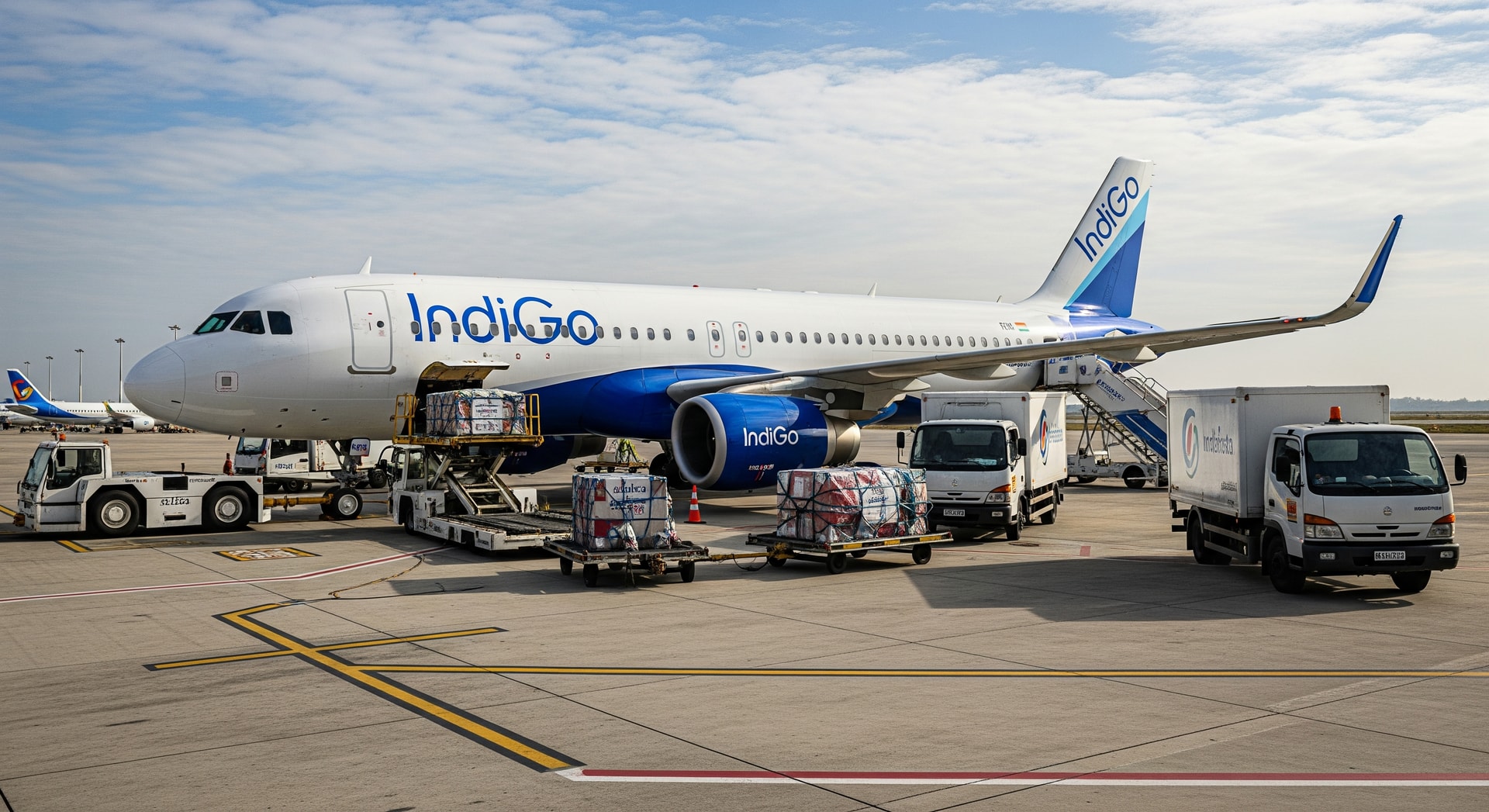
IndiGo has announced a European network reset, suspending its Delhi–Copenhagen service and reducing frequencies on London Heathrow and Manchester routes to maintain operational stability.
Summary: IndiGo is suspending its Delhi–Copenhagen service from February 17, 2026, and reducing frequencies on Delhi/Mumbai–Manchester and Delhi–London Heathrow in February 2026. The airline says the changes are aimed at protecting punctuality and reliability amid longer routings, airport congestion, and limited wide-body availability.
IndiGo is recalibrating parts of its Europe network as it seeks to preserve reliability on long-haul operations linking India with the United Kingdom and Denmark. The airline is suspending its Delhi–Copenhagen route and trimming frequencies on select UK services, pointing to ongoing operational pressures such as congested airports and changing airspace conditions that can extend flight times.
The carrier has framed the move as a proactive effort to protect schedule integrity rather than a retreat from long-haul flying. While overall connectivity between India, the UK, and Denmark will be reduced in the near term, IndiGo is positioning the changes as part of a longer-term approach that prioritizes stable operations and sustainable growth.
IndiGo’s Europe network changes focus on reliability
IndiGo says the adjustments are designed to support on-time performance and reduce disruption for passengers on long-haul routes. The changes affect services from Delhi (DEL) and Mumbai (BOM) to destinations in the UK and Denmark, reflecting wider challenges for airlines operating into busy European airspace and heavily constrained airports.
According to the report, longer sector times linked to geopolitical airspace restrictions and congestion at Indian and international airports have made scheduling more difficult. IndiGo’s current long-haul flying is operated with six damp-leased Boeing 787-9 aircraft, which can limit flexibility when delays occur.
IndiGo also brought forward changes that were originally intended for the Summer 2026 schedule, aiming to address potential disruption earlier and strengthen resilience across the remaining long-haul network.
Delhi–Copenhagen flights suspended from February 17, 2026
Connectivity between India and Denmark is directly impacted by the suspension of IndiGo’s Delhi–Copenhagen (CPH) service. Flights on the route are set to stop from February 17, 2026, until further notice.
No restart date has been provided, with future operations tied to improvements in external operating conditions. The route had been positioned as a link between India and Northern Europe serving both business and leisure travel, but the airline is treating the pause as a temporary step intended to avoid wider instability across its long-haul schedule.
Manchester routes see phased frequency reductions in February 2026
IndiGo is also reducing frequencies on services connecting Delhi and Mumbai with Manchester (MAN). The changes will be introduced in phases during February 2026, even as demand between India and the UK remains strong.
- From February 7, weekly Delhi–Manchester services reduce from five to four.
- From February 19, weekly Delhi–Manchester services reduce further to three.
- Total weekly India–Manchester connectivity decreases from nine flights to seven.
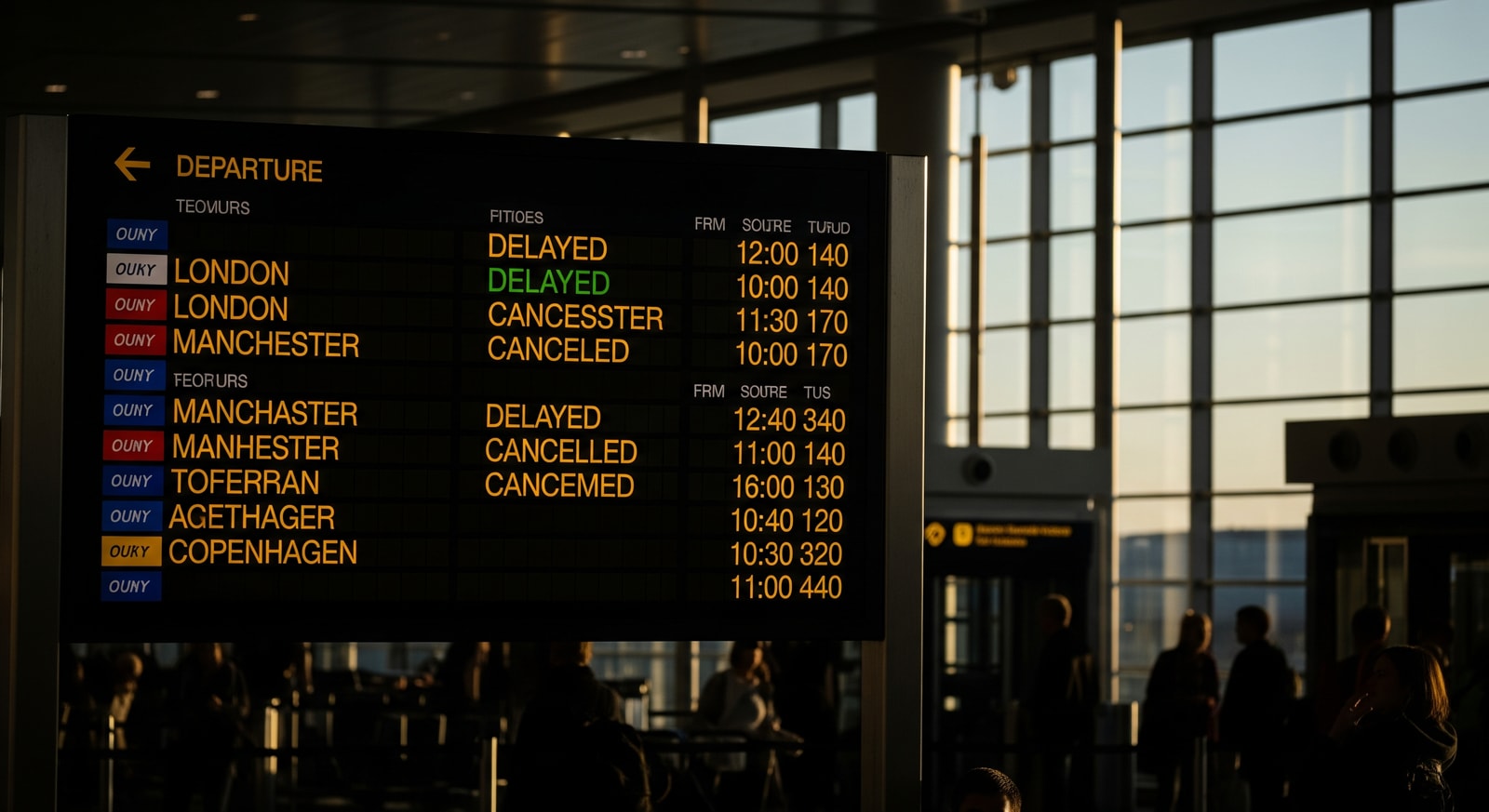
The report says the reductions are intended to better match capacity with longer flight times and aircraft availability, while keeping service in place for a key market linking India with northern England.
London Heathrow frequency cut begins February 9, 2026
IndiGo is also trimming its Delhi–London Heathrow (LHR) operation. From February 9, 2026, the route will move from five to four weekly flights during the ongoing winter schedule, according to the report.
The reduction is described as temporary and aimed at maintaining punctuality on a corridor that faces heavy congestion and limited slot flexibility at one of the world’s busiest airports.
Airspace restrictions and congestion cited as key drivers
The network changes are linked to a combination of external pressures. The report points to airspace restrictions connected to geopolitical developments, which can require longer routings and reduce schedule buffers. At the same time, congestion at major airports in India, the UK, and across Europe is limiting operational flexibility.
With long-haul services operated by a small pool of six damp-leased Boeing 787-9 aircraft, disruptions can cascade across multiple routes. By suspending one service and trimming frequencies on others, IndiGo is aiming to build more resilience into its timetable so remaining flights can operate more consistently.
Passenger options: rebooking, refunds, and compensation
Passenger support is a stated focus of the rollout. The report says affected customers are being contacted in advance and offered alternatives such as re-accommodation on other flights, refunds, or compensation in line with regulatory requirements.
Long-haul expansion plans continue despite near-term cuts
Despite the immediate schedule reductions, IndiGo’s long-haul strategy remains in place. The airline launched wide-body operations in March 2025 through a dry-lease agreement with Norse Atlantic Airways, enabling Boeing 787-9 aircraft to be used on intercontinental routes.
Looking ahead, IndiGo plans to induct its own Airbus A350-900 fleet from early 2028. The aircraft are expected to improve range, capacity, and operational stability, supporting future growth across Europe and other long-haul markets.
Why this matters for travelers
For travelers flying between India, the United Kingdom, and Denmark, the immediate impact is fewer nonstop options and reduced weekly frequencies on certain routes in February 2026—especially for Delhi–Copenhagen and services to Manchester and London Heathrow. Passengers with bookings on affected flights should watch for airline notifications and review rebooking or refund options early, as reduced capacity can tighten availability and increase the importance of flexible planning.
Sources