Greece storms have disrupted travel in the Ionian Islands after a tornado struck Corfu and heavy rainfall triggered flooding in Kefalonia, affecting roads, local businesses, and sightseeing plans.
Summary: Greece storms have caused travel disruption in the Ionian Islands after a tornado damaged buildings and blocked roads in Corfu, while heavy rain led to flooding in parts of Kefalonia. Authorities say the weather system is expected to persist for at least another 48 hours and advise residents and tourists to take precautions.
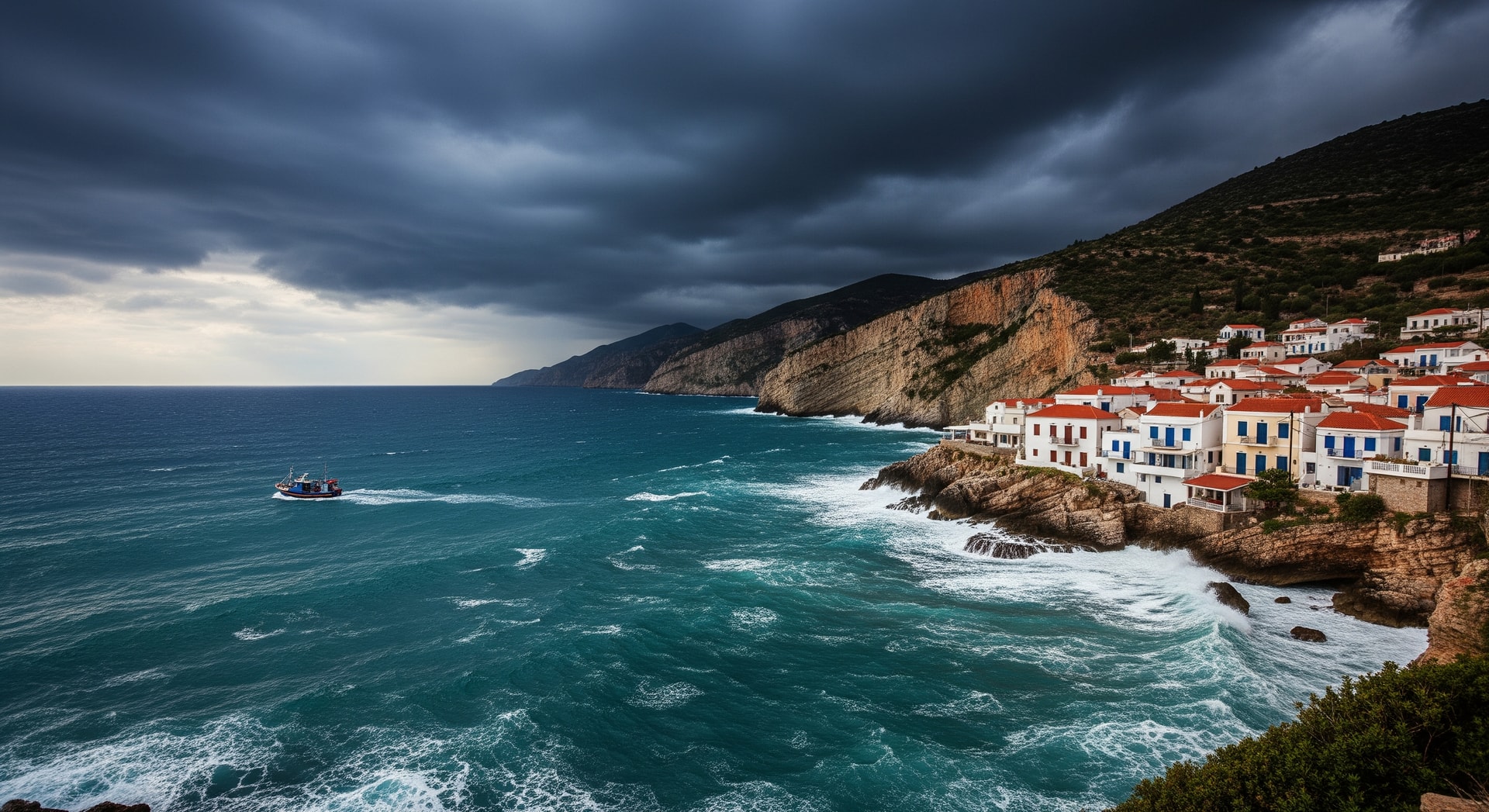
Greece storms are affecting travel plans in the Ionian Islands, where severe weather has hit both Corfu and Kefalonia in recent days. A tornado in Corfu and intense rainfall in Kefalonia have caused damage to property and infrastructure, creating short-term disruption for residents, local businesses, and visitors.
The islands are widely known for beaches and natural scenery, but the current conditions have brought unexpected challenges. The weather has continued for several days, and officials are monitoring developments as the system remains active.
Corfu tornado damages Afionas and blocks roads
In Corfu, the tornado struck the village of Afionas in the island’s north-west. The storm tore the roofs off at least three homes and destroyed a municipal kiosk, according to the report. Strong winds also brought down tree branches, which fell onto roads and interrupted traffic.
Road access was affected in both the northern and southern parts of Corfu as debris and fallen branches created blockages. Emergency services, including the Fire Service, responded by clearing debris and assisting residents in impacted areas.
Kefalonia flooding follows days of heavy rainfall
Kefalonia has been dealing with significant flooding after continuous heavy rain affected multiple areas. The flooding has added pressure to local transport and day-to-day movement around the island, with authorities continuing to track the situation closely.
Officials expect the weather system to continue for at least another 48 hours. Civil Protection services remain on high alert, and residents and tourists have been advised to take precautions as conditions evolve.
Tourism impact: access issues and changes to sightseeing plans
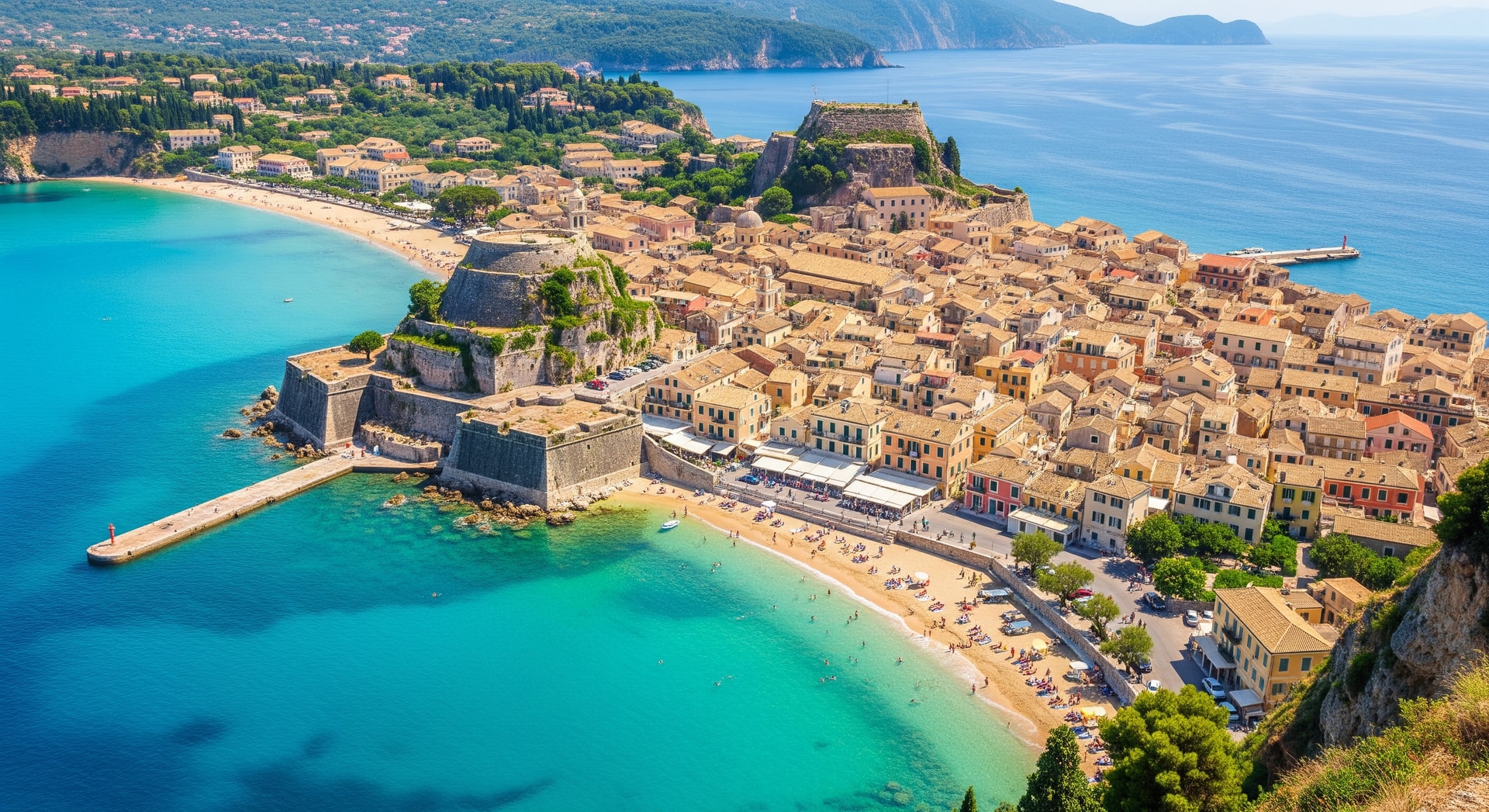
The severe weather is having a visible effect on tourism in the Ionian Islands. Corfu and Kefalonia are popular summer destinations known for history, beaches, and lush landscapes, and the disruptions come as Greece’s tourism sector continues its post-pandemic recovery.
In Corfu, damage in Afionas—an area that draws visitors for traditional architecture and scenic views—has temporarily affected local infrastructure and some hospitality activity. Fallen trees and blocked roads have also limited access to certain attractions, complicating day trips and sightseeing routes.
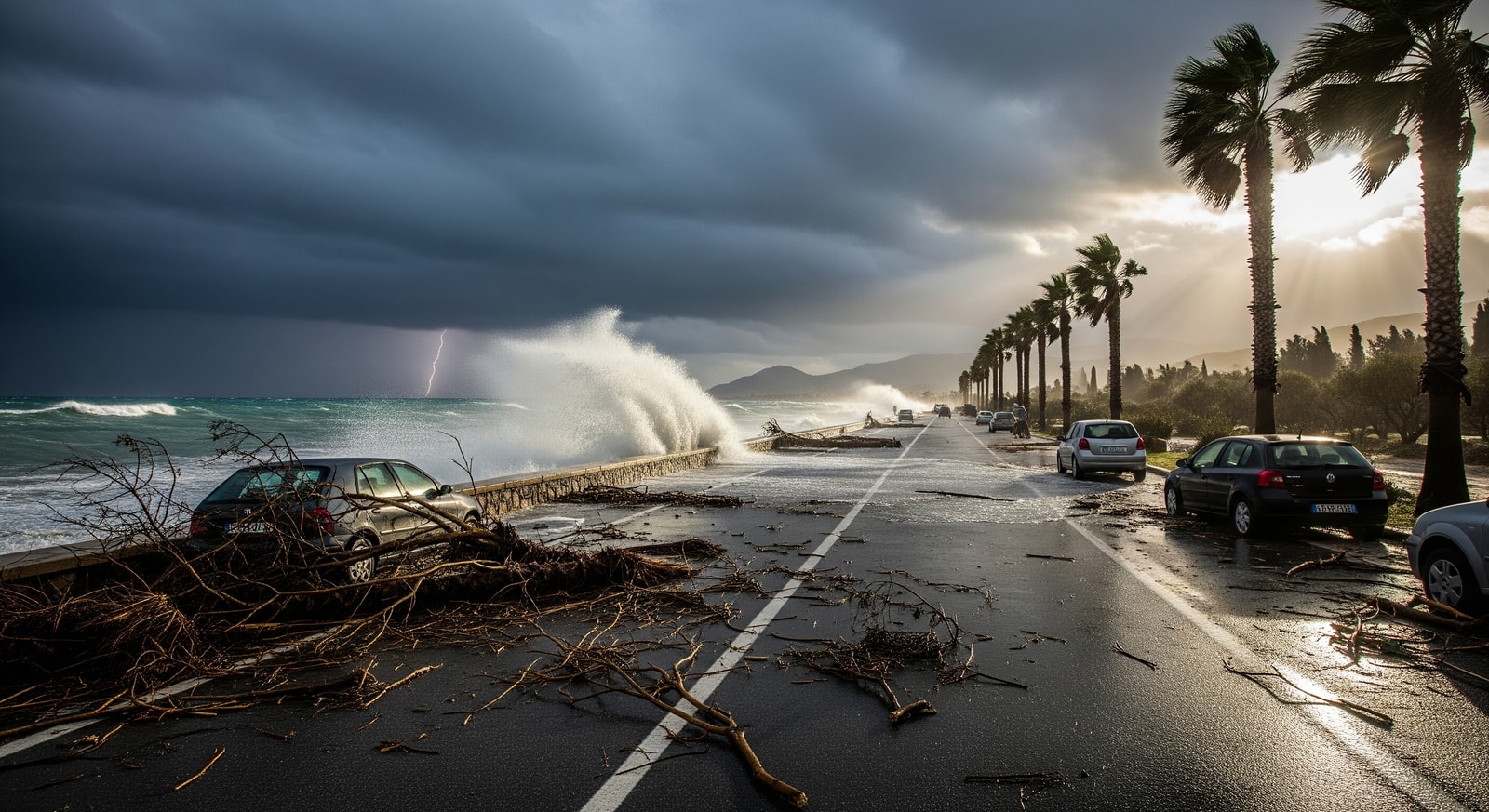
On Kefalonia, flooding has led to warnings about unsafe conditions in some areas. Travelers planning to visit well-known sites such as Myrtos Beach, Melissani Cave, and the island’s wineries are being advised to reconsider plans while conditions remain hazardous. Flooding has also disrupted transport in key areas, making it harder to reach popular locations.
Local response: emergency services and business adjustments
Authorities’ rapid response has helped reduce risks for residents and visitors, but disruptions are expected to continue for the next few days. Local businesses are also adapting, aiming to support travelers and resume normal operations once weather improves.
In Corfu, hotels and accommodation providers in unaffected areas are still receiving guests, while some have adjusted services during the storm. Restaurants and cafes continue operating, with many offering indoor seating for visitors seeking shelter from the weather.
In Kefalonia, tourism operators are working on alternative arrangements for visitors who remain on the island. The report notes that some providers are offering rescheduled tours and flexible booking options. While outdoor activities such as boat tours and hiking may be temporarily unavailable, indoor cultural options—including museums and historical sites—remain available.
What travelers should do during the weather disruption
- Monitor local weather reports and official updates as conditions change.
- Follow safety guidance from Civil Protection and local authorities.
- Contact hotels, tour operators, and transport providers to confirm changes and discuss flexible options.
- Avoid travel to flooded areas or roads blocked by debris, and reconsider outdoor excursions until conditions improve.
Looking ahead: resilience as Ionian Islands tourism grows
The report frames the storm as a reminder that fast-growing destinations also need readiness for sudden weather events. Corfu and Kefalonia have been attracting more visitors for both peak-season and off-season travel, creating opportunities for local businesses while increasing the importance of resilience planning.
For travelers, the immediate takeaway is practical: short-term itinerary changes may be necessary, and access to certain attractions may remain limited until roads are cleared and floodwaters recede. Staying in close contact with travel providers and keeping up with forecasts can help reduce disruption and support safer decision-making while the weather system persists.
Sources