India domestic ticket prices could increase from April 2026 as capacity constraints after IndiGo’s December 2025 operational crisis push fares higher for the summer schedule.
Summary: India domestic ticket prices may rise when the April 2026 summer schedule begins, as lingering capacity shortfalls from IndiGo’s December 2025 operational disruption tighten seat availability despite earlier government fare caps and consumer protections.
India's Civil Aviation Ministry and the Directorate General of Civil Aviation (DGCA) have warned that India domestic ticket prices could climb from April 2026 as airlines contend with reduced capacity after the major IndiGo flight disruption in December 2025. Authorities say the market is still adjusting following emergency regulatory measures taken during the crisis.
Government response during the crisis
During the December 2025 operational meltdown at IndiGo, the government intervened to protect passengers. Regulators imposed temporary airfare caps based on distance bands, mandated refunds, waived rescheduling fees and required improved baggage handling and passenger support. These measures were applied automatically across domestic carriers while the market stabilised.
Why prices may rise in April 2026
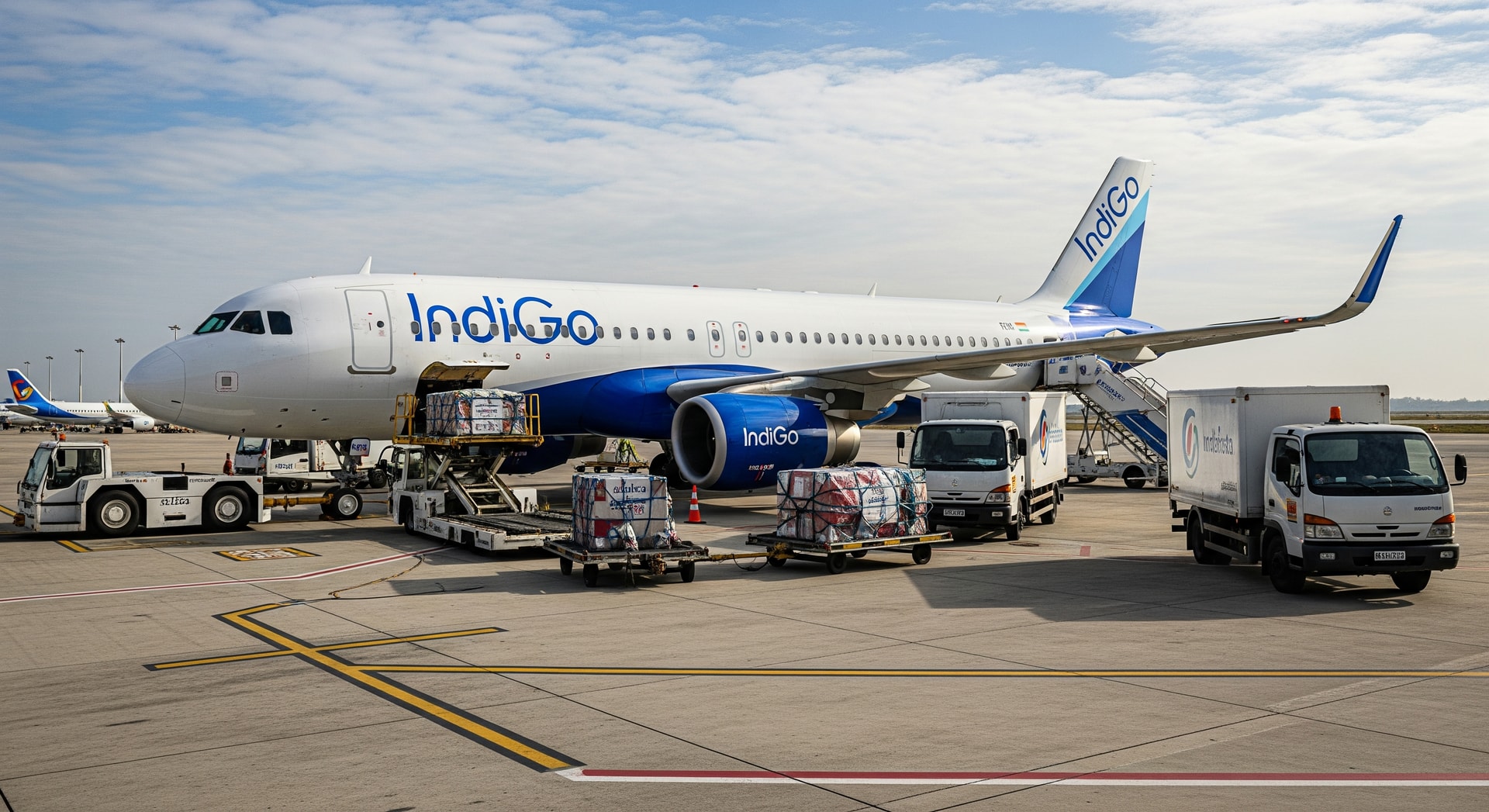
Aviation analytics and official indicators now point to possible downstream effects from the disruption. Industry reports referenced by the Civil Aviation Ministry and DGCA suggest IndiGo’s domestic capacity for April 2026 could be around 2 per cent lower than in April 2025, driven by cancellations and an operational reset. Because India’s domestic network relies heavily on IndiGo’s market share, even a small fall in seats could tighten supply on key routes and push average fares upward during the summer schedule.
- Projected capacity change: IndiGo domestic capacity for April 2026 may be ~2% below April 2025
- Regulatory action taken: Temporary airfare caps set by distance bands
- Consumer protections: Refunds, waived rescheduling fees, improved baggage support
What travellers should expect for the April schedule
If capacity remains constrained into April, travellers could face higher ticket prices, especially during peak summer travel and festival periods. Scarcity on busy routes may limit low‑fare options, prompting passengers to book earlier, consider alternate carriers or travel dates, and use fare alerts to monitor price movement.
Government push to bolster competition
Officials say the episode accelerated efforts to diversify the domestic market, including steps to encourage new carriers and expand competition. The ministry views increased competition as a long‑term response to capacity concentration risks and a way to moderate fare pressure over time.
- Book early to secure lower fares
- Monitor official Civil Aviation and DGCA updates for schedule changes
- Consider alternative carriers or travel dates to avoid peak pricing
- Use fare alert tools to catch fluctuations in real time
Public messaging and oversight
Government communications have emphasised fair pricing, passenger protection and aviation safety while cautioning that transitioning from emergency controls to a stable market will be gradual. Authorities note that though fare caps curbed volatility in the short term, structural network adjustments could affect pricing into the next schedule cycle.
Industry implications and outlook
The immediate effect may be higher fares for some travellers in April 2026, but the episode could also accelerate regulatory and market changes intended to increase resilience. Expanding competition and restoring full schedule reliability will be crucial to easing price pressure over the medium term.
Conclusion — Why this matters: So what? For passengers, the forecast means planning and vigilance: book earlier, track schedules and be ready to switch carriers or dates if prices surge. For the industry, lingering capacity effects highlight the risk of concentrated market share and the need for policy action to diversify supply and protect consumers as India’s aviation market recovers.
Sources