Mardi Gras season is once again delivering a major tourism boost across the US Gulf Coast, bringing millions in visitor spending to New Orleans, Mobile and Pensacola.
Summary: Mardi Gras season continues to be a major economic engine for the Gulf Coast. In 2025 New Orleans saw nearly $900 million in local spending tied to the celebration, while Mobile and Pensacola experienced large attendance spikes. Hotels, short-term rentals and experiential tourism have surged, even as cities invest in public safety, sanitation and sustainability measures.
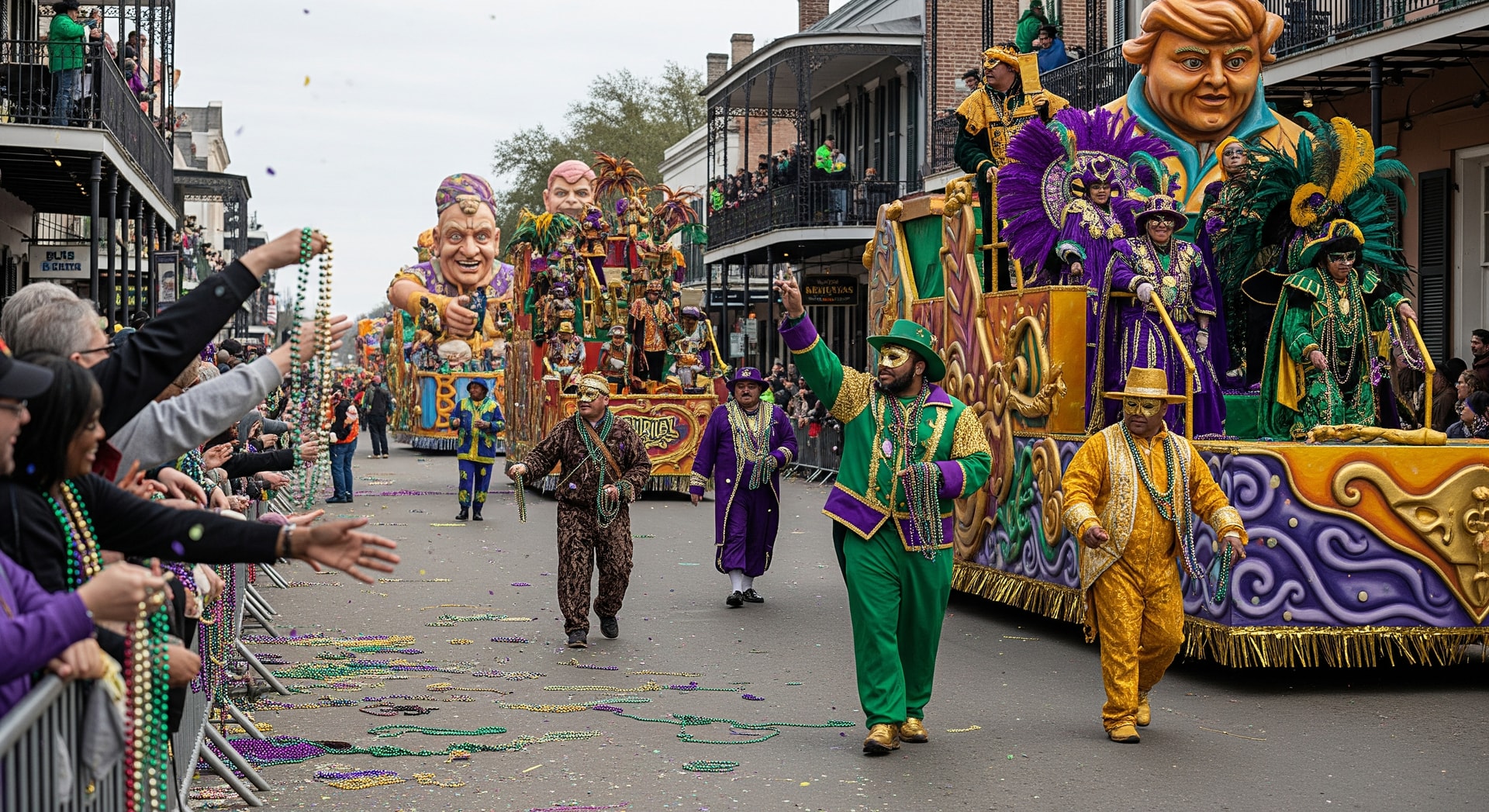
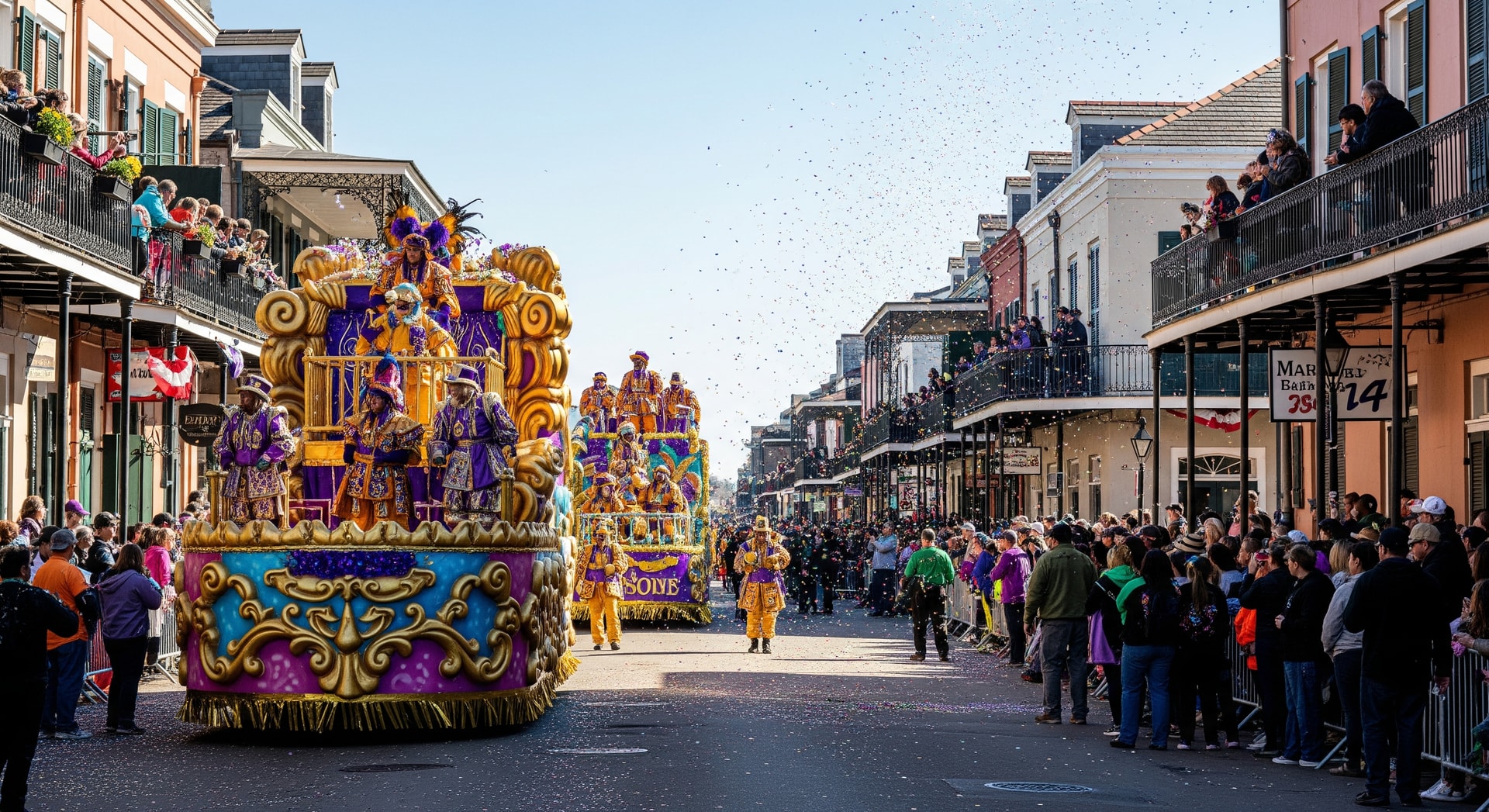
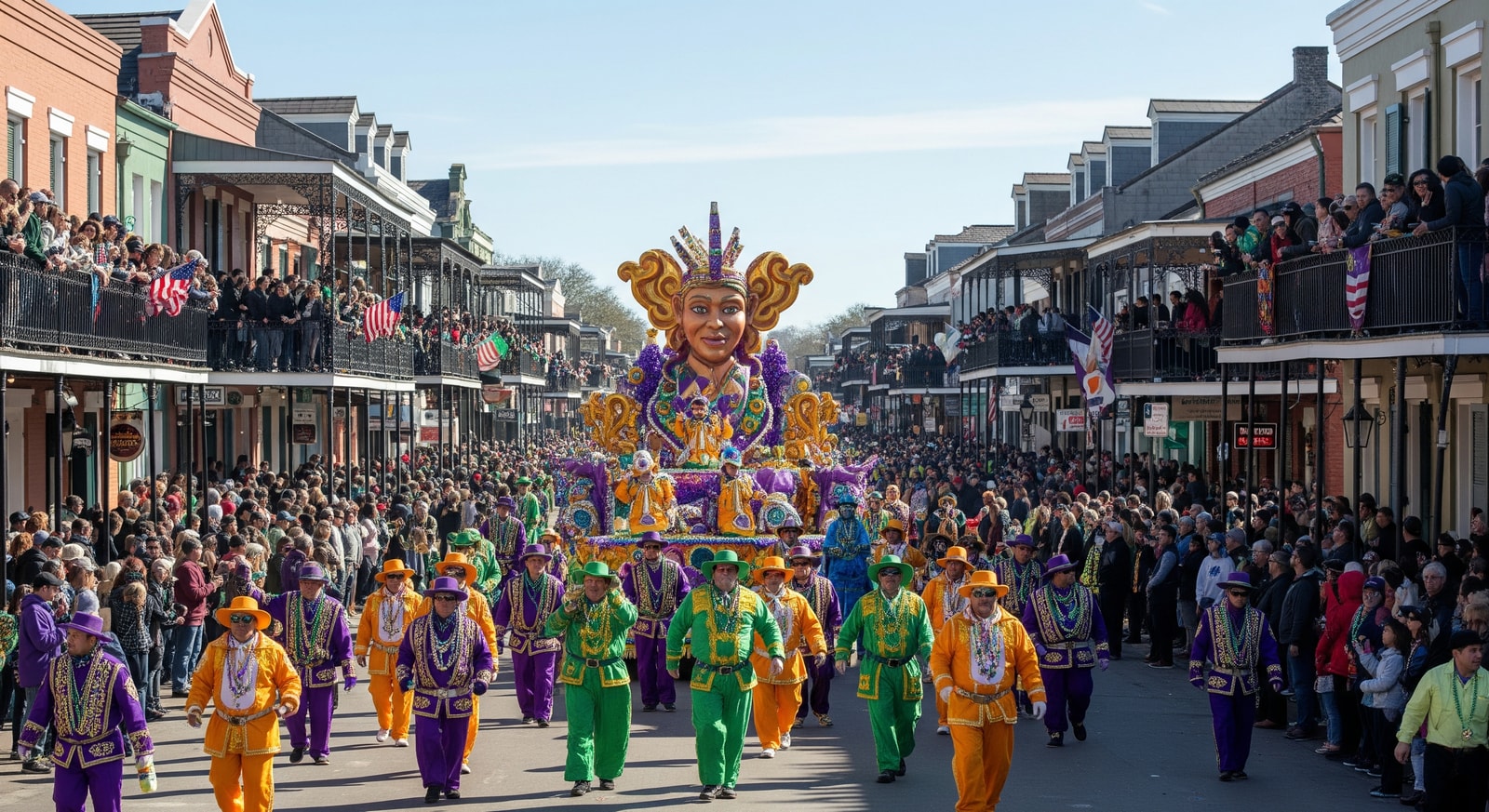
Mardi Gras is again proving to be a powerful driver of tourism across the US Gulf Coast, drawing international and domestic visitors to the season’s parades and cultural events. The festivities, which begin on January 6 and culminate on Fat Tuesday, February 17, are generating substantial visitor spending and lifting demand for accommodation, dining and local experiences in cities from New Orleans to Mobile and Pensacola.
Mardi Gras Season and Regional Reach
While New Orleans remains the focal point for Mardi Gras, neighboring Gulf Coast cities are also seeing strong visitor inflows. The season’s parades, festivals and public events attract people to multiple destinations along the coast, spreading economic benefits beyond a single city and creating a broader regional boost to tourism-related businesses.
Economic Impact: Nearly $900 Million in New Orleans (2025)
The economic influence of Mardi Gras is significant. In 2025 New Orleans recorded nearly $900 million in local spending directly associated with parades, visitor activity and tourism services. That spending equated to roughly 3.07% of the city’s overall economic output, and local officials calculate that each dollar invested by the city into Mardi Gras initiatives returned $2.64 in tourism revenue.
- New Orleans: Nearly $900 million in local spending tied to Mardi Gras in 2025
- Mobile, Alabama: More than 236,000 attendees at 2025 celebrations
- Pensacola, Florida: Crowds regularly approaching 100,000 during peak events
Hotel and Rental Demand Skyrockets
Mardi Gras season consistently pushes accommodation demand well above typical winter levels. Between February 28 and March 4, 2025, downtown New Orleans and the French Quarter averaged 87% hotel occupancy, with some nights nearing 95%. Short-term rentals also saw heightened bookings as visitors sought private options for immersive, group-focused stays.
Infrastructure, Safety and Sanitation Pressures
The influx of attendees brings logistical challenges. Cities are balancing open-access events with public safety needs by installing barriers along parade routes, expanding police presence and deploying new crowd-management tools. Sanitation services face higher volumes of waste, and initiatives like Recycle Dat have been introduced to provide recycling drop points and collect reusable Mardi Gras throws as part of broader sustainability efforts.
The Rise of Experiential Tourism
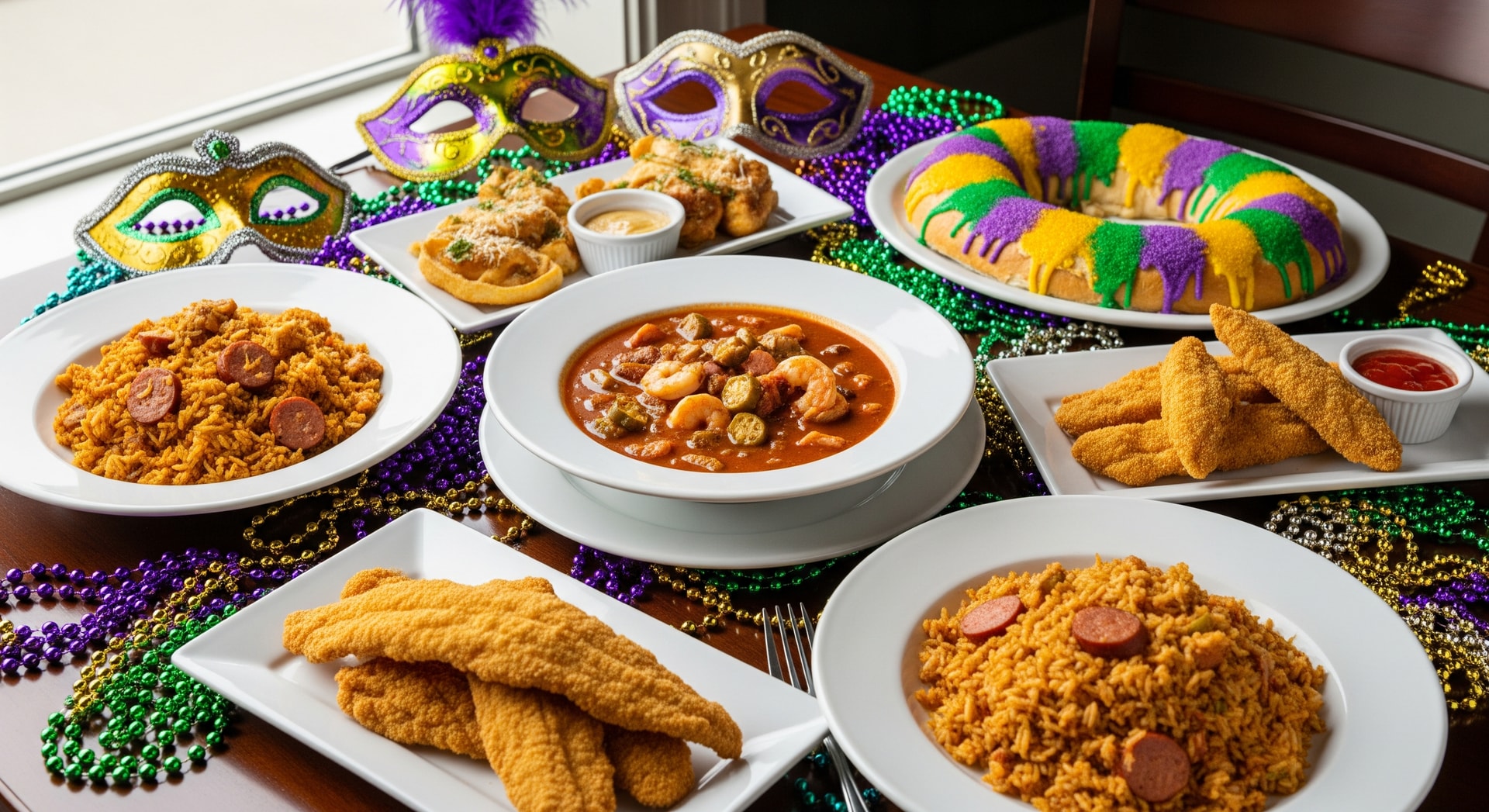
Beyond watching floats, visitors increasingly seek hands-on cultural experiences. Demand is growing for activities such as local food and music tours, interactive art installations and culinary classes focused on Creole and Cajun traditions. This shift toward experiential tourism is attracting younger travelers and extending stays beyond single-day parade attendance.
Long-Term Benefits and Replicable Models
Mardi Gras delivers immediate revenue to hotels, restaurants, retail and transport providers while supporting a broader case for year-round visitation. Cities such as Mobile and Pensacola are adopting elements of New Orleans’ approach—combining cultural heritage with tourism infrastructure and public-private partnerships—to maximize economic gain while protecting community values and environmental goals.
- Align tourism strategy with community and sustainability priorities
- Invest in crowd management and sanitation to protect visitor experience
- Develop experiential offerings to diversify visitor spending
Why this matters: For travelers, Mardi Gras means richer cultural programming and more options for immersive experiences—but also busier hotels and elevated prices during peak dates. For the tourism industry, the season reinforces the value of investing in safety, infrastructure and sustainable practices to ensure that the economic benefits of Mardi Gras can be sustained and shared across Gulf Coast communities.
Sources