Greece has launched an online booking portal that lets visitors reserve tickets in advance for over 100 archaeological sites and museums, reducing queues at landmarks like the Acropolis.
Summary: Greece has introduced a national online booking portal so visitors can reserve entrance to more than 100 archaeological sites and museums, including the Acropolis, aiming to cut queues and better manage visitor flow.
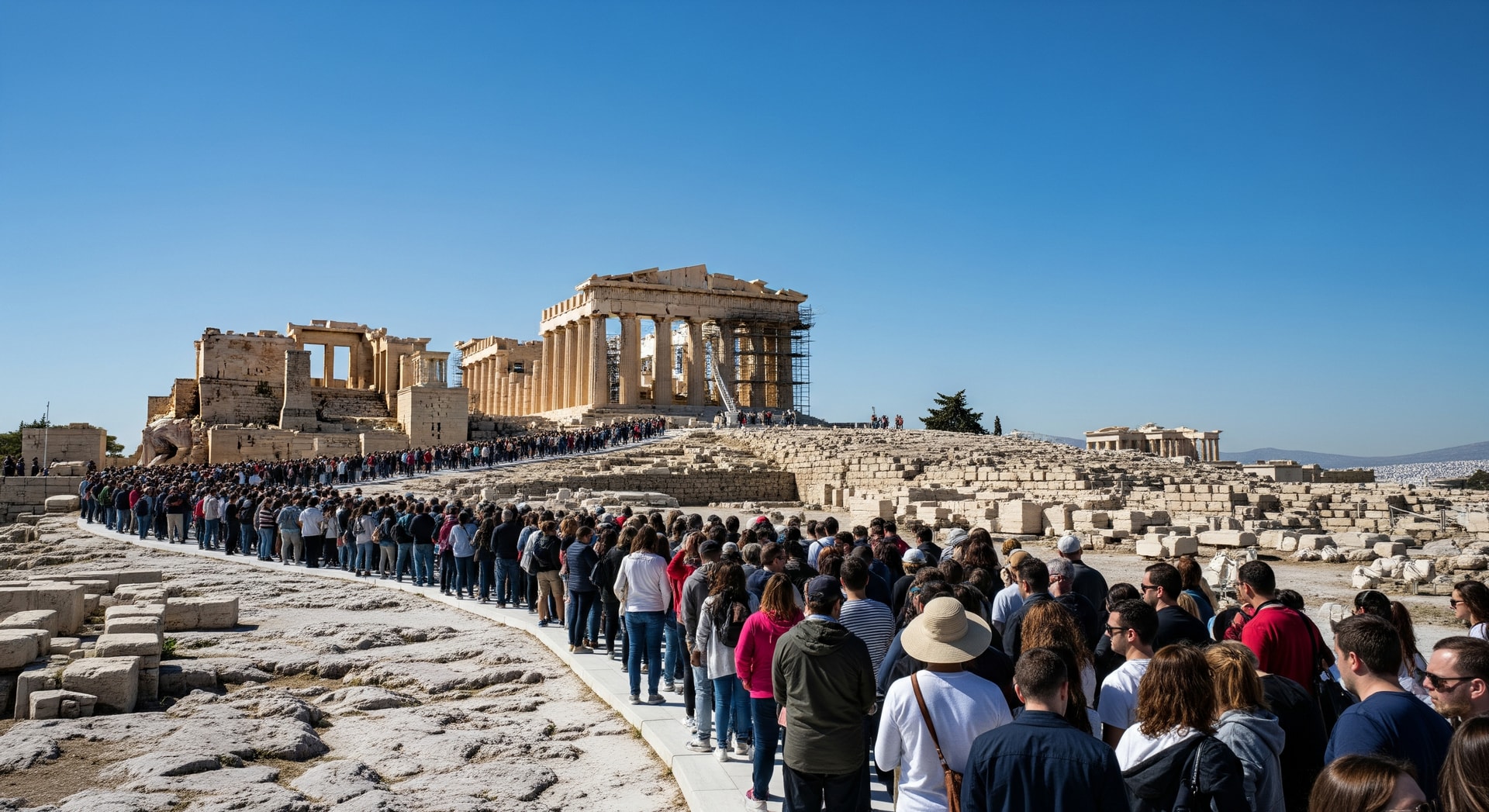
Greece’s Ministry of Culture has rolled out a new online booking portal that allows tourists to purchase or reserve tickets ahead of time for over 100 archaeological sites and museums, including the Acropolis in Athens. The online booking portal is intended to reduce the lengthy queues that have become common at the country’s most visited landmarks and to improve the overall visitor experience.
Addressing long queues at major attractions
Greece is home to internationally renowned archaeological sites that attract millions each year. High visitor numbers at places such as the Acropolis, the Temple of Olympian Zeus, the archaeological sanctuary of Delphi and Knossos on Crete have frequently produced long waits, especially during peak travel months. The new portal aims to smooth visitor flow so travellers spend less time in line and more time exploring the monuments.
More than 100 sites and museums covered
At launch the portal includes access to over 100 archaeological sites and museums across Greece. The rollout specifically highlights high-profile locations while also incorporating smaller but significant cultural attractions, enabling a more even distribution of visitors across the country’s heritage network.
- Acropolis (Athens)
- Temple of Olympian Zeus (Athens)
- Delphi archaeological site
- Knossos (Crete)
Benefits for visitors and site management
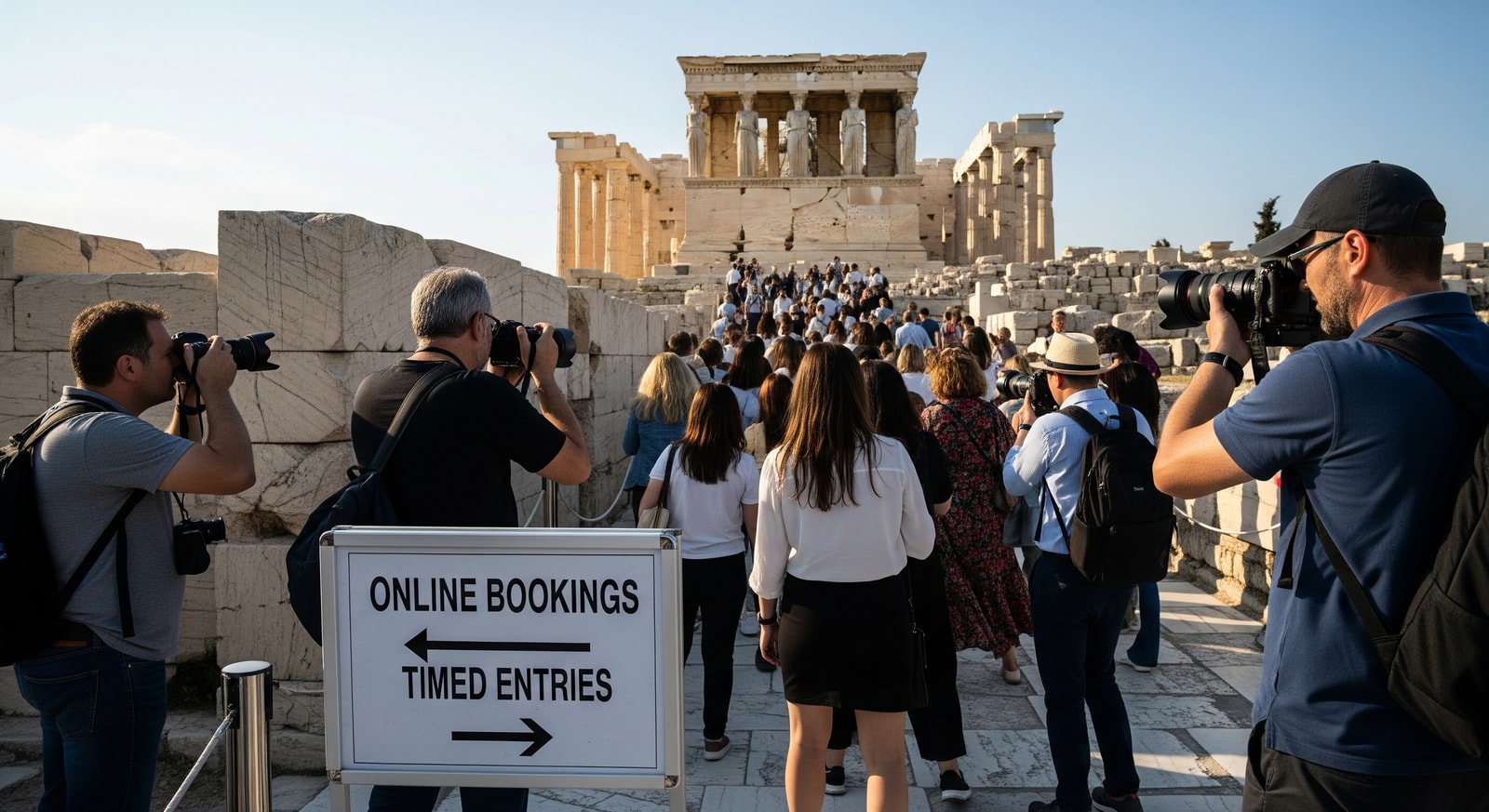
For travellers the portal offers the convenience of planning visits in advance and securing timed entry during busy periods. For site managers and the Ministry of Culture, the system provides tools to manage daily capacities, reduce overcrowding and limit pressure on sensitive archaeological fabric.
By controlling the flow of visitors, the portal is expected to protect fragile remains, support conservation efforts and create a quieter, more contemplative experience for those exploring Greece’s cultural heritage.
Economic and operational advantages
Officials expect the portal to boost visitor satisfaction and, in turn, Greece’s appeal as a cultural destination. A smoother on-site experience may encourage longer stays, repeat visits and positive word-of-mouth, which can support wider tourism recovery and growth while stimulating digital tourism services.
Planned enhancements and future features
The government has indicated the portal will expand over time to cover additional landmarks, with potential future upgrades such as personalized itineraries, mobile access and integration with transport and accommodation booking services. These enhancements aim to make the system more useful for both travellers and local operators.
What this means for travellers
For visitors planning a trip to Greece, the portal offers a practical way to avoid long waits and ensure access to top attractions, particularly in summer. Booking ahead will be especially useful for travellers on tight schedules or those visiting during peak season.
So what? The online booking portal represents a step toward modernising Greece’s tourism infrastructure: it improves the on-site experience, helps safeguard fragile archaeological remains, and lays groundwork for more connected digital tourism services — benefits that matter to visitors, operators and preservationists alike.
Sources