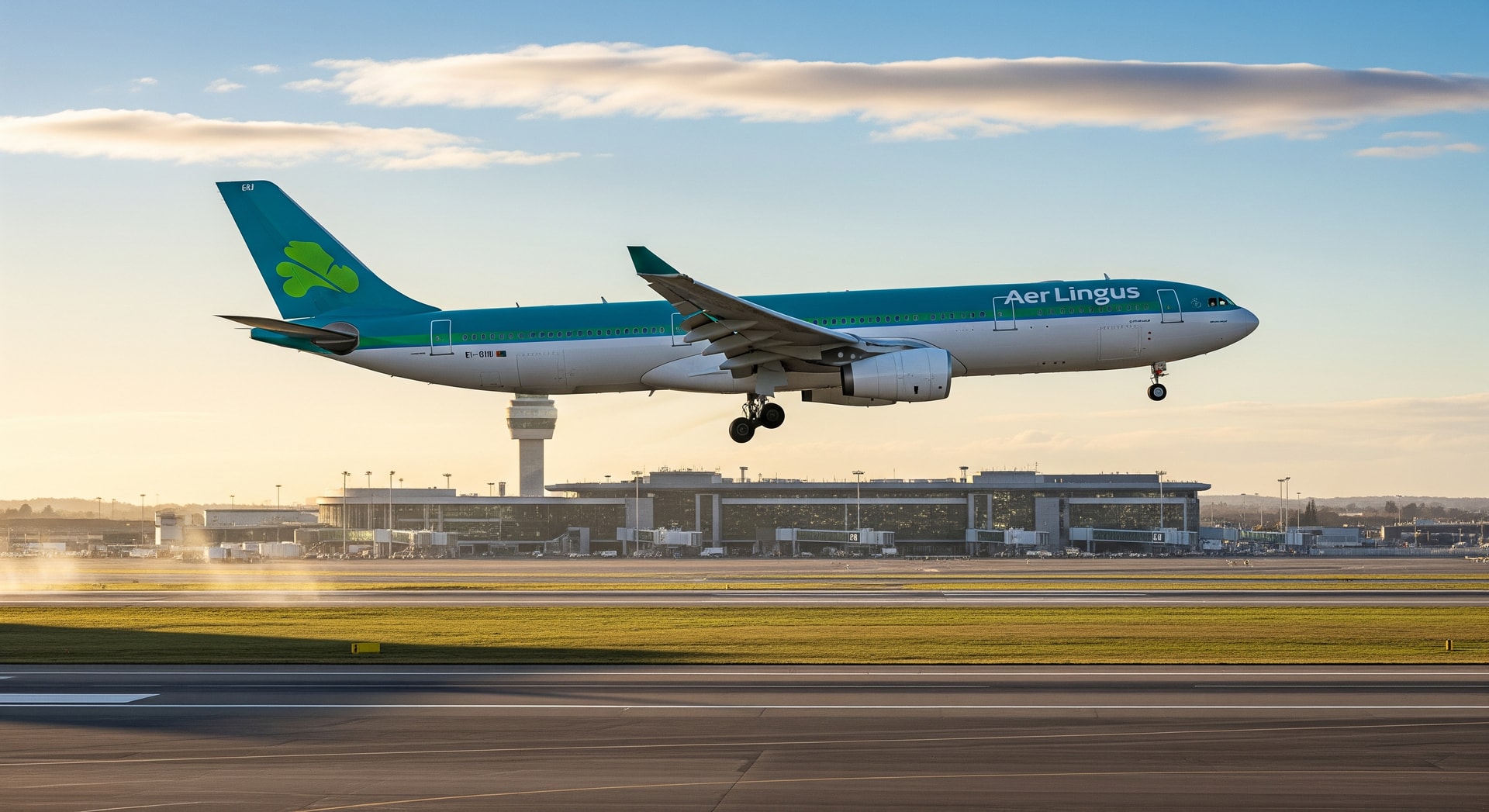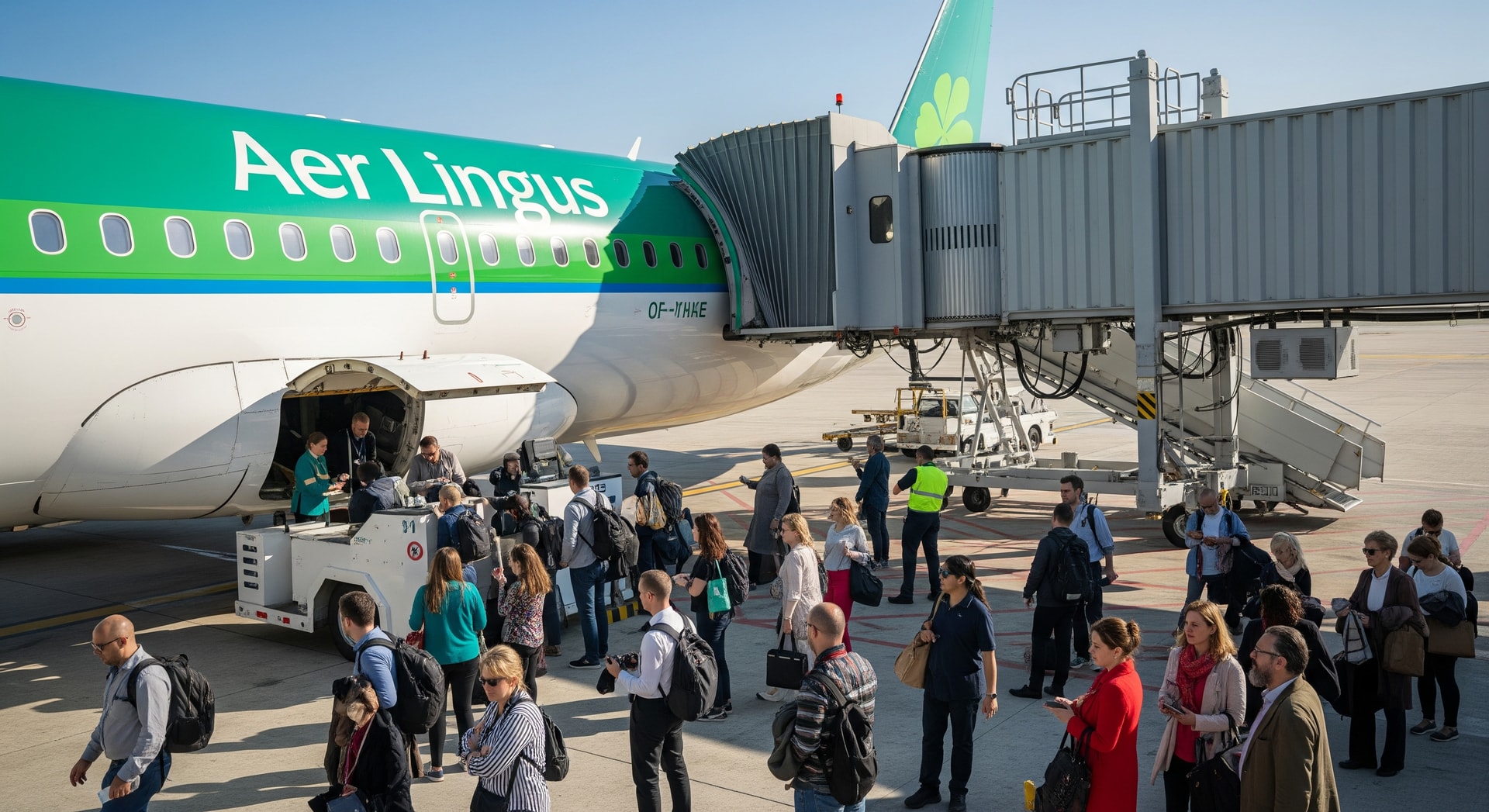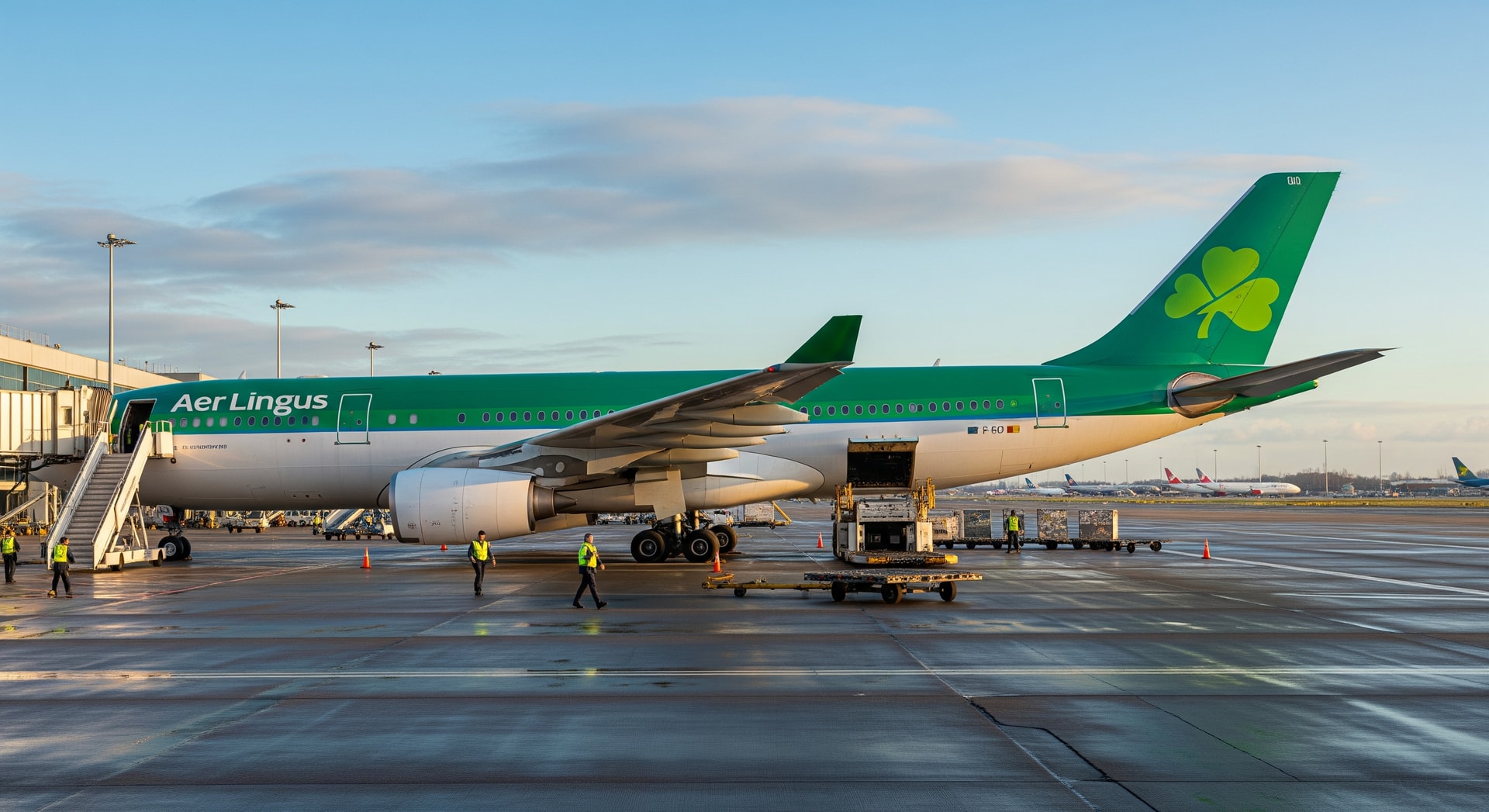
Aer Lingus travel rule: from February 25, 2026, Aer Lingus will require a valid passport or Irish passport card for flights between the Republic of Ireland and the United Kingdom.
Summary: Aer Lingus travel rule — from 25 February 2026, all passengers on Aer Lingus and Aer Lingus Regional services between the Republic of Ireland and the UK must present a valid passport or an Irish passport card; alternative ID such as driver’s licences and birth certificates will no longer be accepted on these routes.
Aer Lingus has announced a new travel requirement that takes effect on February 25, 2026: the airline will require passengers on flights between the Republic of Ireland and the United Kingdom to show a valid passport or an Irish passport card. The Aer Lingus travel rule ends the previous practice of accepting alternative identity documents such as birth certificates or driver’s licences for these cross-border services.
What changes for passengers?
From the specified date, everyone flying on Aer Lingus and Aer Lingus Regional routes that cross the Ireland–UK border must present either a passport or an Irish passport card at the airport. This rule covers both Irish and British nationals travelling between cities such as Dublin and London, Dublin and Belfast, or Dublin and Edinburgh, and applies to onward connections on the same routes.
- Effective date: February 25, 2026
- Required documents: valid passport or Irish passport card
- Previously accepted IDs no longer valid on these international routes
Reason behind the update
Aer Lingus says the move aligns its procedures with evolving standards for cross‑border travel and border control. Standardising the accepted travel documents helps the airline maintain consistent operations and supports broader efforts to use universally recognised, secure identity documents that ease processing and compliance at international checkpoints.
Domestic routes are not affected
The policy change is limited to routes that cross the international border between the Republic of Ireland and the United Kingdom. Flights that remain within Northern Ireland or within the Republic of Ireland are exempt. Travellers on domestic services — for example, Belfast to other UK destinations or Dublin to Donegal — may continue to use the previously permitted forms of identification.
- Exempt: domestic flights within Northern Ireland
- Exempt: domestic flights within the Republic of Ireland
- Applies: international services connecting the Republic of Ireland with the UK
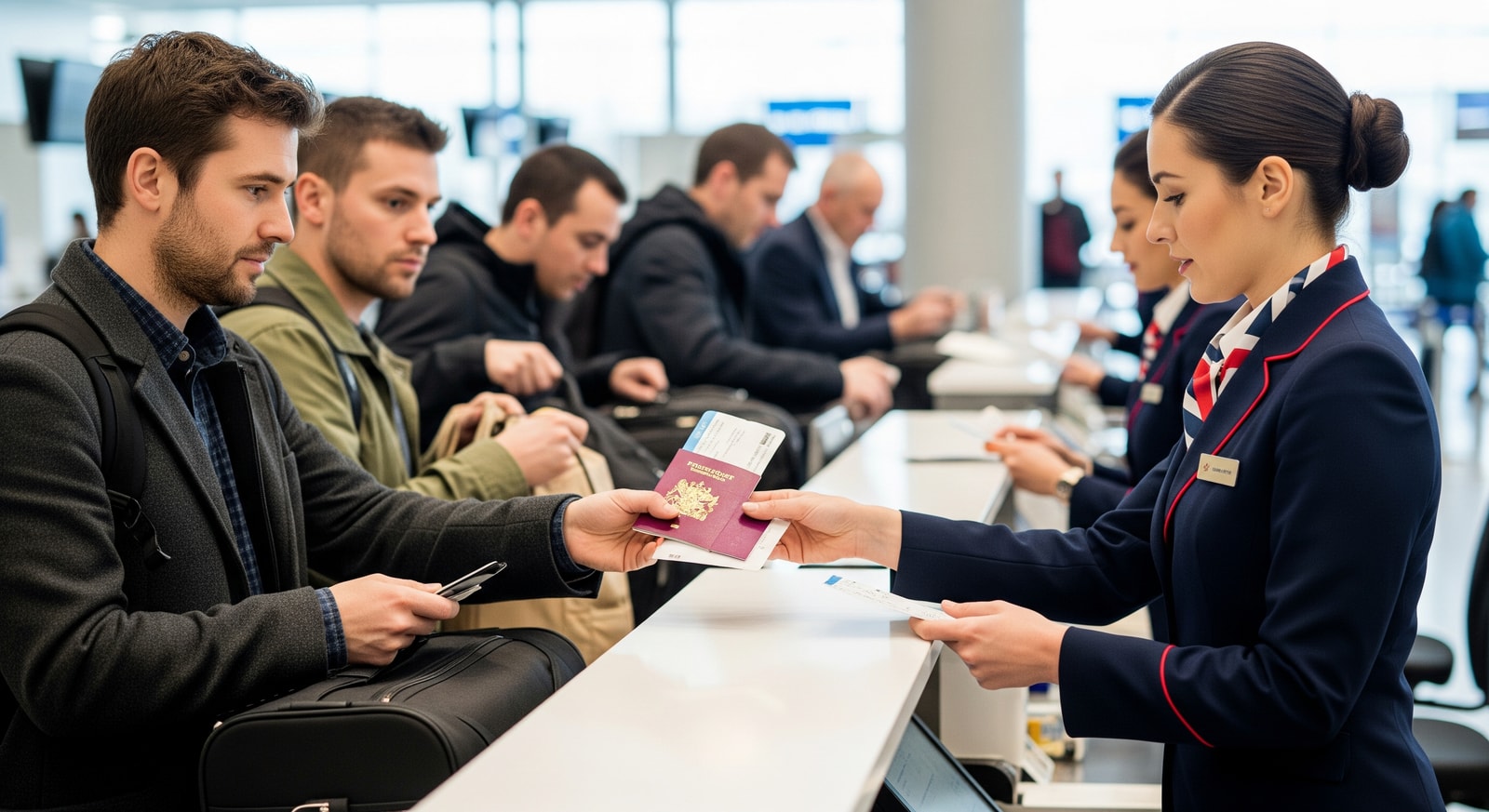
Practical advice for travellers
If you plan to travel between Ireland and the UK on Aer Lingus after February 25, check that your passport or Irish passport card is valid for your trip. Travellers who do not yet hold one of these documents should begin the application process as soon as possible, since passport processing times can be lengthy, especially during peak seasons.
- Verify passport expiry and renew if needed
- Apply for an Irish passport card if eligible
- Check Aer Lingus' official travel updates before departure
Broader implications for tourism and travel
For tourists and business travellers, the rule simplifies the documentation landscape on international routes by making passports the standard accepted ID. While some passengers used to rely on local ID options, the change may require additional preparation. The airline notes that the Common Travel Area between the UK and Ireland remains in place, so UK nationals do not need a UK Electronic Travel Authorisation (ETA) to enter the Republic of Ireland — but they will need a passport to check in for Aer Lingus flights.
Why this matters: Ensuring you have the correct travel document will avoid boarding refusals and missed trips. For the sector, the move signals continued alignment of airlines with international border-control practices, which can streamline security checks but also places more emphasis on passport issuance capacity.
Sources