Sri Lanka's Digital Nomad Visa allows remote workers to live on the island while continuing to work for clients abroad under a one-year renewable permit.
Summary: Sri Lanka has launched a one-year Digital Nomad Visa for remote workers, freelancers and business owners who earn at least USD 2,000 per month. The visa costs USD 500 per person, is renewable annually, and is issued by the Department of Immigration and Emigration.
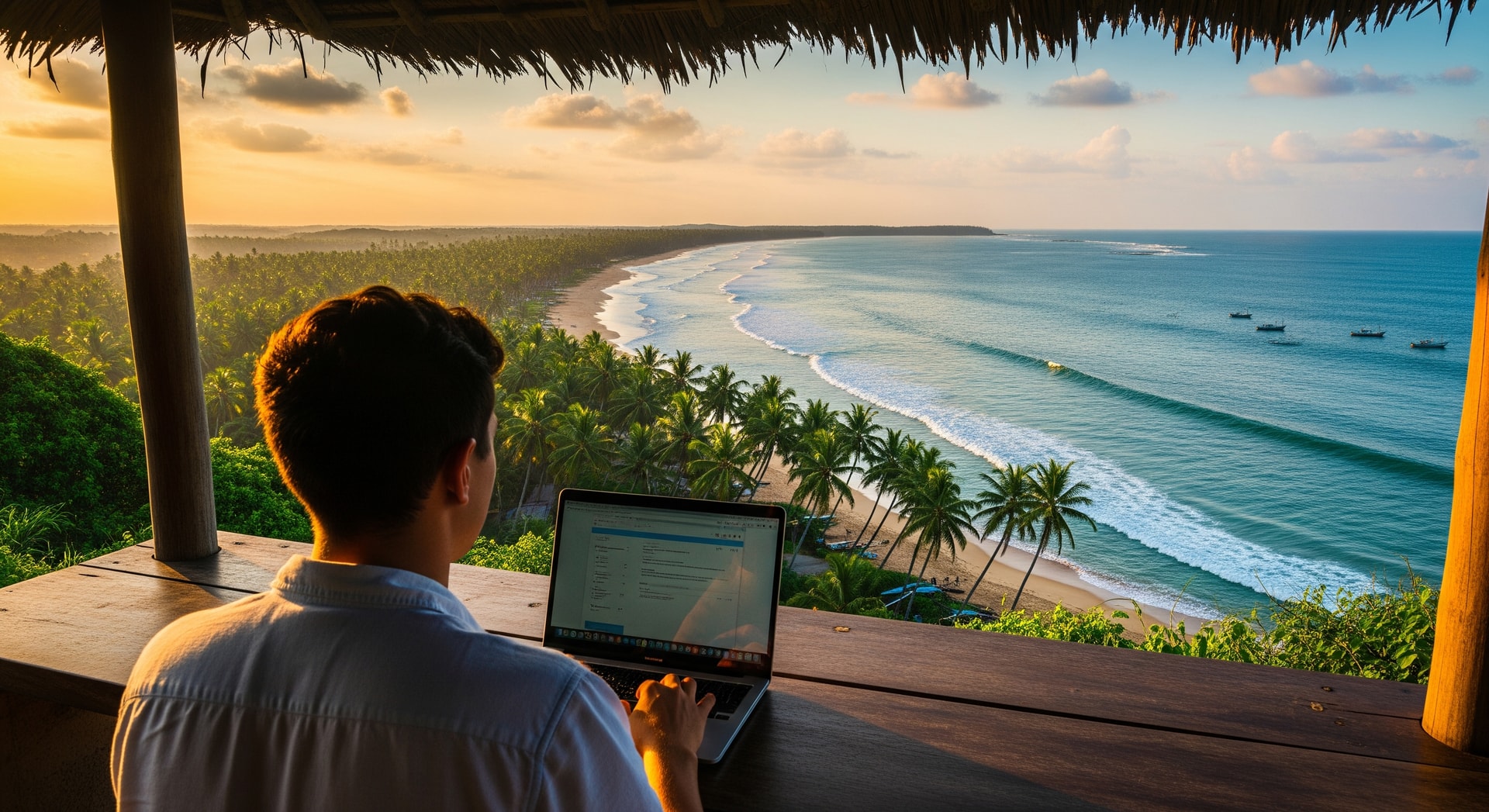
Sri Lanka's Digital Nomad Visa allows remote workers to reside on the island while continuing to provide services to clients or employers based outside Sri Lanka. The new permit is designed to attract freelancers, remote employees and business owners who want to combine work with the island’s beaches, culture and lower living costs.
What is the Digital Nomad Visa?
The visa provides a legal route for foreign professionals to live in Sri Lanka without the need for a local employer or office. It is tailored for people whose work is location-independent and who serve clients or employers outside Sri Lanka, enabling them to enjoy the country’s lifestyle while remaining professionally active overseas.
- Employment status: Must be a remote employee, freelancer, or self-employed professional serving clients exclusively outside Sri Lanka
- Income requirement: Minimum monthly income of USD 2,000
- Age: Main applicant must be at least 18 years old
Eligibility details and income rules
Applicants must demonstrate stable remote income and meet the minimum payment threshold. If the applicant has more than two dependents, the monthly income requirement increases by USD 500 for each additional dependent. These measures are intended to ensure visitors can support themselves and contribute to the local economy through spending.
How to apply: process and approvals
Applications are handled by the Department of Immigration and Emigration and follow a three-step flow: submission of required documents, official evaluation by Sri Lankan authorities, and issuance of a visa endorsement on the passport once approved. The process is intended to be straightforward so applicants can plan their move with minimal disruption.
- Completed Visa Application Form
- Request Letter from the applicant
- Valid passport with at least six months’ validity
- Two recent passport-size photos
- Proof of minimum monthly income (USD 2,000+)
- Recommendation from the Ministry of Digital Economy
- Police Clearance Certificate from home country or country of residence (issued within 3 months)
- Medical Clearance Report and international health insurance covering Sri Lanka
- Family documents: marriage certificate for spouse, birth certificates for dependents
- Completed Security Clearance Form

Fees, validity and renewals
The visa carries an application fee of USD 500 per person, which applies to the main applicant, spouse and any dependents. It is granted for one year and may be renewed annually, allowing remote workers to extend their stay without frequent visa changes.
Key conditions and restrictions
- No local employment: holders may not take paid or unpaid work for Sri Lankan employers
- Reporting: visa holders must inform the Department of Immigration and Emigration within 30 days of any change to employment, income or dependents
- Termination: the visa can be cancelled if minimum income requirements are not met or if the holder engages in disruptive activities
Why Sri Lanka is targeting digital nomads
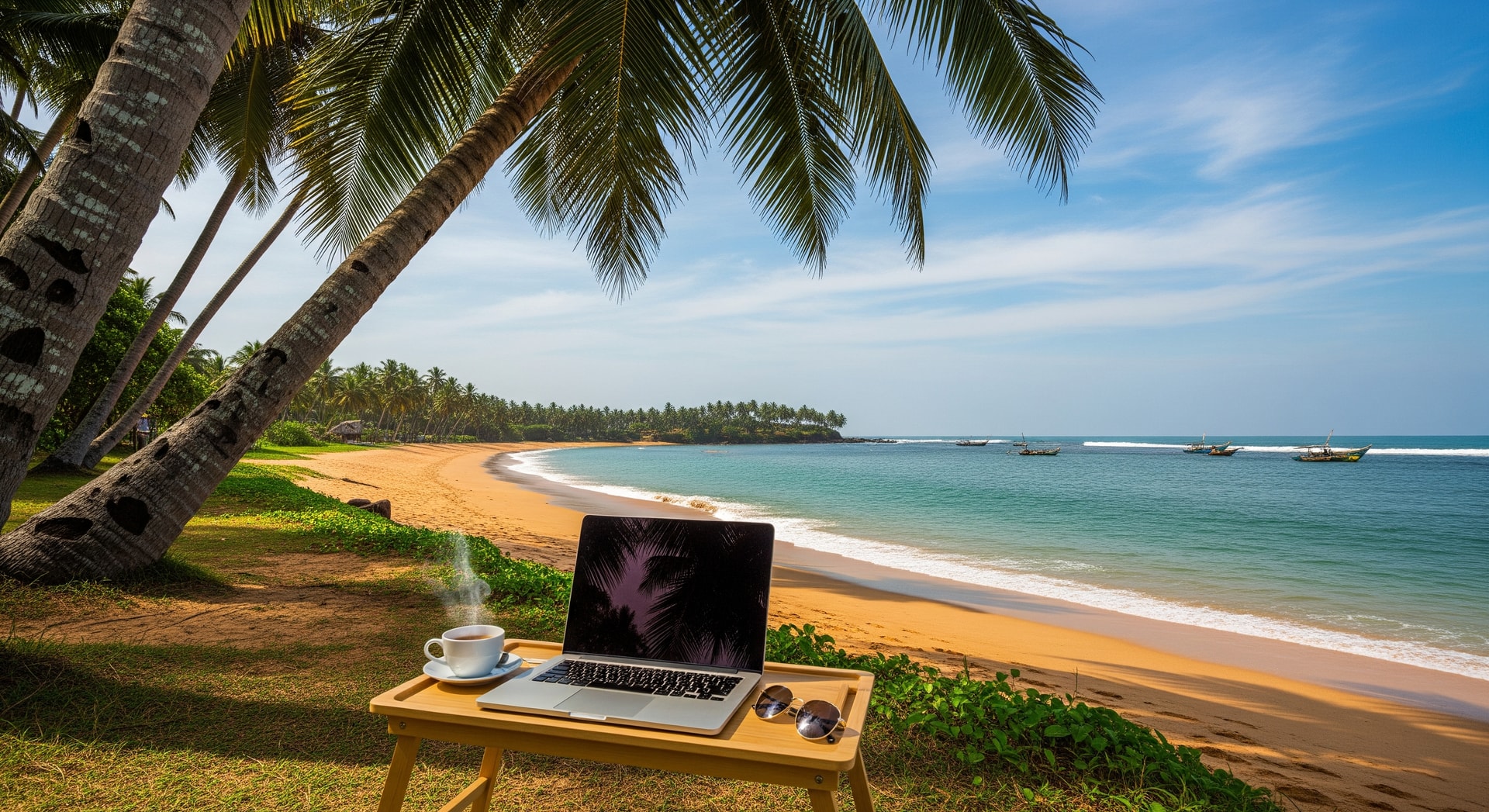
Sri Lanka’s combination of scenic coastlines, cultural attractions and relatively low living costs makes it an appealing alternative to established nomad hubs such as Bali, Chiang Mai or Lisbon. The government hopes the visa will boost tourism receipts and attract longer-term visitors who contribute to the local economy while working remotely.
Why this matters: The Digital Nomad Visa opens Sri Lanka to global remote workers who meet the income and documentation requirements. For travelers and employers it means clearer legal status for people choosing to live in Sri Lanka while working abroad, and for the tourism and digital economy it promises new revenue and skills exchange without displacing local jobs.
Sources