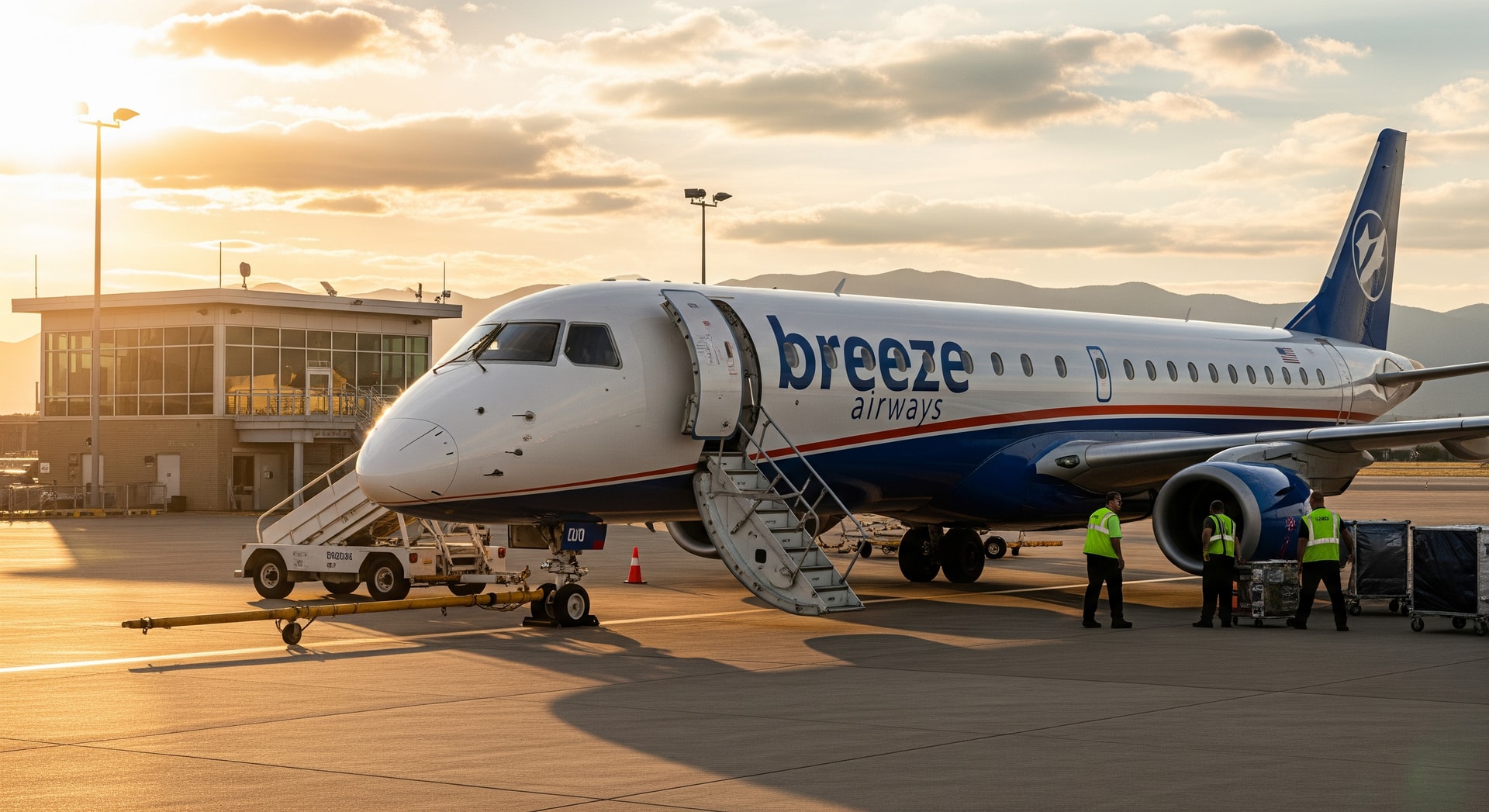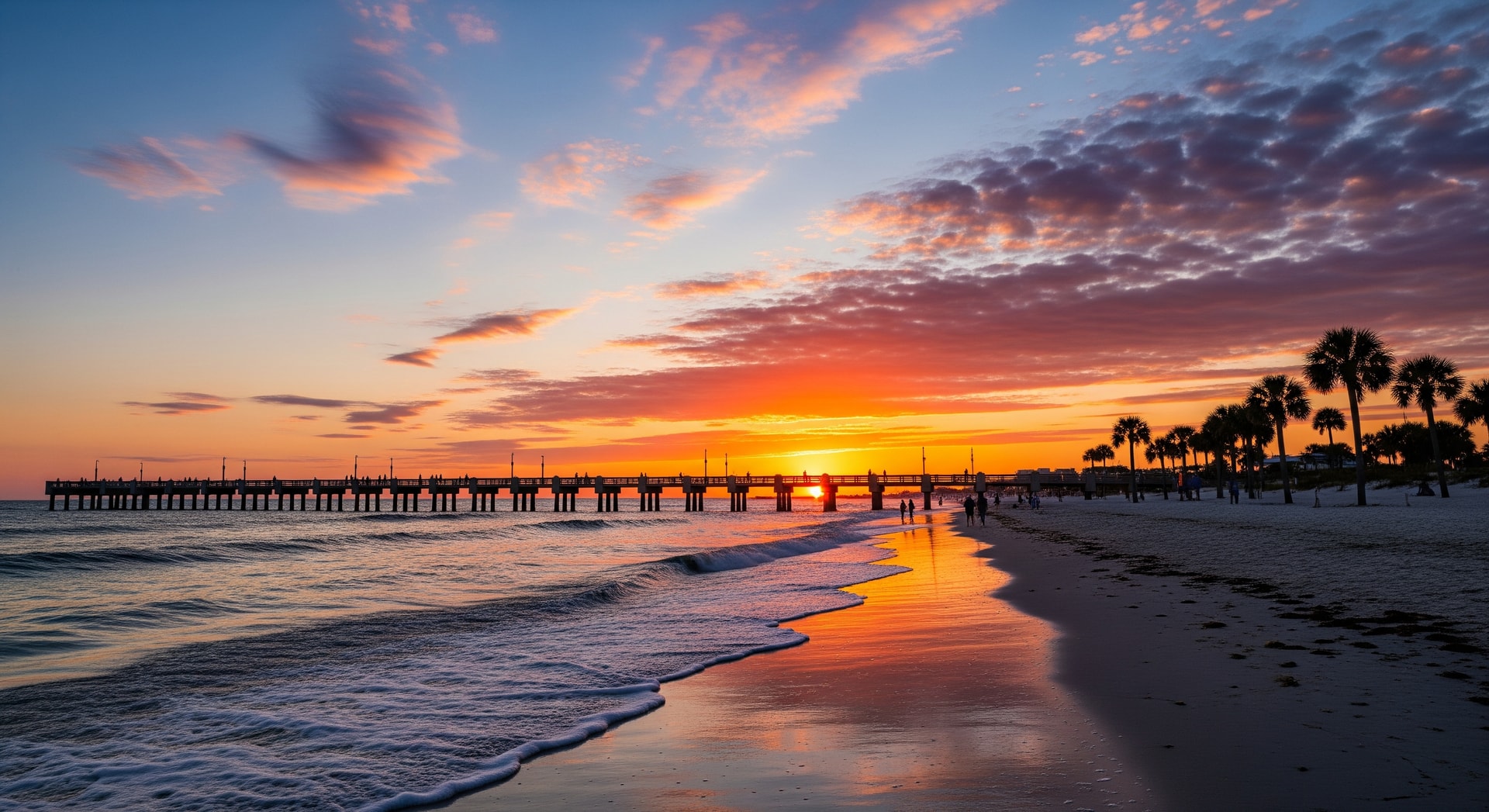
Naples tourism is shifting in 2026 as international arrivals drop, but Collier County's domestic surge is driving record occupancy and higher local revenues.
Summary: Naples tourism is experiencing fewer international visitors in 2026, but Collier County’s overall tourism is rising thanks to a strong domestic drive-market and luxury-focused travellers, keeping local spending and bed-tax revenues high.
Naples tourism is undergoing a notable shift in 2026: international arrivals to the Paradise Coast have declined, yet Collier County’s visitor economy is expanding thanks to a surge of domestic travellers.
International arrivals fall to a 2026 low
Data finalized on February 11, 2026 by the Collier County Tourist Development Council (TDC) show that international visitation to Naples has dropped compared with pre-2025 levels. Local officials attribute the decline to higher airfares, currency fluctuations and longer visa processing times—factors that have discouraged many overseas visitors.
The U.S. Department of Commerce’s National Travel and Tourism Office (NTTO) has noted similar patterns nationally, and the effects are especially visible in premium destinations such as Naples where international guests historically stayed longer and spent more per day.
Domestic demand more than fills the gap
Despite fewer foreign passports, Collier County’s tourism metrics are improving. The region has attracted a large influx of domestic 'drive-market' visitors and short-haul flyers, particularly from the Northeast and Midwest, according to Visit Florida and local tourism leaders.
- Hotels and vacation rentals reported record occupancy for February
- Marketing pivot to affluent domestic travelers helped sustain demand
- Domestic visitors have offset the decline in international length-of-stay
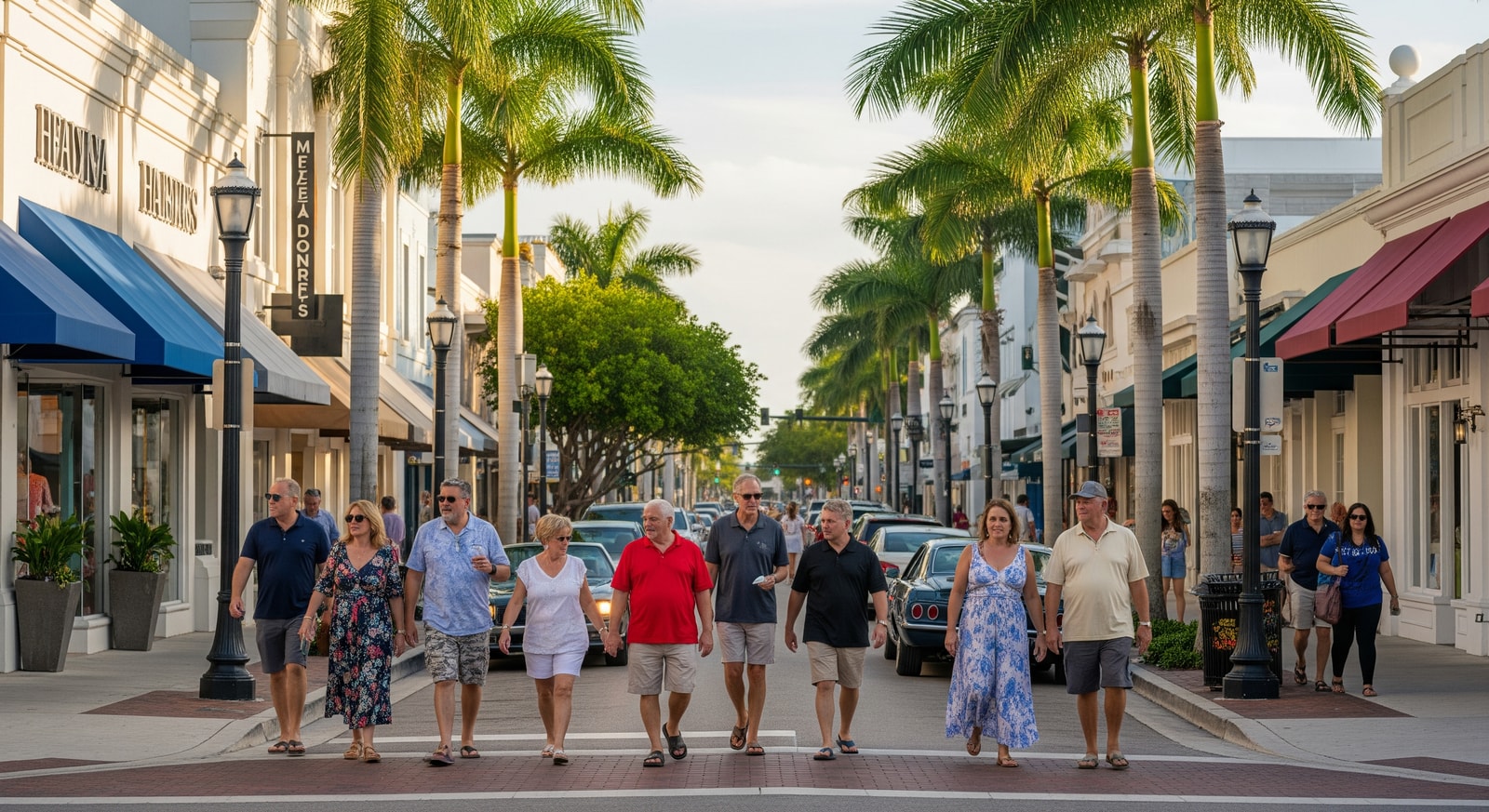
Economic impact: strong revenues despite the shift
Tourism continues to be Collier County’s primary economic engine. The Collier County Bureau of Economic Development reports that the industry contributes over $2.5 billion annually to the local GDP, and the 2026 season is on course to challenge past spending records.
The Florida Department of Revenue indicates that tourist tax collections—the 'bed tax'—are at an all-time high. Local leaders say continued investment in domestic outreach is essential to carry momentum into shoulder seasons.
Trends shaping visitor preferences
Naples has emerged as a center for 'Quiet Luxury'—a travel trend that favors understated, high-quality experiences and nature-based activities over crowded hotspots. Collier County Parks and Recreation notes growing use of trails and preserves.
The Florida Fish and Wildlife Conservation Commission (FWC) reports that eco-tourism is the fastest-growing segment of Florida’s travel market in 2026, a trend that benefits destinations offering both upscale amenities and access to natural areas such as Marco Island and the Everglades.
What this means for travelers and the industry
For visitors, the shift means plenty of availability in high-end accommodations and an emphasis on curated, nature-forward experiences. For local businesses and policymakers, the domestic resurgence provides revenue stability but also underscores the need to maintain long-term international appeal.
So what? While fewer overseas travelers change the visitor mix, Collier County’s successful pivot to affluent domestic markets has kept tourism spending strong, funded critical local projects and reinforced Naples’ reputation as a resilient, premium destination.
Sources