African tourism is shifting toward cultural immersion and conservation-led travel, with Algeria and Angola emerging as standout destinations for 2026.
Summary: African tourism is gravitating toward cultural immersion, conservation-led wildlife experiences and slow, multi-country journeys in 2026. Algeria and Angola stand out as rising destinations thanks to infrastructure upgrades, visa reforms and niche product development.
The African Travel & Tourism Association (ATTA) reports that African tourism in 2026 is increasingly focused on authentic cultural encounters, conservation-centred wildlife experiences and slower, multi-country itineraries. These shifts are attracting more suppliers and international buyers to events such as Experience Africa and Essence of Africa, and are helping lesser-known markets gain visibility.
Cultural and heritage travel emerges as a central driver
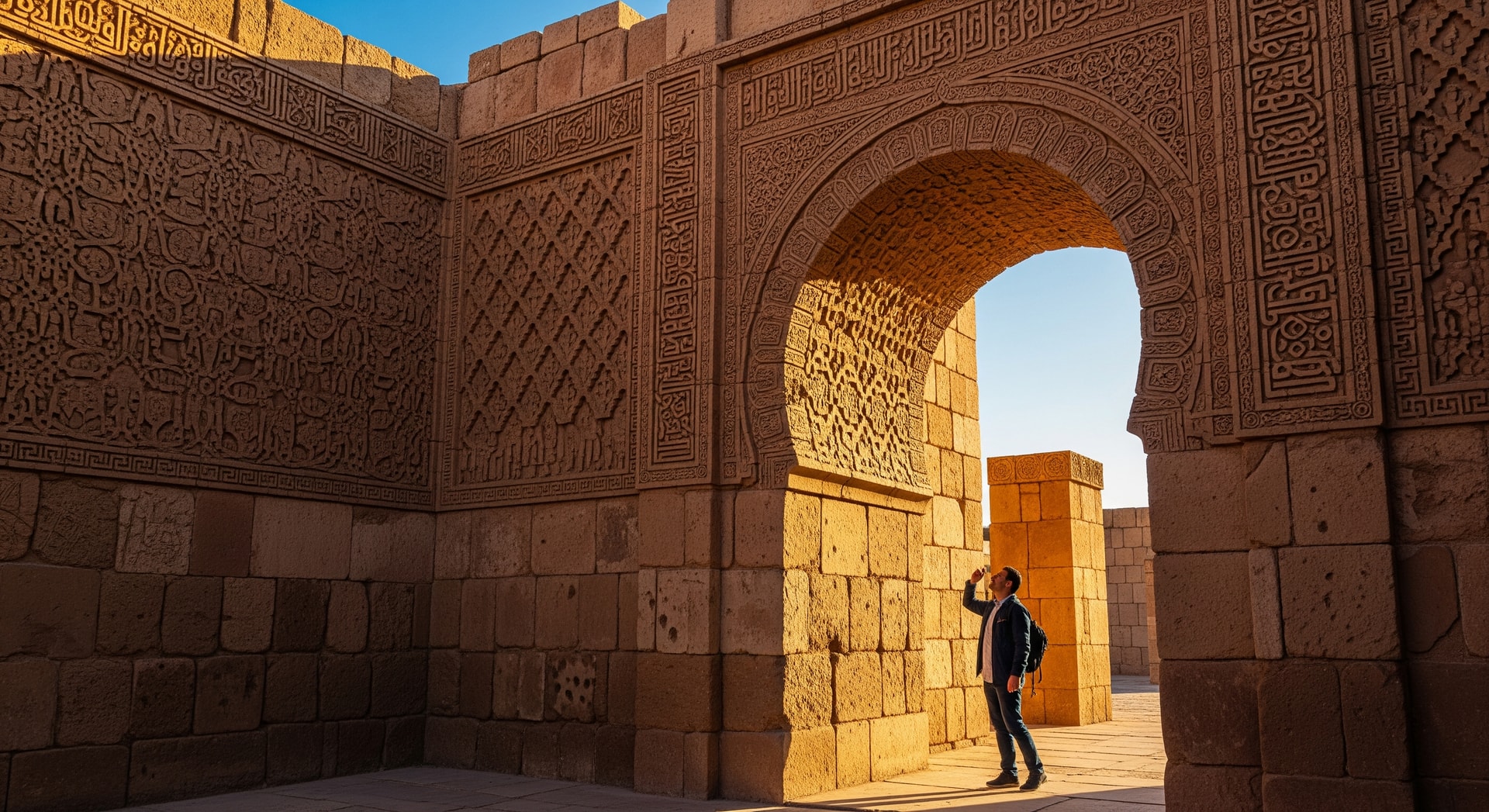
ATTA’s findings highlight North and West Africa as hotspots for culture-led travel. In North Africa, Egypt and Morocco are drawing interest for their deep historical assets and new cultural infrastructure, while West African nations are growing their appeal through ancestry and heritage offerings.
High-profile developments are reinforcing these trends. The opening of the Grand Egyptian Museum in Cairo is expected to increase demand for history-focused itineraries, and Rabat’s designation as UNESCO World Book Capital 2026 has boosted Morocco’s cultural city-break credentials.
- West African heritage travel is growing in Senegal, Sierra Leone, Benin, The Gambia and Guinea-Bissau.
- Some destinations are offering homecoming ceremonies and ancestry-focused services, including pathways tied to DNA-based heritage verification.
- Popular media such as BBC’s Who Do You Think You Are? are encouraging travellers to trace roots and book heritage tours.
Luxury travel is being redefined by sustainability and purpose
The luxury segment in Africa is moving away from pure extravagance toward experiences that prioritise authenticity, conservation and community benefit. New high-end properties are integrating conservation work and local partnerships so guests can actively support wildlife stewardship and cultural projects during their stays.
An example is Namibia’s Nkasa Rupara National Park where conservation-focused lodges are combining wildlife protection with community engagement—appealing to travellers who want their luxury trips to have a positive impact.
Slow travel and multi-country journeys gain momentum
Longer stays and multi-destination routes are becoming more popular as air links improve and new products emerge. Travellers are opting for slower itineraries—self-drive routes between South Africa and Namibia, luxury train services across Morocco, and innovative Nile river cruises are all examples of this shift.
River cruising has expanded beyond the Nile: the Congo River has attracted attention with the arrival of vessels such as the Princesse Ngalessa, offering a fresh way to experience the Congo Basin’s landscapes and communities.
Conservation-focused wildlife tourism is evolving
Safari and wildlife offerings are placing greater emphasis on preservation and rewilding. Celebrations such as Kruger National Park’s centenary in 2026 coincide with reintroduction projects and expansion of protected areas. Conservation-minded experiences are increasingly available in Rwanda, Uganda, Zambia, Zimbabwe, Angola, Mozambique and Madagascar.
Why Algeria and Angola are destinations to watch in 2026
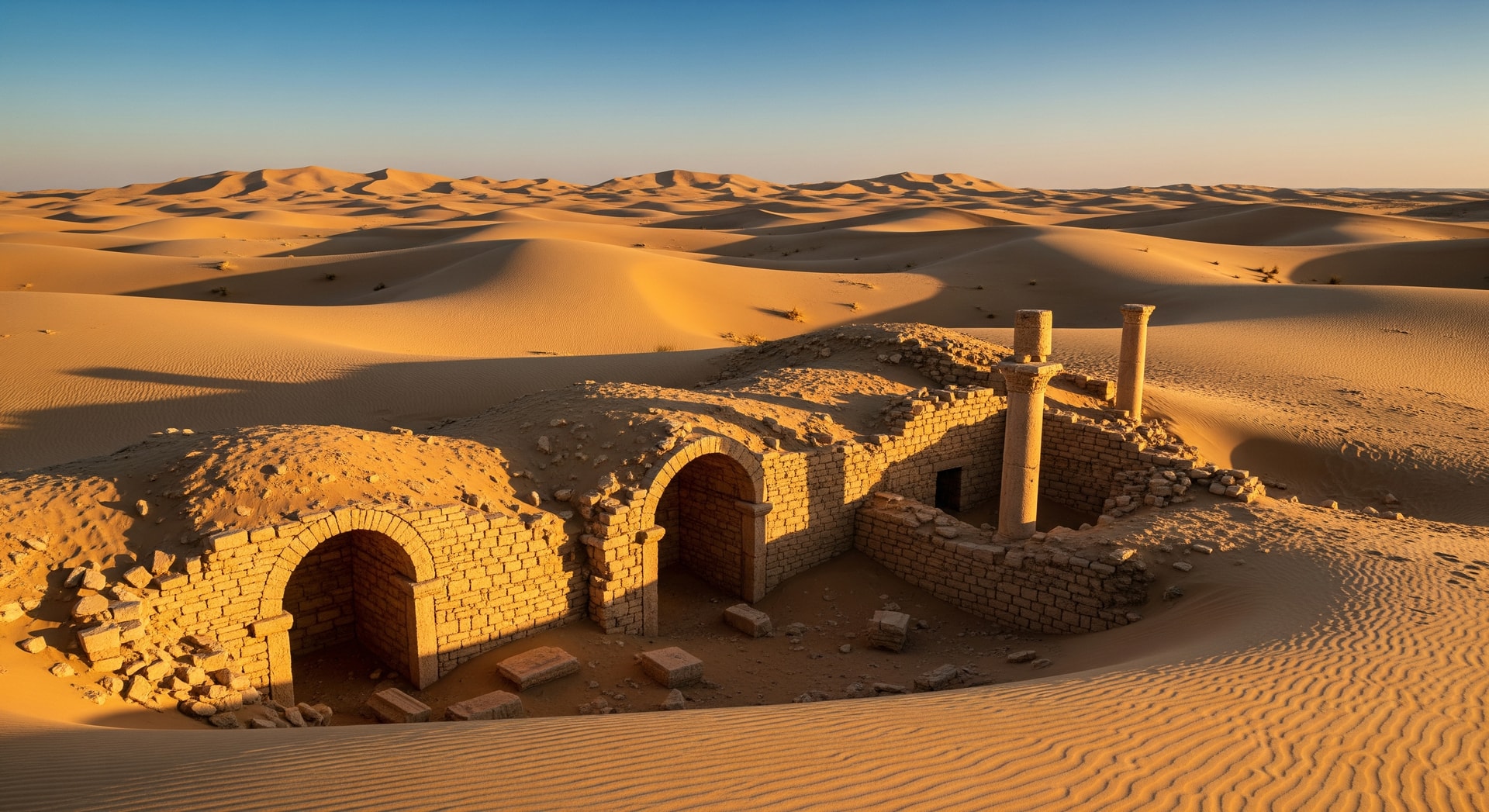
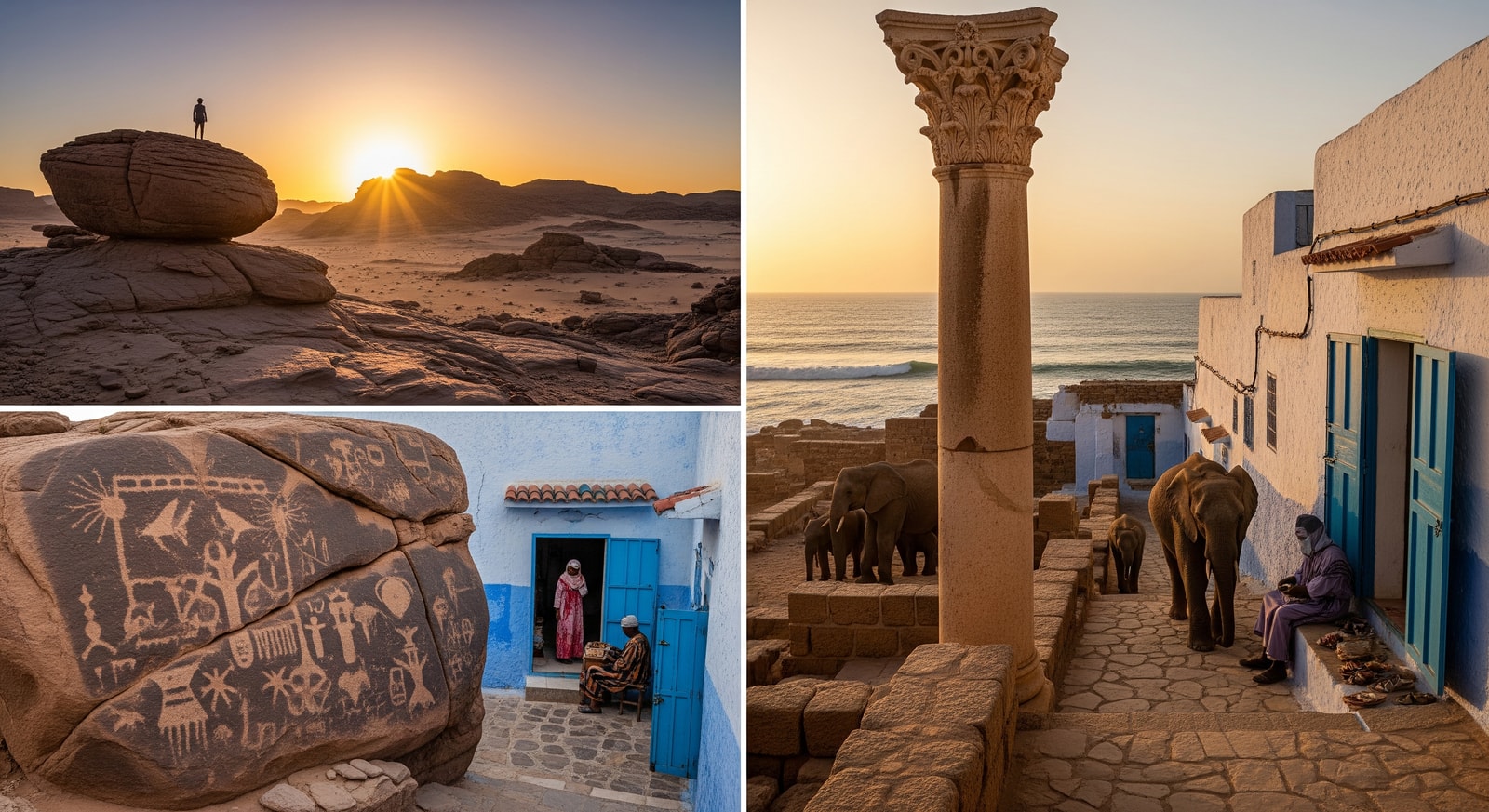
Algeria and Angola have moved into the spotlight through a combination of investment, visa reforms and product development. Algeria’s mix of desert landscapes, ancient ruins and Mediterranean coastline offer relatively uncrowded cultural and adventure options, while Angola’s beaches, mountains and wildlife reserves are gaining appeal as infrastructure and hospitality services improve.
Both countries are attracting operators and niche travellers who prioritise novelty, authenticity and conservation—traits that match the broader trends ATTA identifies for Africa in 2026.
What this means for travellers and the industry
So what? Travellers should expect a wider array of culturally immersive and conservation-led options, new slow-travel itineraries and improved access to lesser-known destinations like Algeria and Angola. For the industry, these trends point to growing demand for responsible, locally integrated products and continued investment in cross-border connectivity.
For travellers planning trips in 2026 and beyond, the takeaway is clear: prioritise experiences that support local communities and conservation efforts, consider longer, multi-country journeys to deepen engagement, and monitor visa and infrastructure updates for emerging markets such as Algeria and Angola.
Sources