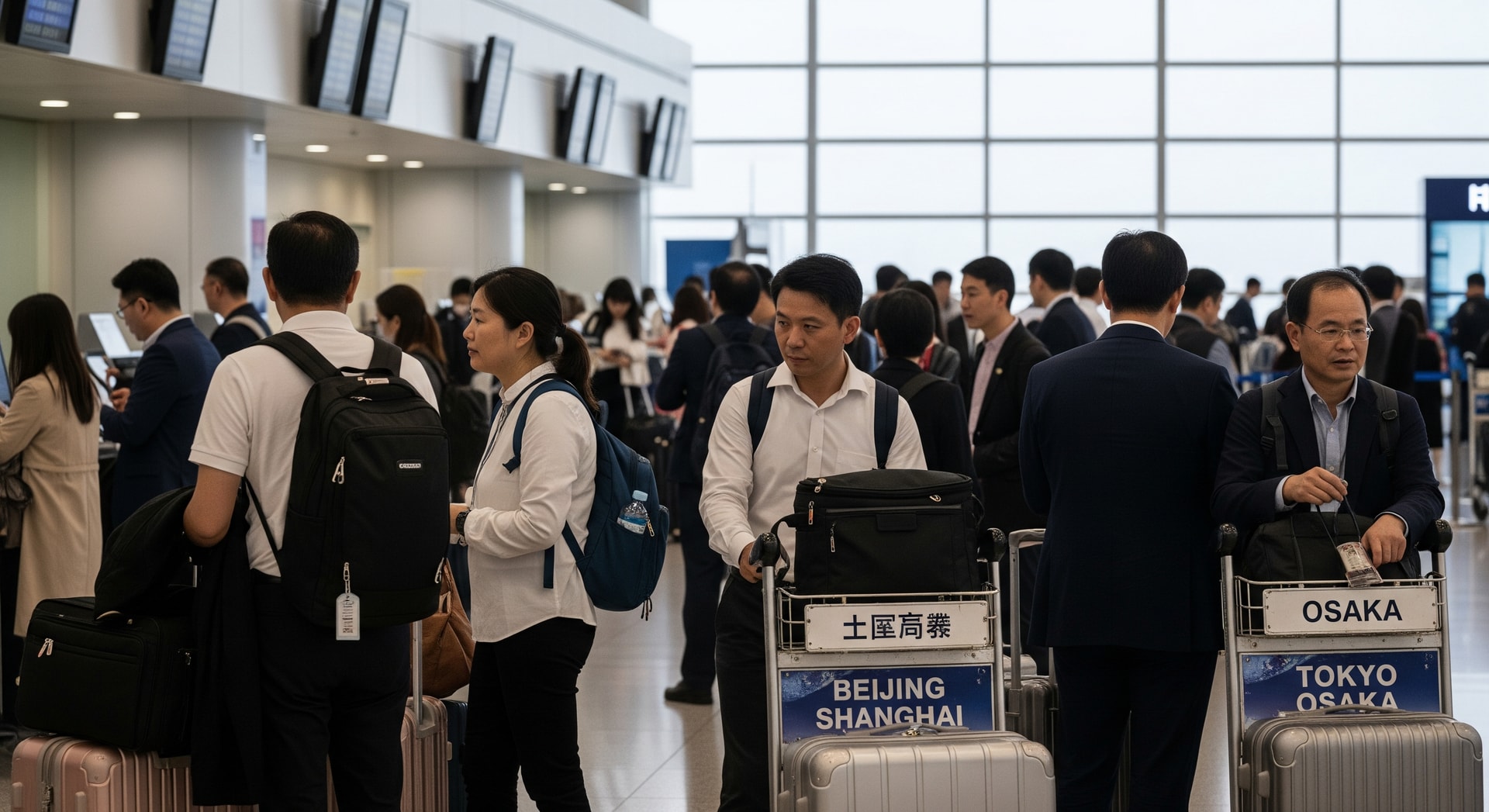
China-Japan tourism is gaining momentum after China relaxed visa rules and expanded air links, triggering a sharp rise in travel bookings and route growth.
Summary: China-Japan tourism is expanding as China eases entry rules—introducing up to 240-hour visa-free transit and extending unilateral visa-free stays for Japanese passport holders—while new direct air routes are rapidly increasing travel demand.
China-Japan tourism has picked up pace following a series of Chinese policy changes that ease cross-border travel and a rapid expansion of direct air services between the two countries. The combination of extended visa-free transit windows, broader unilateral visa-free entry for Japanese nationals, and more point-to-point flights has translated into stronger booking activity and higher passenger flows, according to official tourism agencies and industry reports.
Visa changes and extended transit options
Recent official guidance from China’s National Immigration Administration outlines significant visa and border-entry adjustments introduced over the past decade and refined at the end of 2024. A prominent change is the expansion of visa-free transit: designated entry and exit ports within specified regions now allow eligible foreign nationals to transit without a visa for up to 240 hours (10 days). This measure aims to facilitate short-term stays for business, tourism, and personal visits within those transit regions.
- Up to 240-hour (10-day) visa-free transit at designated ports and regions
- Unilateral visa-free entry extended to Japanese passport holders for short stays (up to 30 days)
- Policy changes targeted at boosting short-term tourism, business trips and exchanges
Visa-free access for Japanese travellers
China has broadened its unilateral visa-free entry program to include Japan, allowing Japanese passport holders to enter China for short stays—up to 30 days—for tourism, business, family visits, or exchanges. The move is intended to simplify travel procedures and encourage more visitors from Japan to choose China for short trips, helping to revive people-to-people links after pandemic-related restrictions were eased.
Air route expansion and surging travel demand
Alongside visa adjustments, carriers and airports have rolled out a wave of new direct services between Chinese and Japanese cities. Travel industry reports indicate this improved connectivity is a major factor behind stronger passenger demand, as travellers favour point-to-point flights for both leisure and business. The combined policy and connectivity shifts have produced measurable increases in bookings and route utilization.
- Reported 270% year-on-year increase in certain categories of outbound flight bookings linked to policy and route changes
- Analysts estimate roughly 25% of the shift to centre-based and point-to-point direct travel between China and Japan stems from the new policies and resulting traveler flows
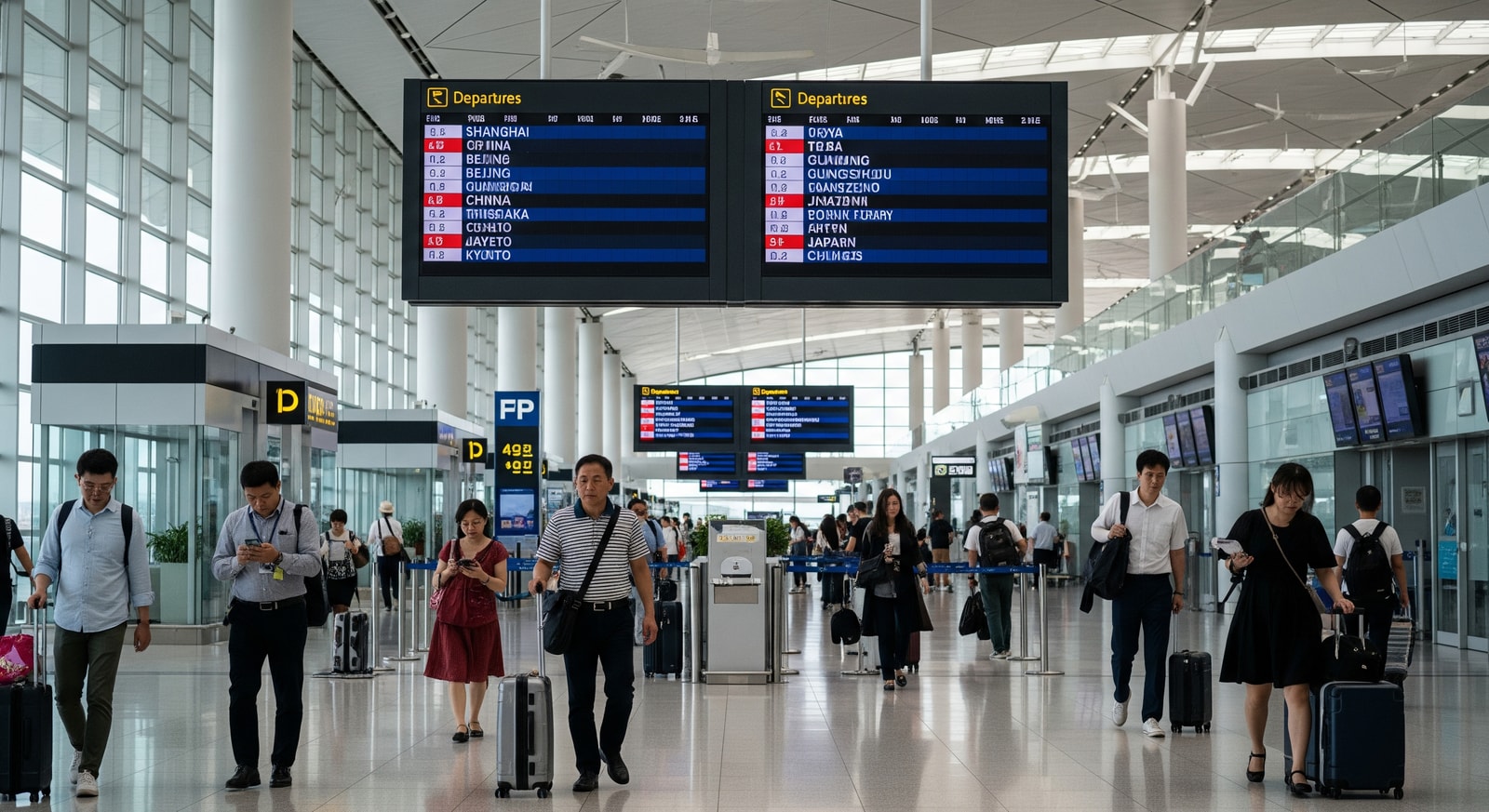
Economic and tourism impacts
The convergence of easier access and more flights is expected to strengthen tourism revenue, support hospitality and transport sectors, and deepen cultural exchanges. China’s policy adjustments aim to make short-term visitors stay longer or visit more frequently, while Japan’s visa arrangements—including extended multiple-entry permissions—seek to draw more Chinese visitors. Industry observers say these border-control changes are central to maintaining competitiveness in an increasingly busy regional travel market.
Outlook for 2026 and what travellers should know
Experts predict that continued visa relaxations and improved air traffic links will support higher travel volumes across East Asia in 2026. While diplomatic and advisory conditions may shift over time, the near-term trajectory points to more accessible travel between China and Japan, benefiting leisure, business and cultural travel markets.
So what? For travellers, the changes mean easier short visits, more flight options and potentially lower friction when planning multi-stop trips in the region. For airlines, hotels and tour operators, the policy-and-route combination presents concrete opportunities to capture renewed demand and to expand services targeted at short-stay and transit travellers.
Sources