Saudi Arabia hotel pipeline is set to grow by about 94,500 rooms, with luxury properties dominating as the Kingdom pursues Vision 2030 visitor targets.
Summary: Knight Frank reports Saudi Arabia’s hotel market will expand by around 94,500 rooms currently under construction or at advanced planning stages, with a pronounced tilt toward luxury supply as the Kingdom targets 150 million visitors by 2030 under Vision 2030.
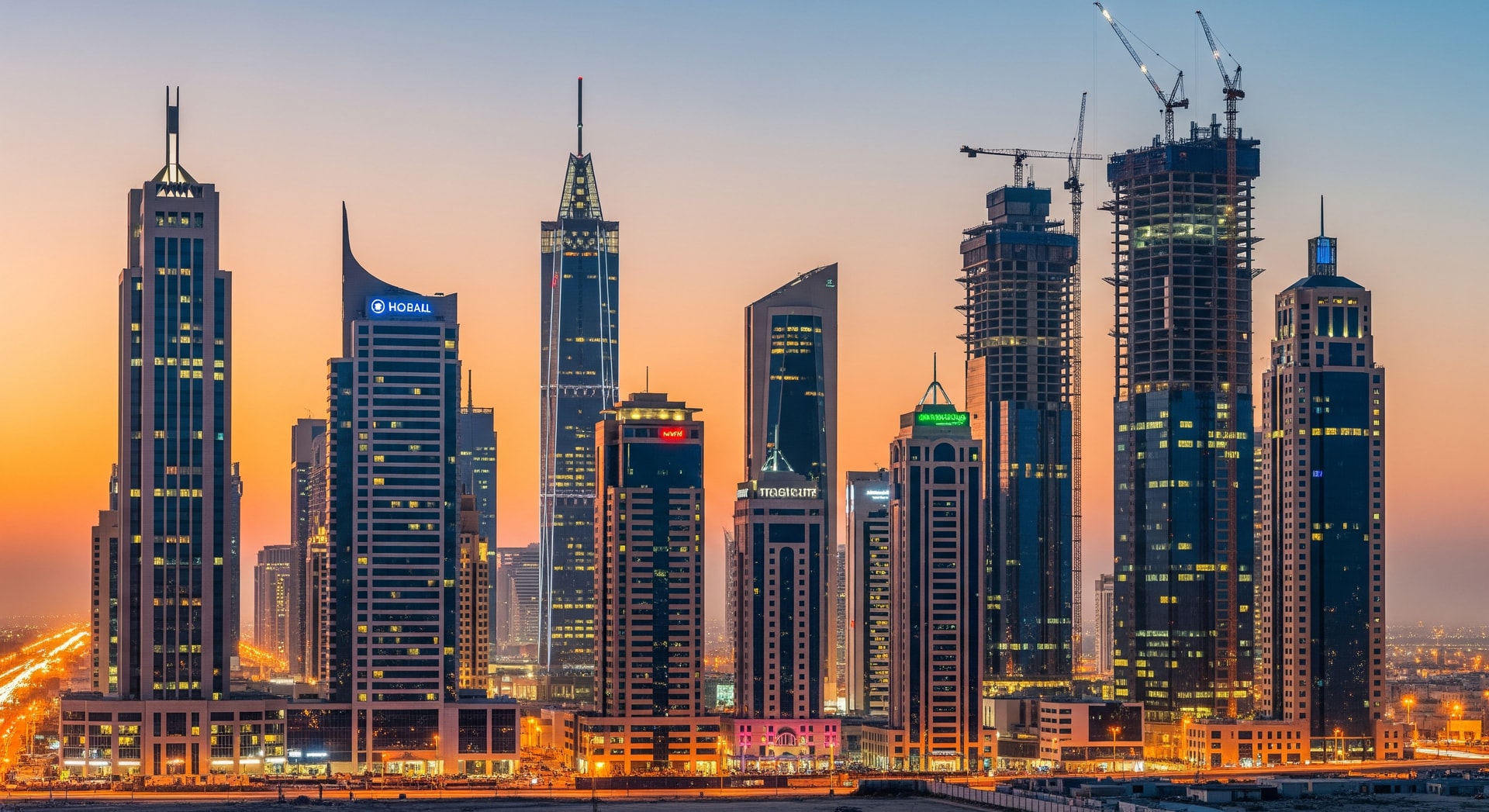
Knight Frank’s latest Saudi Report shows the Saudi Arabia hotel pipeline will add roughly 94,500 rooms to the country’s existing stock of 171,650 keys. The expansion comes as the Kingdom accelerates investment in hospitality to meet ambitious visitor growth driven by Vision 2030.
Pipeline Overview and Strategic Context
The reported pipeline follows a year in which Saudi Arabia’s travel and tourism sector grew by 32%. The new rooms are part of a wider push to upgrade destination offerings and infrastructure as the government raises its 2030 visitor target from 100 million to 150 million.
Oussama El Kadiri, Partner – Head of Hospitality, Tourism & Leisure Advisory, MENA, said:
“Growth in Saudi Arabia’s hospitality market is being driven by a combination of government initiatives, private sector investment and evolving consumer preferences. Travel and tourism contributed a record SAR 444.3bn (US$ 114.4bn) to the economy in 2024, representing 11.5% of the nation’s GDP – the highest in the region, according to the World Travel & Tourism Council”.
Visitor Numbers, Spending and Market Momentum
Knight Frank highlights strong recent demand: in 2024 Saudi Arabia recorded 29.7 million international visitors (up 8%) and 86.2 million domestic trips (up 5%). International visitor spending reached SAR 169bn, contributing to total tourism spending of SAR 284bn, and international spending climbed in Q1 2025 to SAR 49.4bn, a 9.7% year-on-year rise.
- 2024 travel & tourism contribution: SAR 444.3bn (US$114.4bn), 11.5% of GDP
- 2024 international visitors: 29.7 million (up 8%)
- 2024 domestic trips: 86.2 million (up 5%)
- Q1 2025 international visitor spending: SAR 49.4bn (up 9.7% YoY)
Where the New Rooms Will Be Added
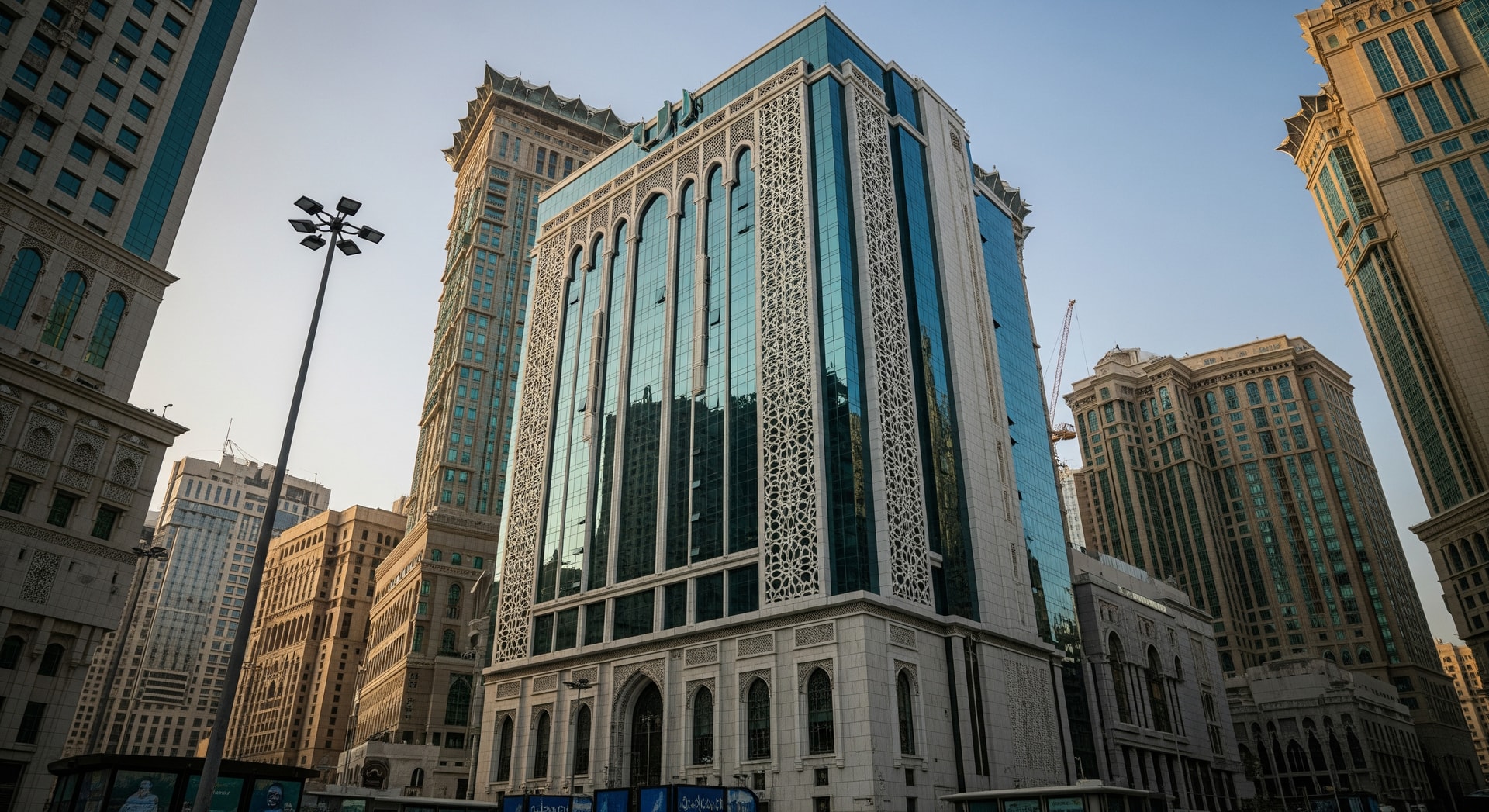
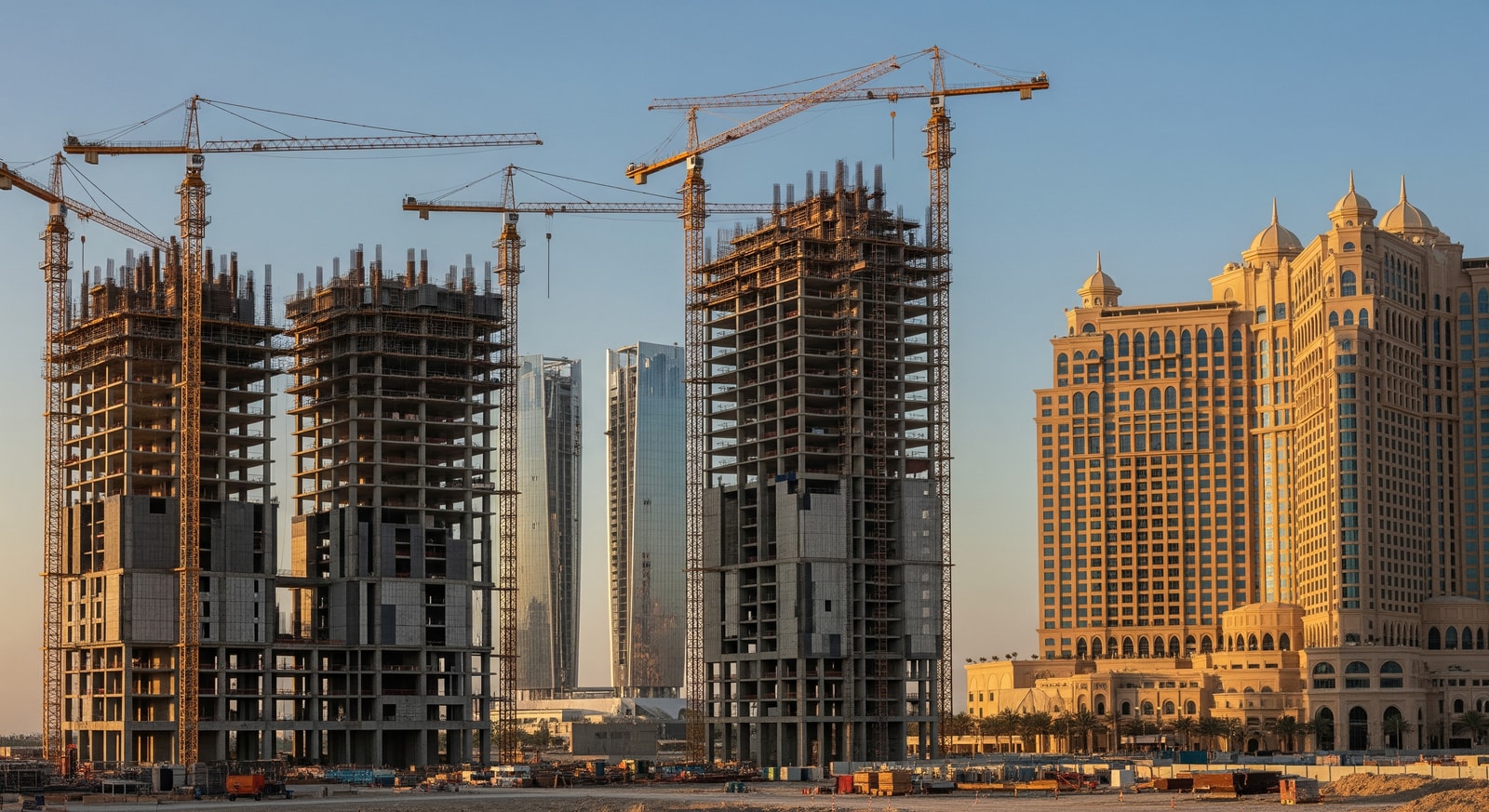
Around 358,000 hotel rooms are planned across the Kingdom, with roughly 94,000 keys currently under construction or at advanced planning. The largest concentrations are in the Holy Cities and major urban hubs: Makkah and Madinah feature particularly large pipelines, while Riyadh, Red Sea projects and new mega-developments are also major contributors.
- Rua Al Haram: 70,000+ keys
- Rua Al Madinah: 47,000+ keys
- Knowledge Economic City: 42,000+ keys
- Masar Makkah: 41,000+ keys
- Holy Cities total pipeline: over 252,000 rooms (64% four- and five-star)
Market Mix and Domestic Demand
Luxury, upper-upscale and upscale hotels make up about 60% of current supply, with Makkah and Riyadh holding significant shares. Quality room stock stood at 171,650 keys as of September 2025, and supply is expected to rise by 18% by 2027. Performance metrics through August 2025 show average daily rate at SAR 746 (US$199) and occupancy at 61%, lifting revenue per available room slightly.
Faisal Durrani, Partner – Head of Research, MENA, said:
“Our research reveals a rapidly evolving industry driven by high-value travellers, experiential offerings and world-class hospitality assets emerging under Vision 2030 and the National Tourism Strategy. Having already reached 116 million domestic and international visitors in 2023, the government has revised its 2030 target from 100 million to 150 million visitors, with one-third expected to be religious tourists. This underscores the Kingdom’s dual ambition of strengthening its global role as Islam’s pilgrimage hub while expanding its reach into international leisure and business travel and domestic tourism.”
Domestic travel remains the backbone of the market: in 2024 domestic tourists made up 74.3% of trips, and staycation patterns show frequent short breaks alongside longer trips among higher-income Saudis. Serviced apartments and resorts are also growing in popularity as the product mix diversifies.
Amar Hussain, Associate Partner – Research, MENA, said:
“These trends point to robust and broad-based demand for domestic tourism offerings, ranging from short city breaks to longer cultural and nature-based experiences. The consistency of domestic travel behaviour, based both on our data and publicly available statistics, reinforces the importance of ongoing investments in hospitality infrastructure, destination development and regional connectivity under Vision 2030. This is particularly the case in established hubs such as Riyadh, Jeddah and Al-Ula, as well as boosting offerings in popular regional hub locations such as Al-Soudah, Taif and Abha.”
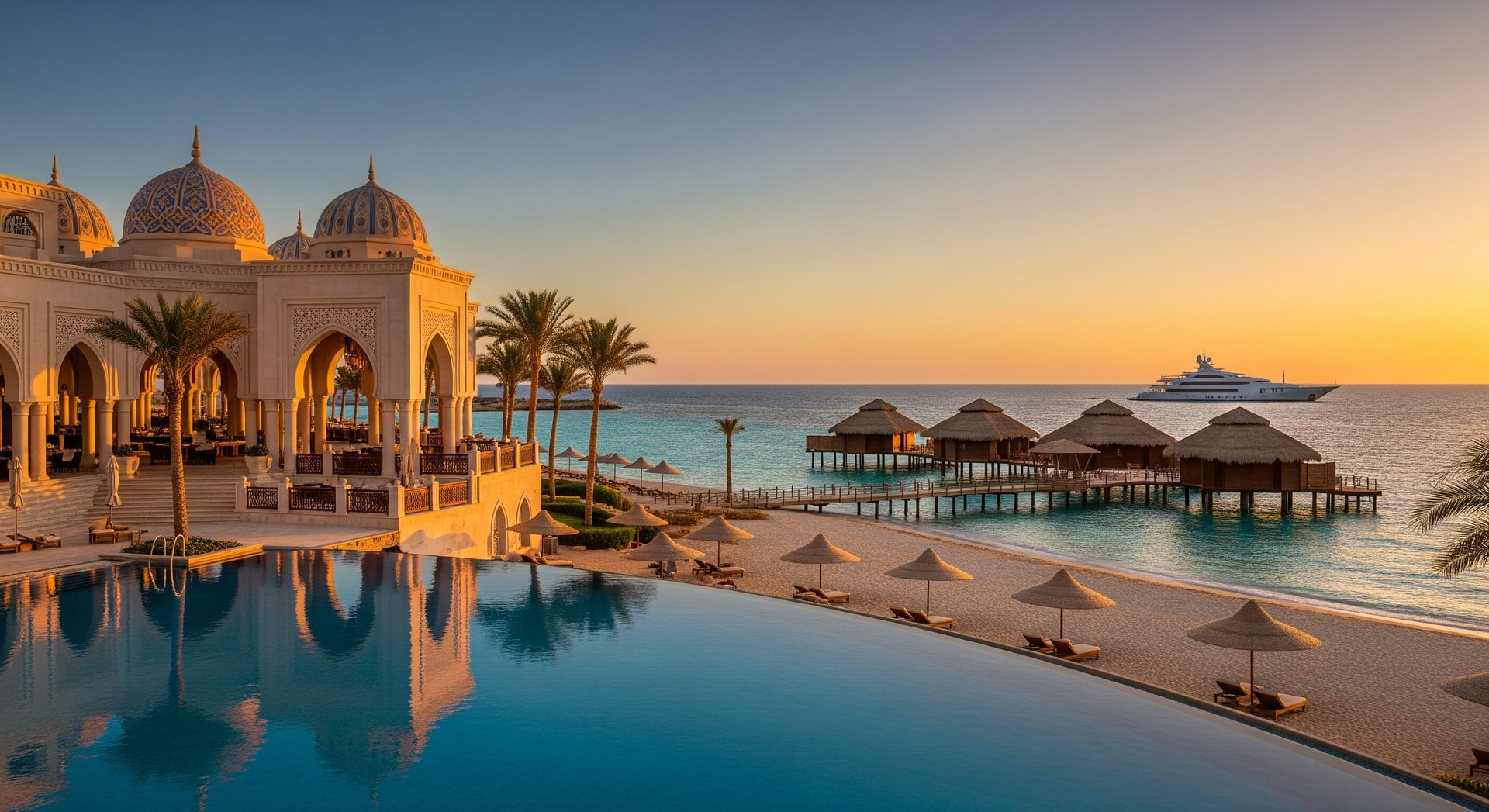
The report also highlights resort-led growth: around 8,000 rooms are expected from Red Sea developments by 2030, and serviced apartments now account for 22% of accommodation stock, up from 20% in 2023.
“Saudi Arabia’s tourism and leisure sector stands on the brink of a historic transformation. Mega-destinations such as The Red Sea, AlUla, and AMAALA are now materialising from visionary blueprints into tangible luxury escapes. The Red Sea’s first resorts and international airport are operational, forming the initial wave of over 3,000 keys that will anchor Saudi’s position as a global luxury and regenerative tourism hub. These developments, underpinned by tremendous infrastructure investment and sustainable design, reflect a strategic focus on both volume and value. “Saudi Arabia’s trajectory remains remarkable. By blending heritage tourism, pilgrimage innovation and modern leisure experiences, the Kingdom is crafting a multifaceted tourism identity in which luxury meets authenticity and ambition meets execution.”
What this means for travellers and the industry
So what? For travellers, the pipeline means more room choices—especially in luxury and resort categories—and improved destination infrastructure across holy sites, cities and leisure hubs. For industry stakeholders, the scale of planned supply signals opportunities for investors, operators and hospitality professionals but also a need to manage delivery timelines, workforce capacity and demand segmentation to sustain healthy occupancies and rates.
Sources