The Bolivia Paraguay Open Skies talks aim to open routes and increase flight frequencies between the two nations, making travel and cargo movement easier and more affordable.
Summary: The Bolivia Paraguay Open Skies discussions seek to replace an older BASA with a liberal framework agreed in La Paz on January 27, 2026, to boost routes, frequencies and competition between the two countries.
Bolivia and Paraguay have taken a major step toward an Open Skies-style Bilateral Air Services Agreement after technical talks in La Paz on January 27, 2026. Aviation authorities say the move is designed to modernize an existing BASA and to liberalize routes, capacity and frequencies so that airlines can respond to market demand and passengers benefit from more options and lower fares.
Meetings in La Paz Formalize Technical Progress
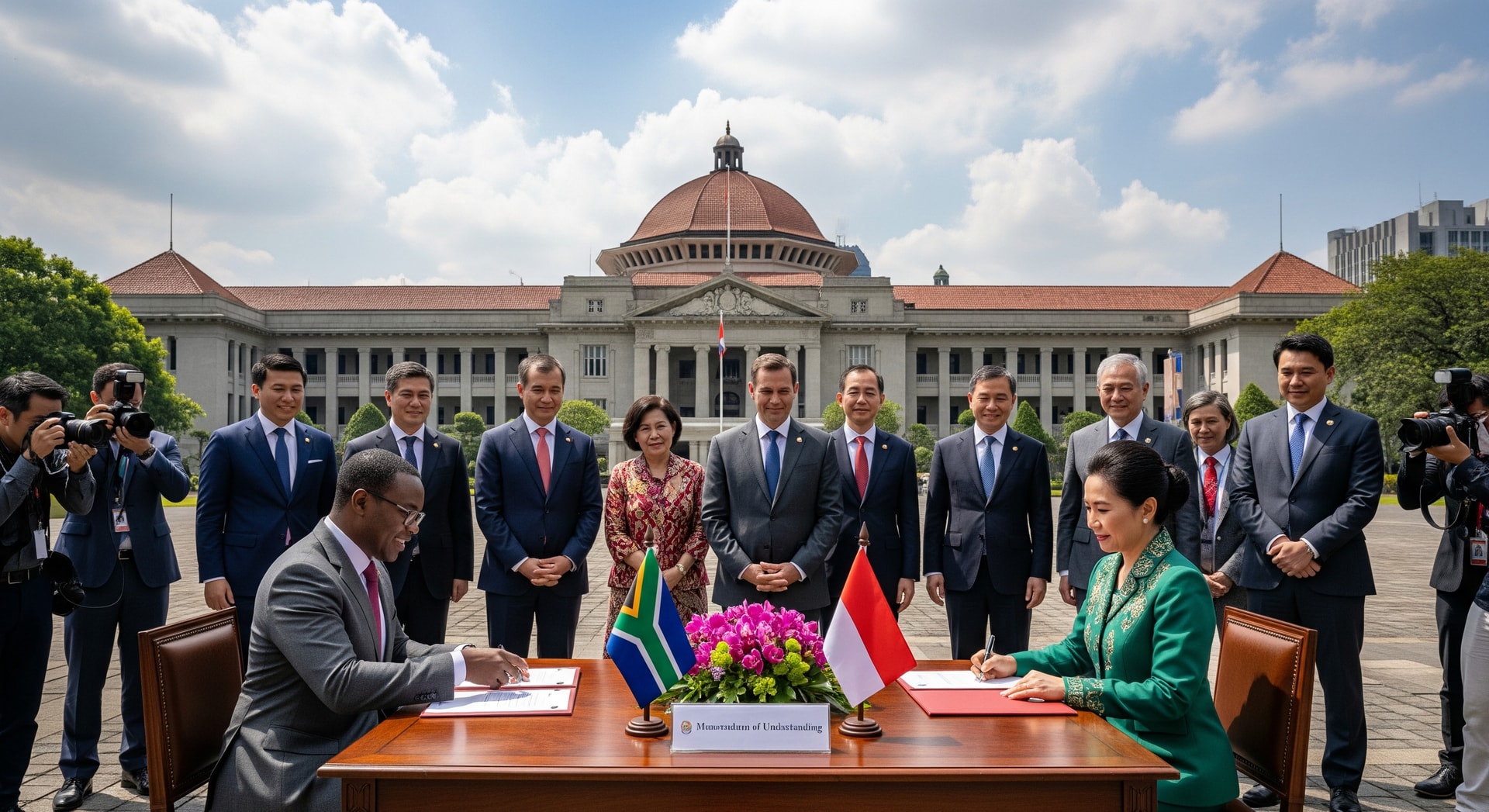
On January 27, 2026, technical delegations from Bolivia’s General Directorate of Civil Aeronautics (DGAC) and Paraguay’s National Directorate of Civil Aeronautics (DINAC) met in La Paz to conclude discussions about updating their air services relationship. The talks focused on replacing outdated restrictions with a more flexible framework that could expand passenger and cargo services between the two countries.
What Open Skies Means for Travelers and Airlines
Open Skies arrangements remove many of the traditional limits on routes, capacity, frequencies and fares, allowing carriers to operate according to market demand rather than strict bilateral constraints. The expected result is increased competition, more carriers on a route, higher frequencies and often lower prices for passengers and shippers.
Current Connectivity Between Bolivia and Paraguay
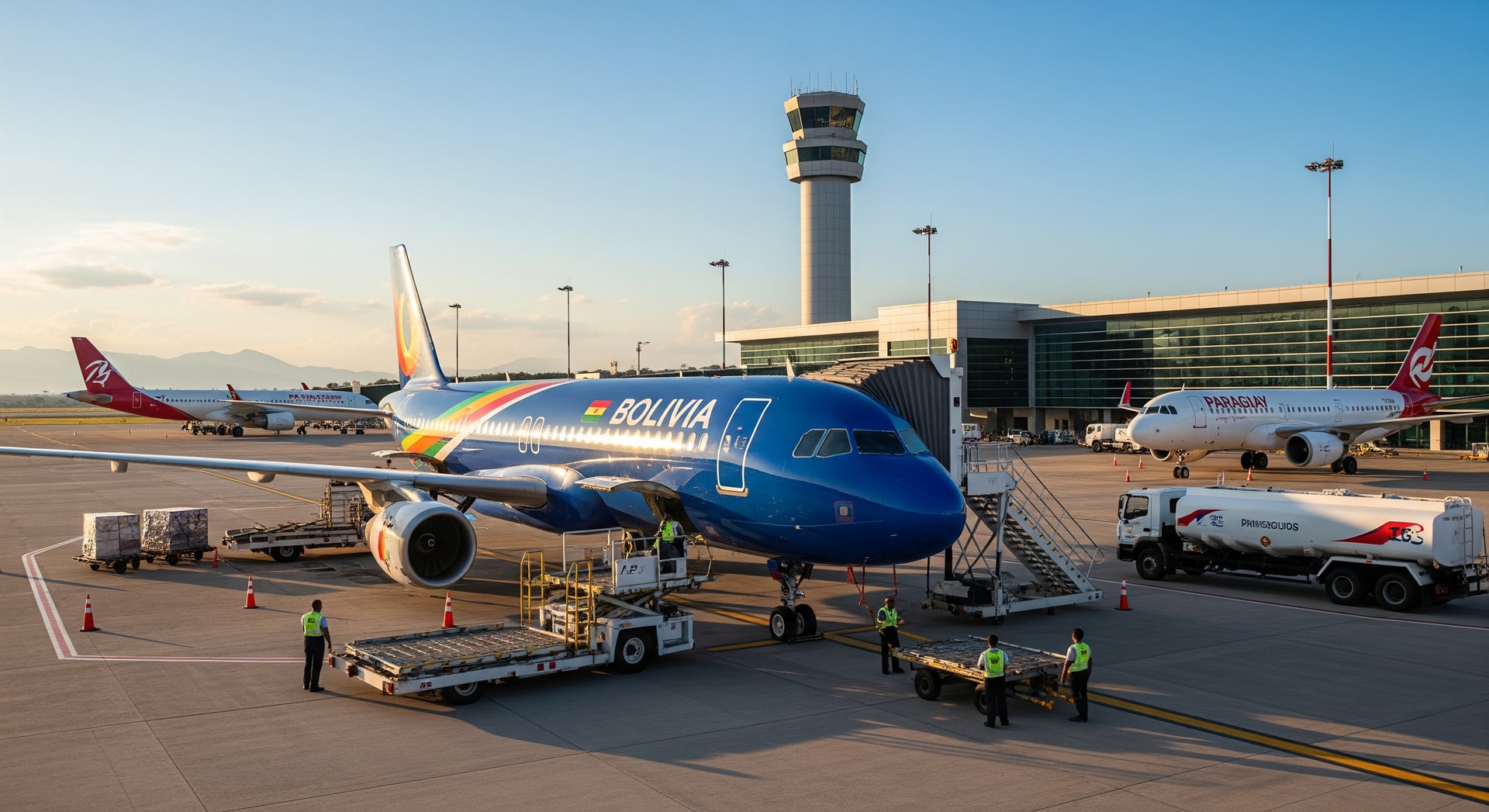
At present, direct air links between the two countries are limited. The principal scheduled connection is the Santa Cruz de la Sierra–Asunción corridor, where operations remain constrained by existing bilateral terms.
- Boliviana de Aviación (BoA): operates three weekly flights on the Santa Cruz–Asunción route
- Paranair: operates six weekly frequencies between Santa Cruz de la Sierra and Asunción
- Goal of the new BASA: broaden routes, increase frequencies and reduce operational limits
Why This Matters for Tourism
Greater air access is expected to boost tourism for both countries. Bolivia’s highland landscapes, Uyuni Salt Flats and cultural sites, together with Paraguay’s colonial towns and natural attractions, stand to gain from easier, more affordable air connections. Improved links also make Santa Cruz de la Sierra and Asunción more viable as regional gateways for travelers visiting neighbouring markets.
Impact on Trade and Regional Integration
Beyond tourism, a liberalized BASA can reduce air freight costs and expand cargo capacity, helping exporters and importers in both countries reach broader markets. More frequent services and new routes also support deeper economic integration in the region by linking producers, traders and logistics networks more efficiently.
Benefits for Airlines and Passengers
Under Open Skies, carriers gain scheduling flexibility and the ability to add capacity where demand exists, which can attract new entrants and foster competition. Passengers should see more direct routes, potentially lower fares and greater convenience for travel across South America.
- Potential route growth to cities such as La Paz and Cochabamba in Bolivia
- New services may include Paraguayan cities like Encarnación and Ciudad del Este
- Greater frequency on existing corridors, improving connectivity for business and leisure travelers
Next Steps and Regional Outlook
The Bilateral Air Services Agreement remains subject to formalization and ratification by both governments following the technical meetings. If implemented, the Open Skies approach agreed in principle could serve as a model for other South American pairings, encouraging wider liberalization and more interconnected regional air services.
Why this matters: For travelers and businesses, the proposed Bolivia–Paraguay Open Skies agreement means more direct flight choices, potentially lower ticket prices and improved freight options. So what? Easier access and increased competition can lower the barrier to travel and trade, helping tourism, commerce and regional integration to grow across both countries.
Sources