Asia travel transformation efforts in Laos are putting the cultural economy at the center of a sustainable tourism growth strategy, aiming to expand authentic experiences while protecting heritage sites.
Summary: Laos is repositioning its tourism model by making cultural economic development a central pillar of sustainable travel growth. The approach, discussed by senior ministers in January 2026 and backed by national policy, aims to expand immersive cultural experiences, strengthen heritage protection, and spread tourism income to rural communities.
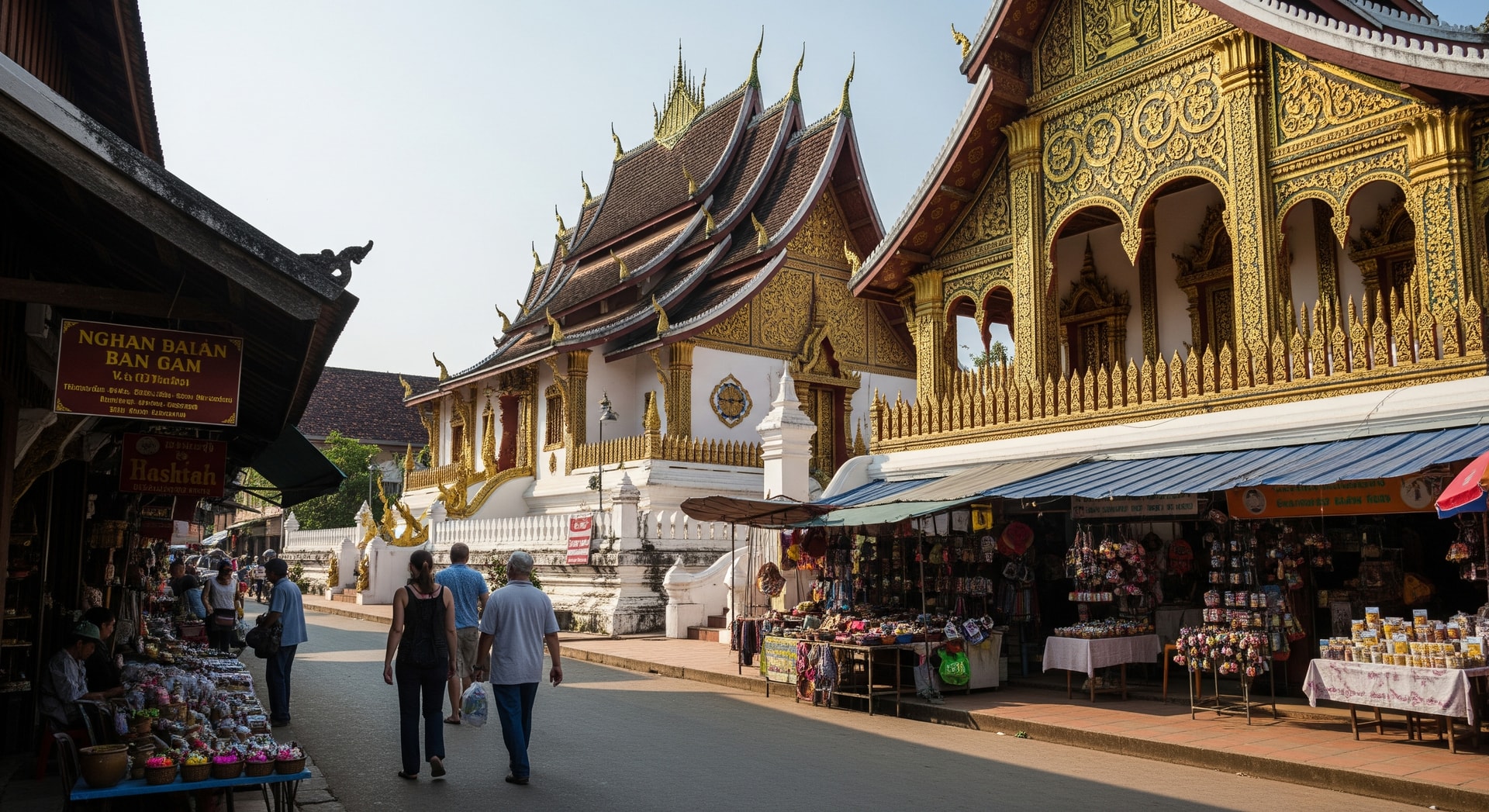
An Asia travel transformation is taking shape in Laos as the government places the cultural economy at the heart of its sustainable tourism growth strategy. In Vientiane and in tourism hubs such as Luang Prabang, the shift is being framed as a long-term change in how the country develops travel—one designed to protect heritage while ensuring local communities benefit from visitor spending.
According to state media and government announcements, the Lao People’s Democratic Republic’s official planning body has confirmed that culture is now treated as a core economic priority. Rather than a minor policy adjustment, officials describe the move as a strategic repositioning that will influence how tourism evolves for years.
Cultural economy positioned as a national tourism asset
At meetings held in January 2026, senior ministers outlined a plan to turn cultural heritage into a stronger driver of economic value and tourism appeal. The roadmap centers on integrating traditions, language, arts, and historic sites into travel experiences, with the goal of giving visitors more meaningful ways to connect with Laos.
Officials emphasized that the strategy is intended to be nationwide rather than focused on a single destination. It includes well-known cultural draws such as UNESCO World Heritage Luang Prabang, the ancient Vat Phou ruins, and the Megalithic Jar Sites in Xiengkhuang—locations that already attract cultural travelers and are expected to play an even larger role under the new approach.
Sustainable tourism growth built around authentic experiences
The government’s plan links culture-led development directly to sustainable tourism. For trip designers and tour operators, this signals a likely shift toward products that prioritize authentic engagement over standard sightseeing, reflecting broader global demand for immersive and ethical travel.
New routes and packages are expected to highlight cultural participation, including community-based activities and heritage-focused itineraries that bring visitors closer to everyday life and traditions in Laos.
- Traditional festivals and rituals
- Lao arts and craft villages
- Language and cultural interaction programmes
- Culinary heritage trails
- Intangible cultural heritage hosted in rural communities
Heritage protection and visitor management plans
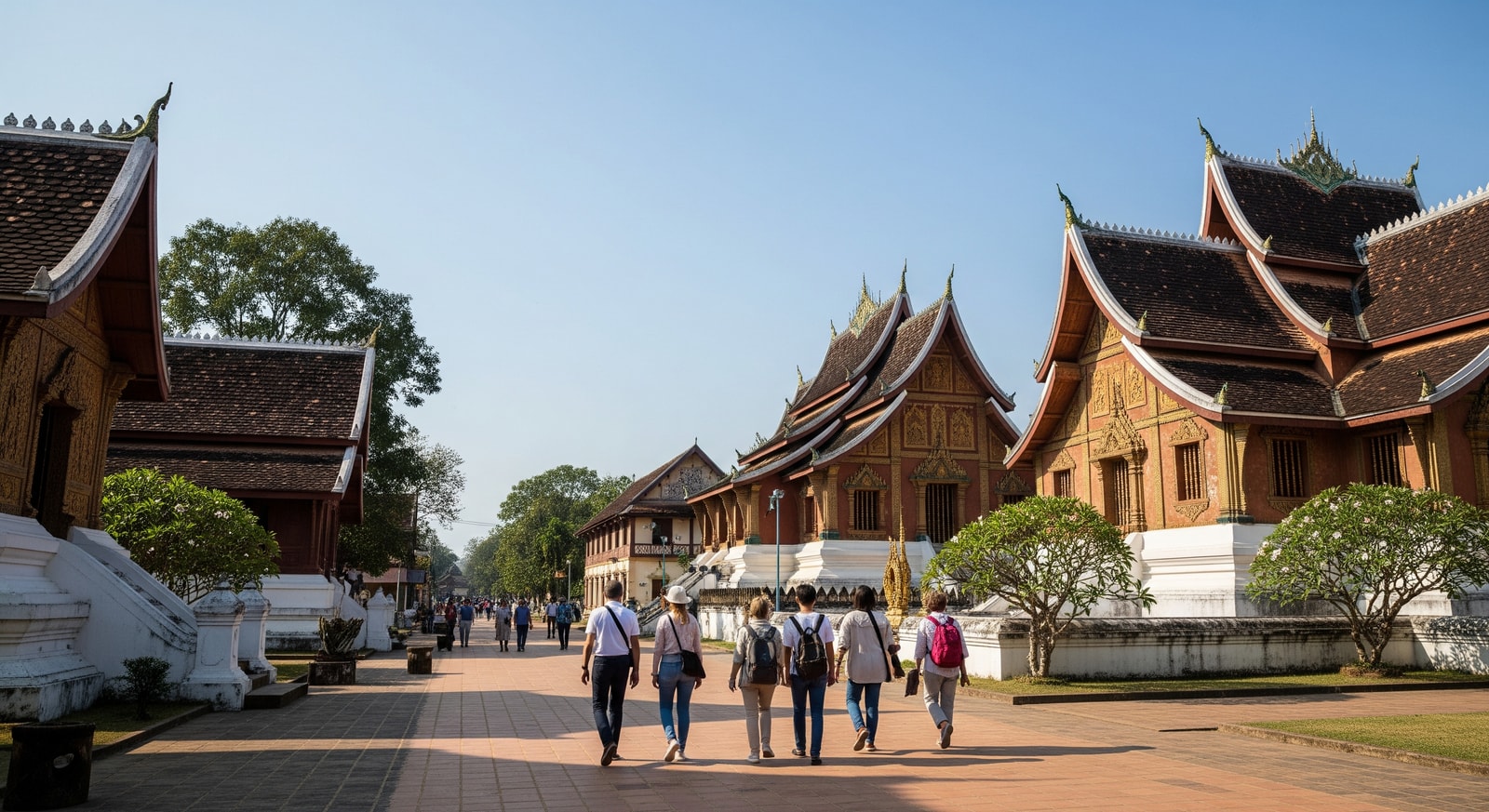
A key part of the cultural economic focus is safeguarding heritage while keeping sites accessible. Officials have highlighted the need to protect historic places even as tourism grows, aiming to preserve the legacy of the Lao people alongside increased visitor interest.
In practical terms, the approach points to infrastructure upgrades, conservation frameworks, and visitor management plans designed to balance protection with travel appeal. The stated goal is to maintain the character of historic locations while enabling tourism that supports preservation.
Economic impact: expanding community tourism beyond cities
For households in remote provinces, the strategy is presented as an opportunity to build livelihoods through tourism tied to culture. By elevating heritage as a central tourism asset, communities that previously saw limited visitor traffic could become destinations in their own right.
The plan anticipates new income streams for local artisans, performers, guides, and host families as travelers seek experiences described as authentic. Officials have framed the shift as a move away from city-centric tourism toward a more grassroots travel economy that channels benefits directly to communities and strengthens local participation in tourism value.
Policy backing: integration into national development plans
The cultural economic initiative is tied to broader national policy rather than operating as a standalone tourism program. It is rooted in the 12th National Party Congress resolutions and incorporated into Laos’ current socio-economic development plan, providing legislative and strategic support for culture-centric reforms.
By embedding cultural economic development into national planning, Laos is signaling that its travel identity will be shaped not only by landscapes and temples, but also by intangible heritage—such as traditions and cultural practices—positioned as part of the country’s future on the global travel map.
Travel sector reaction and international interest
Within Laos, the travel sector has responded with optimism. Tour operators and eco-travel advocates view the culture-and-sustainability pairing as a strong match for a destination known for traditions and lesser-known cultural assets, and they expect it to appeal to more conscious travelers.
International travel partners are also paying attention, with growing interest in Laos as a place for genuine cultural engagement. The government’s emphasis on sustainable cultural tourism is being seen as adding credibility to the destination’s positioning.
Why this matters for travelers and the tourism industry
For travelers, this shift suggests that future trips to Laos may increasingly revolve around participatory cultural experiences—especially in rural communities—alongside stronger efforts to manage visitor impact at major heritage sites. For the tourism industry, the policy direction points to new product development opportunities built around festivals, crafts, culinary trails, and community hosting, while placing greater emphasis on conservation and responsible growth.
Sources