Sri Lanka’s digital nomad visa is now available, offering eligible remote workers a 12-month stay with annual renewal and a fee of INR 46,299.50.
Summary: Sri Lanka has introduced a digital nomad visa valid for 12 months, priced at INR 46,299.50, with an option to renew annually. Applicants must be at least 18, work remotely for clients outside Sri Lanka, and meet a minimum monthly income of INR 1,80,540 (with additional income required for certain dependents).
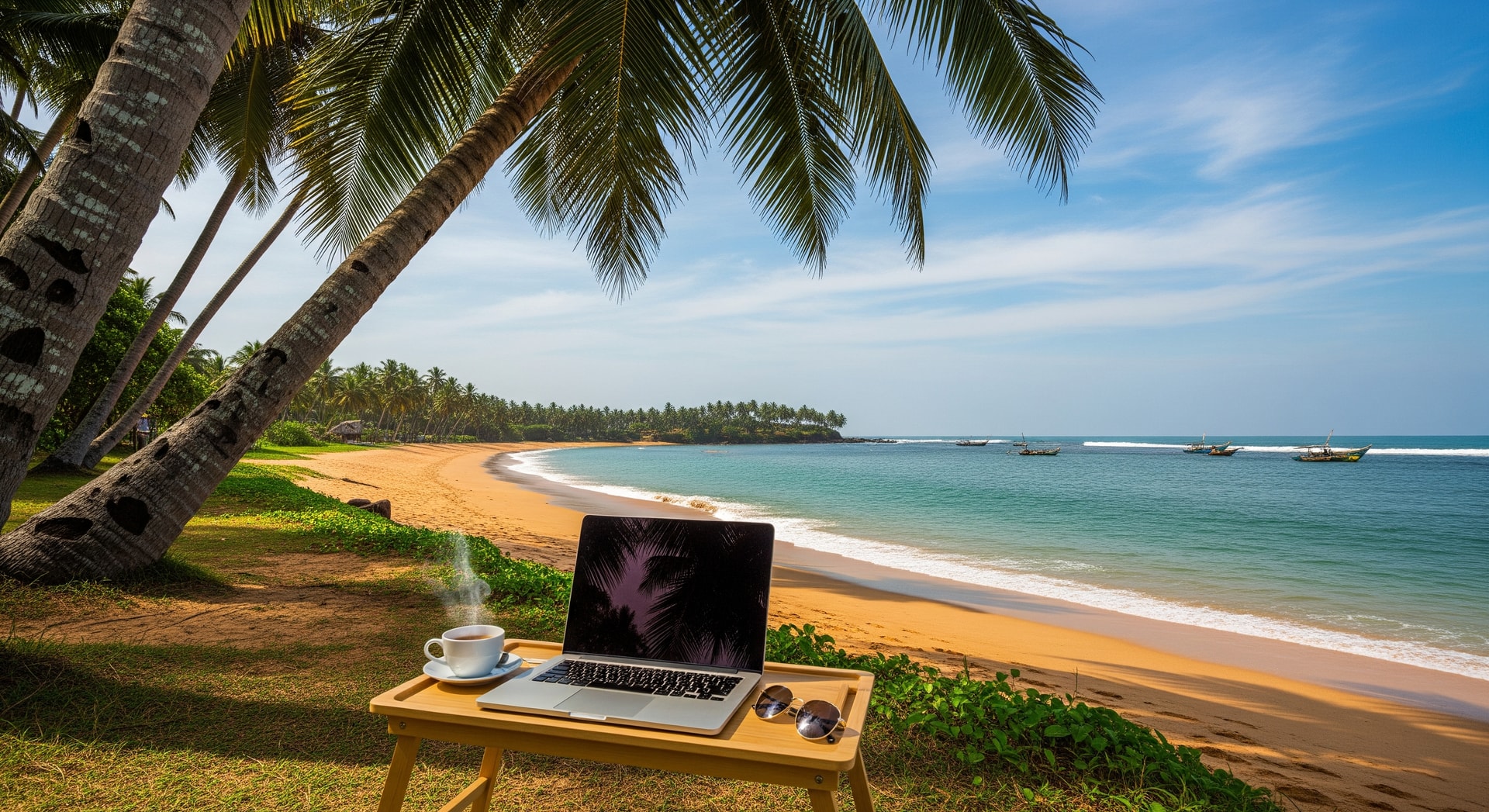
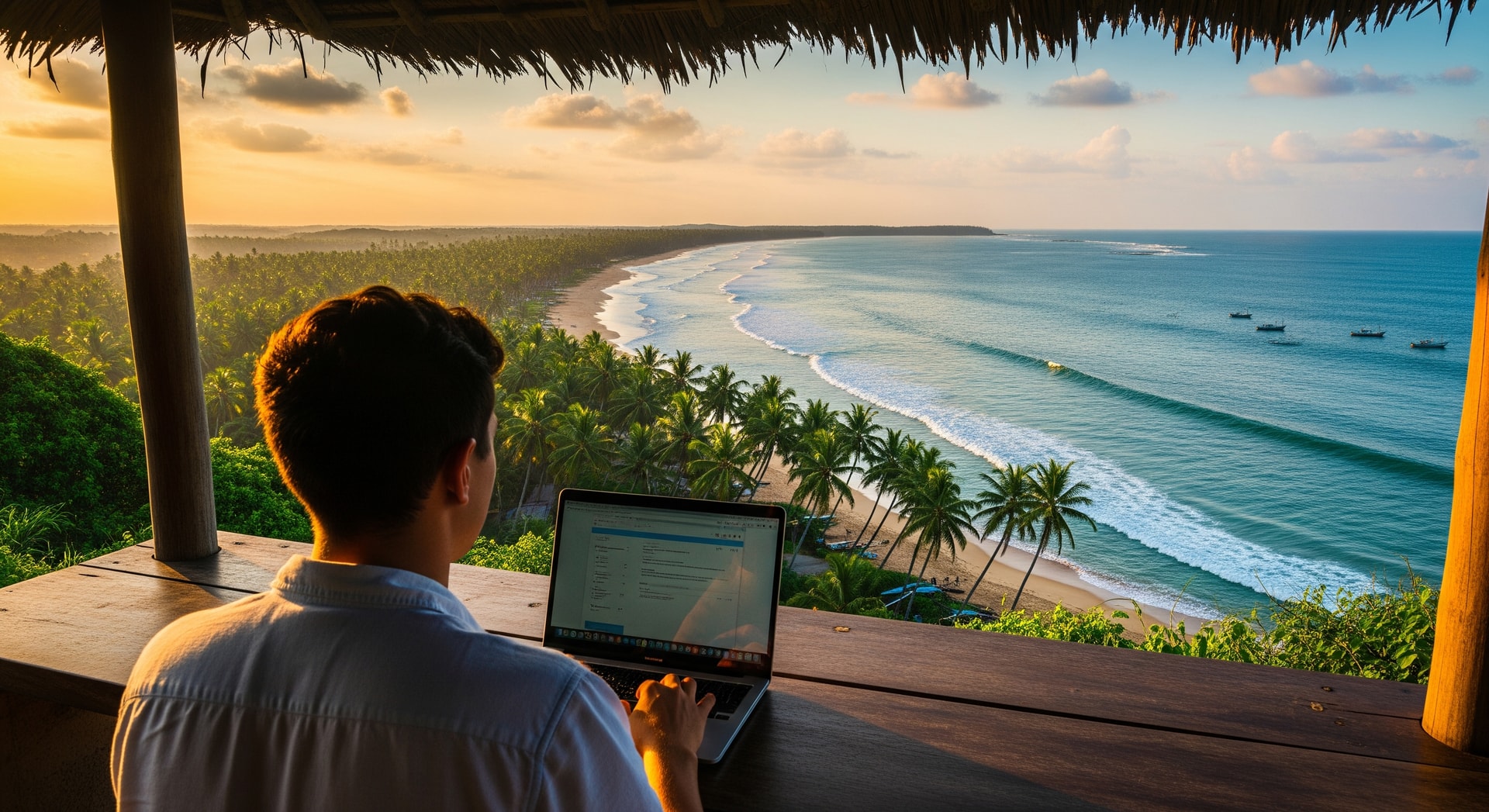
Sri Lanka’s digital nomad visa has officially launched, creating a new pathway for remote employees, freelancers, and business owners to live and work in the country for up to a year. The program is designed to support longer stays while positioning the island as an attractive base for location-independent work.
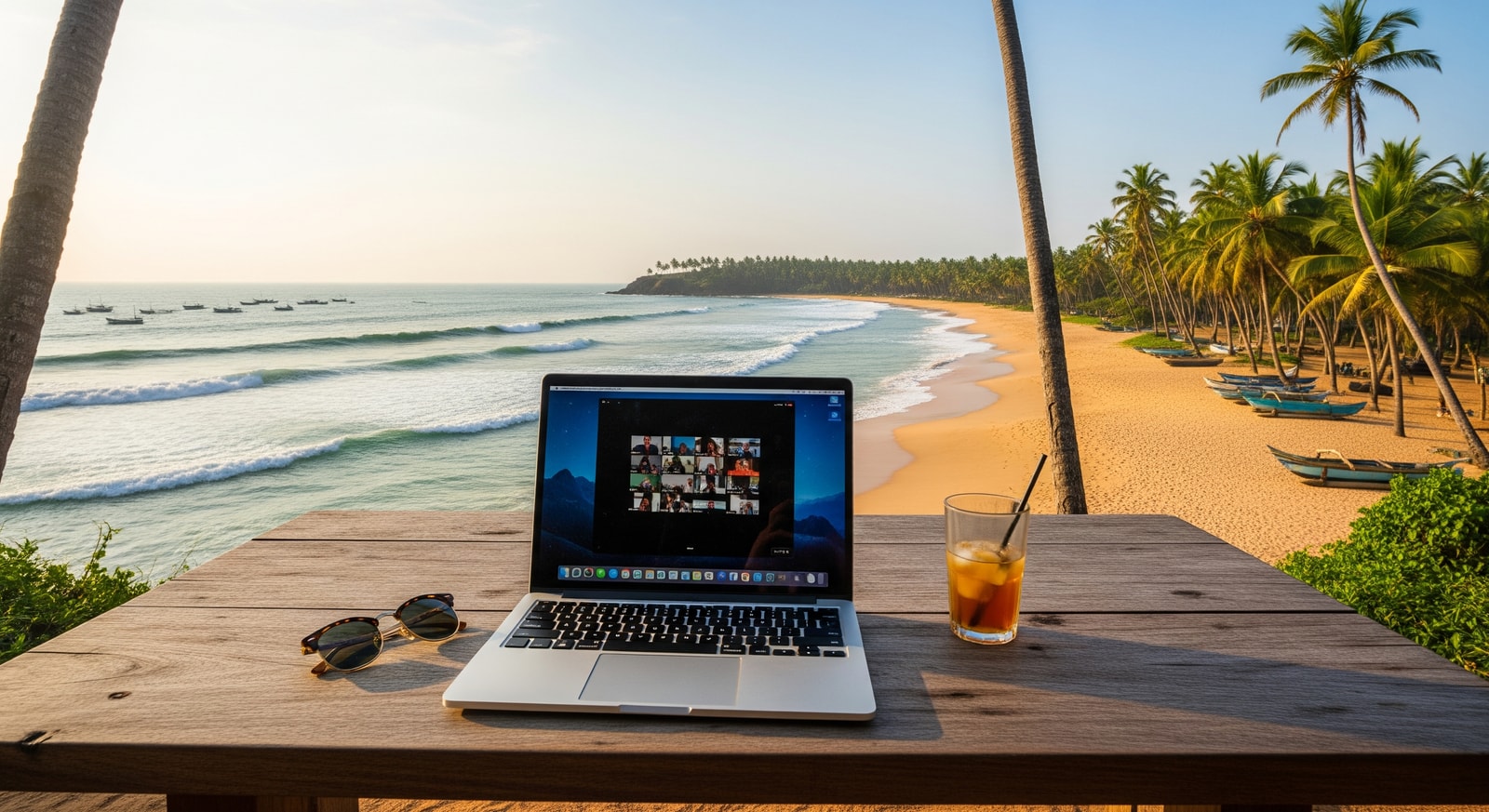
The initiative comes as remote work continues to expand globally, with destinations competing to attract professionals who can work from anywhere. Sri Lanka is promoting the visa alongside the country’s natural scenery and cultural sites, aiming to convert short visits into extended stays.
Sri Lanka digital nomad visa: validity and renewal
According to the details provided, the digital nomad visa is valid for 12 months and can be renewed each year. The structure is intended to give remote workers continuity, allowing them to remain in Sri Lanka longer without needing to exit and re-enter frequently to maintain lawful status.
Visa fee and economic goals behind the program
The visa costs INR 46,299.50 for the 12-month period. The program is framed as an economic and tourism measure as well as an immigration update, with expectations that longer-staying visitors will spend more locally across sectors such as hospitality, transport, and retail.
Beyond direct spending, the policy is also positioned as a way to encourage knowledge exchange by bringing in international professionals who may connect with local communities and networks during their stay.
Who can apply: eligibility rules set by the Department of Immigration and Emigration
Eligibility criteria are set by Sri Lanka’s Department of Immigration and Emigration. The requirements are intended to confirm that applicants are genuinely working remotely and are not entering the local labor market for domestic employment.
- Age: Applicants must be 18 years of age or older.
- Work status: The primary applicant must be employed remotely, work as a freelancer, or own a business.
- Local employment restriction: The applicant must not be registered as an employee in Sri Lanka and should provide services to clients located outside the country.
- Income: Applicants must earn a minimum of INR 1,80,540 per month.
- Dependents: If the applicant has dependents (more than two), the income requirement increases by INR 45,135 per dependent.
How to apply for Sri Lanka’s digital nomad visa
Applications can be submitted online through the Department of Immigration and Emigration website. The process is described as straightforward, with applicants expected to provide supporting documents such as proof of employment or freelance contracts, proof of income, and any other required documentation.
Visa holders also have an ongoing compliance obligation. During the stay, any major changes related to employment, income, or dependents must be reported to the Department of Immigration and Emigration within 30 days, helping ensure the visa conditions continue to be met.
Benefits highlighted for digital nomads and families
Alongside the right to remain in Sri Lanka for up to 12 months, the program outlines practical benefits aimed at making longer stays easier for remote workers and accompanying family members. These include access to everyday services and the ability to set up longer-term living arrangements.
- Stay for 12 months, with an option to renew annually.
- Ability to open and maintain personal bank accounts in Sri Lanka.
- Permission to sign property rental or lease agreements.
- Option for children to enroll in international or private schools in Sri Lanka.
- Access to telecommunication, internet, and utility services.
- Access to co-working spaces, ICT programs, and networking events tied to the growing digital nomad community.
- Opportunity to combine remote work with tourism activities, including cultural sites, national parks, and beaches.
Outlook: Sri Lanka’s bid to become a remote-work hub
The visa launch aligns with a broader shift toward work-life flexibility, as more professionals look for destinations where they can work remotely while experiencing new cultures. Sri Lanka’s approach emphasizes both lifestyle appeal and longer-term economic impact from visitors who stay and spend locally.
For travelers considering the Sri Lanka digital nomad visa, the key takeaway is that the country is offering a defined, year-long legal stay with clear eligibility and reporting rules. For the travel industry, the policy signals an effort to attract longer-duration visitors—potentially increasing demand for rentals, co-working spaces, schooling options, and services that support extended living rather than short holidays.
Sources