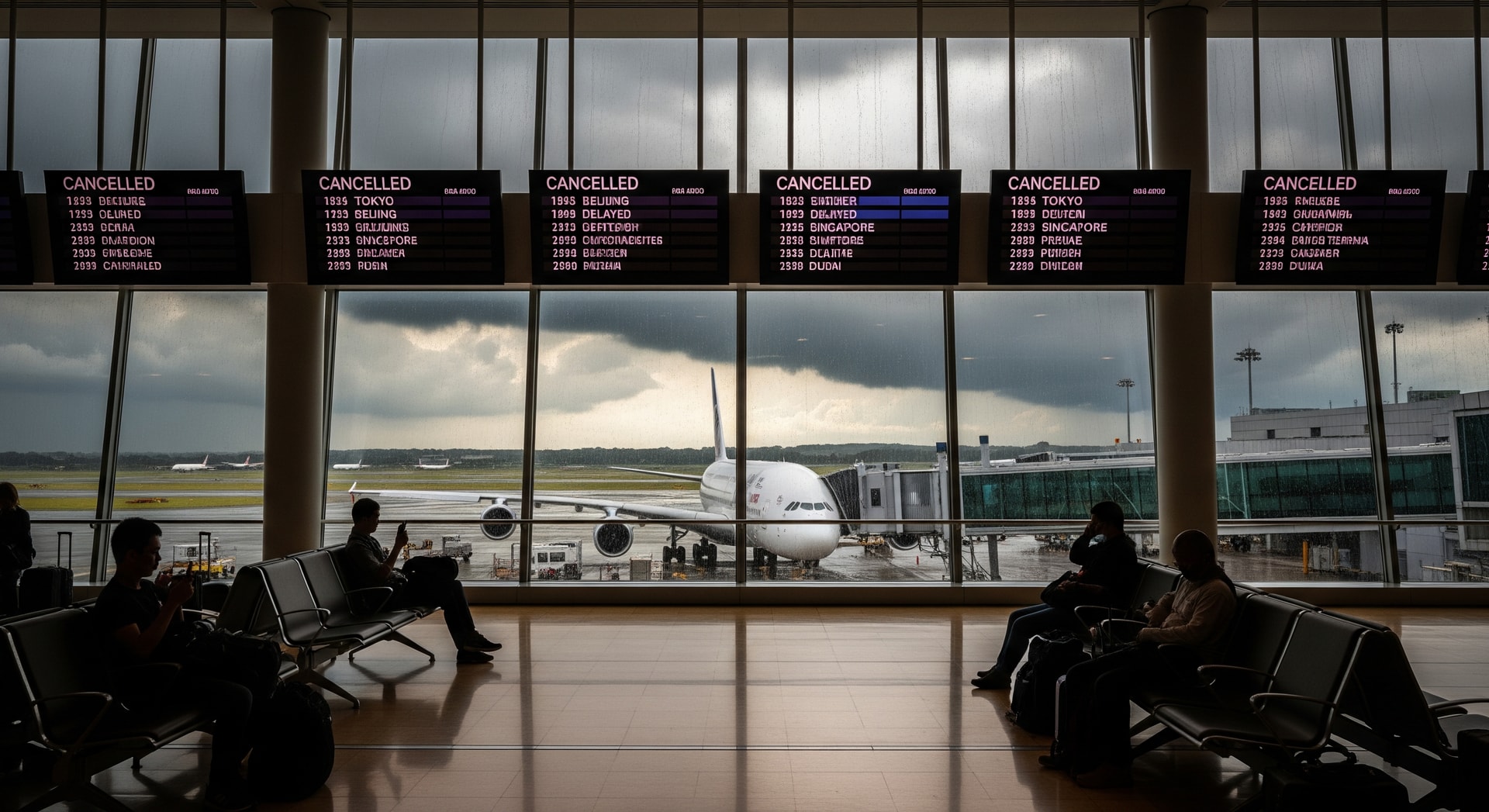
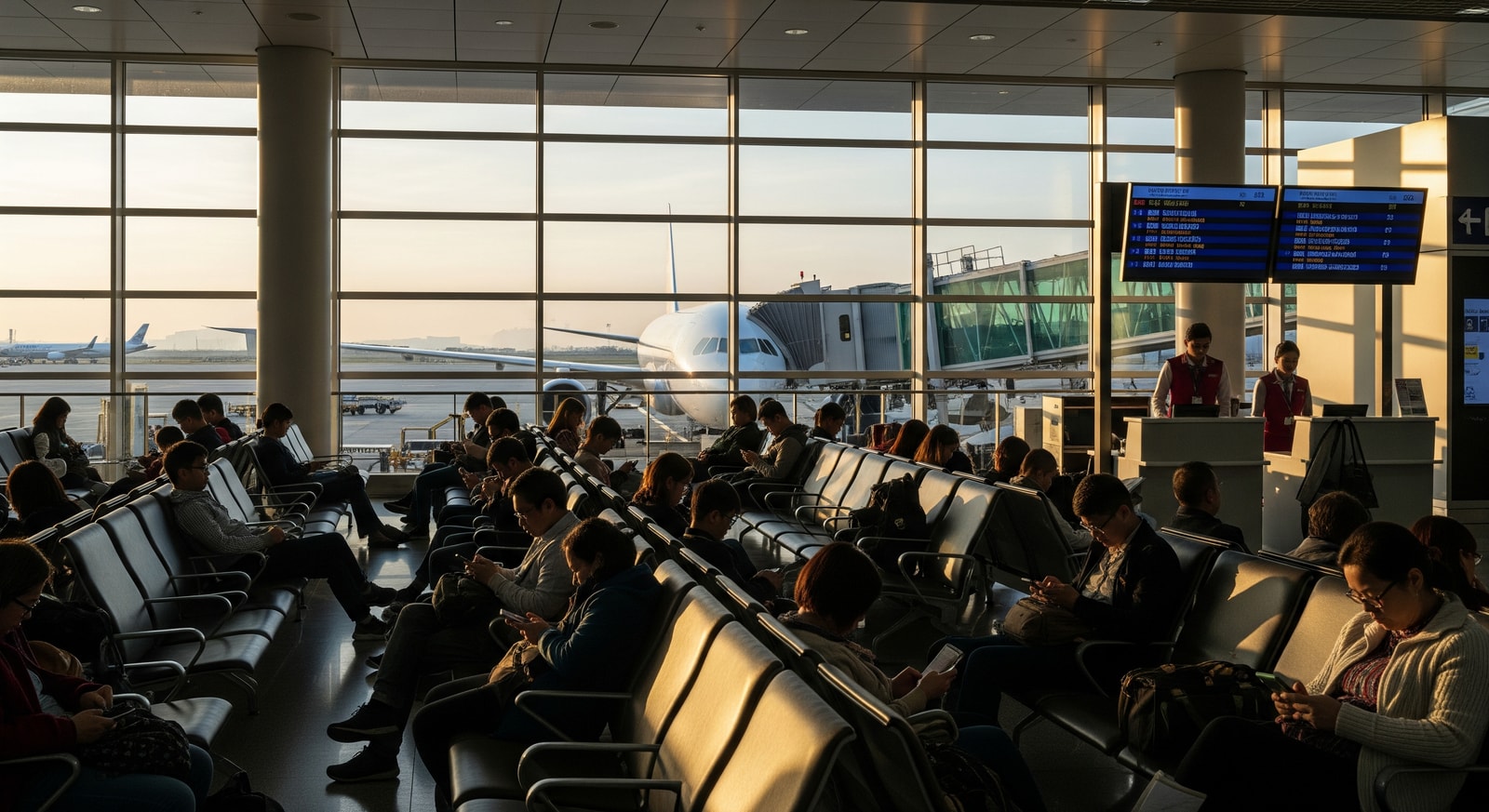
Asia flight delays disrupted thousands of travellers as 4,418 delays and 79 cancellations were recorded across 19 major airports, impacting carriers including IndiGo, Air India and China Eastern.
Summary: Asia flight delays impacted thousands as 4,418 delays and 79 cancellations were recorded across 19 major airports, with Jakarta, Mumbai and Shanghai among the hardest hit.
Travel and aviation operators across Asia experienced significant disruption after a dataset showed 4,418 delays and 79 cancellations spread over 19 major airports, leaving thousands of travellers stranded and affecting both regional and international services.
Overall scale of the disruption
The reported figures cover a broad geographical area including Indonesia, India, China, Thailand, Vietnam, Singapore, South Korea, Japan and Türkiye. The total combines delays and cancellations recorded at major hubs during the same reporting period.
- Total delays: 4,418
- Total cancellations: 79
- Airports covered: 19 major Asian airports
Most affected airports
Delay and cancellation tallies were concentrated at several large airports. Jakarta recorded the most delays, while Dalian reported the largest number of cancellations in the dataset.
- Soekarno-Hatta International Airport, Jakarta: 476 delays, 6 cancellations
- Chhatrapati Shivaji Maharaj International Airport, Mumbai: 391 delays, 2 cancellations
- Shanghai Pudong International Airport: 377 delays, 11 cancellations
- Suvarnabhumi Airport, Bangkok: 355 delays, 1 cancellation
- Indira Gandhi International Airport, Delhi: 337 delays, 3 cancellations
- Noi Bai International Airport, Hanoi: 323 delays (no cancellations reported)
- Incheon International Airport: 309 delays (no cancellations reported)
- Dalian Airport: 233 delays, 26 cancellations (highest cancellation total)
- Singapore Changi Airport: 257 delays, 1 cancellation
- Urumqi: 256 delays, 3 cancellations
- Istanbul: 240 delays, 8 cancellations
- Tokyo Haneda: 187 delays
- Phuket: 151 delays
- Beijing Daxing: 143 delays, 11 cancellations
- Jeju: 102 delays
- Chiang Mai: 83 delays
- Kolkata: 77 delays, 1 cancellation
- Fukuoka: 62 delays, 2 cancellations
- Chennai: 59 delays, 4 cancellations
Airlines with the largest disruptions
A range of carriers—both regional and international—reported heavy delay volumes. Several airlines also logged multiple cancellations at key airports.
- IndiGo: 293 total delays and 4 cancellations across Mumbai, Delhi, Kolkata and Chennai
- Air India: 199 delays across multiple Indian hubs
- China Eastern: 152 delays and 8 cancellations (concentrated at Shanghai Pudong)
- Vietnam Airlines: 145 delays across Hanoi and Bangkok
- Thai Airways: 105 delays (Bangkok, Chiang Mai)
- Korean Air: about 100 delays (Incheon, Jeju)
- Pegasus Airlines: 175 delays and 8 cancellations (Istanbul)
- VietJet Air: 117 delays (Hanoi, Bangkok, Incheon)
- Batik Air: 112 delays and 6 cancellations
- Singapore Airlines: 52 delays at Singapore Changi
- Japan Airlines: 82 delays
- Asiana: 54 delays
- SpiceJet: 97 delays
- China Southern Airlines: over 150 delays across Chinese airports
What affected passengers should do
- Check live flight status through airline apps and official airport websites before leaving for the airport.
- If delayed or cancelled, rebook immediately via the airline’s official channels (app, website or service desk).
- Request meals, accommodation or transport assistance from the airline when eligible.
- Keep boarding passes, receipts and any communication from the airline for reimbursement or compensation claims.
- Allow extra time for connections and contact onward carriers to manage missed connections.
Why this matters to travellers and the industry
Extensive delays and cancellations at major hubs disrupt itineraries, add costs for passengers and place pressure on airline operations and airport services. For travellers, the immediate impacts are missed connections, longer transit times and potential out-of-pocket expenses. For carriers and airports, sustained disruption can erode customer confidence and increase operational and compensation costs.
So what? If you have upcoming travel in or through Asia, expect potential delays at several hubs and plan accordingly: monitor your flight, allow more connection time, and be prepared to engage with your carrier for rebooking or assistance.
Sources