Delta has begun nonstop Boston to Honolulu flights, offering New England travellers a direct route to Hawaii without connections.
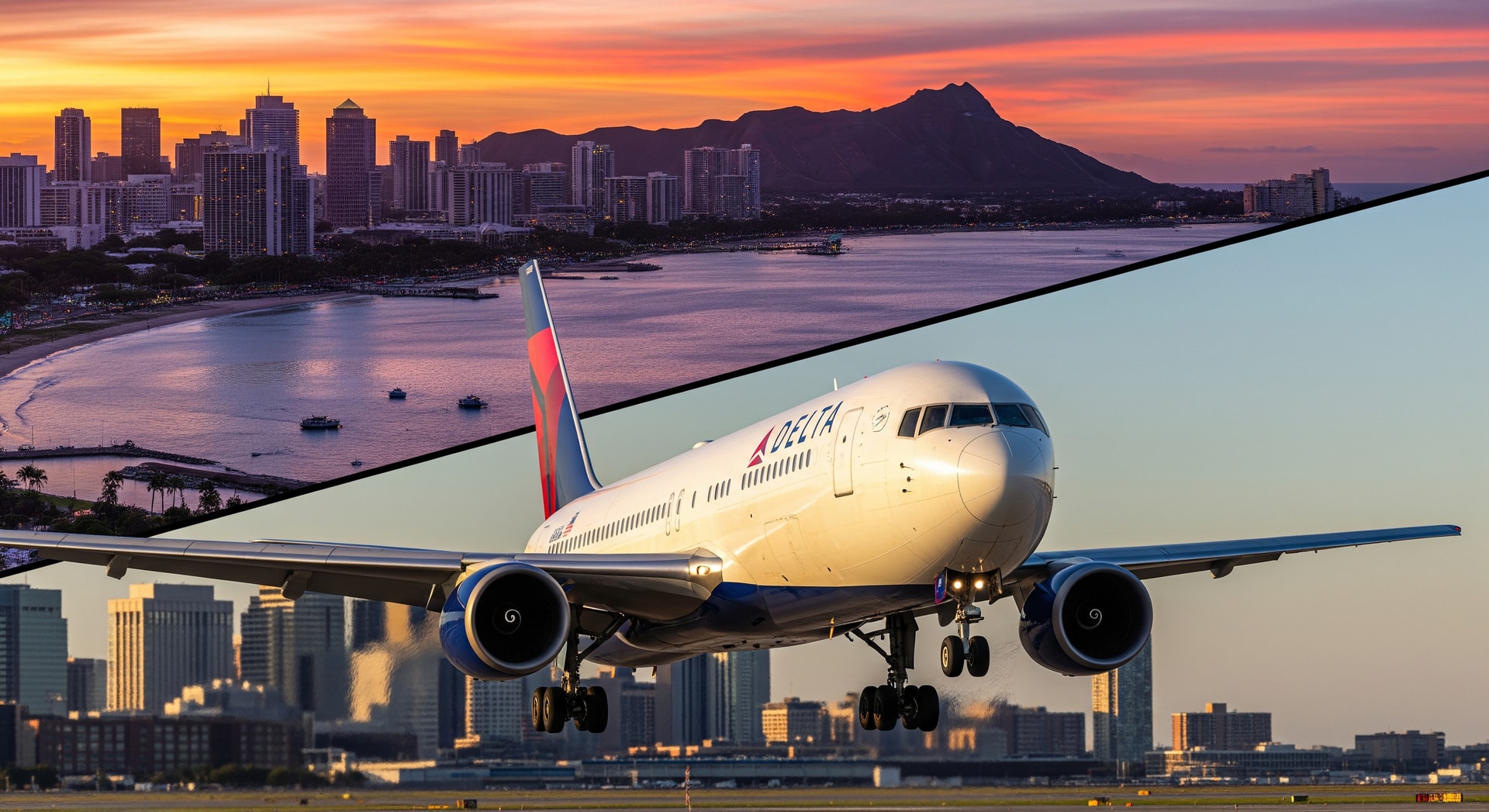
Summary: Delta Air Lines has launched nonstop service between Boston Logan (BOS) and Daniel K. Inouye International Airport (HNL), operating a retrofitted Boeing 767-300ER with Delta One suites on a flight of nearly 11 hours — a new direct link between New England and Hawaii.
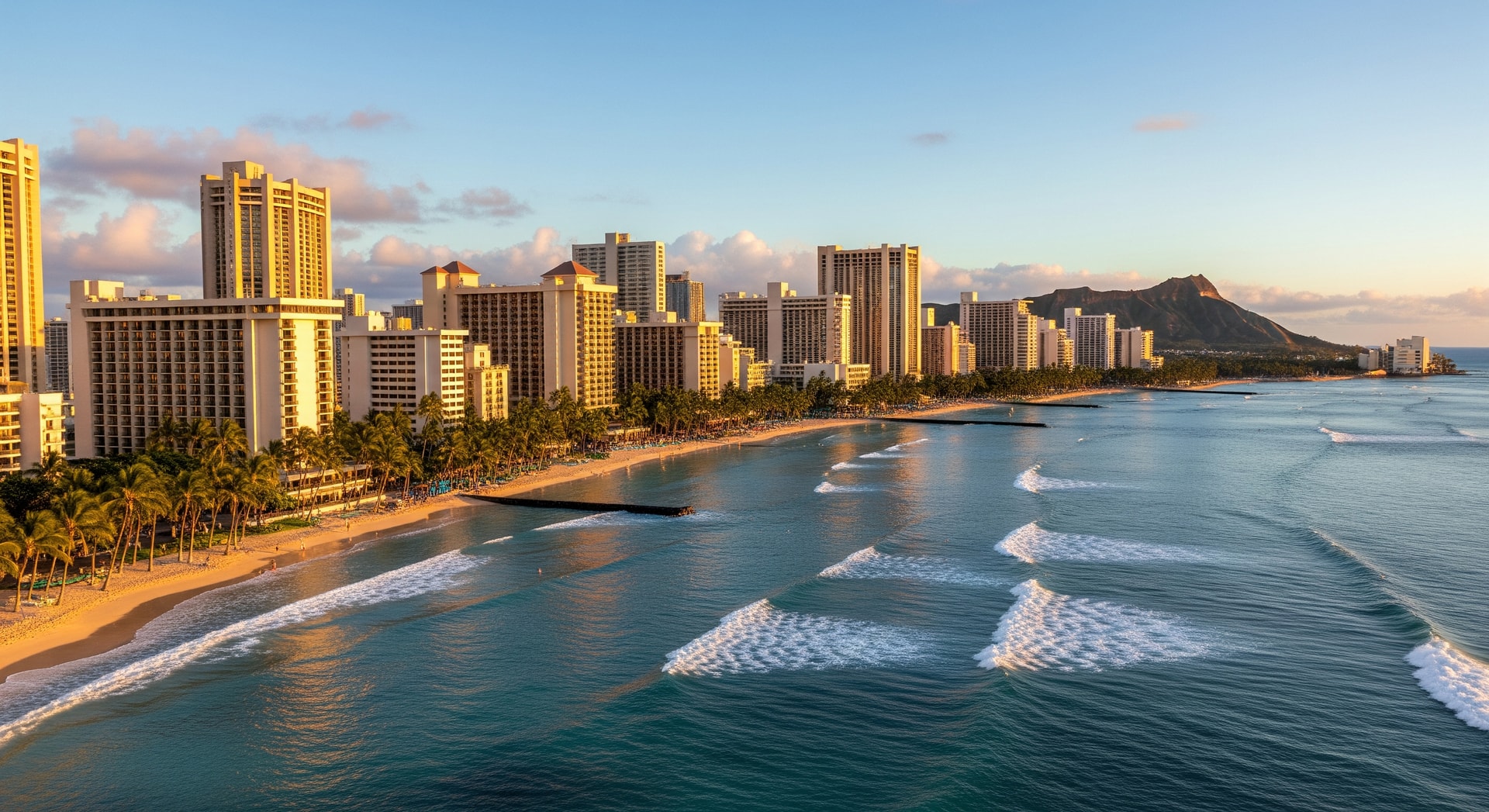
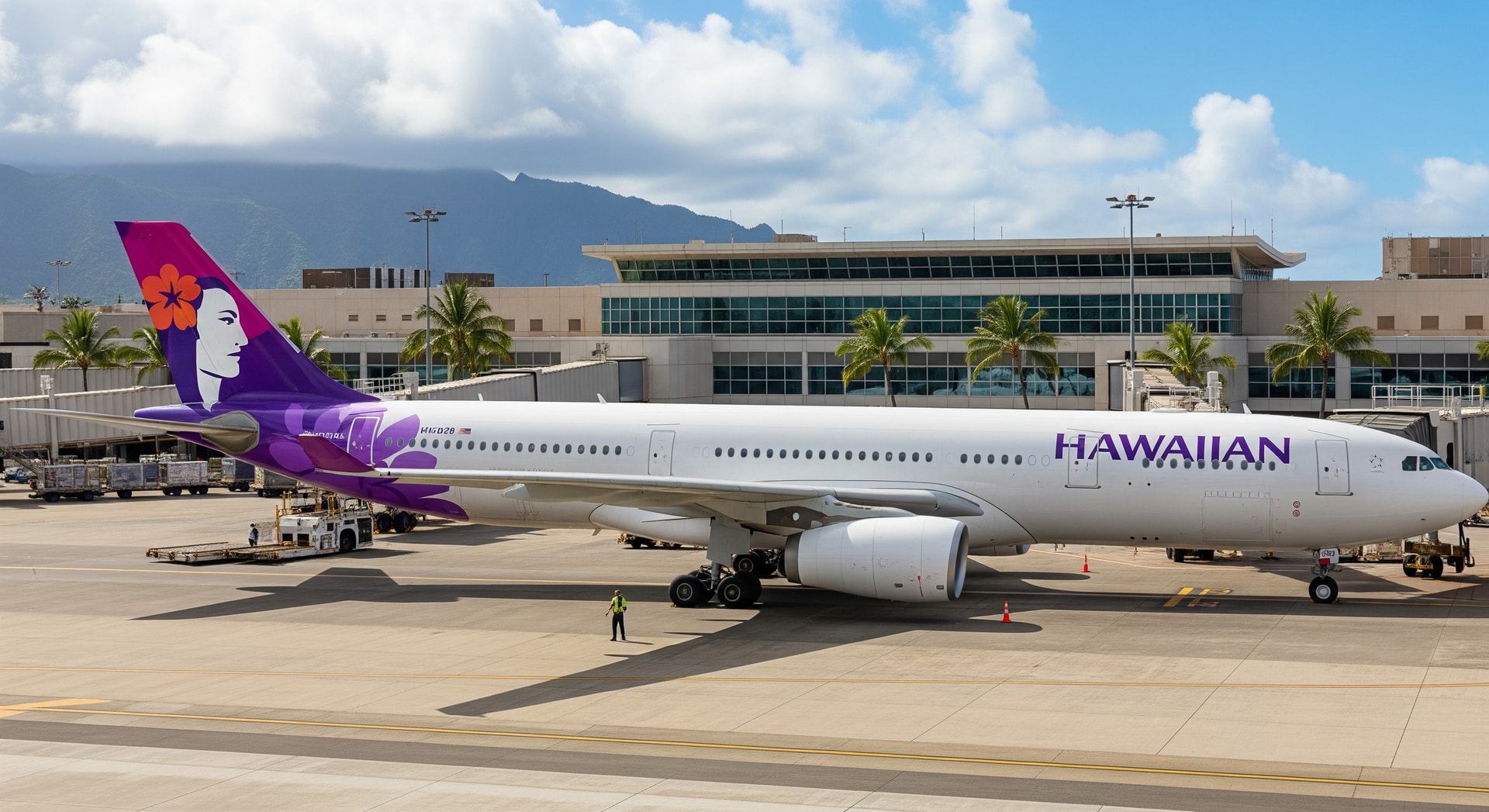
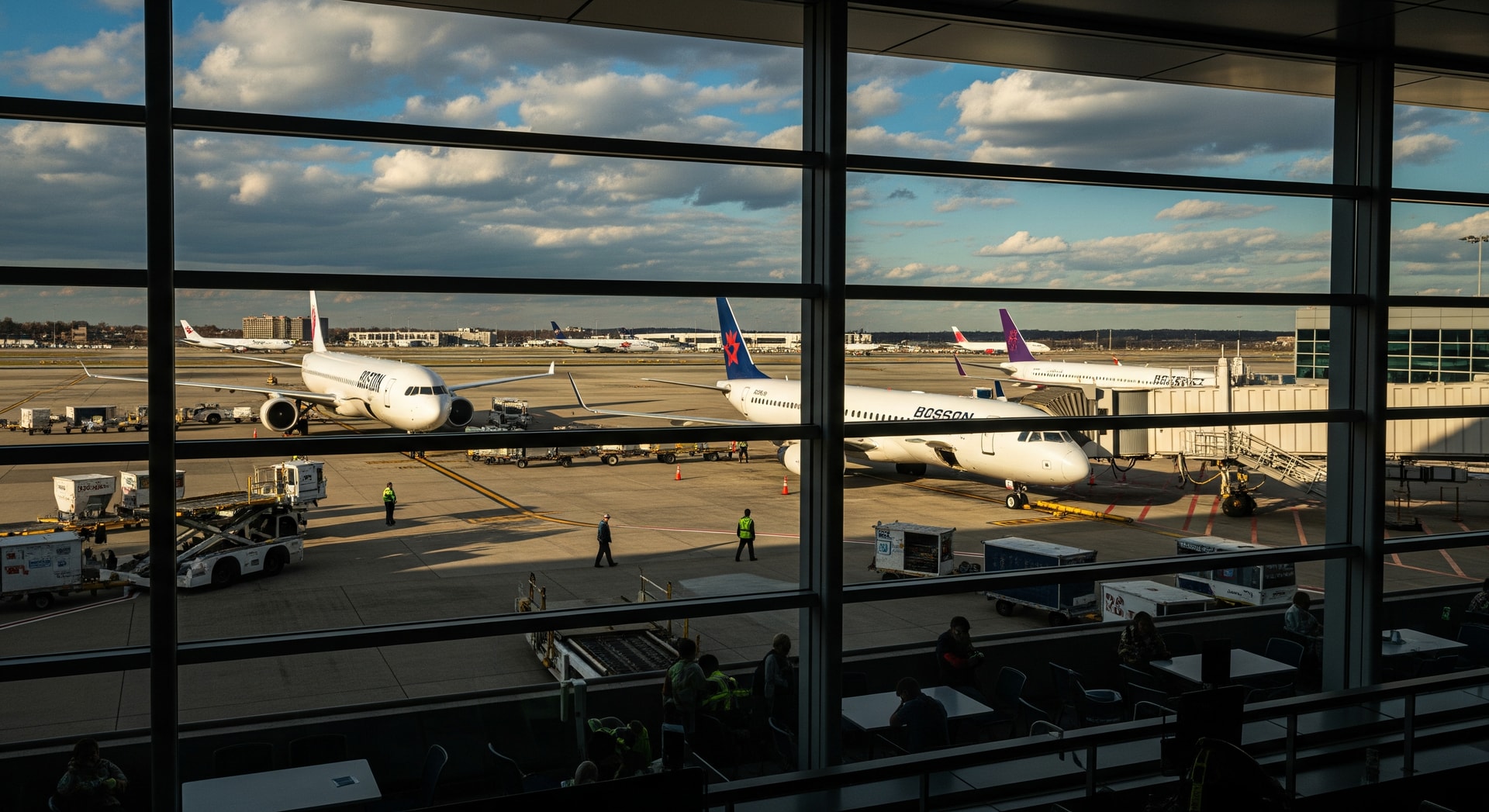
Delta Air Lines has introduced nonstop Boston to Honolulu service, creating a direct connection between Boston Logan International Airport (BOS) and Daniel K. Inouye International Airport (HNL). The new route removes the need for mid-journey connections and offers New England travellers a seamless way to reach the Hawaiian Islands.
A landmark nonstop link between Boston and Honolulu
Delta officially launched the nonstop route as part of an expansion of its New England network. The carrier is operating the service with a long-range widebody aircraft, aiming to provide a reliable, single-aircraft option for travellers between the East Coast and the Pacific islands.
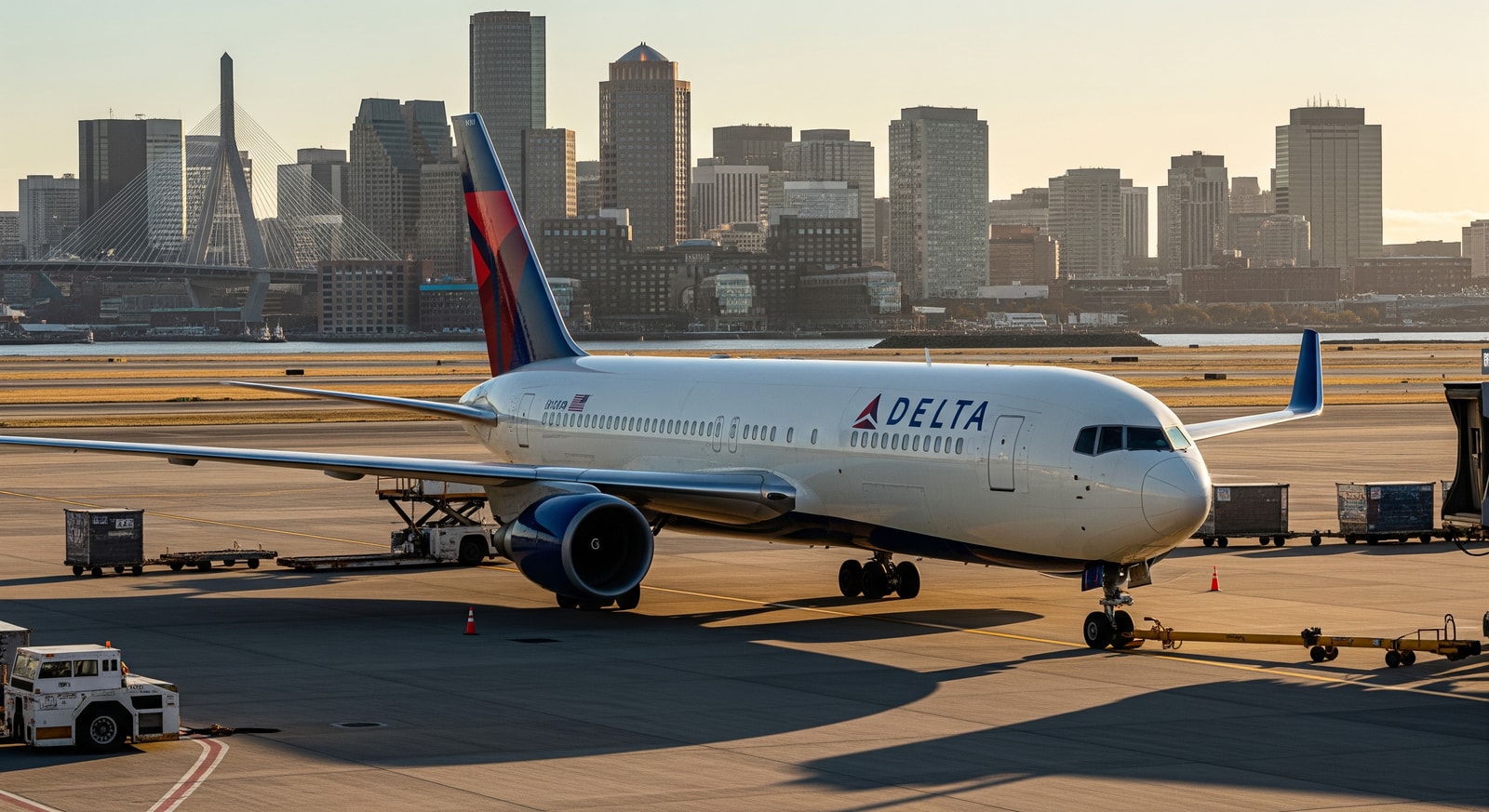
Regional reports from Massport and industry observers confirm the aircraft used is a Boeing 767-300ER that has been retrofitted to meet the endurance needs of the nearly 11-hour journey. The nonstop link has attracted attention across social media and travel communities as a long-sought convenience for Bostonians visiting Hawaii.
Premium onboard experience emphasises passenger comfort
Recognising the duration of the flight, Delta has prioritised its premium cabin offering. The service features the full Delta One suite experience, including lie-flat seats, privacy dividers and elevated dining curated by leading chefs. The airline positioned the route to appeal to both passengers seeking luxury and families wanting a direct, stress-free option.
Economic benefits for New England and Hawaii
Officials say the new link could deliver measurable economic gains. The Hawaii Tourism Authority (HTA) expects direct access from a high-income market like Boston to boost visitor spending, while Boston Logan administrators noted the route strengthens ties between Massachusetts and the Pacific. The U.S. Department of Transportation (DOT) has praised the network planning behind the expansion.
The 'Mega-Domestic' trend: long-haul domestic routes in 2026
The Boston–Honolulu nonstop is part of a wider 2026 trend toward long-haul domestic services, sometimes termed 'Mega-Domestic' routes. With international travel subject to variable rules, demand for long-distance domestic travel has surged. The World Travel & Tourism Council (WTTC) has highlighted increasing interest in high-comfort, nonstop journeys that combine international-like distance with the simplicity of domestic travel.
- Route: Boston Logan International Airport (BOS) — Daniel K. Inouye International Airport (HNL)
- Aircraft: Boeing 767-300ER, retrofitted for long-haul operation
- Flight duration: Approximately 11 hours
- Premium offering: Full Delta One suite with lie-flat seats and upgraded dining
Who stands to gain from the new service
Leisure travellers in New England gain a direct path to Hawaiian beaches without the disruption of connections. The route also offers advantages for business travellers and families seeking fewer schedule risks. Airlines and tourism authorities anticipate longer stays and deeper cultural engagement from New England visitors, which could support local businesses in Hawaii.
For Boston Logan, the service enhances the airport’s long-haul portfolio and provides a headline route that links two distinct U.S. regions. For Hawaii, it opens another direct market, potentially broadening the mix of visitors and travel patterns.
What this means for travellers
The nonstop Boston–Honolulu service reduces travel complexity and total journey time variability by removing connection points. Passengers can expect a higher level of onboard comfort for overnight travel and easier planning for vacations and business trips between New England and the islands.
So what? For travellers, the new nonstop means fewer logistical headaches and a more comfortable long-haul experience; for the industry, it represents strategic network growth that could shift travel patterns between the East Coast and Hawaii.
Sources