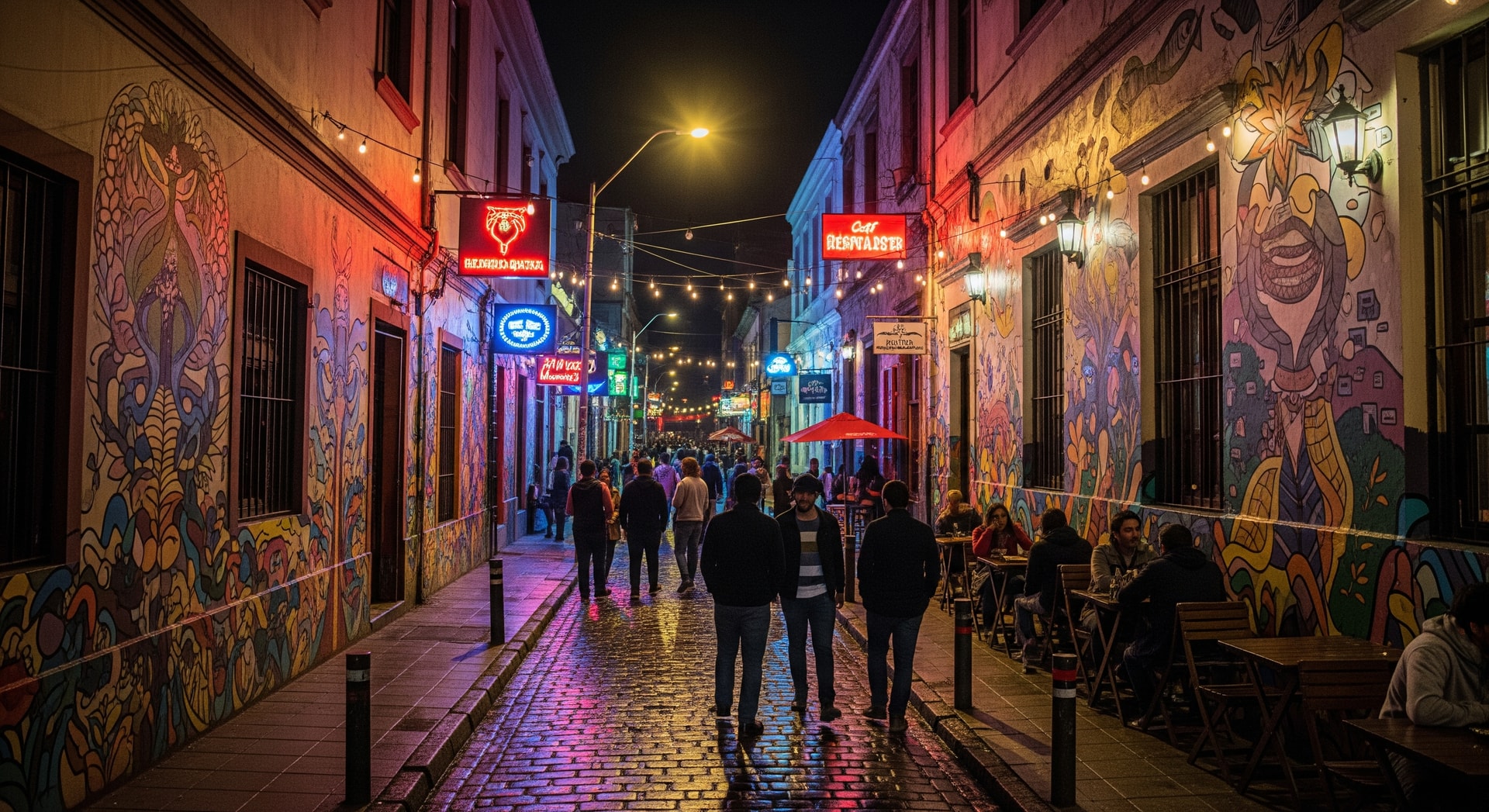
Algeria tourism took centre stage at BIT Milan 2026 as the country promoted its Sahara adventures, Roman archaeological sites and the Saint Augustine religious route to international audiences.
Summary: Algeria tourism featured at the 46th BIT Milan (Feb 10–12, 2026), with a delegation promoting desert experiences, Roman archaeological sites and the Saint Augustine religious trail, alongside local handicrafts and efforts to boost international investment.
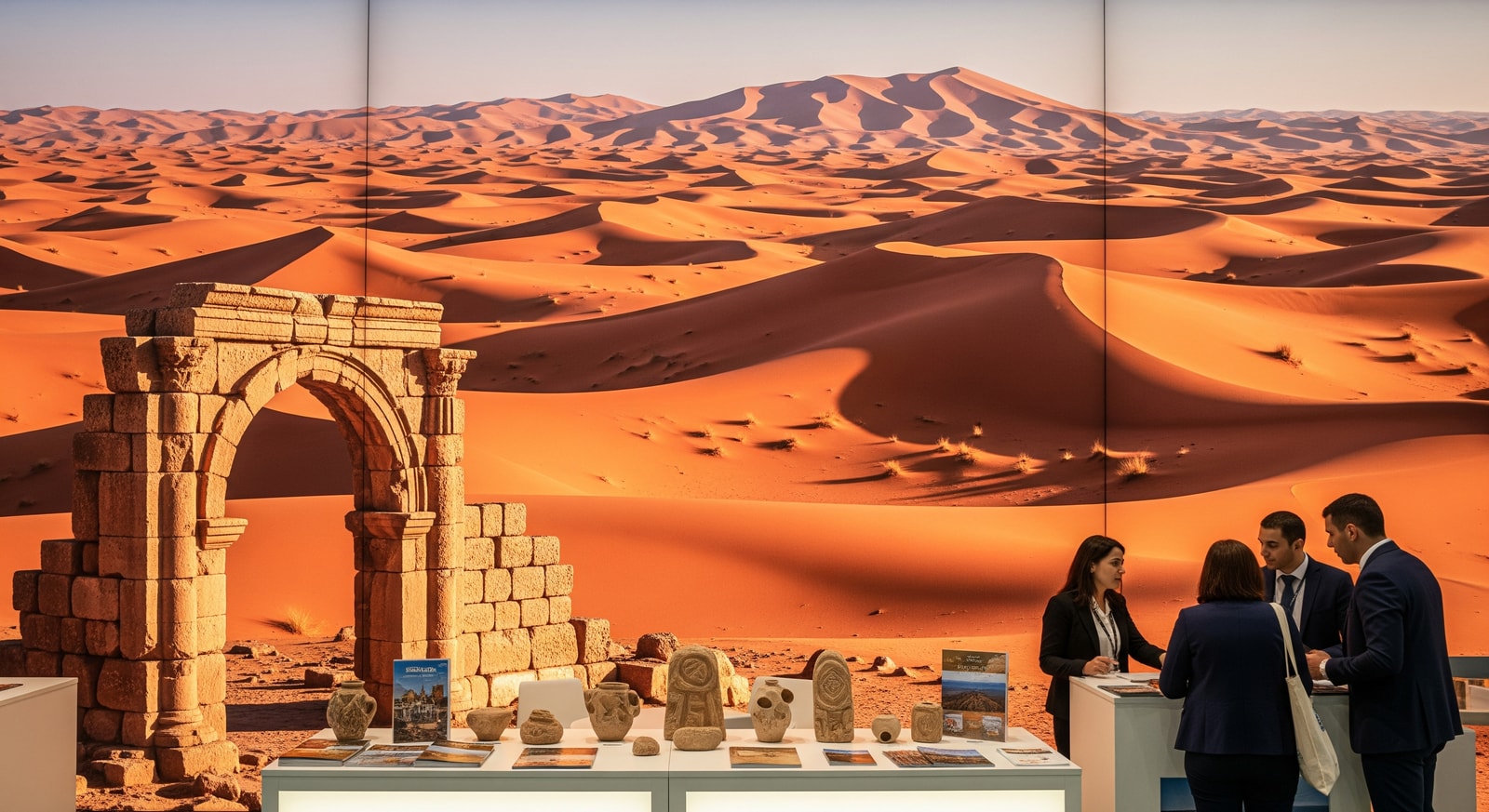
Algeria tourism was the focus of a dedicated national presence at the 46th Borsa Internazionale del Turismo (BIT) in Milan, held from February 10 to 12, 2026 at Fiera Milano City. The Algerian delegation — made up of tourism operators, artisans and cultural representatives — aimed to raise international awareness of the country’s travel offerings and investment potential.
Algeria at BIT Milan: Strategic international outreach
Participation at BIT Milan forms part of the Ministry of Tourism and Handicrafts’ wider campaign to position Algeria as a distinctive global destination. By attending one of Europe’s key travel fairs, Algerian authorities and industry stakeholders sought to connect with tour operators, media and potential investors.
Desert tourism: the Sahara as a signature product
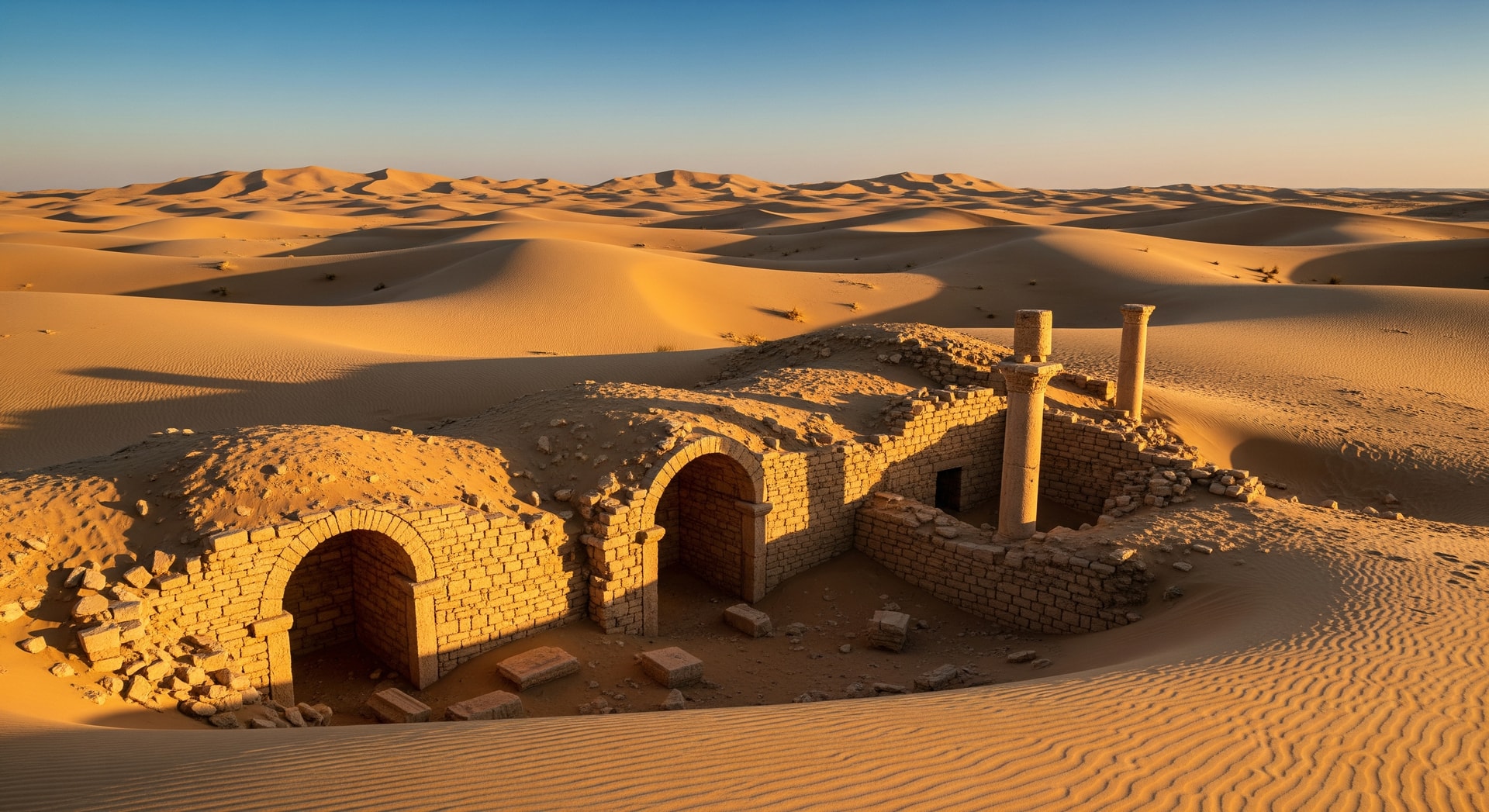
A central theme of Algeria’s pavilion was desert tourism. The country’s expansive Sahara — with sweeping dunes, remote oases and historic caravanserais — was promoted as an immersive alternative for travellers seeking solitude, landscape-driven adventure and cultural encounters with Bedouin traditions.
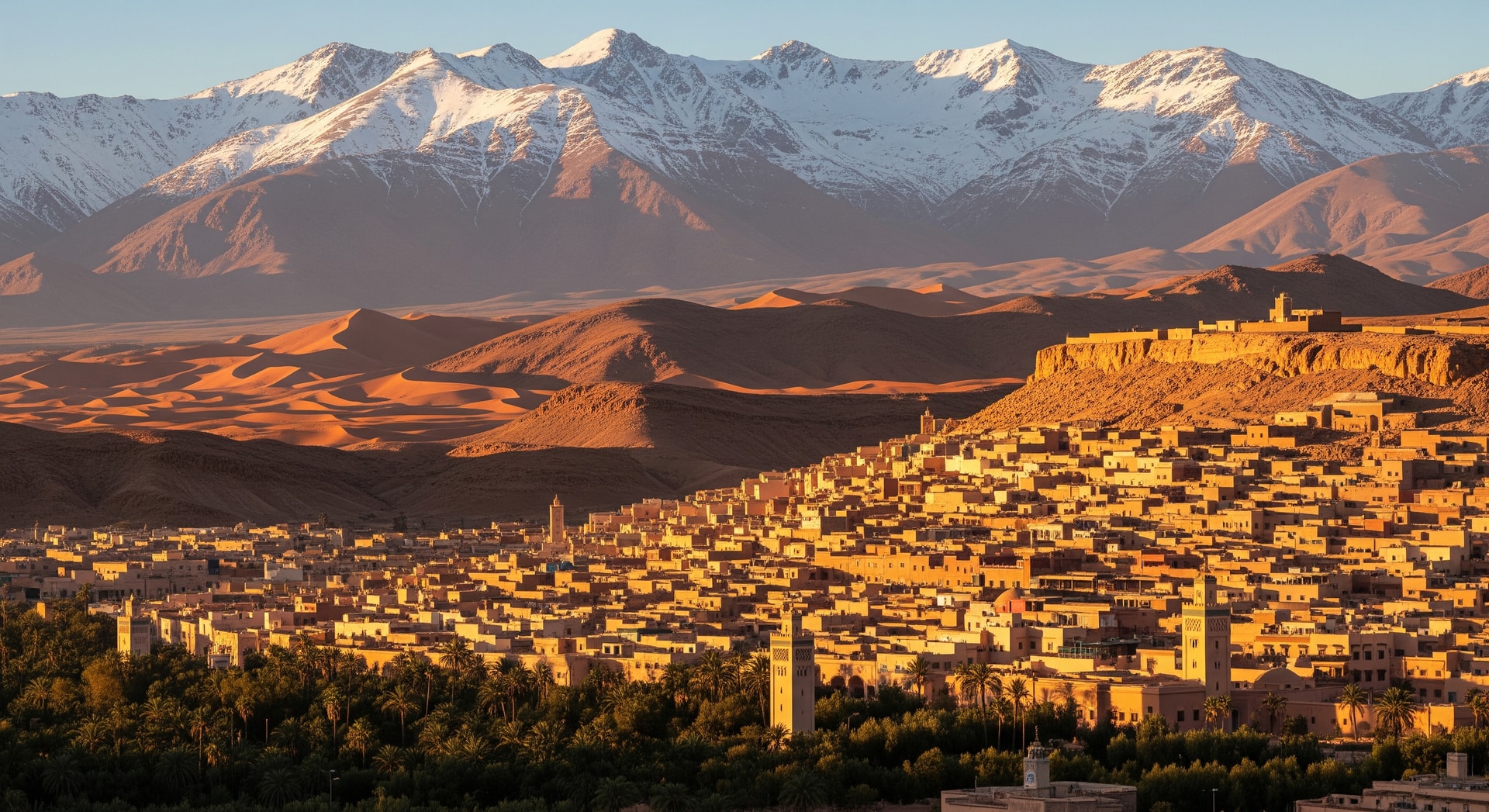
Specific desert highlights referenced at the show included journeys to the ochre town of Timimoun and excursions to Tassili n’Ajjer National Park, both positioned as off-the-beaten-path experiences for international visitors.
Roman archaeology and historical sites
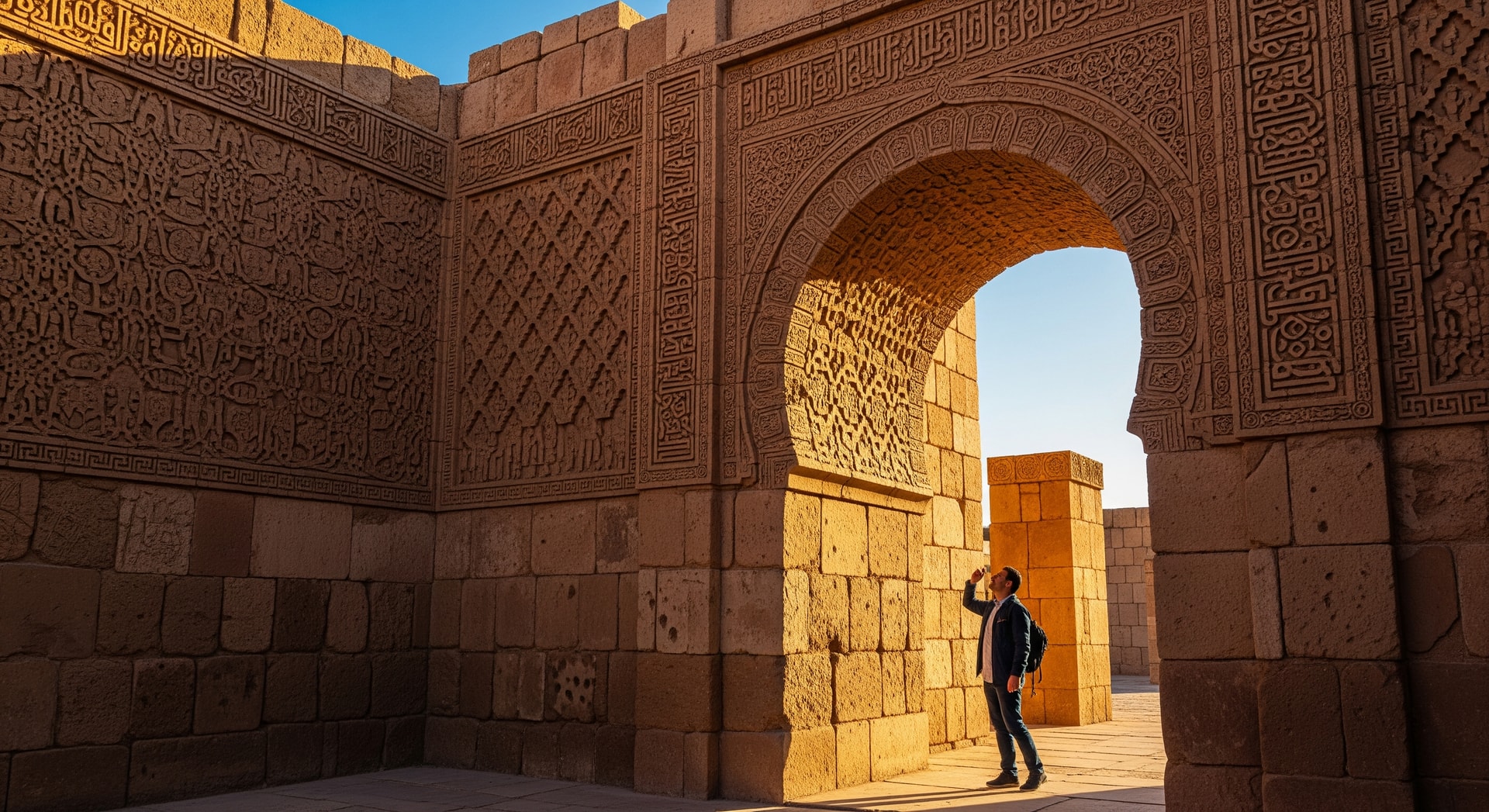
Algeria also emphasised its extensive Roman heritage, described as the world’s second-largest concentration of Roman ruins after Italy. Ruined cities such as Timgad and Djemila were showcased to attract history enthusiasts and cultural tourists interested in well-preserved archaeological sites.
Religious tourism: the Saint Augustine trail
The delegation promoted the Saint Augustine trail as a niche but growing draw, especially among Italian pilgrims and travellers. The route visits sites tied to Saint Augustine of Hippo, including his birthplace in Thagaste (modern-day Souk Ahras) and other pilgrimage-relevant landmarks across Algeria.
Handicrafts and living culture on display
Algerian artisans formed part of the exhibition, presenting textiles, pottery, jewellery and leather goods. The live display of handicrafts aimed to underline the country’s cultural identity and appeal to travellers seeking authentic cultural experiences and tangible souvenirs.
Regional cooperation and economic potential
Beyond promotion, Algeria used BIT Milan to deepen ties with international travel professionals and neighbouring markets. Officials pitched tourism as a driver of diversification, job creation and infrastructure investment, emphasising the sector’s capacity to stimulate local economies.
- Event: BIT Milan, 46th edition, February 10–12, 2026
- Venue: Fiera Milano City, Milan, Italy
- Delegation: tourism operators, craftsmen and cultural representatives
- Key focuses: desert tourism, Roman heritage, Saint Augustine trail, handicrafts
By presenting a mix of adventure, history and faith-based routes, Algeria is positioning itself to attract diverse visitor segments and foreign investment — a strategy intended to strengthen its tourism industry in the years ahead.
What this means for travellers and the industry
For travellers, Algeria’s BIT presence signals expanding international visibility and improved product development across several niches: immersive desert itineraries, well-maintained archaeological circuits, and emerging religious routes. For tour operators and investors, the country’s push highlights new partnership and product opportunities in North Africa.
So what? Increased promotion at events like BIT Milan can lead to more international flights, better tour infrastructure and higher-quality visitor services in Algeria — changes that make it easier and more attractive for travellers to plan visits and for businesses to invest in the country’s tourism future.
Sources