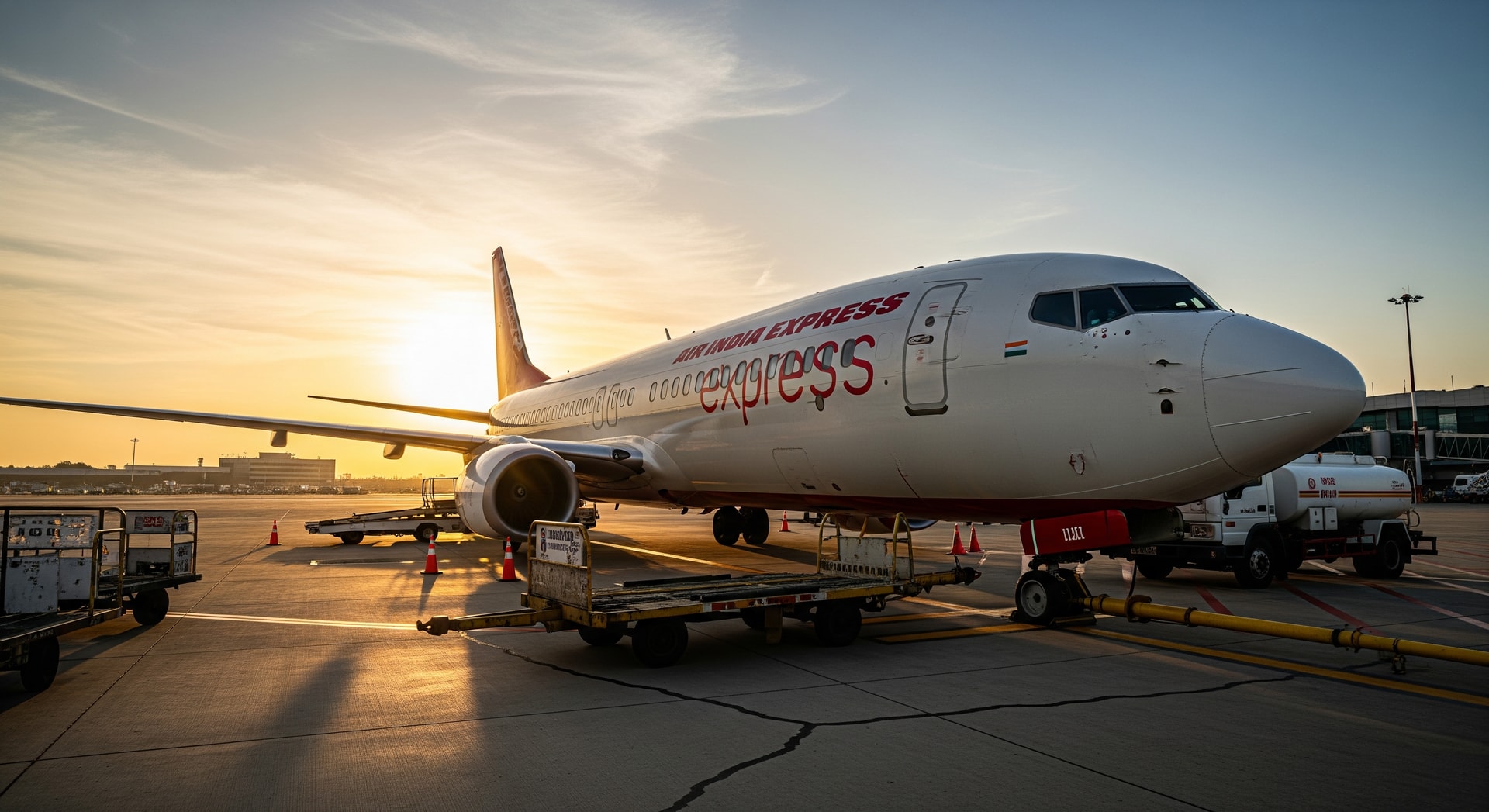
The Air India Express turnaround is moving toward its first operating profit since the Tata Group acquisition in 2022, alongside route and capacity expansion that could widen low-cost travel options across India and Southeast Asia.
Summary: The Air India Express turnaround is approaching a milestone—its first operating profit since the Tata Group acquired the airline in 2022—while the carrier expands routes and capacity across India, the Middle East and Southeast Asia. The airline operates more than 100 narrowbody aircraft today and plans to exceed 200 within four to five years.
Air India Express, a low-cost carrier headquartered in Kochi, is preparing to report its first operating profit since it was acquired by the Tata Group in 2022. The airline’s expected shift toward profitability comes as it increases capacity and broadens its network, changes that could influence both domestic travel within India and international tourism flows to nearby regions, including Southeast Asia.
The development is positioned as an important step in the wider Tata Group-led effort to improve performance across the Air India Group. The broader turnaround has taken place amid operational constraints and geopolitical pressures, but the latest indicators described in the report suggest progress as the airline moves closer to profitability following privatization.
Expanded routes and capacity for India, Middle East and Southeast Asia
According to the report, Air India Express has been building out its network by adding capacity and expanding routes on both domestic services and popular international corridors. The airline has emphasized destinations in the Middle East and Southeast Asia, aiming to increase the number of affordable options available to travelers.
The article highlights Dubai, Doha and Singapore as examples of destinations expected to see benefits from expanded Air India Express services. For tourists, the implication is more choice in schedules and potentially lower-cost access to major hubs that connect onward to other parts of the region.
Connectivity gains for leisure and business travel within India
As operations scale up, the report links the airline’s growth to improved connectivity for different traveler segments. It points to leisure demand for destinations such as Kerala and Goa, while also noting business travel into Kochi as another area where additional flight options can help close connectivity gaps.
- Leisure travel: more access to destinations such as Kerala and Goa
- Business travel: additional options for travelers flying into Kochi
- International links: expanded services to hubs including Dubai, Doha and Singapore
Operational efficiency cited as a driver of the profit outlook
The report attributes the projected operating profit to a set of operational measures, including tighter cost controls, improved capacity deployment and higher aircraft utilization. These steps are described as enabling the airline to keep fares competitive, which can be particularly important for price-sensitive travelers in a recovering travel market.
It also notes that Air India Express has maintained a focus on short-haul international routes, positioning the carrier as a budget-friendly option for passengers seeking lower-cost flights across nearby regions.
Fleet growth plans: from 100+ narrowbody aircraft to 200+
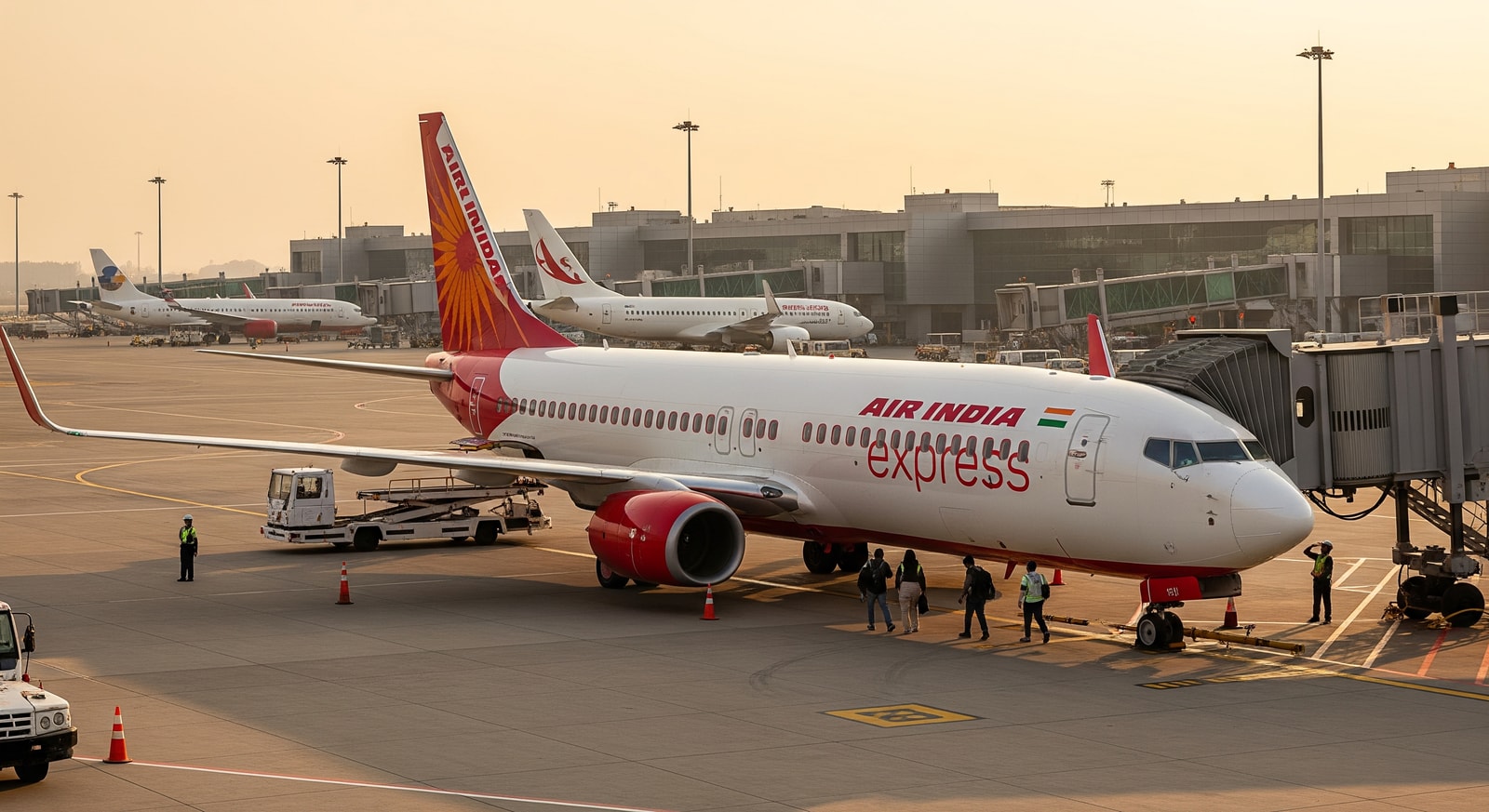
Air India Express currently operates a fleet of over 100 narrowbody aircraft, including both Boeing and Airbus models, the report says. Looking ahead, the airline plans to double its fleet over the next four to five years, with a target of more than 200 aircraft.
The article frames this fleet expansion as a way to increase reach across both established and emerging tourist markets. It also emphasizes the potential impact on smaller cities and under-connected regions in India, where additional aircraft could support stronger regional links and make lesser-known destinations easier to access.
International demand and inbound tourism links to Indian cities
The report places Air India Express’ growth within a broader rise in demand for international travel from India, particularly to Southeast Asia, the Middle East and the Far East. As more travelers seek overseas trips, the airline’s strategy of offering frequent, lower-cost flights is presented as a response to that demand.
It also points to inbound tourism potential, stating that travelers from countries such as Thailand, Malaysia and Indonesia could gain additional options to fly into Indian cities including Chennai, Bangalore and Mumbai—supporting inbound visitor growth alongside outbound travel.
Why the Air India Express turnaround matters for tourism
India’s tourism industry is described as one of the country’s fastest-growing sectors, with a significant role in economic activity and job creation. Against that backdrop, the report argues that Air India Express is positioned to support tourism growth by expanding connectivity within India and strengthening links to international markets.
For travelers, the practical takeaway is that a financially improving low-cost airline with a growing fleet can translate into more seats, more routes and potentially more competitive fares—especially on short-haul international trips. For the wider travel industry, sustained expansion could increase visitor flows to major leisure destinations such as Kerala and Goa, while also improving access to smaller cities that rely on better air links to participate in tourism growth.
Sources