Emirates daily flights between Dubai and Tokyo Narita will begin May 1, 2026, expanding the airline’s Japan network and increasing weekly seat capacity across 28 flights.
Summary: Emirates will start daily Dubai–Tokyo Narita flights on May 1, 2026, operating EK320/EK321. The route becomes Emirates’ second daily Narita service and contributes to more than 22,500 weekly seats across 28 flights to and from Japan.
Emirates is expanding its Japan schedule with new daily flights between Dubai International Airport and Tokyo Narita International Airport, starting May 1, 2026. The airline says the added frequency is designed to meet rising demand for travel between Dubai and Tokyo, a destination described in the report as the “world’s most desirable city.”
Daily Dubai–Tokyo Narita service and flight times
Under the plan, Emirates will operate flight EK320 from Dubai to Tokyo Narita every day. EK320 is scheduled to depart Dubai at 10:30 PM GST and arrive at 1:30 PM JST the next day. The return service, EK321, will leave Tokyo Narita at 9:30 PM JST and land in Dubai at 3:50 AM GST.
Emirates says the daily schedule is intended to give passengers more choice when planning trips between the UAE and Japan, while making Tokyo easier to reach for travelers connecting through Dubai.
How the new flight fits Emirates’ Japan network
The new service will become Emirates’ second daily flight to Tokyo Narita and its fourth route to Japan overall, adding to existing operations that include Osaka and Tokyo Haneda. With the additional frequency, Emirates will offer more than 22,500 weekly seats across 28 flights to and from Japan, according to the report.
- Start date: May 1, 2026
- Route: Dubai International Airport (DXB) to Tokyo Narita International Airport (NRT)
- Outbound: EK320 departs 10:30 PM GST, arrives 1:30 PM JST (next day)
- Return: EK321 departs 9:30 PM JST, arrives 3:50 AM GST
- Japan capacity: More than 22,500 weekly seats across 28 flights
Refurbished Boeing 777-300ER and cabin layout
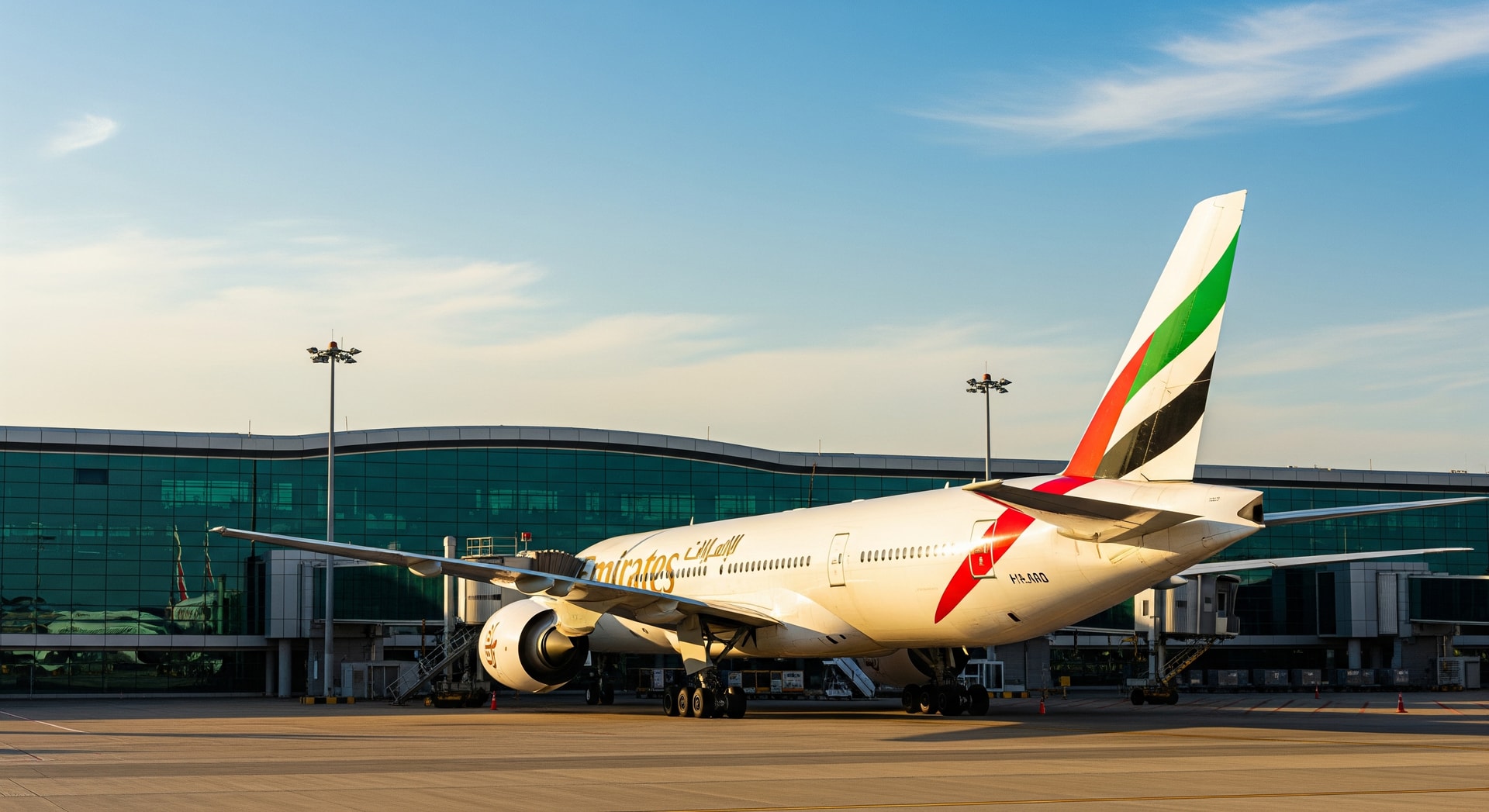
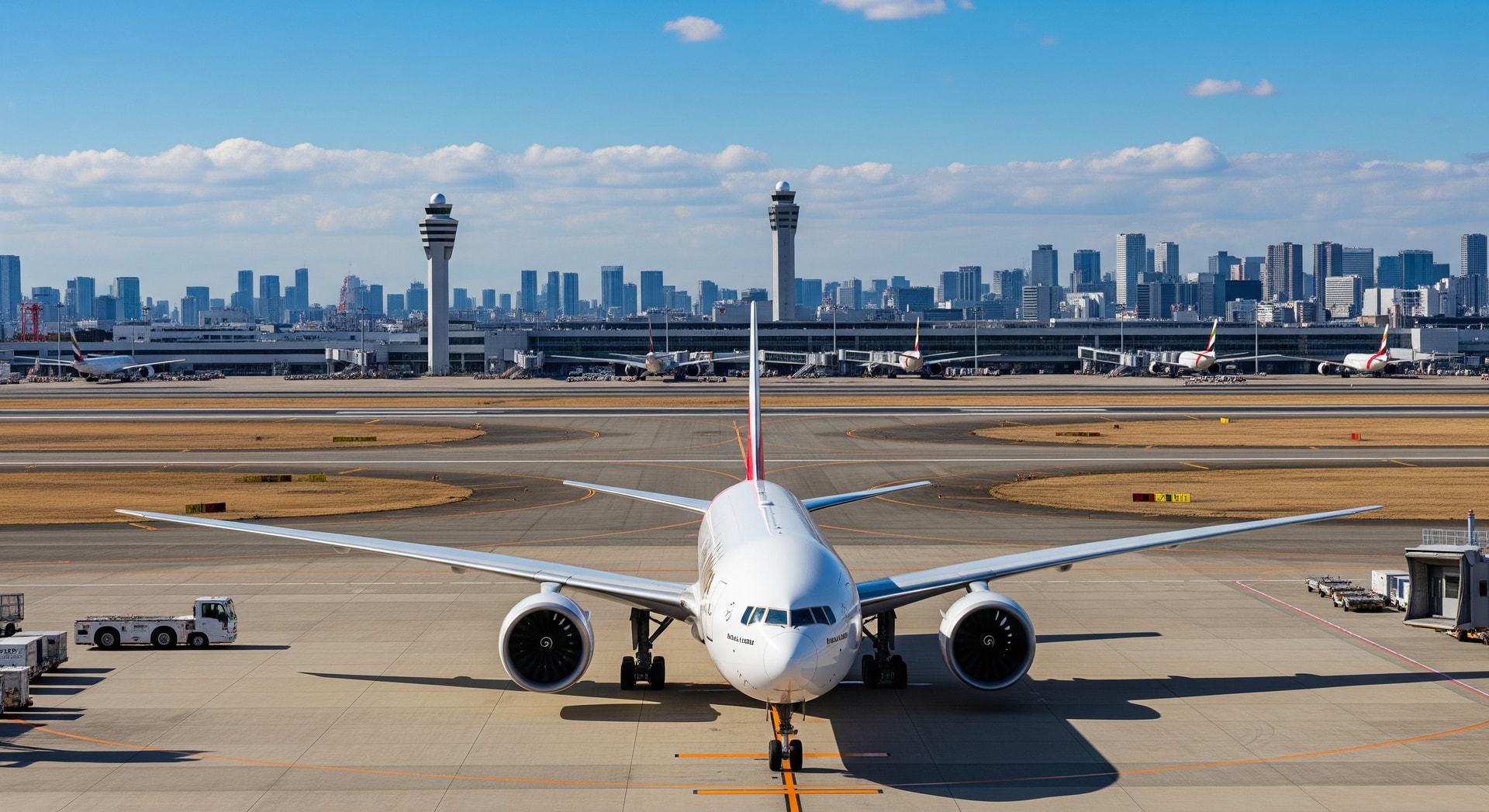
Emirates will use a refurbished Boeing 777-300ER on the Tokyo Narita service. The aircraft configuration listed in the report includes 260 Economy seats, 24 Premium Economy seats, 40 Business Class seats, and eight First Class Suites.
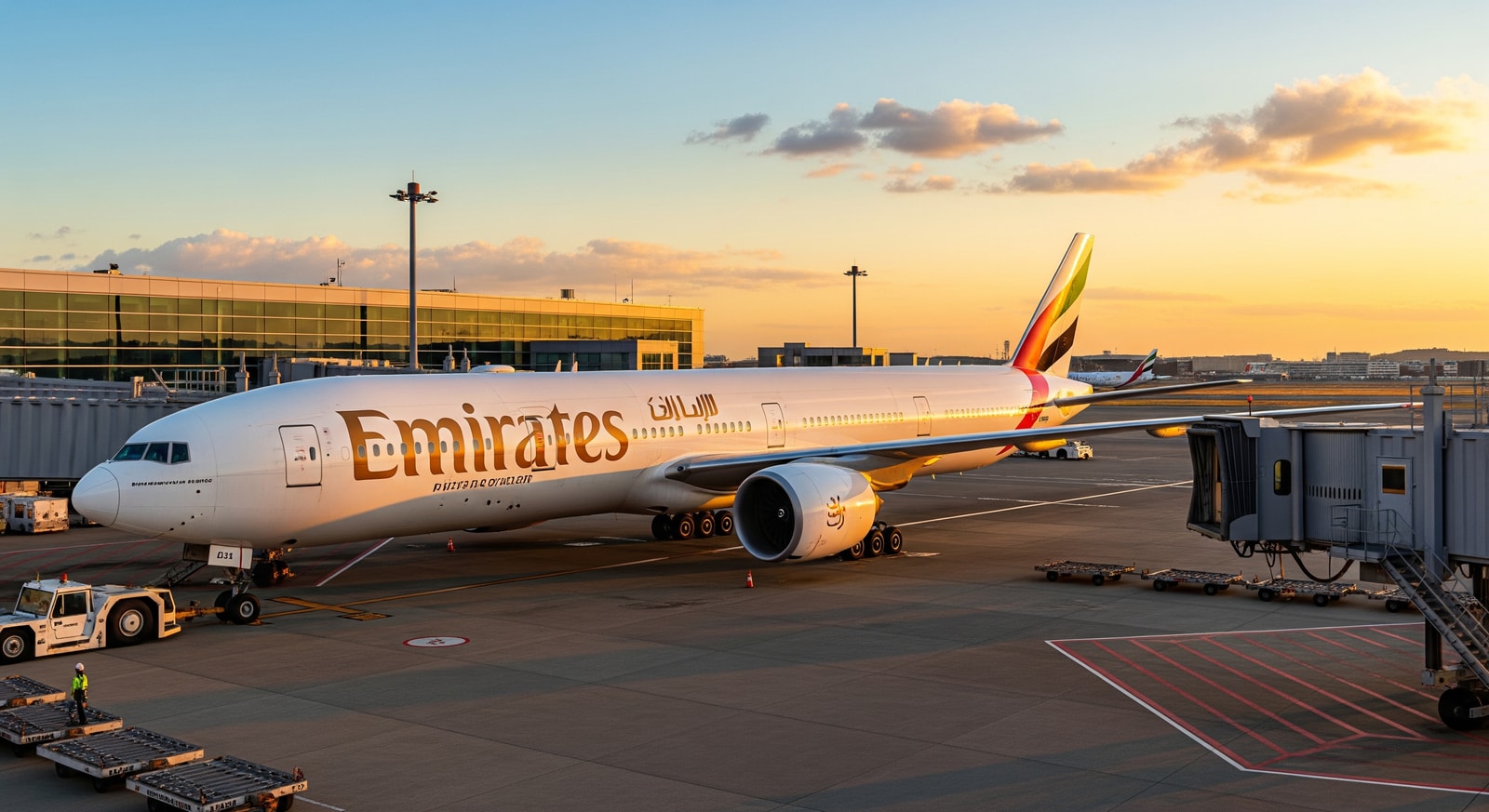
Onboard, the airline will provide its standard service offering, including meal service described as featuring regionally inspired Japanese dishes and a traditional Kaiseki meal tray, alongside entertainment options during the flight.
The report highlights Premium Economy as a likely draw for travelers seeking added comfort, citing extra legroom, a reclining seat, and enhanced dining. It also notes that Emirates’ First Class Suites are positioned as a high-end option focused on privacy and premium service.
Connectivity via Dubai for onward travel
Emirates says the eastbound timing into Tokyo—arriving in the afternoon—should support connections to domestic flights within Japan. The report also states that the schedule can reduce connection times for travelers coming from key markets in Europe and the Middle East.
For the westbound journey, the early-morning arrival into Dubai is positioned as helpful for onward connections. The report specifically points to smoother links to destinations in Europe, Africa, and South America, naming Spain, Portugal, South Africa, Brazil, France, and Egypt as examples of cities that would be easier to reach through Dubai.
Why Tokyo continues to attract global travelers
The report frames Tokyo’s appeal around its mix of modern city life and cultural heritage, pointing to everything from advanced technology and contemporary architecture to temples and historic sites. It also highlights well-known districts such as Shibuya and Harajuku for shopping, nightlife, and street culture.
Beyond leisure travel, Tokyo is described as a major center for business, innovation, and technology, supporting demand from both corporate and holiday travelers. The report also emphasizes the city’s food scene, ranging from Michelin-starred dining to ramen shops and sushi bars.
Sustainability note in the airline’s broader strategy
The report adds that Emirates is continuing to invest in fuel-efficient, eco-friendly aircraft such as the Boeing 777-300ER as part of a wider sustainability commitment, linking the fleet approach to the growing focus on sustainable travel.
What this means for travelers
For travelers, the main impact is more flight choice and potentially easier connections. A second daily Narita frequency can provide additional scheduling flexibility for trips between the United Arab Emirates and Japan, while also expanding options for passengers using Dubai as a hub to connect onward to Europe, Africa, and South America. As airlines add capacity on high-demand routes, travelers may also see more availability across cabins—especially on aircraft offering Premium Economy and First Class Suites—depending on season and demand.
Sources