Fujiyoshida has canceled the Arakurayama Sengen Park Cherry Blossom Festival 2026, pointing to overtourism pressures, congestion, and safety concerns for residents.
Summary: Fujiyoshida in Yamanashi Prefecture has canceled its Arakurayama Sengen Park Cherry Blossom Festival for 2026, citing unmanageable crowding, visitor misconduct, and safety concerns for residents. The city expects visitors will still come for the blooms and plans temporary crowd-control measures during sakura season.
Fujiyoshida, a city in Yamanashi Prefecture at the base of Mount Fuji, has announced it will cancel the Arakurayama Sengen Park Cherry Blossom Festival 2026. The decision marks a notable change to Japan’s spring travel calendar, as the event has been a major draw for visitors seeking the well-known sakura-and-Mount-Fuji panorama.
City officials said the festival will not be held due to growing concerns about overtourism, heavy congestion, and a rising number of incidents affecting local residents. While the festival is canceled, the city acknowledges that travelers are still likely to visit the park during peak bloom.
Why Arakurayama Sengen Park became a global sakura hotspot
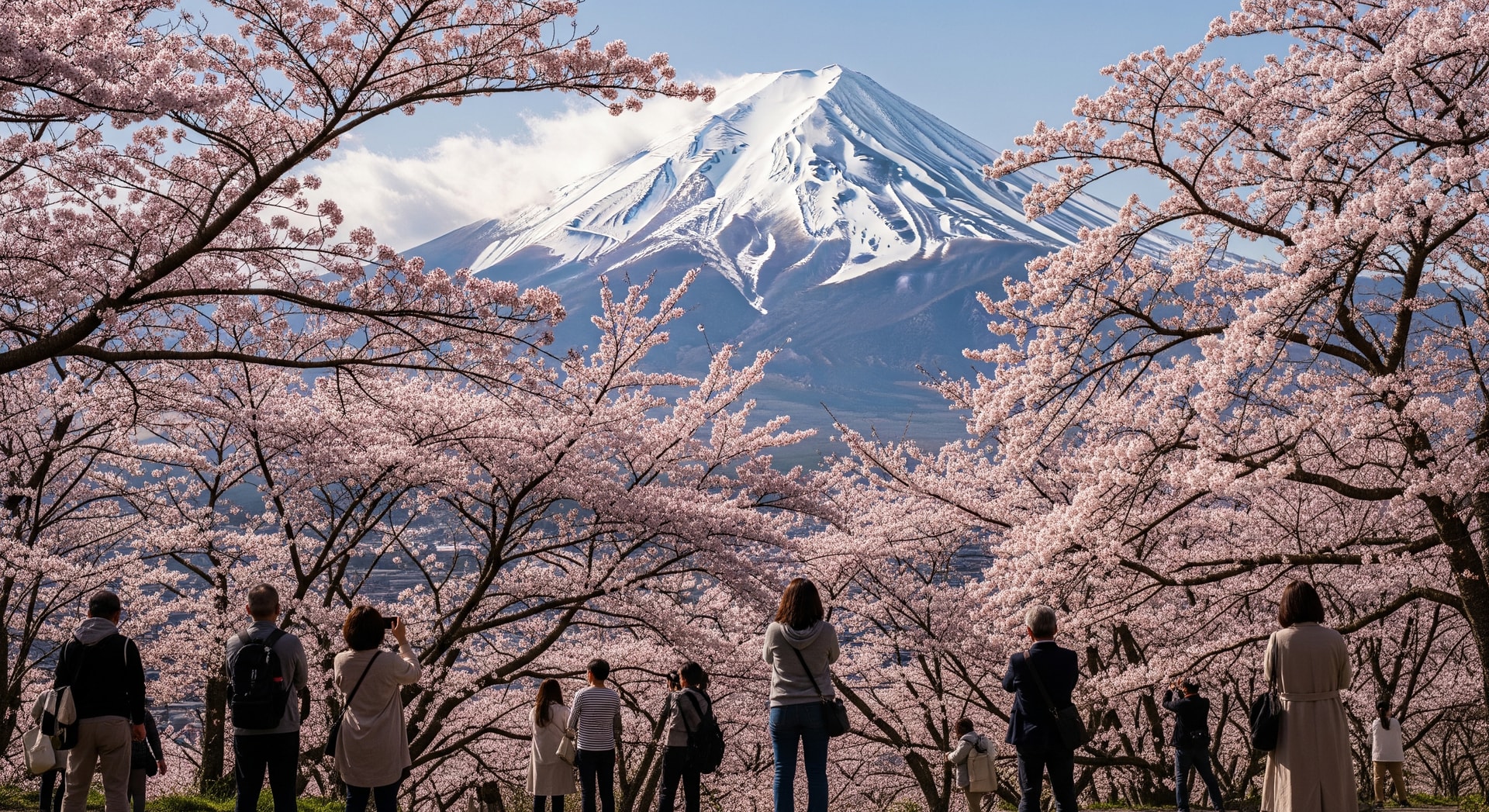
Over the last decade, Arakurayama Sengen Park shifted from a largely regional attraction into an internationally recognized sightseeing location. Many travelers consider it one of Japan’s standout places for cherry blossom season, largely because it offers a highly photographed view of Mt. Fuji.
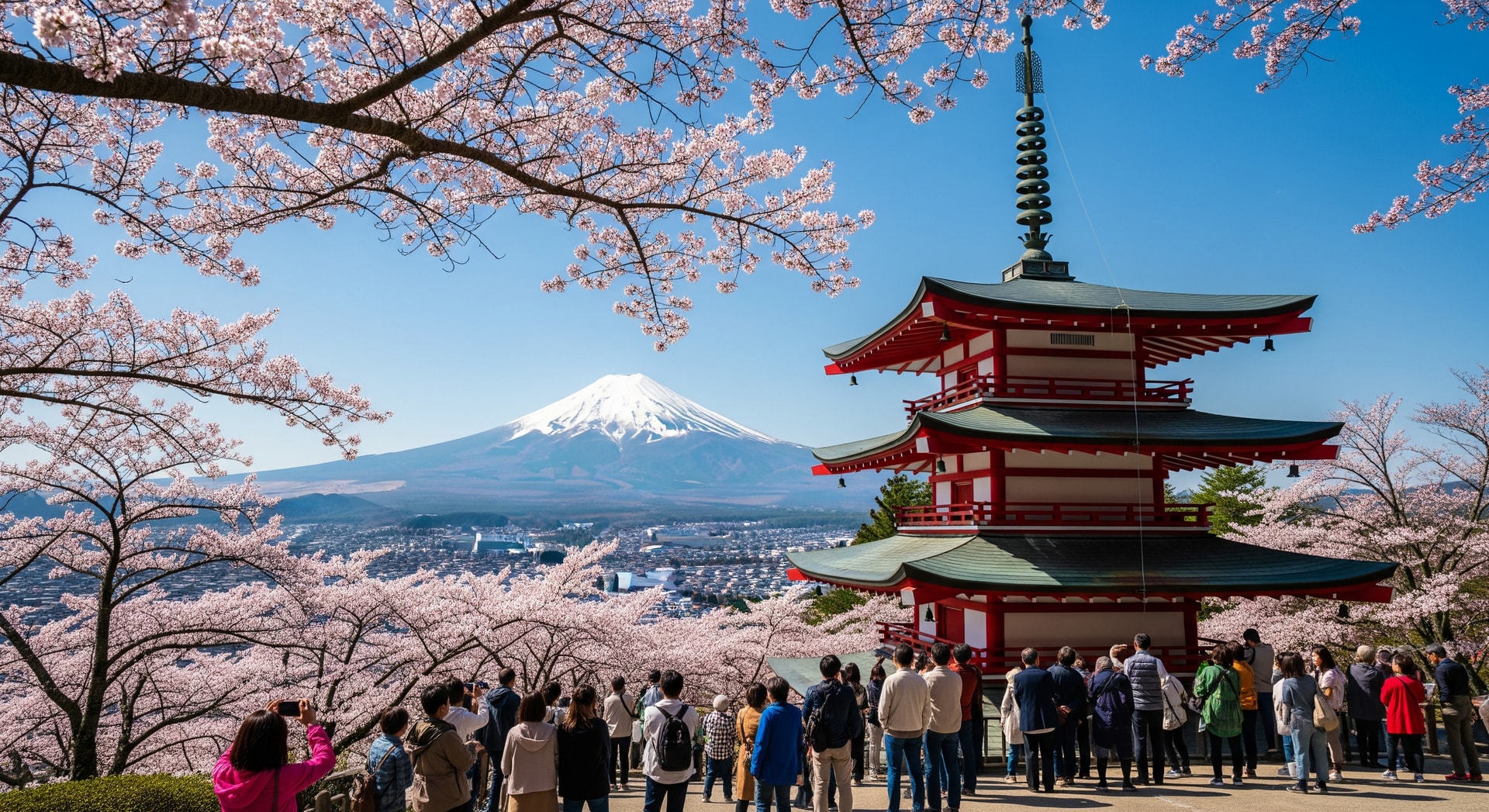
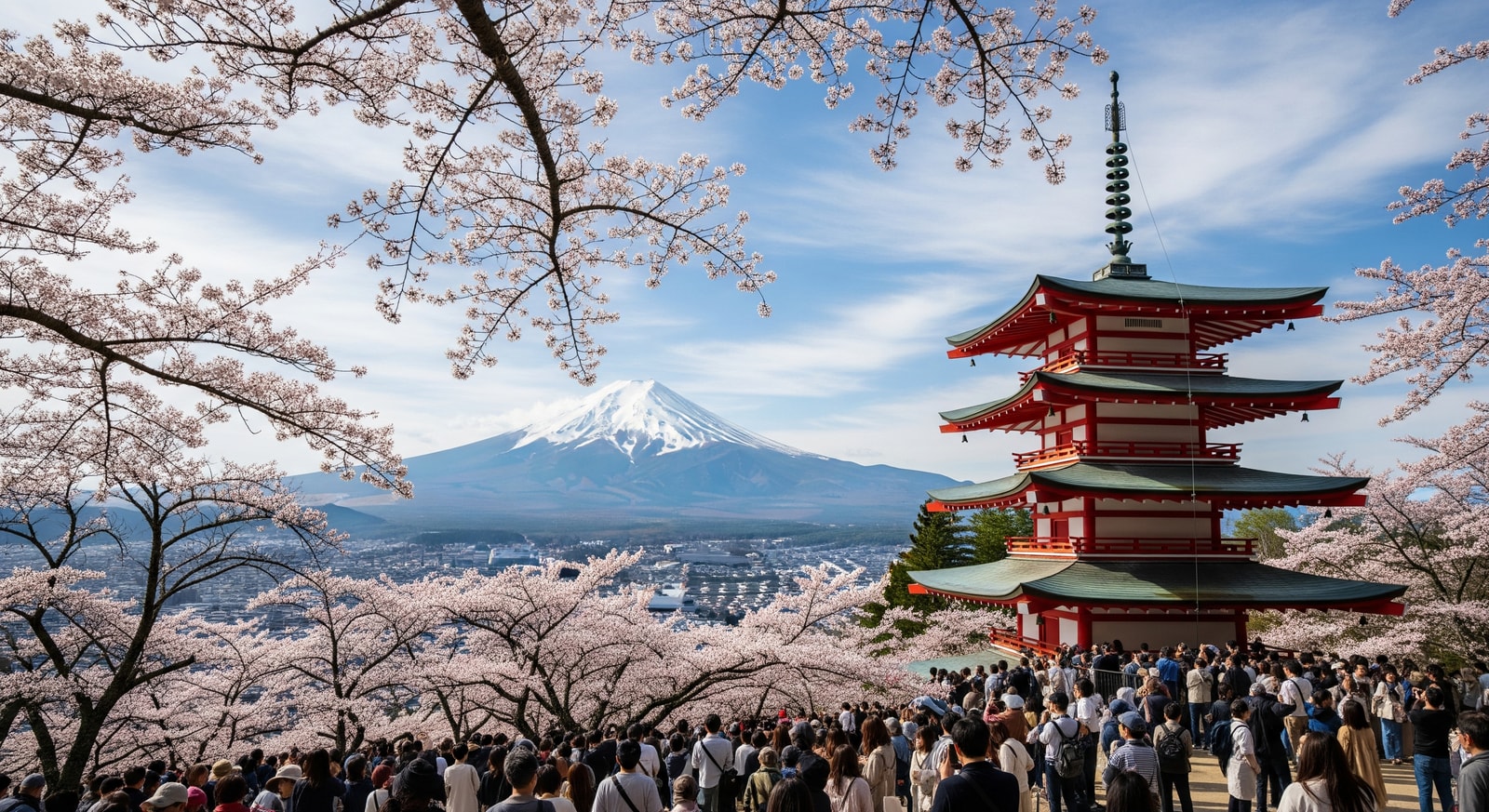
The park’s staircase viewpoint is known for combining three signature elements in a single frame: cherry blossoms, the Chureito Pagoda, and Mount Fuji in the background. As interest grew, the annual festival expanded into a major seasonal highlight, drawing an estimated 200,000 visitors during the peak sakura period each year.
Overtourism and congestion during peak bloom
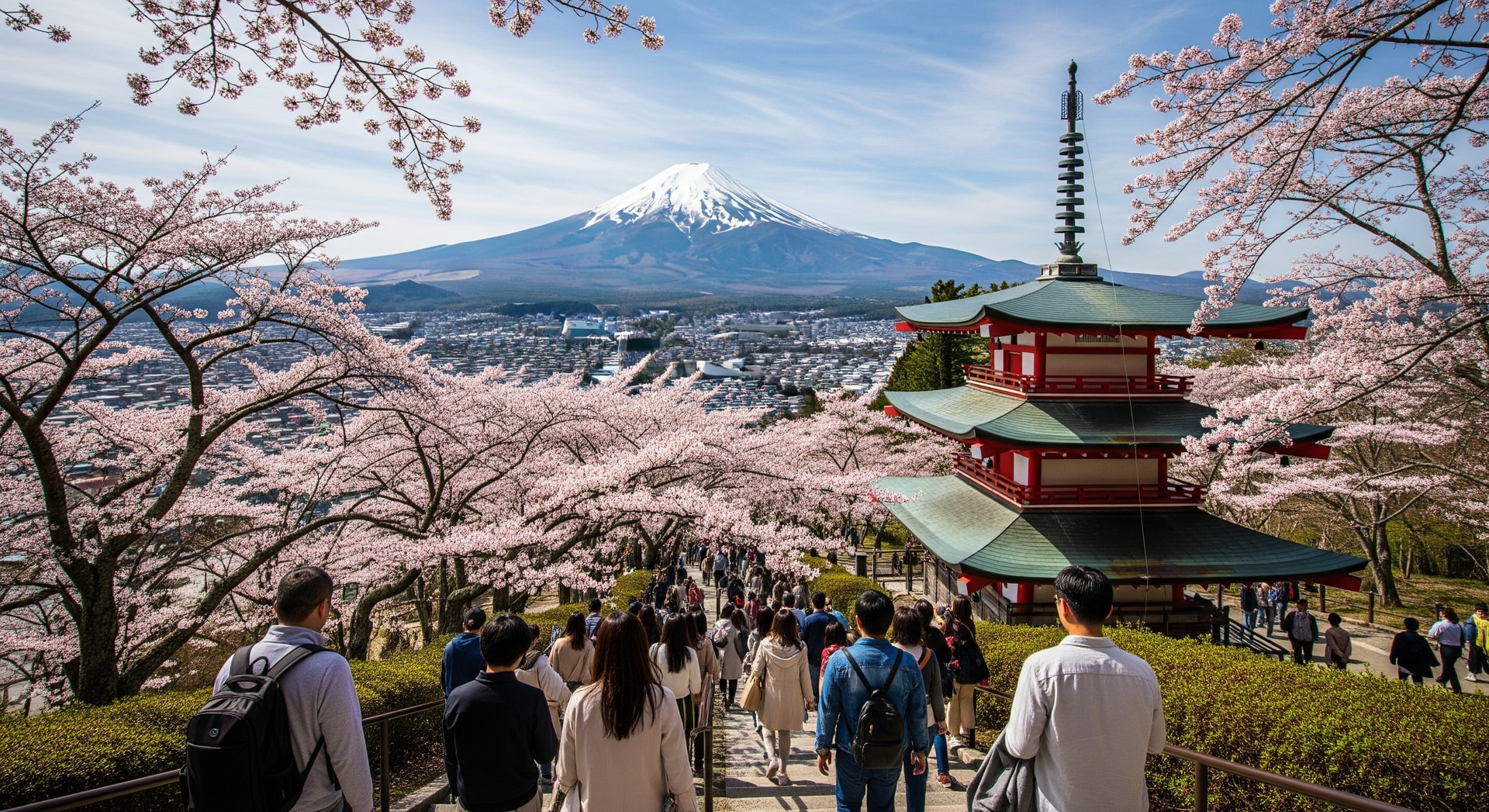
In recent years, Fujiyoshida has faced increasing difficulty managing springtime visitor volumes. During peak bloom, the park has reportedly recorded more than 10,000 visitors per day, with crowding spilling into nearby streets, walkways, and residential areas.
Long queues to reach the most popular viewing points have become common, and the city has seen frequent traffic jams and packed sidewalks. Officials have indicated that the scale of demand has outpaced what local infrastructure in a smaller town can comfortably support.
Visitor misconduct cited as a key factor
Beyond the sheer number of visitors, the city also pointed to reports of disruptive behavior that has strained relations between tourists and residents. Local officials described incidents that residents have faced, ranging from trespassing to sanitation problems and disturbances when homeowners intervened.
- Tourists entering private property without permission
- Visitors attempting to use private homes as restrooms
- Individuals relieving themselves in gardens or yards
- Loud disturbances when confronted by homeowners
Safety concerns for residents and schoolchildren
Fujiyoshida authorities also raised public safety concerns, particularly for children traveling to and from school. During the busiest festival days, narrow sidewalks and roads can become heavily congested, making it harder for residents to move through their own neighborhoods.
Community members have reported that school routes become riskier when crowds overflow into streets and residential pathways. Officials said protecting local safety—especially for children—has become a priority as festival-day conditions increasingly disrupt daily life.
Japan’s inbound tourism surge adds pressure to famous photo spots
The cancellation comes as Japan experiences record inbound tourism. The article links the growth to several factors, including the global popularity of Japanese culture, increased international travel demand after pandemic restrictions, a weakened Japanese yen that makes travel more affordable, and social media attention on iconic viewpoints such as Arakurayama.
Cherry blossom season remains a major travel driver, with many visitors timing trips around bloom forecasts. Fujiyoshida’s sakura-and-Mt.-Fuji view has become one of the strongest magnets for international travelers in spring.
What changes in spring 2026: no festival promotion, but crowd controls planned
Although the official festival is off the calendar, the city expects visitors will still come to see the blossoms. In response, Fujiyoshida plans temporary crowd-management steps during sakura season and said it will avoid promoting the festival or encouraging tourism surges through official tourism channels.
- Increased security and monitoring in key tourist areas
- Temporary parking arrangements to reduce congestion
- Portable toilets to prevent sanitation problems
- Measures to guide visitors away from residential spaces
Potential economic impact for local businesses
The cherry blossom festival has historically supported Fujiyoshida’s tourism economy, benefiting hotels, restaurants, souvenir shops, and transport services during the annual spring rush. With the event removed, tourism-dependent businesses may face uncertainty, even as visitors are still expected to arrive for the blooms.
Officials appear to be prioritizing longer-term sustainability over short-term gains, aiming to reduce pressure on infrastructure while continuing to welcome travelers in a more manageable way.
What travelers should expect when visiting Fujiyoshida in 2026
For spring 2026 visitors, the cancellation does not mean Arakurayama Sengen Park is closed. Travelers can still visit the park’s viewpoints, enjoy Mt. Fuji sightseeing, and explore nearby shrines, cultural landmarks, local food, and regional shopping. However, heavy crowds are still likely during peak bloom weeks.
For travelers, the practical takeaway is that Fujiyoshida is signaling stricter expectations around respectful behavior and movement through residential areas. Visitors should stay on designated paths, avoid trespassing, and follow local rules—both to reduce friction with residents and to help keep the destination accessible in future seasons.
Sources