Simple 4-step process — most applications approved within 48-72 hours
1
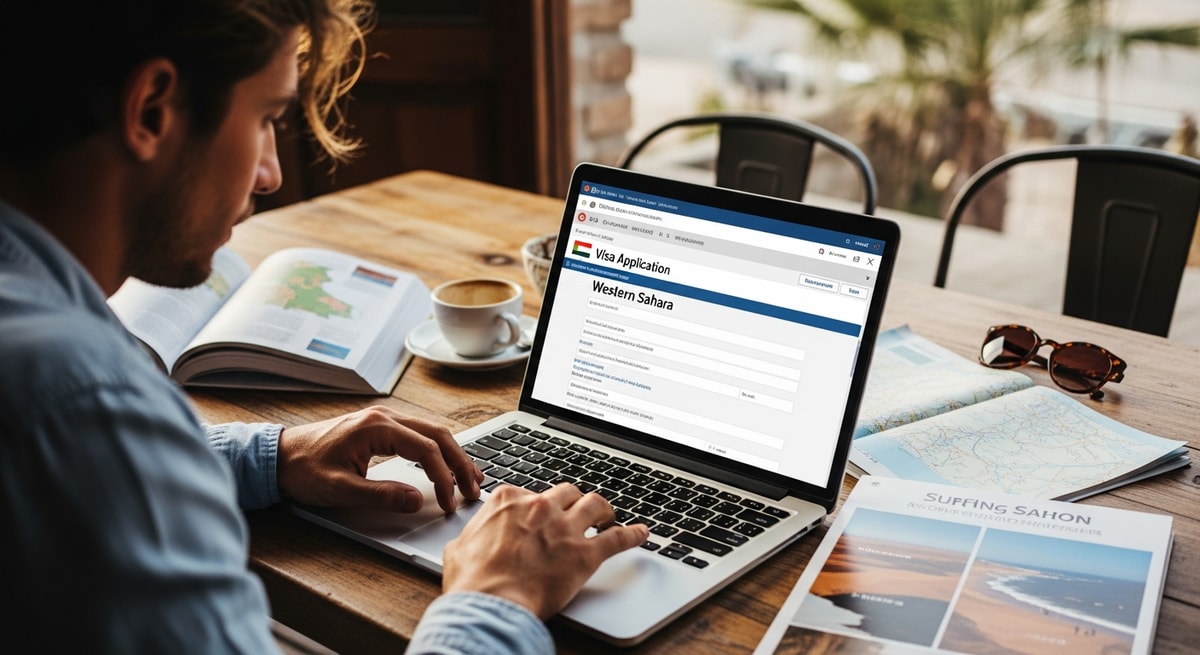
Complete the online application
Fill out our streamlined application form with your personal details, travel plans, and intended destinations in Western Sahara. Since Moroccan visa rules apply in the territory, our system guides you through the specific requirements for entering this unique Saharan region via Morocco.
2
Upload your documents
Submit your passport scan (bio page clearly visible), a recent passport-sized photograph, and proof of accommodation in Western Sahara or Morocco. Our visa specialists review every document against Moroccan immigration standards before submission, significantly reducing the risk of rejection or delays.
3
We process your visa
Your verified application is processed through official Moroccan channels. We monitor processing status in real-time and proactively communicate any updates, requests for additional documentation, or status changes via email and SMS throughout the process.
4
Receive your visa electronically
Your approved visa arrives as a PDF document. Print it clearly on A4 paper and present it at immigration along with your passport. Welcome to Western Sahara and its endless desert horizons and pristine Atlantic waters!
0+Happy Travelers
0/7Expert Support
0%+Approval Rate
0Customer Rating
Western Sahara Visa Requirements & Entry Information
Tourist Visa
Up to 90 days
For tourism, surfing, and desert exploration
Visa Exemption
Up to 90 days
Citizens from 70+ countries enter visa-free via Morocco
Business Visa
Up to 90 days
For commercial activities and fishing industry
Transit Visa
Up to 72 hours
For travelers on the trans-Saharan route
Essential Requirements
📘Passport valid 6+ months with 2 blank pages
📷Passport photo 35x45mm, white background
🏨Hotel booking or surf camp reservation
✈️Return flight or onward travel itinerary
💰Proof of sufficient funds for your stay
📄Travel insurance covering the region recommended
Visa-Free Entry & Tourist Visas
Western Sahara is a disputed territory with most of the region under Moroccan administration. Entry to Moroccan-controlled Western Sahara follows Moroccan visa policies, making it accessible to the same 70+ nationalities that enjoy visa-free entry to Morocco.
Visa-Free Entry via Morocco
If you hold a passport from a visa-exempt country (including the United States, European Union, United Kingdom, Canada, Australia, Japan, and most Arab nations), you can enter Western Sahara without a visa for stays up to 90 days. Simply ensure your passport has at least 6 months validity and two blank pages. Most visitors access Western Sahara by flying into Morocco and traveling south, or directly via flights to Dakhla or El Aaiun (Laayoune).
Tourist Visa Requirements
Citizens from countries not on Morocco's visa-exemption list must apply for a Moroccan tourist visa before travel. This visa allows access to Western Sahara as part of the Moroccan-administered territory. The tourist visa permits stays of up to 90 days for leisure activities including visiting Dakhla's world-famous kitesurfing lagoon, exploring the Saharan desert landscapes, and experiencing the unique culture of this remote Atlantic region.
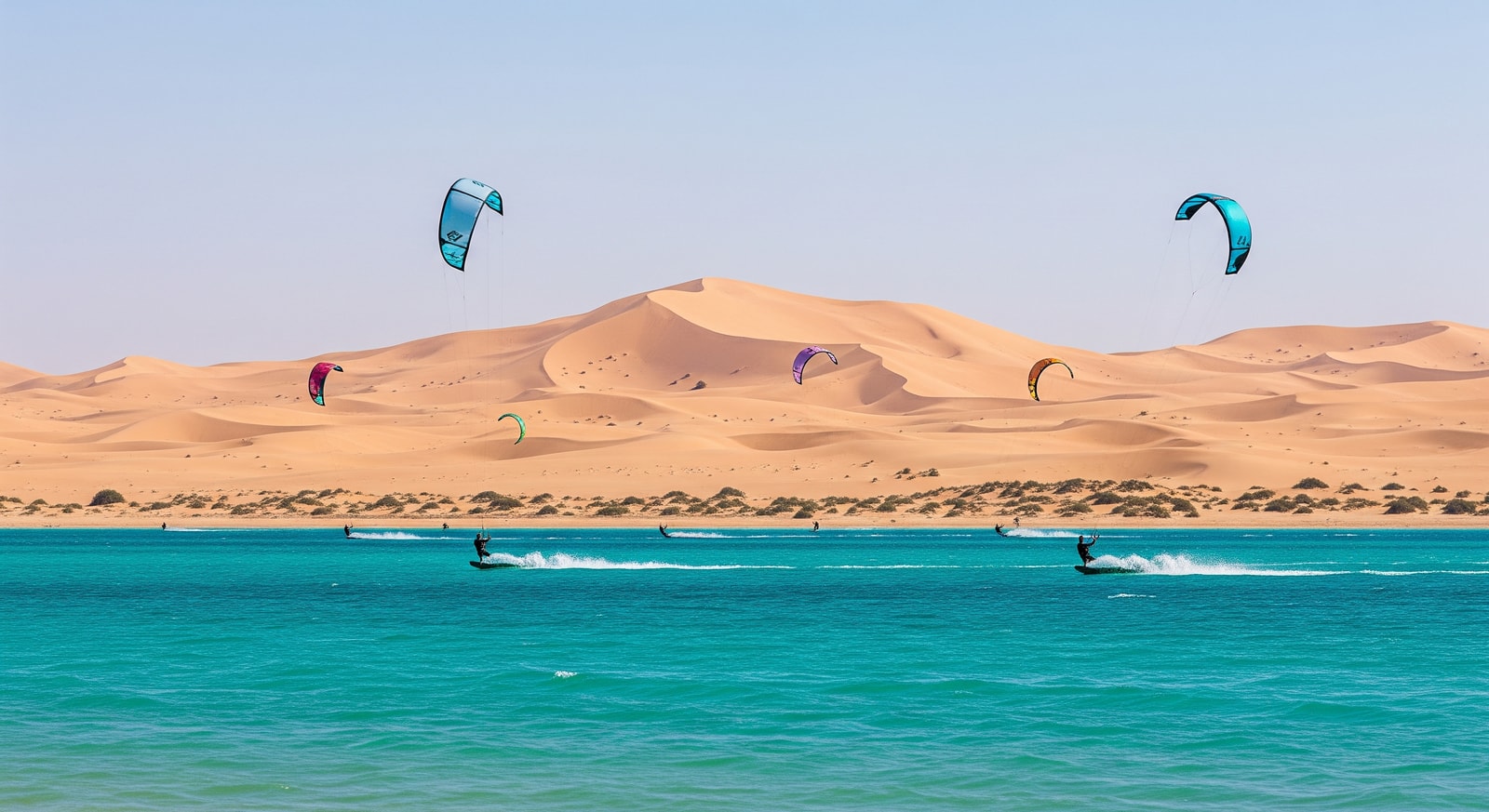
Dakhla Lagoon — World-renowned destination for kitesurfing and windsurfing
Business & Special Purpose Visas
Business Visa
The business visa allows professionals to conduct commercial activities in Western Sahara. The territory's economy centers on fishing (one of Africa's richest fishing grounds), phosphate mining, and tourism. Business travelers attending meetings, exploring investment opportunities in aquaculture or renewable energy, or conducting market research require this visa type if not from a visa-exempt country. Documentation includes an invitation letter from a local company and detailed business itinerary.
Transit Through Western Sahara
Western Sahara sits on the historic trans-Saharan route connecting Morocco to Mauritania and West Africa. Overlanders traveling this route pass through El Aaiun and continue south to the Guerguerat border crossing. Transit visas allow stays up to 72 hours, though most trans-Saharan travelers use tourist visas for greater flexibility. The route through Western Sahara is generally well-maintained and regularly traveled by adventure tourists.
Important Note on Territory Status
Western Sahara's political status remains disputed. Morocco administers most of the territory west of the Berm (defensive wall), while the Polisario Front claims the eastern regions. Tourist access is limited to Moroccan-controlled areas. Travel to areas outside Moroccan administration requires special authorization and is generally not available to tourists.
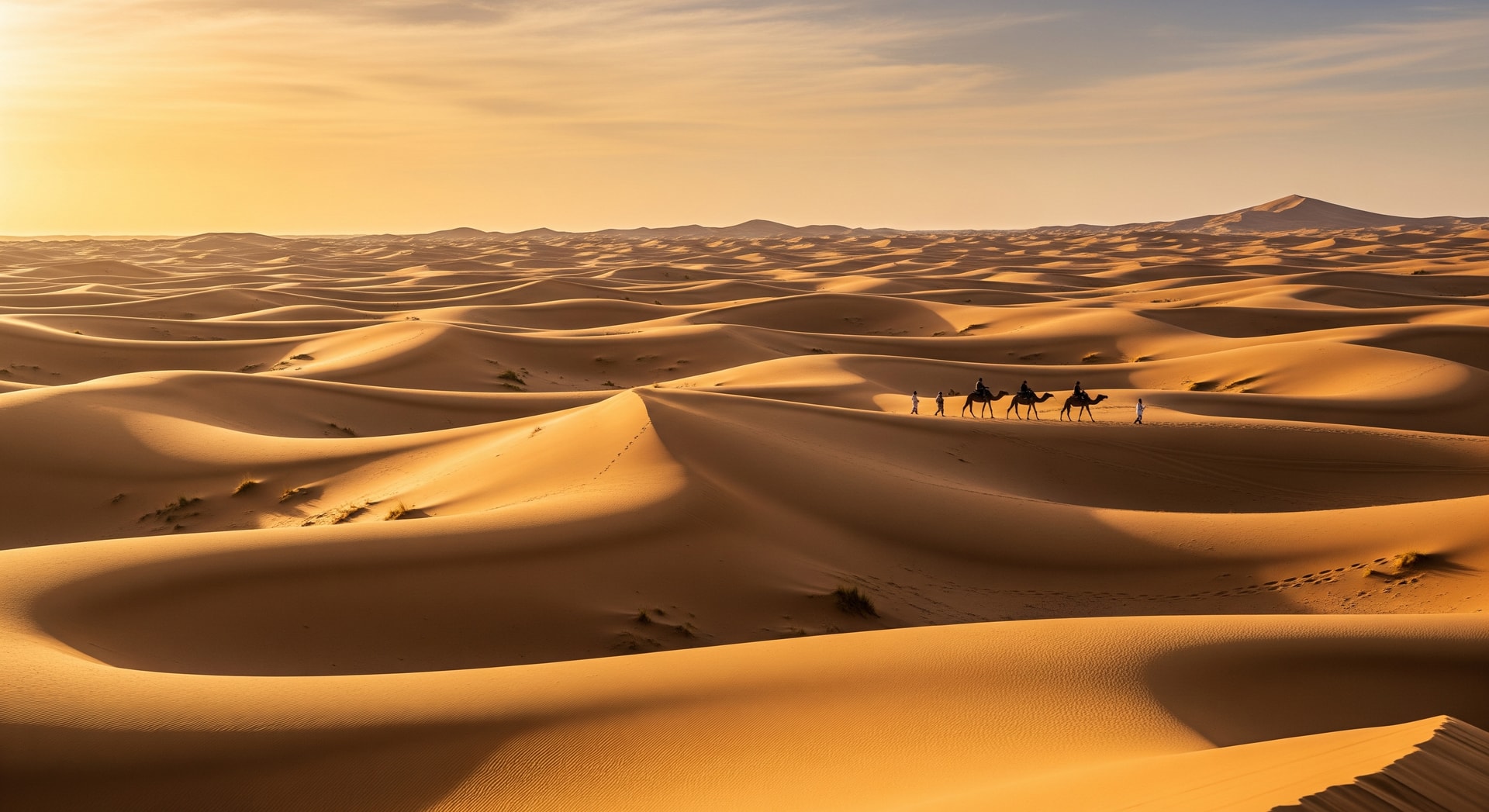
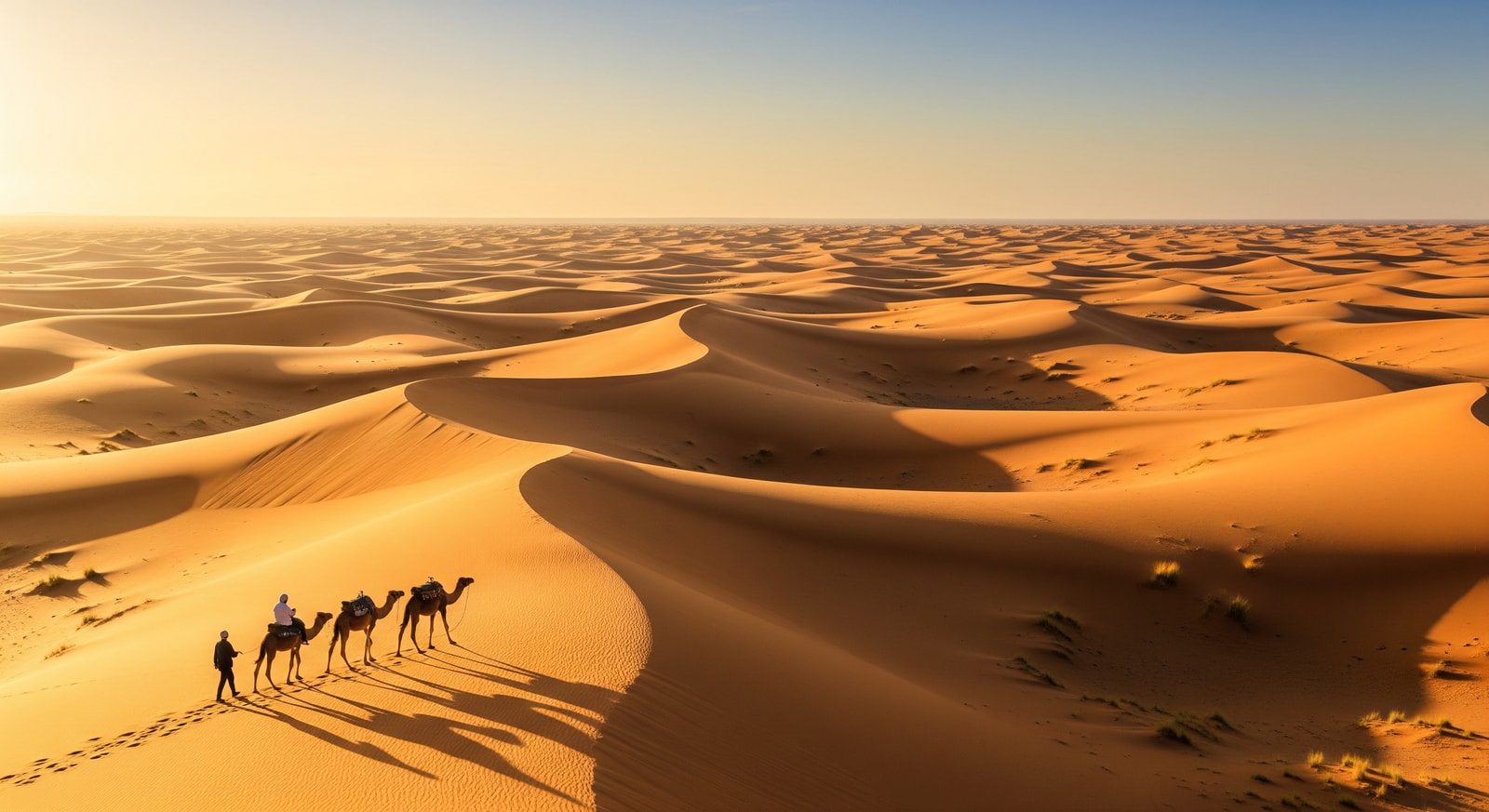
Sahara Desert — Experience the endless dunes of Western Sahara
Entry Requirements & Travel Considerations
Essential Entry Requirements
All visitors to Western Sahara must meet these requirements:
• Passport validity: Minimum 6 months beyond your intended arrival date with at least two blank pages
• Proof of accommodation: Hotel booking, surf camp reservation, or invitation letter from a host
• Return travel: Flight bookings or proof of onward travel (especially important for overland travelers)
• Sufficient funds: Evidence of financial means for your stay (approximately 500-1000 MAD per day)
Travel Advisory Considerations
Some governments issue travel advisories for Western Sahara due to its disputed status. While tourist areas like Dakhla and El Aaiun are considered safe and regularly visited, travelers should:
• Stay within Moroccan-administered areas west of the Berm
• Avoid unauthorized travel to eastern regions or near the border wall
• Register with your embassy before travel
• Carry comprehensive travel insurance that specifically covers the territory
• Be aware that some insurance policies may have exclusions for disputed territories
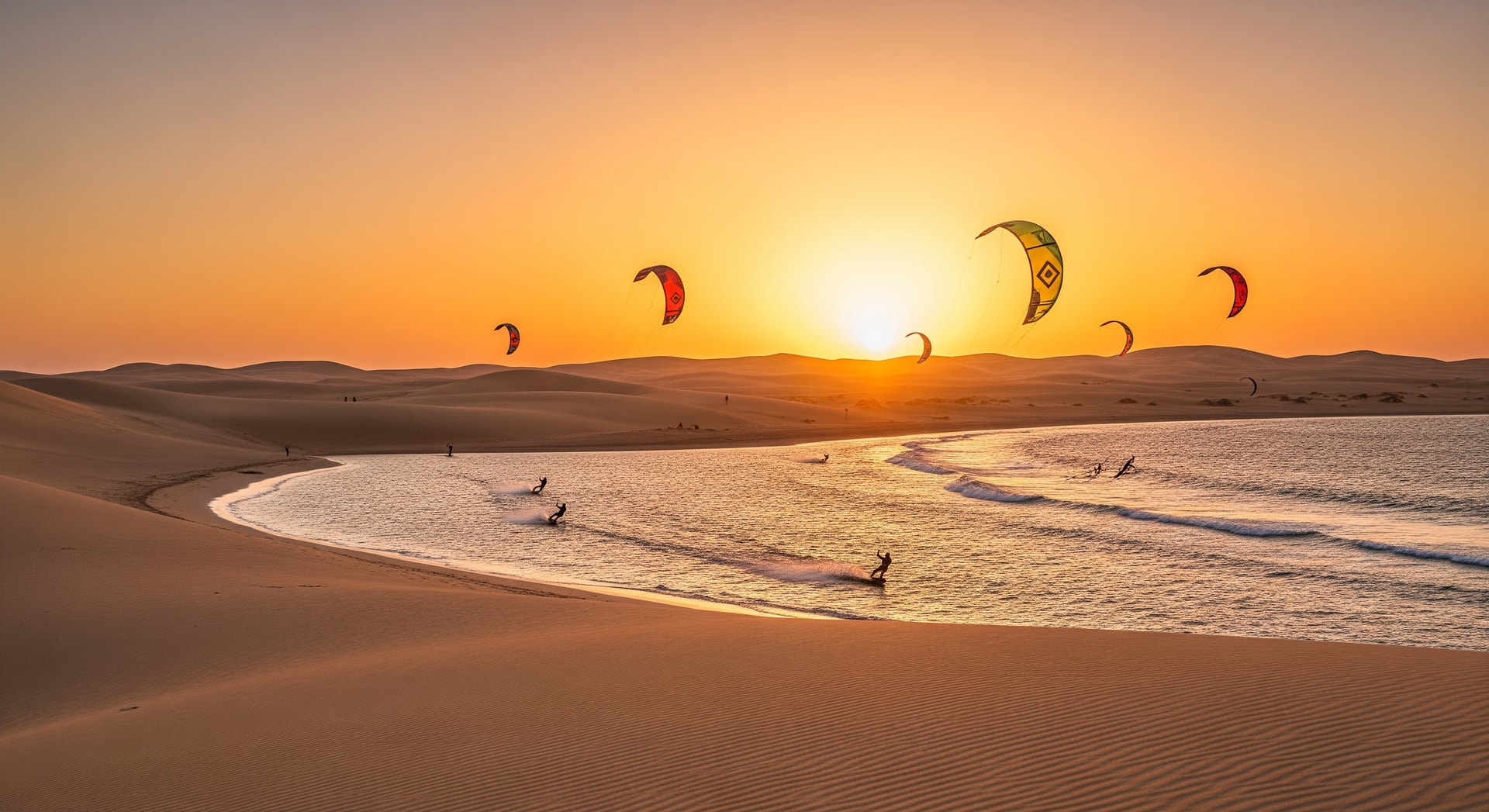
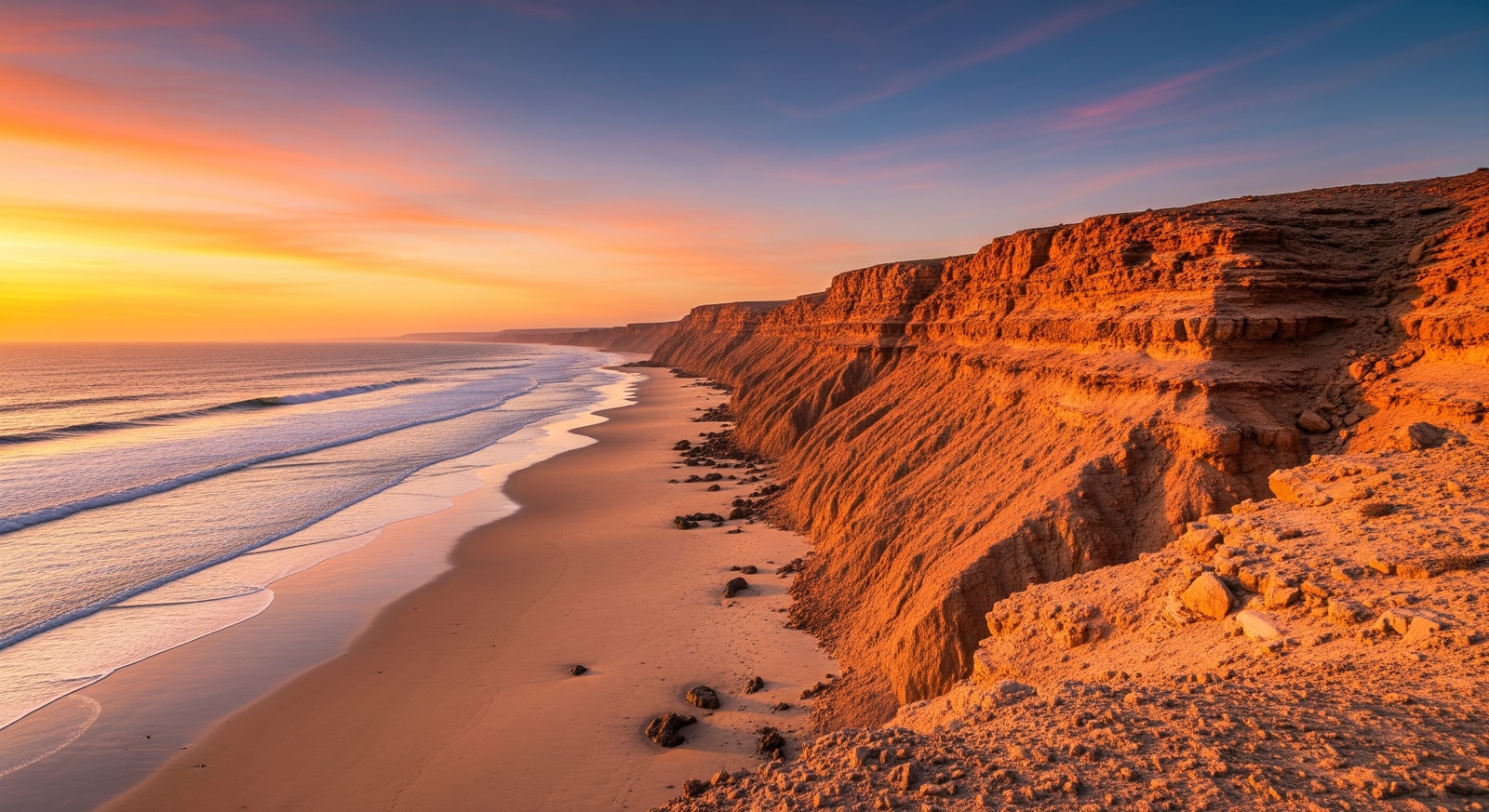
Atlantic Coast — Where the Sahara Desert meets the ocean
Entry Points & Getting There
Major Entry Points
Western Sahara can be accessed via:
• Dakhla Airport (VIL): The main tourist gateway with direct flights from Casablanca and occasional connections from European cities. Dakhla is the hub for water sports tourism.
• Hassan I Airport, El Aaiun (EUN): The largest city's airport with flights from Casablanca, Agadir, and Las Palmas (Canary Islands). El Aaiun serves as the administrative capital.
• Land from Morocco: Many visitors drive or take buses from Agadir (approximately 500km to El Aaiun, 650km to Dakhla) through scenic desert landscapes.
• Guerguerat Border (Mauritania): The southern land crossing for trans-Saharan overlanders.
Processing Times
For visa-exempt travelers, entry is immediate upon arrival at airports or land borders. Those requiring visas should apply through Moroccan consulates; processing typically takes 5-15 business days. Apply at least 3-4 weeks before travel.
Best Time to Visit
Western Sahara enjoys year-round sunshine with optimal conditions varying by activity. Kitesurfing: Best winds October-June. Desert exploration: November-March when temperatures are moderate. Fishing: Year-round, with peak seasons varying by species. Summer temperatures inland can exceed 45°C (113°F).
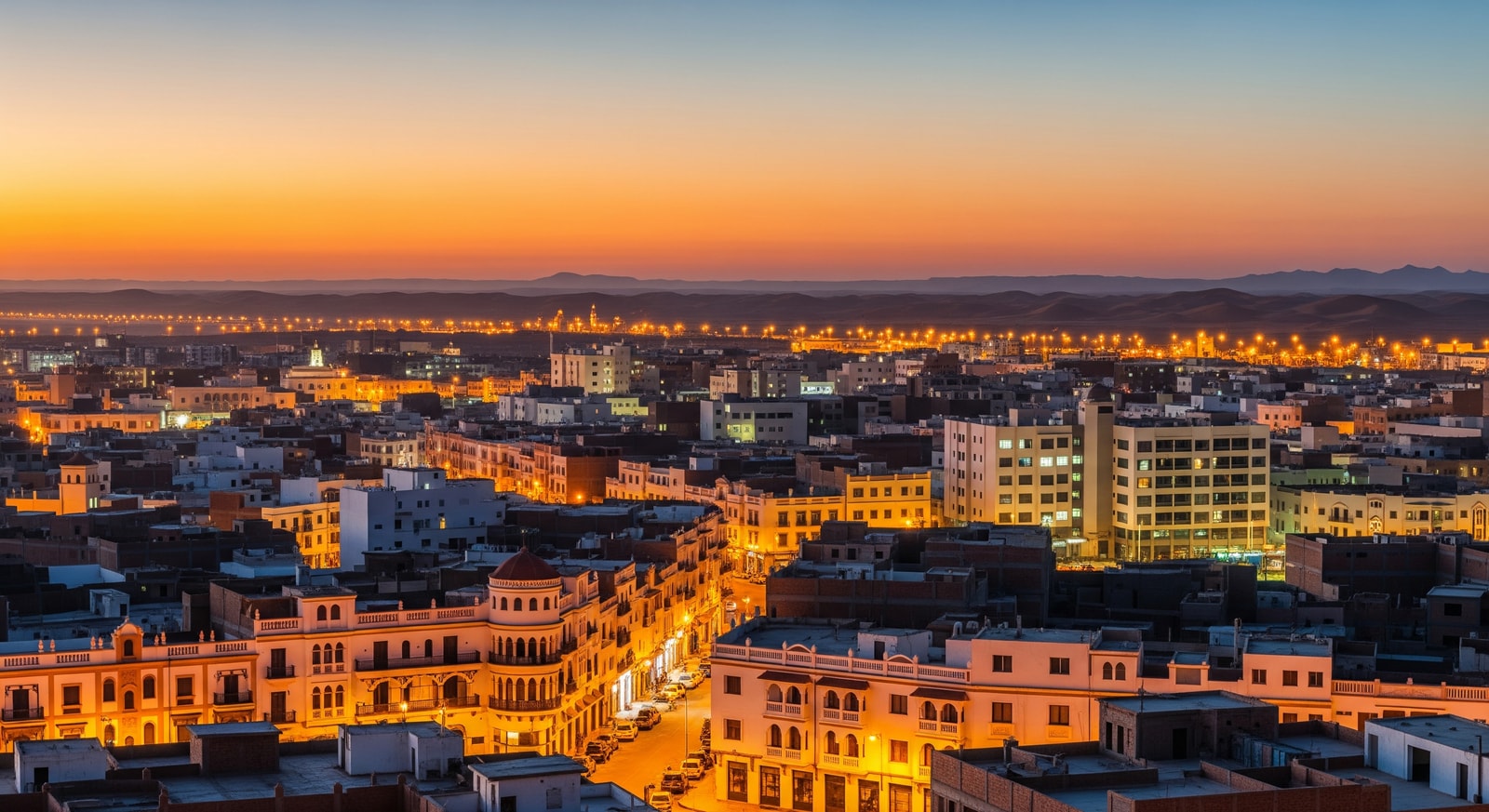
El Aaiun (Laayoune) — Western Sahara's largest city and administrative center
Why Choose DoVisa?
See the difference between applying yourself vs using our expert service
Travelers to Western Sahara rated this product 4.7 out of 5 based on 12 reviews.
4.7/ 5
Based on 12 verified reviews
Filter by rating
Marcus T.Jan 15, 2026
"Incredible kitesurfing trip to Dakhla! DoVisa clarified that Moroccan visa rules apply and my visa-free entry was smooth. The lagoon conditions were perfect."
Sophie R.Jan 8, 2026
"Drove the trans-Saharan route through Western Sahara to Mauritania. DoVisa provided excellent guidance on entry requirements and border crossing procedures."
Andreas K.Dec 22, 2025
"Great experience getting information about Western Sahara travel. The team was knowledgeable about the unique situation of the territory. Dakhla was amazing!"
Elena M.Dec 10, 2025
"Spent two weeks at a surf camp in Dakhla. Entry through Casablanca was effortless with my visa-free status. DoVisa confirmed everything beforehand."
Thomas B.Nov 28, 2025
"Business trip to El Aaiun for a fishing industry conference. DoVisa helped me understand the visa requirements and my application was processed quickly."
Claire P.Nov 15, 2025
"Unique desert experience in Western Sahara. The landscape where the Sahara meets the Atlantic is unforgettable. Good service from DoVisa team."
Johan S.Oct 20, 2025
"Kitesurfing paradise! DoVisa made the visa research easy. Flying directly to Dakhla from Casablanca was convenient. Will definitely return."
Maria G.Sep 18, 2025
"Photography expedition through Western Sahara was a dream. The empty beaches and desert dunes are spectacular. Immigration was straightforward."
David L.Aug 25, 2025
"Helpful information about the disputed territory status and travel considerations. Felt well-prepared for my overland journey through the region."
Isabelle F.Jul 12, 2025
"Amazing windsurfing conditions in Dakhla. DoVisa confirmed I could enter with my EU passport without a visa. Professional service throughout."
Peter H.May 30, 2025
"The emptiness and beauty of Western Sahara exceeded expectations. DoVisa provided accurate info about entry requirements. Highly recommended."
Anna W.Mar 15, 2025
"Interesting destination off the beaten path. DoVisa team was responsive to my questions about the unique political situation and travel safety."
Marcus T.Jan 15, 2026
"Incredible kitesurfing trip to Dakhla! DoVisa clarified that Moroccan visa rules apply and my visa-free entry was smooth. The lagoon conditions were perfect."
Sophie R.Jan 8, 2026
"Drove the trans-Saharan route through Western Sahara to Mauritania. DoVisa provided excellent guidance on entry requirements and border crossing procedures."
Andreas K.Dec 22, 2025
"Great experience getting information about Western Sahara travel. The team was knowledgeable about the unique situation of the territory. Dakhla was amazing!"
Western Sahara Visa FAQs
What types of visas are available for Western Sahara?
Western Sahara is administered by Morocco, so Moroccan visa policies apply to the territory. Available options include: Visa-free entry for citizens of 70+ countries who can stay up to 90 days without a visa. Tourist visa for nationalities not on the exemption list, allowing stays up to 90 days for leisure, surfing, and desert exploration. Business visa for commercial activities related to fishing, mining, or renewable energy industries. Transit visa for travelers passing through Western Sahara on the trans-Saharan route to Mauritania. The right option depends on your nationality and travel purpose.
Do I need a separate visa for Western Sahara or does my Morocco visa work?
Your Morocco visa or visa-free status applies to Western Sahara as well. Since Morocco administers most of Western Sahara (the areas west of the defensive Berm), entry follows Moroccan immigration procedures. If you qualify for visa-free entry to Morocco, you can enter Western Sahara without additional documentation. If you require a Moroccan visa, that same visa permits entry to Western Sahara. There is no separate Western Sahara visa system. Your passport will be stamped at Moroccan immigration points, whether entering via airport or land border.
Who needs a visa to visit Western Sahara?
Visa requirements for Western Sahara mirror Morocco's policies. Visa-free entry is available for citizens of over 70 countries including: United States, Canada, European Union member states, United Kingdom, Australia, New Zealand, Japan, South Korea, and most Arab Gulf states. These travelers can stay up to 90 days without a visa. Visa required: Citizens of countries not on the visa-exemption list must apply for a Moroccan visa through a Moroccan embassy or consulate before travel. Check Morocco's current visa policy for your specific nationality, as requirements can change.
What documents do I need to enter Western Sahara?
Essential documents for all travelers: Valid passport with at least 6 months validity beyond arrival and minimum 2 blank pages for stamps. For visa-free travelers: Proof of accommodation (hotel, surf camp, or host invitation), return or onward flight ticket, and evidence of sufficient funds for your stay. For visa applicants: Completed Moroccan visa application, passport photos, proof of accommodation, travel itinerary, bank statements, and travel insurance. Recommended for all: Travel insurance specifically covering the Western Sahara territory, copies of all documents, and emergency contact information. Some travelers carry embassy registration confirmation given the region's disputed status.
How long can I stay in Western Sahara?
Visitors can stay in Western Sahara for up to 90 days within any 180-day period, matching Morocco's tourist visa and visa-free entry policies. This applies whether you enter with a Moroccan tourist visa or under visa-free provisions. Extending your stay: Extensions are processed through Moroccan immigration authorities and must be requested before your 90 days expire. Extensions require proof of accommodation, sufficient funds, and a valid reason. Alternative: Some long-term visitors exit to Mauritania or the Canary Islands and return for a fresh 90-day period. However, repeated exits and entries may draw attention from immigration officers.
Can I extend my visa while in Western Sahara?
Yes, extensions are possible but must be arranged before your initial 90 days expire. Where to apply: The Bureau des Etrangers (Foreigners Bureau) at police headquarters in El Aaiun or potentially in Dakhla. Requirements: Valid passport, current visa or entry stamp, proof of accommodation for the extended period, bank statements showing sufficient funds, passport photographs, and a letter explaining your reason for extension. Processing: Allow 1-2 weeks for processing; you'll receive a temporary receipt. Important: Extensions are granted at official discretion. For stays significantly beyond 90 days, consider whether residency procedures might be more appropriate.
Can I work in Western Sahara with a tourist visa?
No, tourist visas and visa-free entry do not permit employment in Western Sahara. Working legally requires proper work authorization through Moroccan channels. Key industries: Western Sahara's economy centers on fishing (some of Africa's richest waters), phosphate mining, and increasingly, renewable energy and tourism. Professionals seeking employment must obtain work permits through their employer before starting work. Freelance and remote work: Like Morocco, there is no specific digital nomad visa. Remote workers staying on tourist entry operate in a gray area. Volunteering: Some surf camps and tourism operators offer volunteer positions, but verify the legal status of such arrangements before committing.
Do I need to print my visa for Western Sahara?
If you're visa-free, you don't need any printed visa documentation — your passport stamp serves as entry authorization. If you obtained a Moroccan visa through an embassy, it will typically be affixed to your passport as a visa sticker. For any electronic confirmations received during the application process, print a clear copy on A4 paper as backup. Important documents to carry: Printed copies of accommodation booking, return flight, and travel insurance are recommended. Immigration officers may request these, particularly at land borders. Keep both digital and physical copies of all travel documents.
How long does visa processing take for Western Sahara?
Since Moroccan visa policies apply, processing times match Morocco's standards. Visa-free travelers: Immediate entry upon arrival with valid passport. Visa applicants: Embassy processing typically takes 5-15 business days, though this varies by location and season. Peak periods: Processing may take longer during European school holidays and the winter kitesurfing season (October-June) when Dakhla sees increased tourist traffic. Recommendations: Apply at least 3-4 weeks before travel; ensure all documents are complete and accurate; respond promptly to any additional information requests from the consulate.
What if my visa application is rejected?
Moroccan visa rejections, which govern Western Sahara entry, are relatively uncommon but can occur. Common rejection reasons: Incomplete documentation, passport validity issues, insufficient funds evidence, unclear travel purpose, or concerns about overstay intent. If rejected: Consulates typically provide a rejection letter but may not detail specific reasons. Options: You can reapply with improved documentation. There's no formal appeals process, but applications with stronger supporting documents (detailed itinerary, additional financial proof, accommodation confirmations) often succeed on resubmission. DoVisa assistance: Our pre-submission review identifies potential issues before they cause rejections.
What is the best time to visit Western Sahara?
Western Sahara enjoys year-round sunshine with optimal timing depending on activities. Kitesurfing and windsurfing (October-June): Dakhla's lagoon offers consistent trade winds averaging 20-25 knots, with the strongest winds December-April. Water temperature remains pleasant year-round (18-24°C). Desert exploration (November-March): Temperatures are moderate (20-30°C daytime), making camel treks and desert camping comfortable. Summer (June-September): Very hot inland (40-50°C possible), though coastal areas remain cooler due to Atlantic breezes. Not recommended for desert activities. Fishing: Year-round excellent fishing along the rich Atlantic coast. Photography: Golden hour light is spectacular year-round due to the desert atmosphere.
Is Western Sahara safe for tourists?
Tourist areas in Western Sahara are generally safe for visitors, though the region's disputed status requires awareness. Safe areas: Dakhla, El Aaiun (Laayoune), the main coastal road, and established tourist facilities are regularly visited by international travelers, particularly the large kitesurfing community in Dakhla. Areas to avoid: The region east of the Moroccan defensive wall (Berm) is controlled by the Polisario Front and not accessible to tourists. Areas near the Mauritanian border require awareness of the border crossing procedures. Practical advice: Stay on established routes; register with your embassy; verify your travel insurance covers the territory; respect military installations (no photography); travel with reputable tour operators for desert excursions.
What currency should I bring to Western Sahara?
Western Sahara uses the Moroccan Dirham (MAD) as its currency. Best currencies to bring: Euros (EUR) or US Dollars (USD) exchange easily at banks in El Aaiun and Dakhla. ATMs: Available in El Aaiun and Dakhla, though fewer than in Moroccan cities. Don't rely solely on ATMs, especially if traveling to remote areas. Card acceptance: Major hotels and some surf camps accept credit cards; smaller establishments and local markets require cash. Important: The dirham is a closed currency — you cannot purchase it outside Morocco/Western Sahara or export more than 2,000 MAD. Tipping: Similar to Morocco, 10-15% at restaurants, small tips for services. Surf camp staff appreciate gratuities for excellent service.
How do I get to Western Sahara?
Western Sahara is accessible by air and land. By air: Dakhla Airport (VIL) and Hassan I Airport in El Aaiun (EUN) have regular flights from Casablanca (approximately 2-2.5 hours). Some European charter flights serve Dakhla directly during kitesurfing season. By road from Morocco: Well-maintained N1 highway runs from Agadir through El Aaiun to Dakhla. El Aaiun is approximately 500km south of Agadir (7-8 hours); Dakhla is 350km further (additional 5 hours). Buses operate daily from Moroccan cities. Overland from Mauritania: The Guerguerat border crossing connects Western Sahara to Nouadhibou. The border area involves crossing a buffer zone between the two countries. Rental cars: Available in El Aaiun and Dakhla; 4WD recommended for desert excursions off main roads.
Do I need any vaccinations for Western Sahara?
No vaccinations are mandatory for entry into Western Sahara from most countries. Recommended vaccinations: Hepatitis A and B, Tetanus-Diphtheria, Typhoid (if eating outside major establishments), and ensuring routine vaccinations are current. Malaria: Not a significant risk in Western Sahara due to the desert climate. Health considerations: The main health concerns are sun exposure and dehydration — the desert sun is intense. Drink plenty of water, use high-SPF sunscreen, and wear protective clothing during desert activities. Medical facilities: Basic medical care is available in El Aaiun and Dakhla, but comprehensive travel insurance with medical evacuation coverage is strongly recommended given the remote location.
What is Dakhla known for?
Dakhla is Western Sahara's premier tourist destination and one of the world's top kitesurfing locations. Water sports: The Dakhla lagoon offers flat water, consistent winds (20-25 knots average), and warm temperatures year-round — ideal for kitesurfing, windsurfing, and wing foiling. Multiple surf camps cater to all skill levels. Geography: Dakhla sits on a 40km peninsula, with the lagoon on one side and the Atlantic Ocean on the other, creating unique conditions where desert dunes meet the sea. Fishing: Some of Africa's richest fishing waters attract sport fishermen seeking corvina, meagre, and other species. Desert experiences: Camel rides, desert camps, and dramatic sunset dune landscapes. Atmosphere: A laid-back vibe with an international kitesurfing community alongside local Sahrawi culture.
Can I travel from Western Sahara to Mauritania?
Yes, the Guerguerat border crossing connects Western Sahara to Mauritania. Location: The border is approximately 350km south of Dakhla, at the southern tip of Western Sahara. Process: Exit Moroccan-administered Western Sahara at Guerguerat, cross a buffer zone (approximately 4km of no-man's land), then enter Mauritania. Both countries require separate immigration procedures. Requirements for Mauritania: Most nationalities need a Mauritanian visa (available on arrival at the border for many countries, approximately 55 EUR) or advance visa. Practical considerations: The crossing can be time-consuming (2-4 hours depending on queues); carry sufficient water and fuel; the road quality changes significantly at the Mauritanian border; 4WD is recommended for continuing in Mauritania. This route is popular with trans-Saharan overlanders.
What are the main attractions in Western Sahara?
Western Sahara offers unique experiences for adventurous travelers. Dakhla: World-class kitesurfing and windsurfing in the famous lagoon; desert-meets-ocean landscapes; surf camps with international atmosphere; excellent fishing. El Aaiun (Laayoune): The territory's largest city with Spanish colonial architecture, central market, and gateway to desert excursions. Desert experiences: Camel treks through dramatic sand dunes, desert camping under star-filled skies, visiting nomadic communities. Atlantic Coast: Pristine beaches, dramatic cliffs, sea kayaking, and wildlife including monk seals. Cultural experiences: Sahrawi hospitality and traditional tea ceremonies, local markets, and experiencing life at the edge of the Sahara. The journey itself: The drive through Western Sahara offers increasingly dramatic landscapes where desert dunes meet the Atlantic.
Still have questions?
Our team is here to help 24/7
Get Visa Tips & Exclusive Deals
Join 1,000+ travelers. No spam, unsubscribe anytime.

 With DoVisa