Guided application process ā most permits processed within 4-8 weeks
1
Complete the online application
Fill out our comprehensive form with your travel purpose, research objectives, and organizational affiliation. Our system guides you through the specific requirements for each island or atoll, ensuring your application includes all necessary justifications for access to these protected territories.
2
Upload required documents
Submit your passport scan, organizational credentials, research proposal or project documentation, and any institutional letters of support. For wildlife refuges, you'll need to provide detailed plans showing how your activities align with conservation objectives and demonstrate minimal environmental impact.
3
We coordinate with authorities
Your verified application is submitted to the appropriate managing agency ā U.S. Fish and Wildlife Service for wildlife refuges or the U.S. Air Force for Wake Island. We handle all inter-agency coordination and respond to any additional documentation requests on your behalf.
4
Receive your access permit
Your approved Special Use Permit or access authorization arrives via email as an official document. Print and carry it at all times during your visit. You'll also receive detailed briefings on environmental protocols, restricted zones, and emergency procedures for your specific destination.

Visa types needed for United States Minor Outlying Islands
Available visa products
United States ESTA - 2 years, Multiple entry Most Popular
United States DV Lottery Entry Form - 2 years, Multiple entry
United States ESTA - 2 years, Multiple entry
The United States Minor Outlying Islands Electronic Travel Authorization provides access to remote Pacific territories and unique ecosystems. Valid for 2 Years with multiple entry, this visa allows stays up to 90 days. Perfect for tourism and business.
Applicants must submit the following documents:
š Passport: Valid for at least 6 months with blank pages
šø Digital Photo: Recent passport-style photograph
U.S. Outlying Islands Access Requirements & Entry Information
Wildlife Refuge Permit
Project-specific
For research and conservation activities on protected atolls
Military Access Authorization
Mission-specific
For authorized personnel visiting Wake Island facilities
Midway Heritage Visitor Pass
Up to 5 days
Limited wildlife tourism access to Midway Atoll
Emergency Transit Permit
As needed
For vessels requiring emergency refuge or refueling
Essential Requirements
šValid U.S. passport for all visitors
šApproved Special Use Permit from managing agency
š§³Complete equipment manifest and supply list
š„Medical evacuation insurance required
āļøConfirmed charter transportation arrangements
š°Proof of expedition funding and self-sufficiency
Wildlife Refuge Access
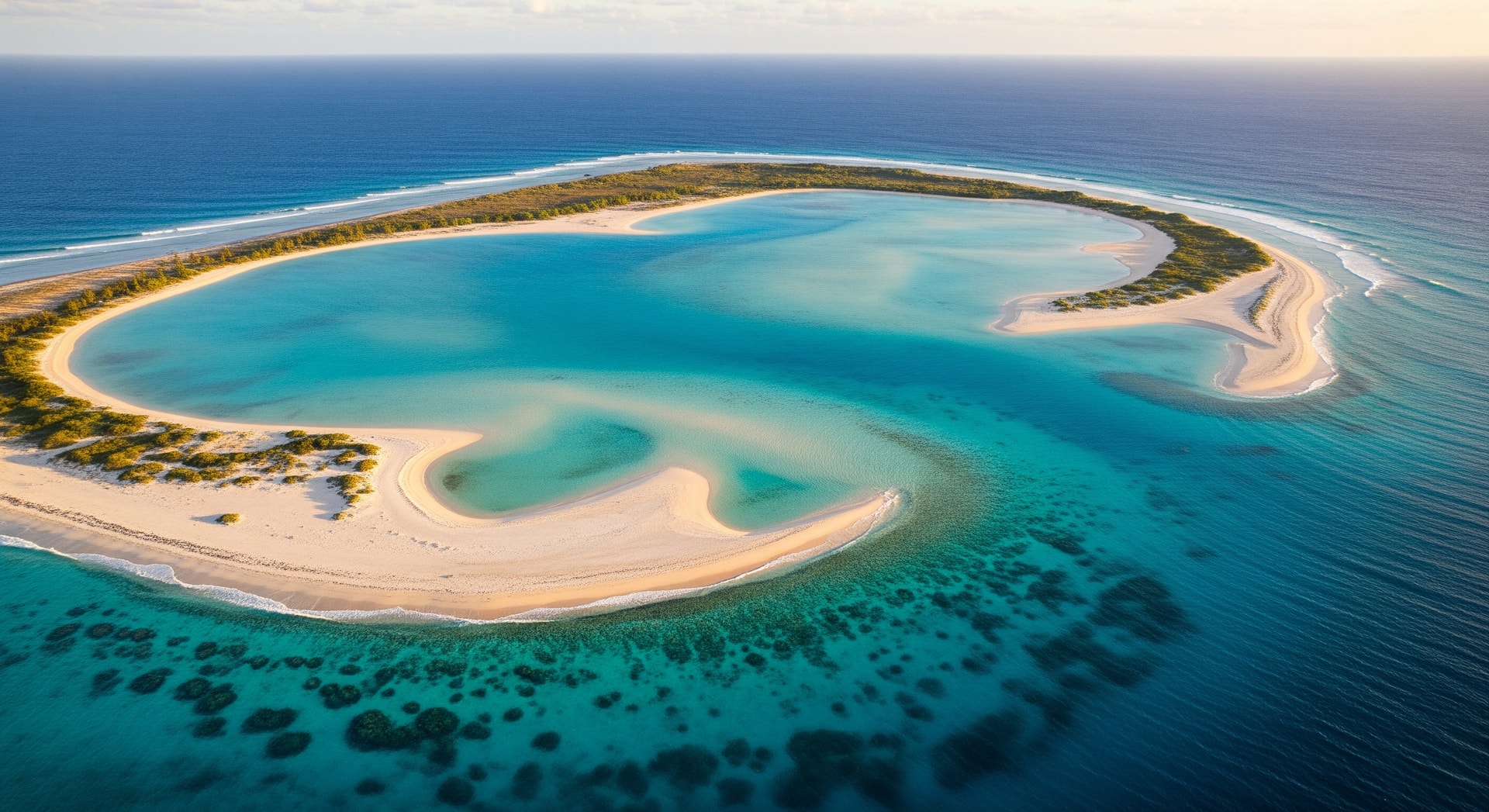
The U.S. Minor Outlying Islands comprise eight remote territories scattered across the Pacific Ocean, each managed as a National Wildlife Refuge under the U.S. Fish and Wildlife Service. These islands ā Baker Island, Howland Island, Jarvis Island, Johnston Atoll, Kingman Reef, Midway Atoll, Palmyra Atoll, and Wake Island ā represent some of the most pristine marine and terrestrial ecosystems remaining on Earth.
Public access to these territories is extremely restricted to protect critical wildlife habitat. Baker, Howland, Jarvis, and Kingman Reef are completely closed to public entry except for approved scientific research. Johnston Atoll, formerly a military base and chemical weapons storage site, remains off-limits due to ongoing environmental remediation. The primary legitimate access points are Midway Atoll, which periodically accepts small numbers of wildlife tourists, and Palmyra Atoll, which hosts researchers at The Nature Conservancy's field station.
All access requires advance application to the U.S. Fish and Wildlife Service, typically 6-12 months in advance. Applicants must demonstrate a legitimate purpose aligned with refuge objectives ā scientific research, conservation monitoring, or approved educational programs. Casual tourism is not permitted on any refuge except through specially authorized Midway heritage tours when available.
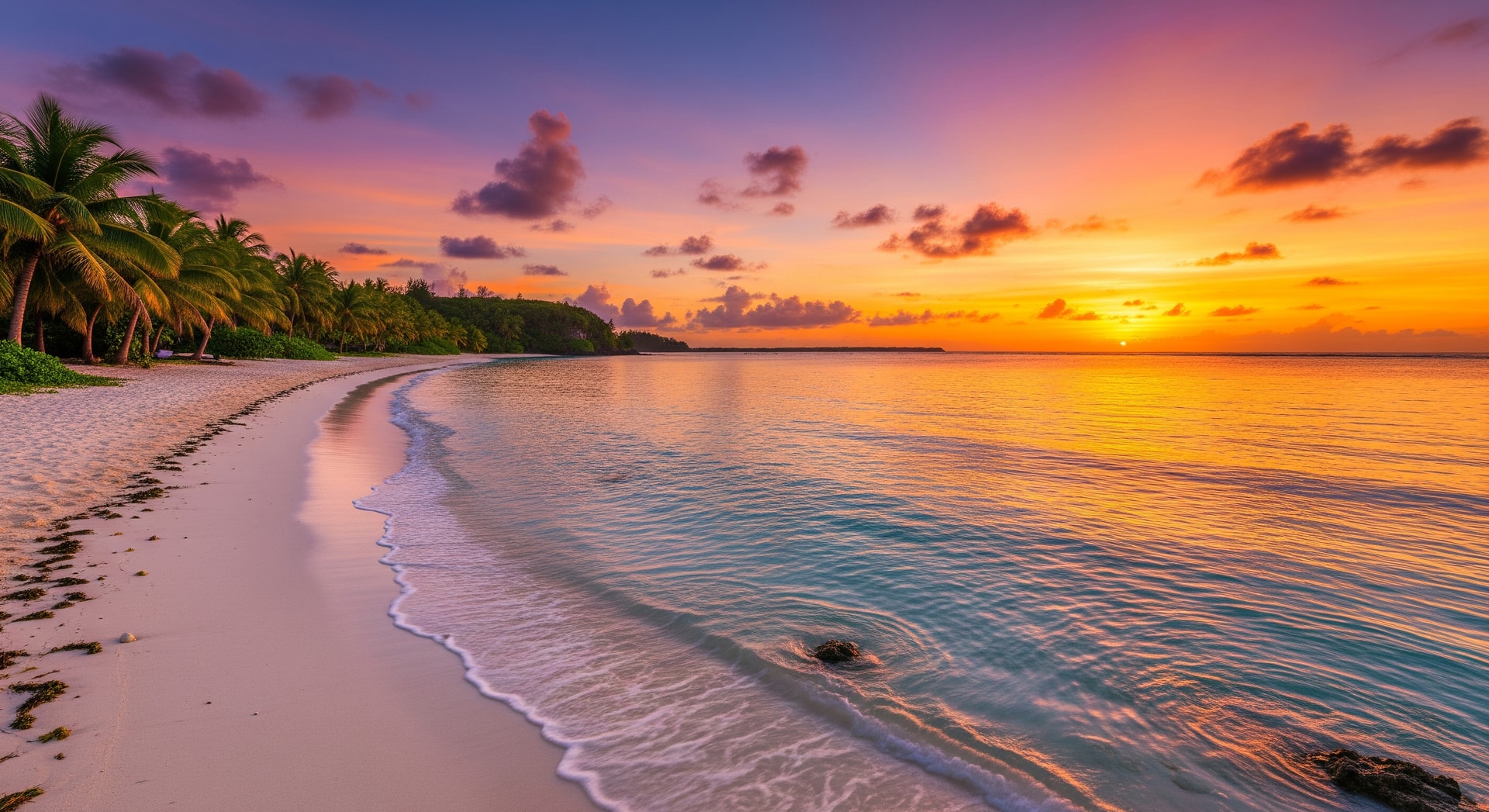
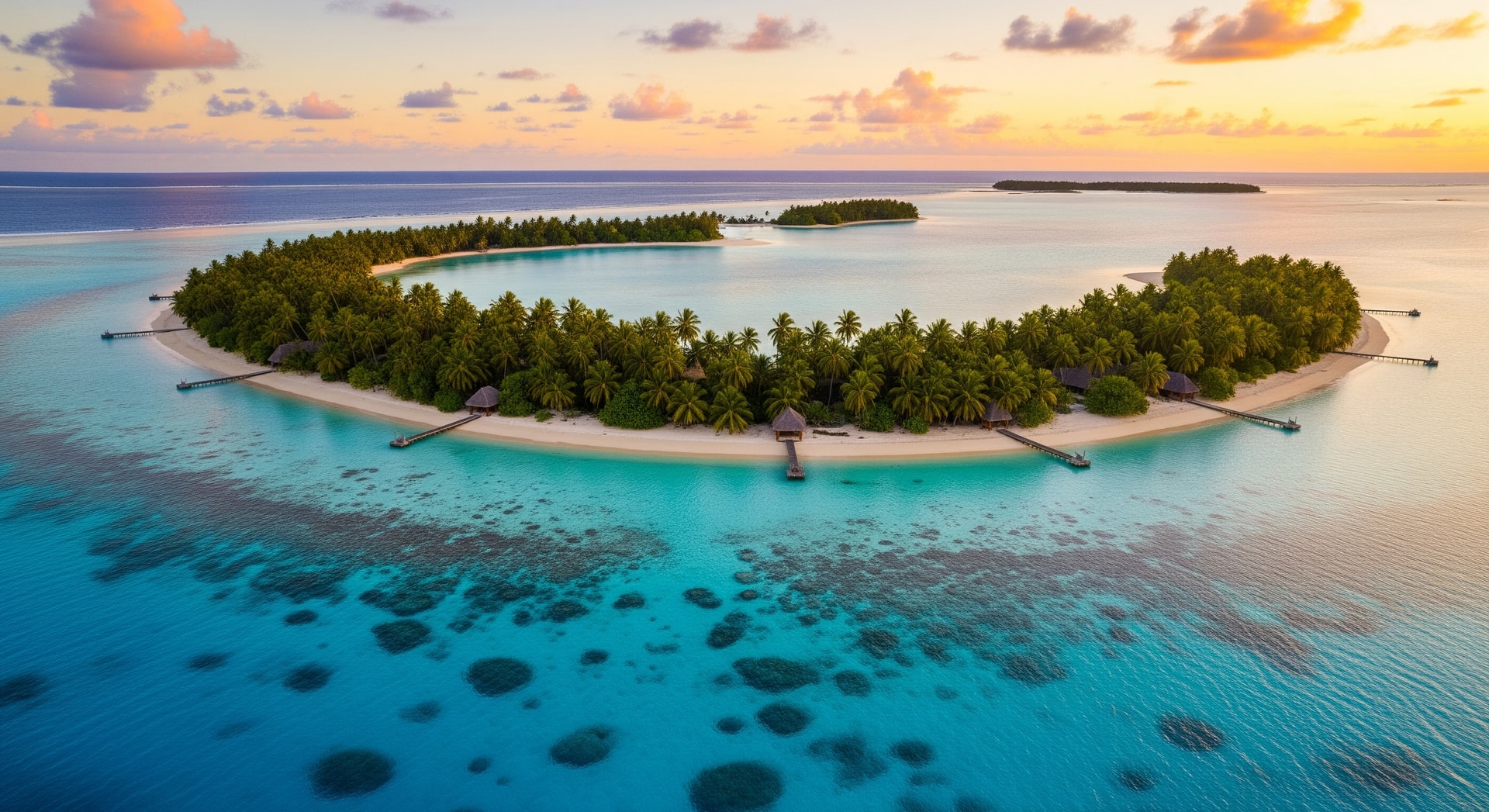
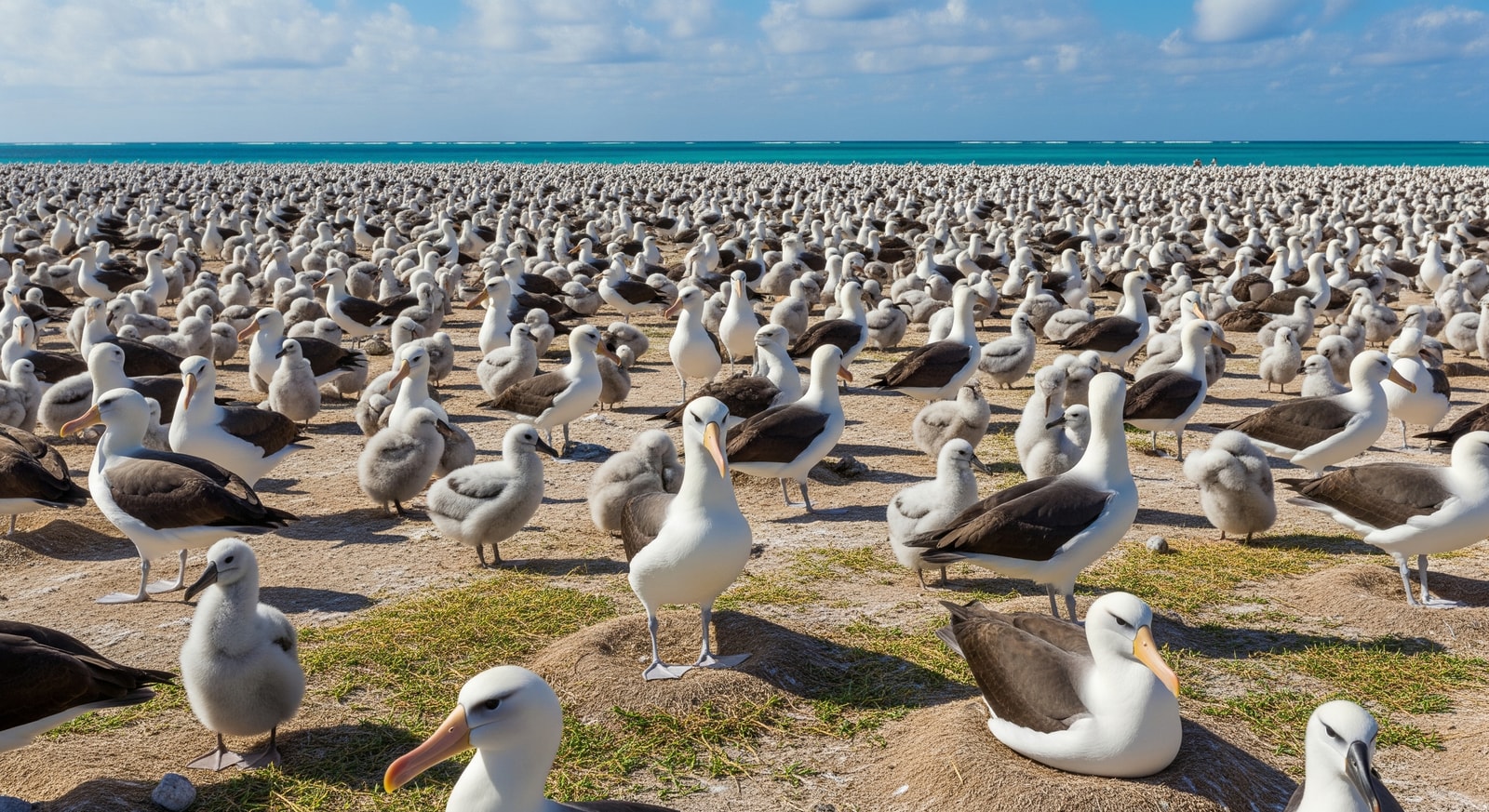
Midway Atoll ā Home to the world's largest Laysan albatross colony
Wake Island & Military Access
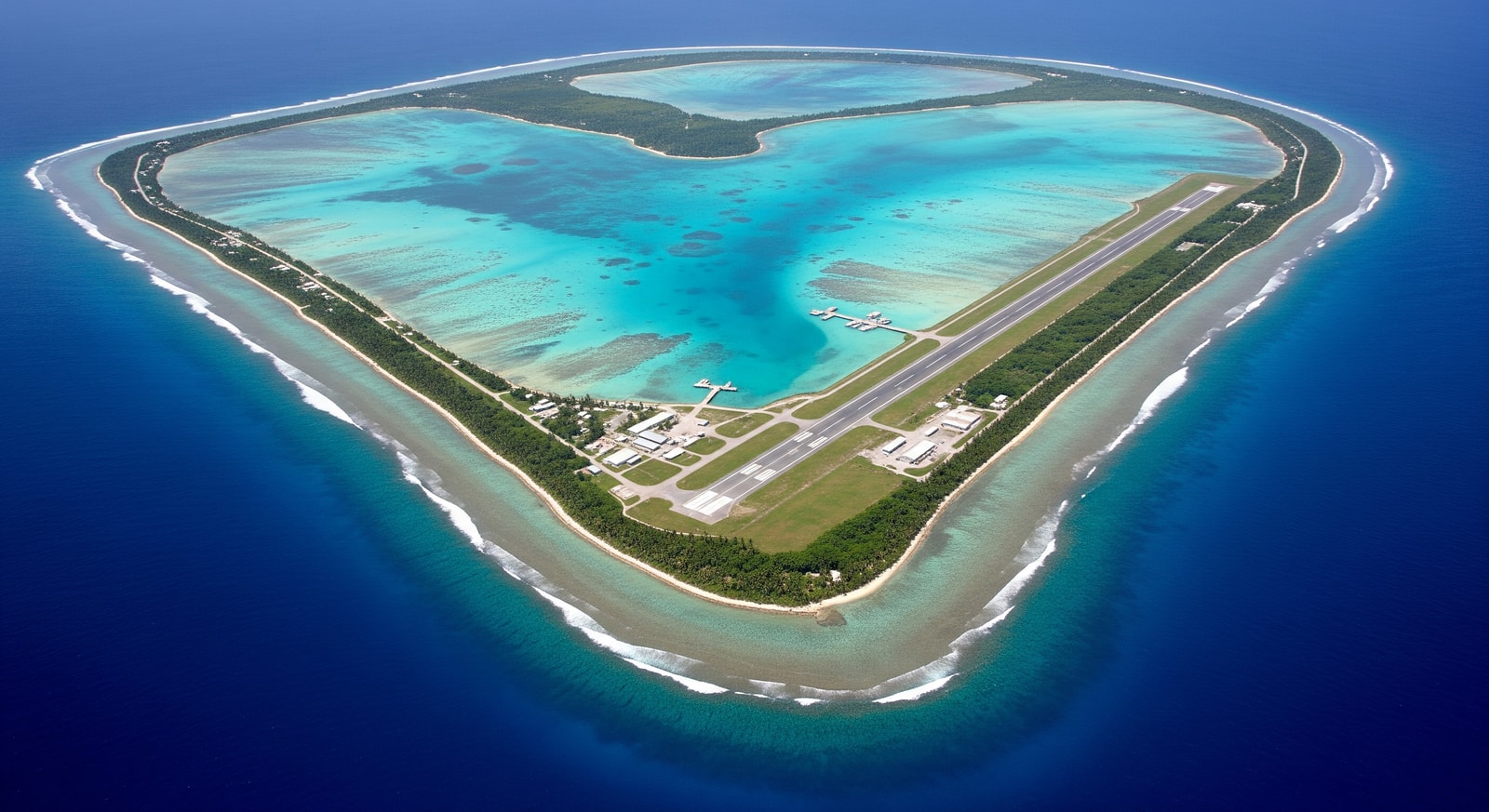
Wake Island holds a unique position among the U.S. Minor Outlying Islands as an active U.S. Air Force installation. Located approximately 2,300 miles west of Honolulu, this coral atoll served as a crucial Pacific outpost during World War II and remains strategically important for military operations and emergency landings.
Access to Wake Island is strictly controlled by the U.S. Air Force and limited to authorized military personnel, government contractors, and approved visitors on official business. There is no public tourism to Wake Island. The small permanent population consists entirely of military and contractor personnel maintaining the airfield and facilities.
Civilian access requirements include official military orders or contractor authorization, security clearance verification, and coordination through Air Mobility Command. Journalists and researchers may occasionally receive authorization for specific projects with appropriate Defense Department approval. All visitors must be completely self-sufficient or arrange logistics through military channels, as Wake Island has no commercial services.
Wake Island ā Strategic U.S. Air Force installation in the central Pacific
Permit Requirements & Documentation
Essential Documentation
All legitimate visitors to any U.S. Minor Outlying Island must prepare comprehensive documentation:
⢠U.S. passport: Required for all visitors regardless of nationality ā these are U.S. territories
⢠Special Use Permit: Issued by U.S. Fish and Wildlife Service for refuge islands after detailed application review
⢠Research proposal: For scientific access, detailed protocols reviewed by refuge managers
⢠Institutional affiliation: Letters from sponsoring universities, research institutions, or conservation organizations
⢠Environmental compliance: Signed agreements regarding biosecurity, wildlife disturbance prevention, and waste removal
Insurance & Safety Requirements
Due to the extreme remoteness of these territories, all visitors must carry emergency medical evacuation insurance with coverage exceeding $100,000. The nearest hospitals are typically in Honolulu, over 1,000 miles away. Visitors must demonstrate self-sufficiency including emergency supplies, satellite communication equipment, and contingency plans for weather delays or medical emergencies.
Biosecurity Protocols
Strict quarantine measures protect these fragile ecosystems from invasive species. All equipment, clothing, and supplies undergo thorough inspection before departure. Some items may require fumigation or heat treatment. Fresh food and plant materials are generally prohibited.
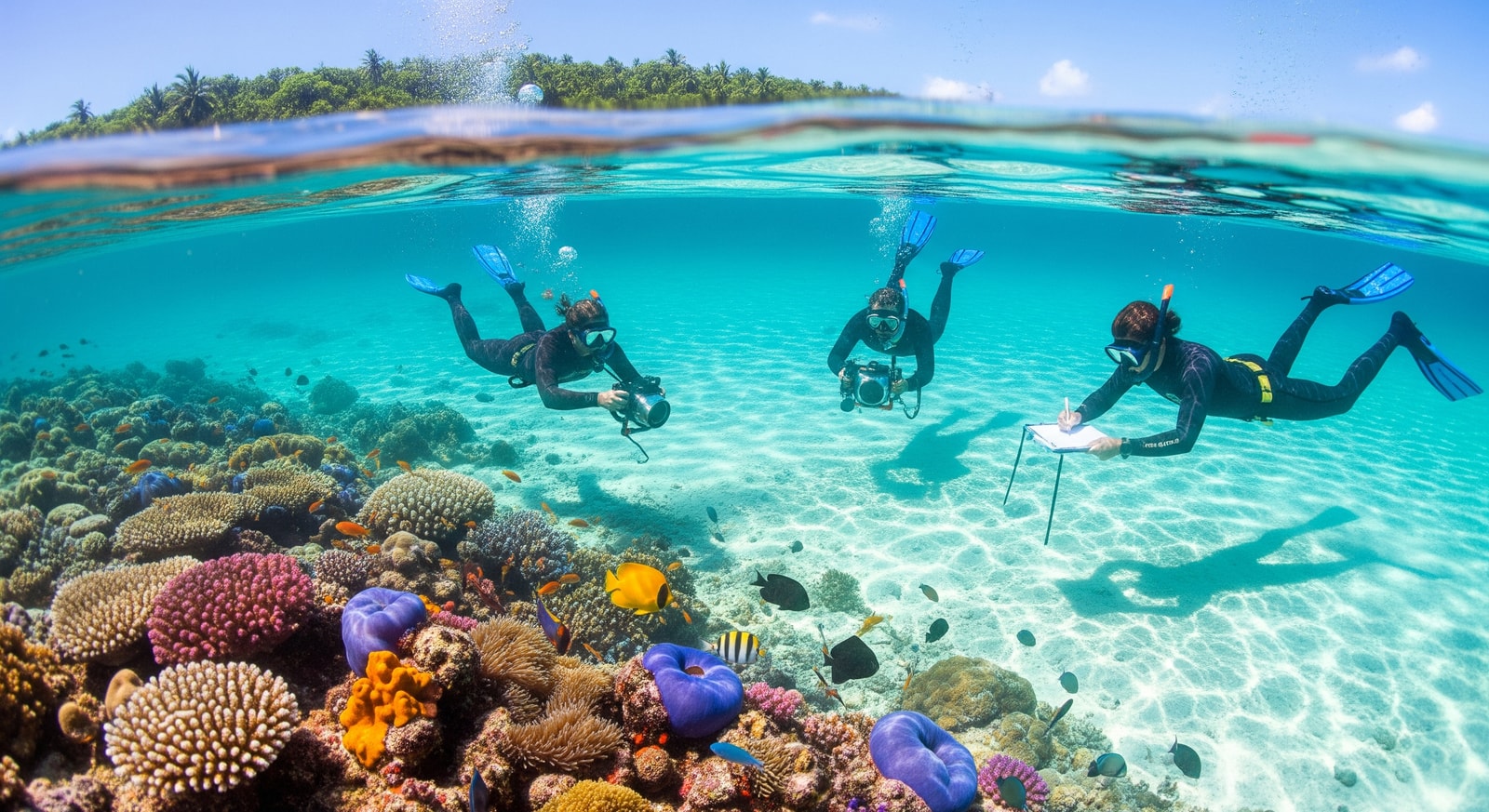
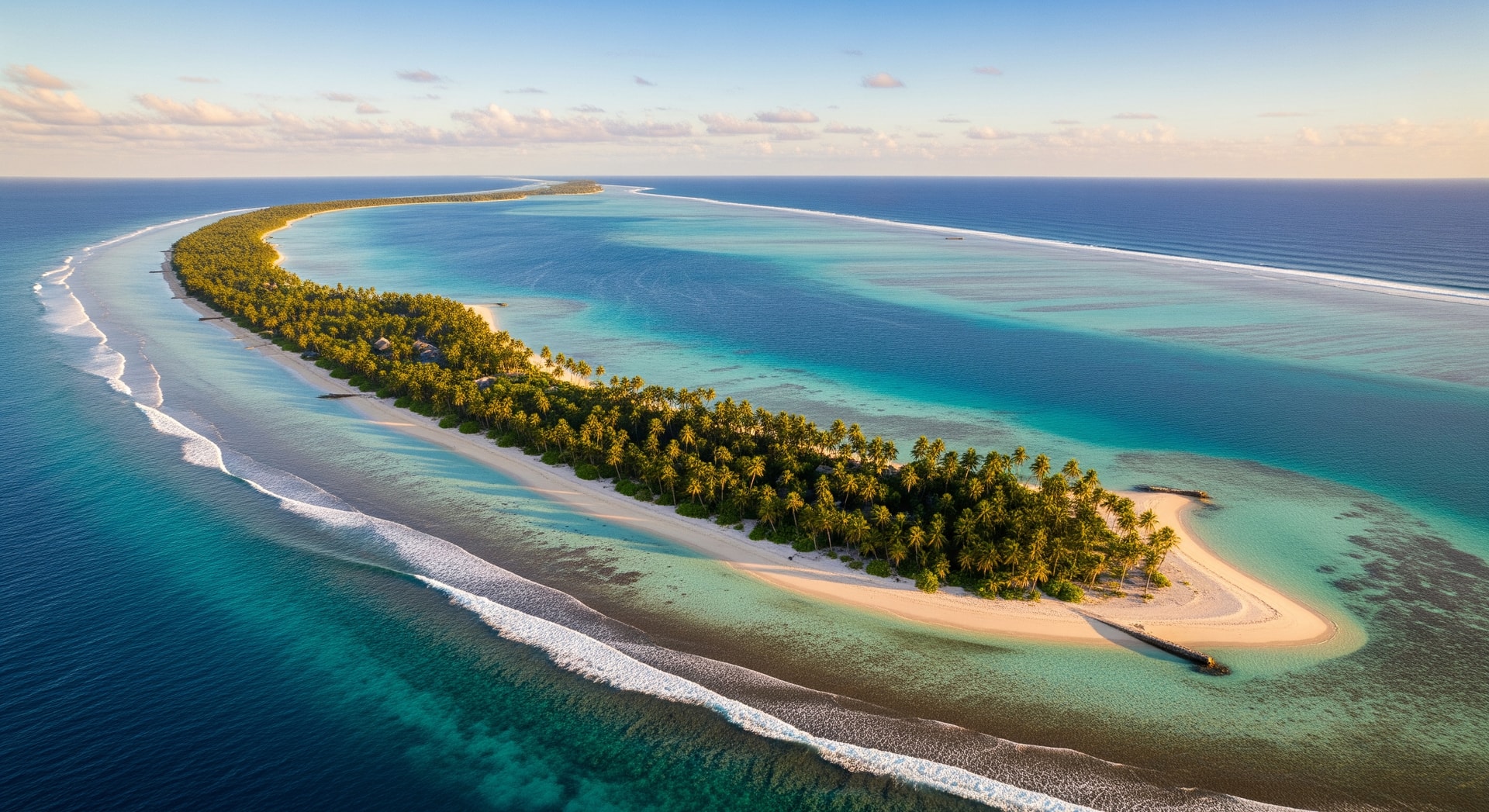
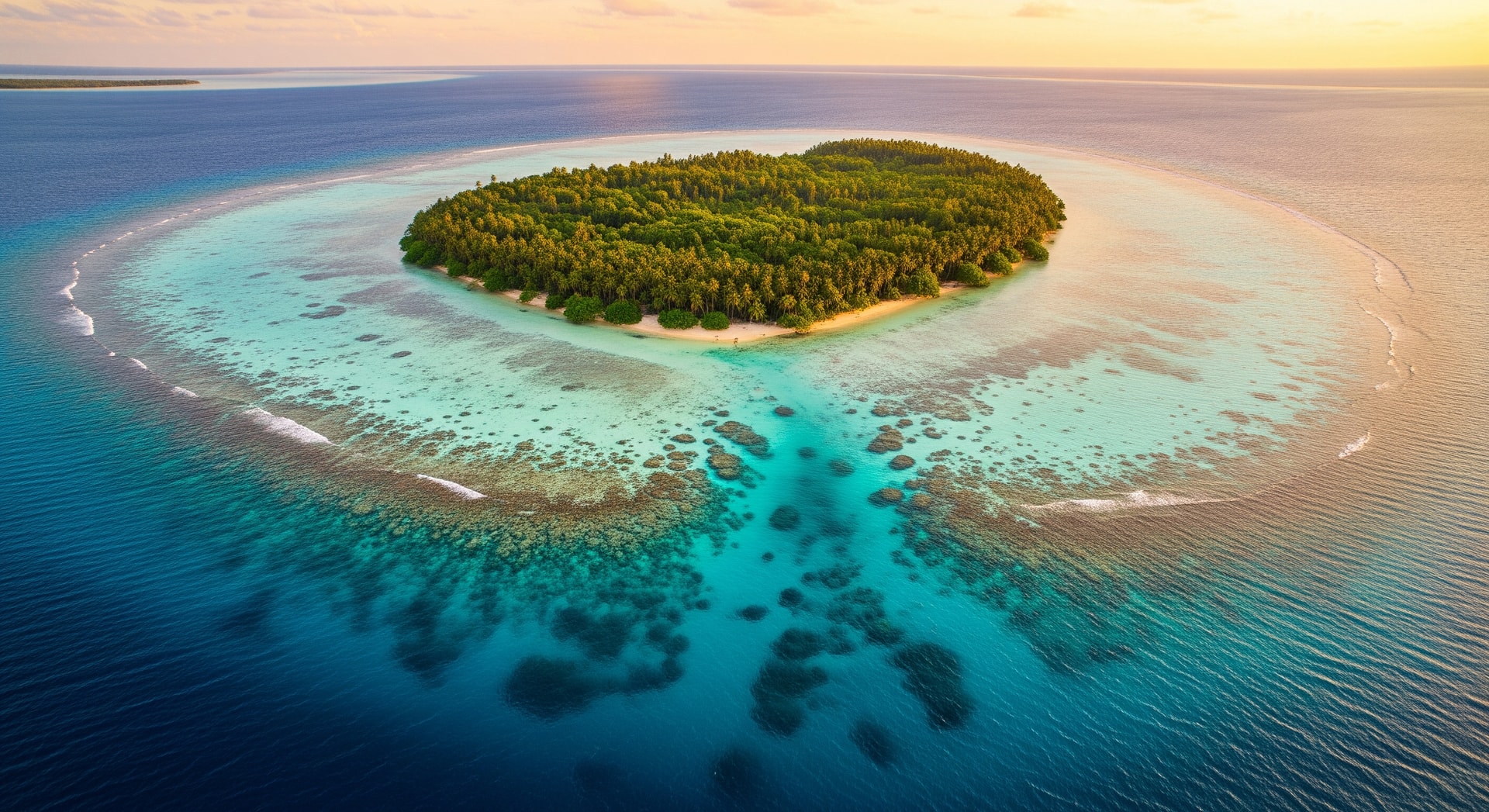
Palmyra Atoll ā Premier location for tropical marine research
Transportation & Logistics
Getting There
There are no commercial flights or passenger ships to any U.S. Minor Outlying Island. Access requires chartered aircraft or vessels arranged well in advance:
⢠Midway Atoll: Accessible via charter flights from Honolulu (approximately 1,200 miles), typically arranged by tour operators when wildlife programs are running
⢠Palmyra Atoll: Reached by chartered vessel from Honolulu (approximately 1,000 miles, 5-7 day voyage) or occasional charter flights to the small airstrip
⢠Wake Island: Military airlift only via Air Mobility Command from Hickam Air Force Base or Guam
⢠Other atolls: Research vessels only, typically multi-week expeditions from Honolulu
Accommodation & Facilities
Midway Atoll has basic lodging in former military barracks, available only during authorized visitor programs. Palmyra Atoll offers field station bunks for researchers through The Nature Conservancy. All other islands have no permanent habitation or facilities ā research teams must bring all supplies and shelter. Wake Island has basic military lodging for authorized personnel only.
Best Time for Access
Midway's albatross viewing season runs November through July, with peak activity January through March. Marine research is typically conducted April through October when Pacific weather is most stable. Wake Island access is year-round but subject to military operational requirements.
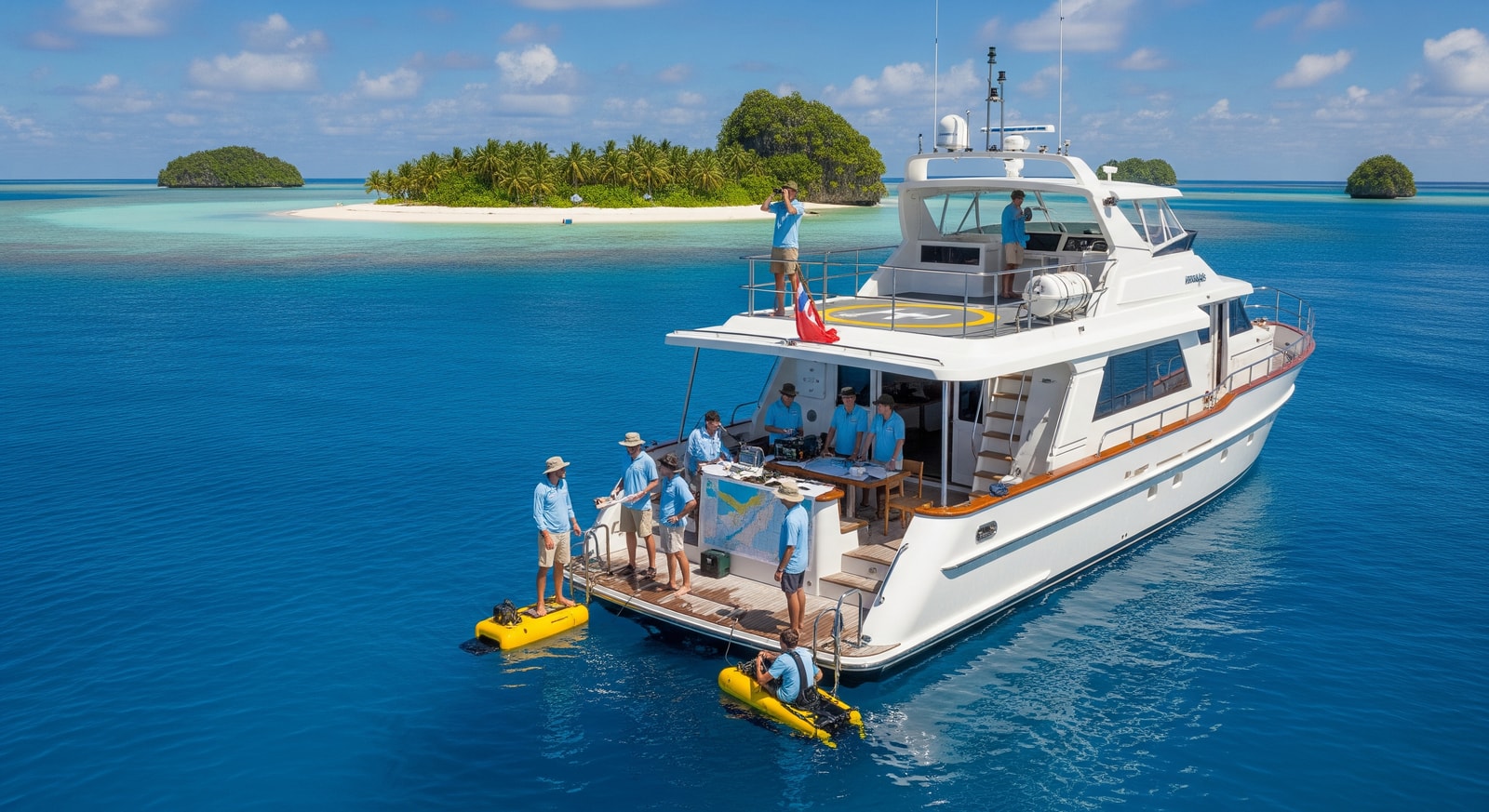
Charter vessels ā The primary transportation to remote Pacific refuges
Why Choose DoVisa?
See the difference between applying yourself vs using our expert service
Travelers to U.S. Outlying Islands rated this product 4.7 out of 5 based on 11 reviews.
4.7/ 5
Based on 11 verified reviews
Filter by rating
Michael R.Jan 15, 2026
"Navigating the permit process for Palmyra Atoll research seemed impossible until DoVisa stepped in. They coordinated everything with USFWS and our university. Outstanding support for a complex process."
Jennifer L.Dec 28, 2025
"Our marine biology team needed access to multiple atolls for a coral survey. DoVisa handled the multi-site permit applications seamlessly. Highly recommend for research expeditions."
Robert K.Dec 10, 2025
"The permit process for these remote islands is genuinely complicated. DoVisa made it manageable but be prepared for a long timeline. Started 8 months before our expedition."
Dr. Sarah M.Nov 22, 2025
"Third expedition to Midway for albatross research. DoVisa handles our permit renewals each season. Their understanding of wildlife refuge requirements is exceptional."
Thomas W.Oct 15, 2025
"Booked the Midway heritage tour through DoVisa. They handled all the special access permits and briefings. Seeing a million albatross was a once-in-a-lifetime experience."
Amanda C.Sep 8, 2025
"Good support for a very niche travel need. The biosecurity documentation requirements were extensive but DoVisa guided us through every step."
Dr. James P.Aug 20, 2025
"Palmyra Atoll access for our Stanford research team processed without issues. DoVisa's familiarity with The Nature Conservancy's requirements saved us considerable time."
Lisa H.Jul 5, 2025
"Documentary film crew permit for Midway approved after DoVisa helped structure our proposal. Their expertise with wildlife filming permits was invaluable."
Christopher B.May 18, 2025
"Solid service for Johnston Atoll access coordination. The restrictions are intense but DoVisa was upfront about what was and wasn't possible."
Dr. Patricia N.Mar 12, 2025
"NOAA-affiliated research expedition to Baker Island. DoVisa coordinated between multiple federal agencies. The permit arrived exactly when promised."
Daniel F.Feb 28, 2025
"Wildlife photographer seeking Midway access. DoVisa helped frame my application in conservation terms that resonated with refuge managers. Approved!"
U.S. Outlying Islands Permit FAQs
What are the U.S. Minor Outlying Islands?
The U.S. Minor Outlying Islands (country code UM) comprise eight remote Pacific territories: Baker Island, Howland Island, Jarvis Island, Johnston Atoll, Kingman Reef, Midway Atoll, Palmyra Atoll, and Wake Island. Seven are managed as National Wildlife Refuges by the U.S. Fish and Wildlife Service, while Wake Island is administered by the U.S. Air Force. These islands are scattered across the central Pacific Ocean, with the closest being approximately 1,000 miles from Hawaii. They have no indigenous population ā Palmyra Atoll is the only one with any private land ownership, while the others are entirely federal territory. Total land area is approximately 34 square kilometers, but the associated Exclusive Economic Zone covers over 400,000 square miles of ocean.
Can tourists visit the U.S. Outlying Islands?
Casual tourism is extremely limited. Most islands are completely closed to public access. Midway Atoll is the most accessible, occasionally offering guided wildlife heritage tours focused on the world's largest Laysan albatross colony ā however, these programs are not always available and require advance booking through authorized operators. Palmyra Atoll accepts researchers and conservation volunteers through The Nature Conservancy but not general tourists. Wake Island is a military installation with no public access. Baker, Howland, Jarvis Islands, Johnston Atoll, and Kingman Reef are completely closed except for approved scientific research. If wildlife observation is your goal, the Midway heritage tours when available offer the most accessible option.
What types of permits are available?
Access permits vary by island and purpose: Special Use Permits are issued by U.S. Fish and Wildlife Service for scientific research, conservation monitoring, and educational activities on wildlife refuge islands. Military Access Authorization is required for Wake Island through U.S. Air Force channels. Midway Heritage Visitor Passes are issued for approved wildlife tourism programs when operating. Commercial Permits may be available for authorized filming, photography, or documentary projects with conservation value. Emergency Transit Permits allow vessels to seek refuge during emergencies. All permits require detailed applications justifying the purpose, demonstrating minimal environmental impact, and confirming logistical self-sufficiency.
What documents are required for a wildlife refuge permit?
Core requirements for U.S. Fish and Wildlife Service Special Use Permits include: valid U.S. passport, detailed research proposal or project description, institutional affiliation letters from sponsoring organizations, curriculum vitae or professional credentials of team members, complete equipment and supply manifests, proof of medical evacuation insurance ($100,000+ coverage), emergency contingency plans, and signed environmental compliance agreements. Research applications additionally require IACUC approval for animal handling, detailed protocols for specimen collection if applicable, and data sharing commitments with the refuge. Biosecurity documentation includes equipment inspection certifications and quarantine compliance forms. Applications are typically 20-40 pages of detailed documentation.
How long does permit processing take?
Permit processing for U.S. Minor Outlying Islands is significantly longer than standard visa applications. Wildlife refuge permits typically require 4-8 months from initial application to approval, with complex research projects sometimes taking 12+ months. Midway heritage tour access should be arranged 6-12 months in advance when programs are operating. Wake Island military access processing varies based on mission priority and security clearance requirements ā allow 3-6 months minimum. The extended timeline reflects the detailed environmental review process, inter-agency coordination, and limited refuge staff availability. We strongly recommend beginning applications at least 8-12 months before your planned expedition date.
Can I extend my permit while on the islands?
Permit extensions on-site are extremely difficult given the remote location and limited communication with managing agencies. Your original permit specifies exact access dates, and extensions require formal application to the issuing agency ā typically not possible from the field. Weather delays are generally accommodated within reason, but you must notify refuge managers immediately via satellite communication. For research projects, we recommend building buffer time into your original permit application to account for weather, equipment issues, or extended data collection needs. Overstaying your permit without authorization is a federal offense and may result in permanent access denial. Plan conservatively and apply for more time than you think you'll need.
What are the biosecurity requirements?
Biosecurity is paramount for protecting these pristine ecosystems from invasive species. All visitors must complete biosecurity training and agree to strict protocols: Equipment inspection ā all gear, clothing, and supplies undergo thorough examination for seeds, insects, or organisms before departure from Hawaii. Footwear treatment ā boots must be cleaned and may require chemical treatment. Clothing protocols ā velcro and fabric folds are carefully inspected; some items may need heat treatment. Prohibited items include fresh fruits, vegetables, plants, seeds, soil, and live animals. Packaging requirements ā all supplies must be in sealed, inspectable containers. Violations of biosecurity protocols can result in permit revocation, significant fines, and permanent access denial.
What insurance do I need?
All visitors require comprehensive medical evacuation insurance with minimum coverage of $100,000 ā we recommend $250,000+ given the extreme remoteness. The nearest hospitals are in Honolulu (1,000-2,300 miles away depending on island), and emergency evacuation by Coast Guard or chartered aircraft is extremely expensive. Policy requirements: coverage must explicitly include remote Pacific locations, cover evacuation by any available means (helicopter, fixed-wing, vessel), and remain valid for your entire permitted period plus potential weather delays. Many standard travel insurance policies exclude these destinations ā verify coverage explicitly. Research institutions may provide coverage through university policies, but individuals should secure personal policies. We can recommend insurers familiar with these unique requirements.
How do I get to the U.S. Outlying Islands?
There is no commercial transportation to any U.S. Minor Outlying Island. All access requires chartered transportation: Midway Atoll is reached by charter flights from Honolulu (approximately 3-4 hour flight), typically arranged by tour operators during authorized visitor programs. Palmyra Atoll access is via chartered vessel from Honolulu (5-7 day voyage, 1,000 miles) or occasional charter flights to the small coral runway. Wake Island is accessible only through military airlift from Hickam AFB or Andersen AFB Guam. Other atolls require research vessel charters, often multi-week expeditions costing $50,000+. Charter costs typically range from $5,000-$15,000 per person for Midway/Palmyra to $100,000+ for comprehensive research vessel expeditions.
What facilities exist on the islands?
Facilities are extremely limited. Midway Atoll has the most infrastructure ā former military barracks converted to basic lodging (shared bathrooms, cafeteria meals), a small store, and an airstrip, available only during authorized visitor programs. Palmyra Atoll has a field research station operated by The Nature Conservancy with bunk accommodations, kitchen facilities, basic laboratory space, and a small airstrip ā access for authorized researchers only. Wake Island has military facilities not available to civilians. All other islands have no habitation or facilities whatsoever ā research teams must bring all supplies, shelter, water, food, and waste management equipment. All visitors must be entirely self-sufficient with emergency supplies for extended periods.
What wildlife can I see on Midway Atoll?
Midway Atoll is a globally significant seabird colony and the primary reason for limited tourism access. Laysan albatross ā over one million birds nest here, the world's largest colony, with peak activity November through July. Black-footed albatross ā tens of thousands nest alongside Laysan albatross. Short-tailed albatross ā this critically endangered species has been successfully reintroduced. Hawaiian monk seals ā one of the world's most endangered seals hauls out on Midway's beaches. Green sea turtles ā nest on the beaches in summer months. Spinner dolphins ā frequently seen in the lagoon. Endemic land birds ā including Laysan finch and Laysan duck, reintroduced after near-extinction. The wildlife viewing is unparalleled, with birds often approaching within feet of observers.
What research is conducted on these islands?
The U.S. Minor Outlying Islands host significant scientific research programs focused on their pristine ecosystems: Seabird population dynamics ā long-term monitoring of albatross, petrels, shearwaters, and terns. Marine ecosystem studies ā coral reef health, fish populations, and ocean acidification impacts on Palmyra's famous pristine reefs. Climate change monitoring ā baseline data from undisturbed ecosystems. Invasive species eradication ā particularly rat removal programs that have restored seabird breeding success. Sea turtle research ā nesting behavior and population recovery. Plastic pollution studies ā impacts of marine debris on wildlife, particularly albatross feeding their chicks. Major research institutions including NOAA, Smithsonian, Stanford, and various universities conduct ongoing studies through coordinated permit programs.
Is Palmyra Atoll really privately owned?
Palmyra Atoll has a unique ownership structure. The atoll became the only incorporated U.S. territory when Hawaii achieved statehood in 1959, having been explicitly excluded from the new state. The emergent land is privately owned by The Nature Conservancy, which purchased it in 2000 for conservation purposes and operates it as a research station. However, the surrounding waters and submerged lands are federal territory managed as the Palmyra Atoll National Wildlife Refuge by U.S. Fish and Wildlife Service. This dual jurisdiction means visitors need approval from both The Nature Conservancy (for land access and accommodation) and USFWS (for refuge permit). TNC accepts researchers and conservation volunteers but not general tourists.
What happened at Johnston Atoll?
Johnston Atoll has a complex military history that explains its current inaccessibility. Originally a seabird sanctuary, it was used from 1958-1962 for nuclear weapons testing and high-altitude rocket launches. It later became a storage facility for chemical weapons, including Agent Orange, and from 1990-2000 served as the primary site for destroying the U.S. chemical weapons stockpile. The Johnston Atoll Chemical Agent Disposal System safely destroyed over 6% of the nation's chemical weapons. Since 2004, Johnston has been administered as a National Wildlife Refuge, but environmental remediation continues. Access remains strictly prohibited except for remediation workers and occasional scientific surveys. The runway and infrastructure have largely deteriorated, and the site is expected to remain closed for the foreseeable future.
What currency is used on the islands?
As U.S. territories, the official currency is the U.S. Dollar (USD). However, this is largely irrelevant as there are essentially no commercial transactions possible on any of these islands. Midway Atoll has a small gift shop during visitor programs that accepts USD. Wake Island's commissary serves military personnel only. Palmyra's research station operates on an all-inclusive basis with costs covered by research grants or volunteer program fees. All other islands have no facilities whatsoever. Practical advice: budget for charter transportation (typically $5,000-$100,000+ depending on destination), insurance ($500-$2,000), equipment and supplies, and expedition fees rather than on-island expenses.
Can I work or volunteer on the islands?

Volunteer opportunities exist but are limited and competitive. The Nature Conservancy occasionally accepts volunteers at Palmyra Atoll for conservation projects ā typically 2-4 week commitments helping with invasive species removal, wildlife monitoring, or station maintenance. U.S. Fish and Wildlife Service sometimes recruits volunteers for Midway Atoll's albatross monitoring program during nesting season. These positions are unpaid but typically include accommodation and meals; volunteers cover their own transportation to Hawaii. Paid positions include contract work at Wake Island (military support roles) and occasional research technician positions through universities conducting field studies. All positions require extensive background checks and permit applications.
Still have questions?
Our team is here to help 24/7
Get Visa Tips & Exclusive Deals
Join 1,000+ travelers. No spam, unsubscribe anytime.
Ready to Explore America's Remote Pacific Territories?
From albatross colonies to pristine coral reefs ā experience Earth's most isolated ecosystems