Simple 4-step process — most travelers processed within 3-5 business days
1
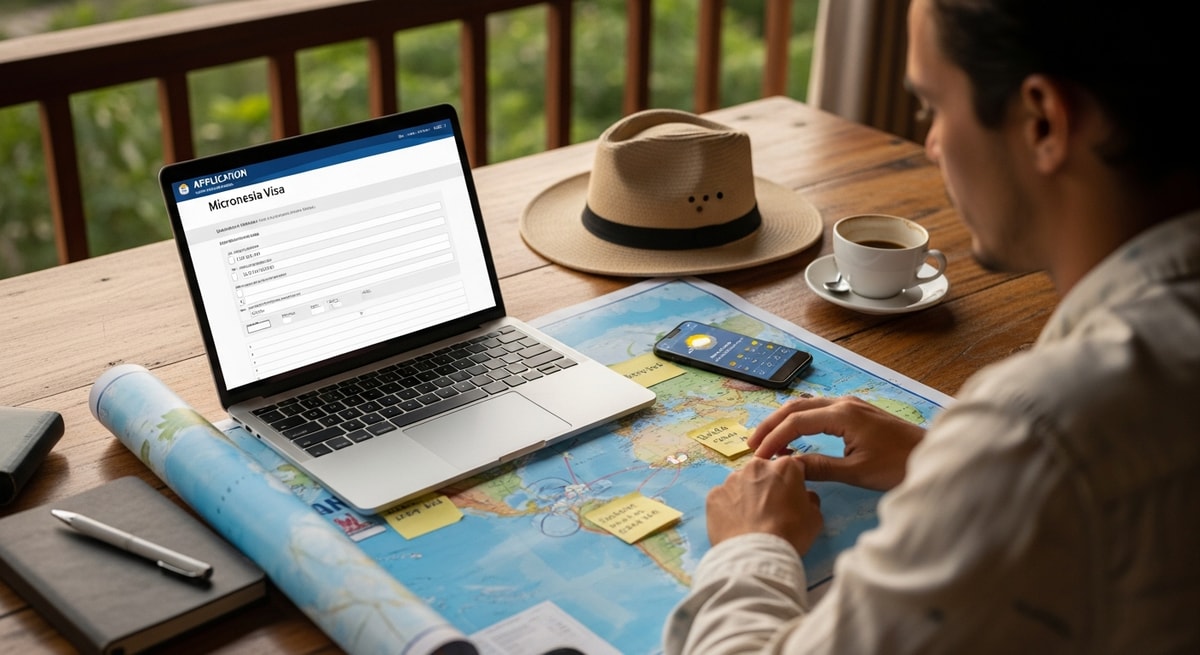
Complete the online application
Fill out our streamlined application form with your personal details, travel dates, and intended activities in Micronesia. Our intelligent validation system guides you through each section, ensuring your application meets FSM Immigration requirements before submission.
2
Upload your documents
Submit your passport scan with bio page clearly visible (minimum 6 months validity), a recent passport-sized photograph, proof of accommodation on your chosen island, and confirmed travel itinerary including inter-island flights. Our document specialists verify everything meets FSM entry requirements.
3
We process your application
Your verified application is processed according to FSM immigration procedures. We monitor your application status continuously and communicate any updates, requests for additional documentation, or status changes via email and SMS notifications.
4
Receive your entry authorization
Your approved entry permit arrives by email as a downloadable PDF. Print it clearly and present it at FSM immigration alongside your passport. Kaselehlie — welcome to the Federated States of Micronesia!
The Federated States of Micronesia (FSM) maintains one of the most welcoming visa policies in the Pacific region. As a nation in free association with the United States, FSM offers straightforward entry requirements for travelers from around the world seeking to explore its four distinctive states: Yap, Chuuk, Pohnpei, and Kosrae.
Visa-Free Entry for Most Nationalities
Citizens of most countries can enter FSM without a visa for stays up to 30 days. This includes travelers from the United States, European Union nations, United Kingdom, Australia, Canada, Japan, and most Asian and Pacific countries. US citizens enjoy special privileges under the Compact of Free Association, allowing indefinite stays without a visa. The visa-free entry is ideal for divers exploring Chuuk Lagoon's famous WWII wrecks, visitors witnessing Yap's traditional stone money culture, and travelers seeking authentic Pacific island experiences.
Entry Permit Extensions
Travelers wishing to stay longer than 30 days can apply for an extension at the FSM Immigration Office in Palikir or at state immigration offices. Extensions up to 90 days total are generally granted for tourism purposes, with some visitors able to extend to one year under special circumstances.
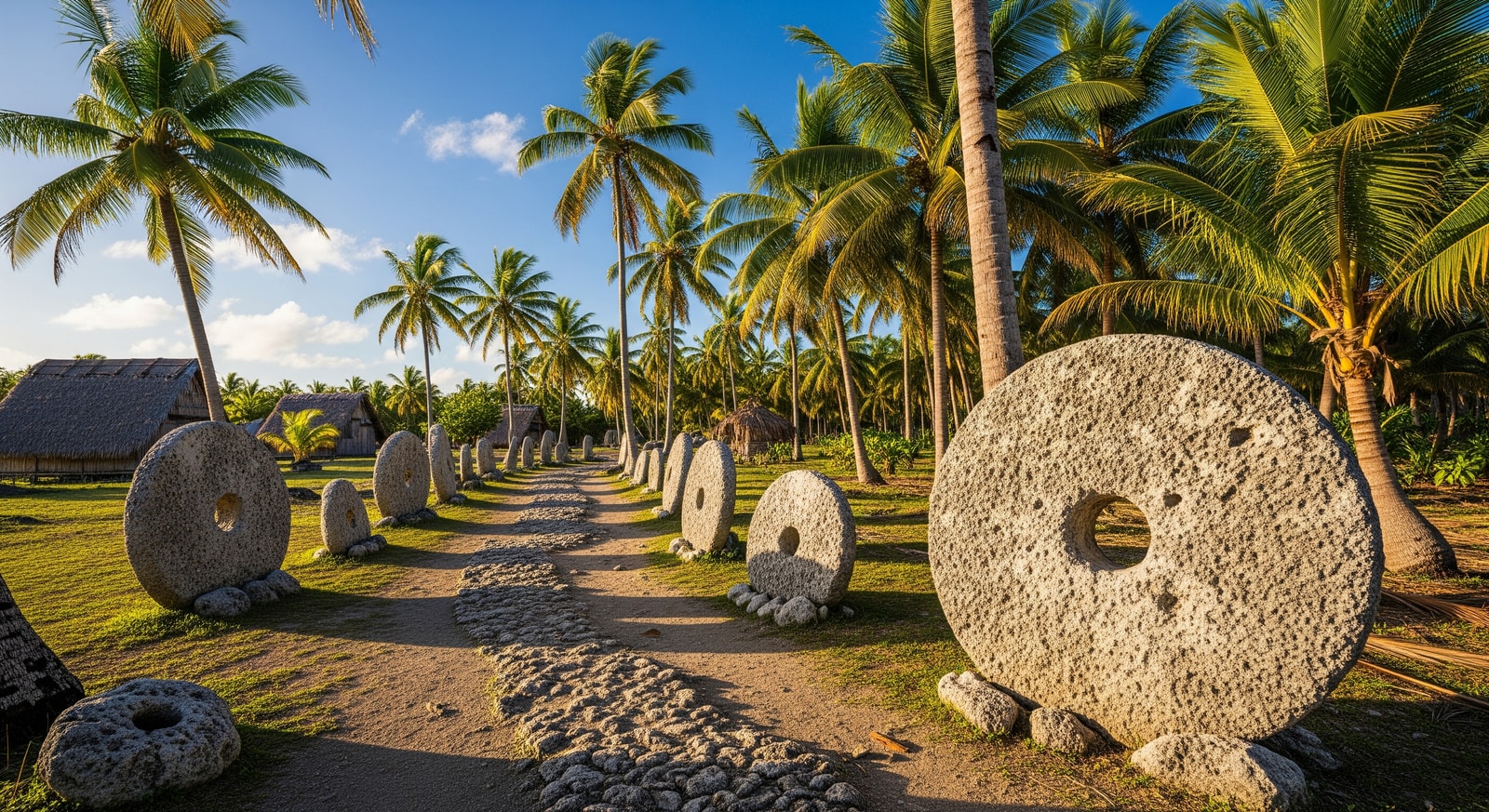
Yap Stone Money — Ancient currency still used ceremonially in traditional Yapese culture
Special Categories & Business Entry
US Citizens & Compact of Free Association
The Federated States of Micronesia has a unique relationship with the United States under the Compact of Free Association (COFA). US citizens can enter FSM indefinitely without a visa and may live, work, and study without special permits. Similarly, FSM citizens enjoy the same privileges in the United States. This arrangement makes FSM particularly accessible for American travelers, researchers, and those seeking extended stays.
Business Entry Permits
Business visitors not covered by COFA require a business entry permit for commercial activities including:
• Business meetings: Consultations with FSM companies and government agencies
• Investment exploration: Evaluating business opportunities in tourism, fishing, or other sectors
• Professional services: Short-term consulting or technical assistance
Business permits typically allow stays up to 30 days and require an invitation letter from an FSM-based organization. For employment or longer-term business activities, a work permit from the FSM Division of Immigration is required.
Research & Educational Permits
Micronesia is a significant destination for marine biologists, archaeologists, and anthropologists. Researchers require special permits coordinated through the FSM Historic Preservation Office or relevant state agencies, particularly for archaeological sites and cultural research.
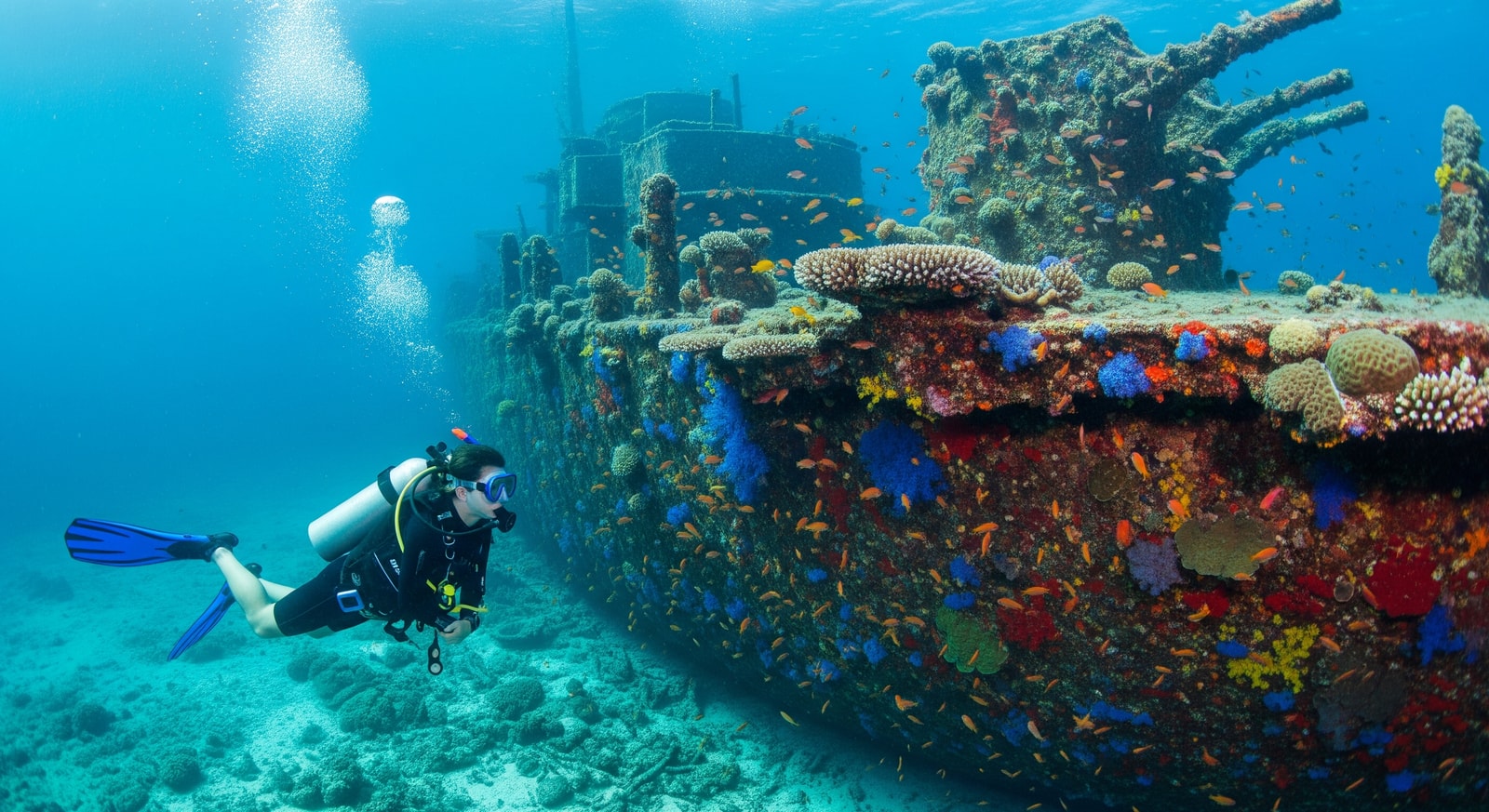
Chuuk Lagoon — Home to the world's largest concentration of accessible WWII shipwrecks
Entry Requirements & Documentation
Essential Documentation
All visitors to Micronesia must meet these fundamental requirements:
• Passport validity: Minimum 120 days (4 months) beyond your intended departure date
• Return travel: Confirmed ticket showing departure from FSM
• Sufficient funds: Evidence of financial means to support your stay (approximately $100-150 per day recommended)
• Accommodation: Hotel booking, dive resort reservation, or invitation from local sponsor
• Health requirements: No mandatory vaccinations, but Hepatitis A/B, Typhoid, and routine vaccines recommended
Entry Declaration
All arriving passengers must complete an FSM entry declaration form, available on flights and at ports of entry. This includes customs declarations — note that FSM has strict regulations on importing plants, animals, and certain food products to protect the fragile island ecosystems.
COVID-19 & Health Protocols
FSM has specific health entry requirements that may include vaccination certificates or health declarations. Requirements can change based on global health situations. Check current FSM health entry requirements before travel and ensure you have appropriate travel insurance covering medical emergencies in remote Pacific locations.
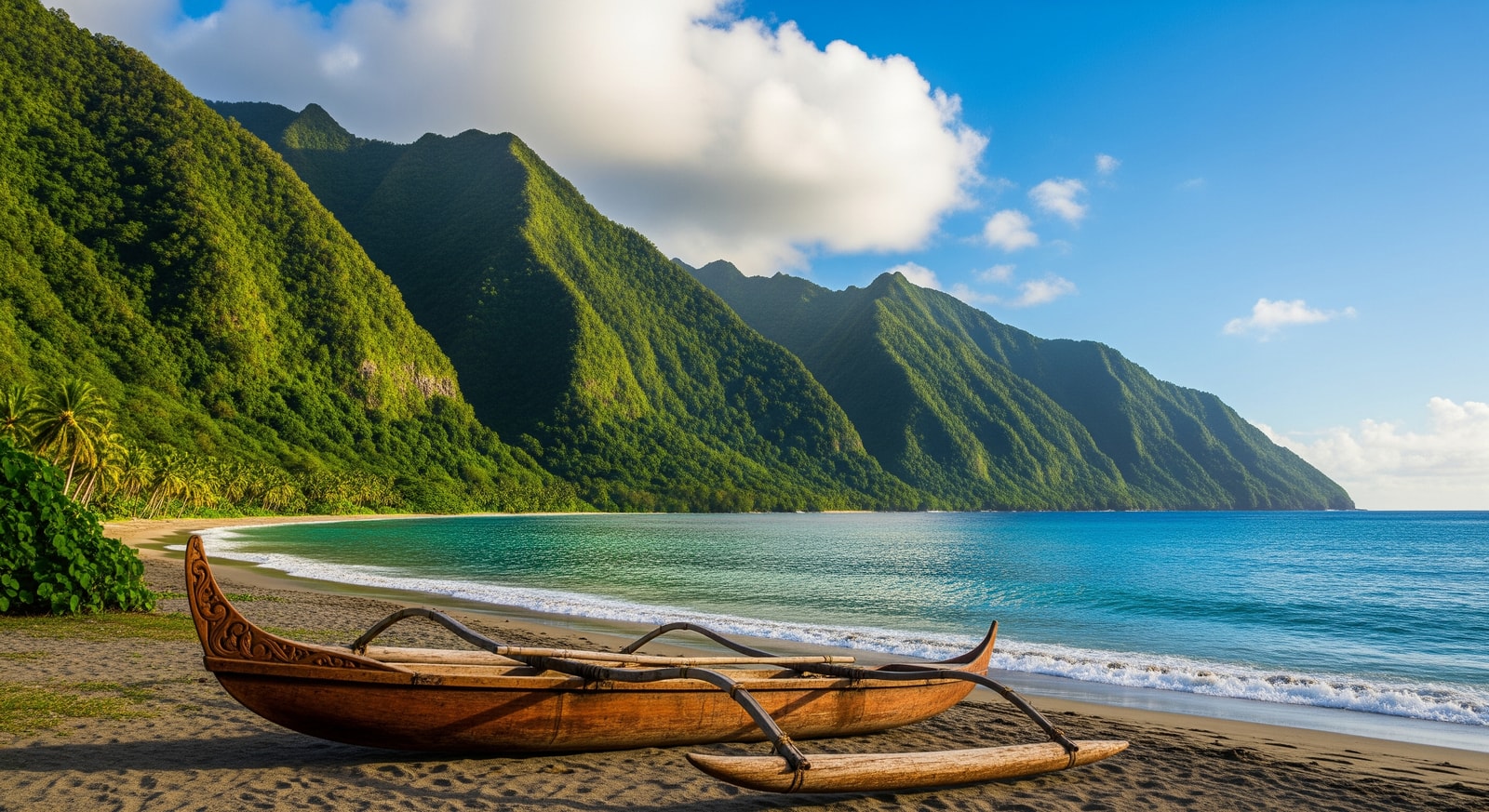
Pohnpei — The garden island and home to FSM's capital Palikir
Entry Points & Travel Tips
International Airports
Micronesia has two primary international gateways:
• Pohnpei International Airport (PNI): Located on the main island of Pohnpei near the capital Palikir, serving as FSM's primary international hub with connections via Guam and Honolulu
• Chuuk International Airport (TKK): Gateway to the famous Chuuk Lagoon dive sites, also connected to Guam
Additional domestic airports serve Yap (YAP) and Kosrae (KSA), with United Airlines' Island Hopper service connecting all four states to Guam and Honolulu.
Immigration Processing
Immigration processing at FSM airports is generally straightforward and friendly. Officers may ask about your accommodation, return ticket, and purpose of visit. Have your documents organized and easily accessible. Processing times are typically quick due to low passenger volumes.
Inter-Island Travel
Traveling between FSM's four states requires domestic flights — there are no ferry services between the main island groups. United Airlines Island Hopper operates several times weekly. Book inter-island flights well in advance as seats are limited. Each state maintains its own distinct culture and attractions, making multi-state visits highly rewarding for those with adequate time.
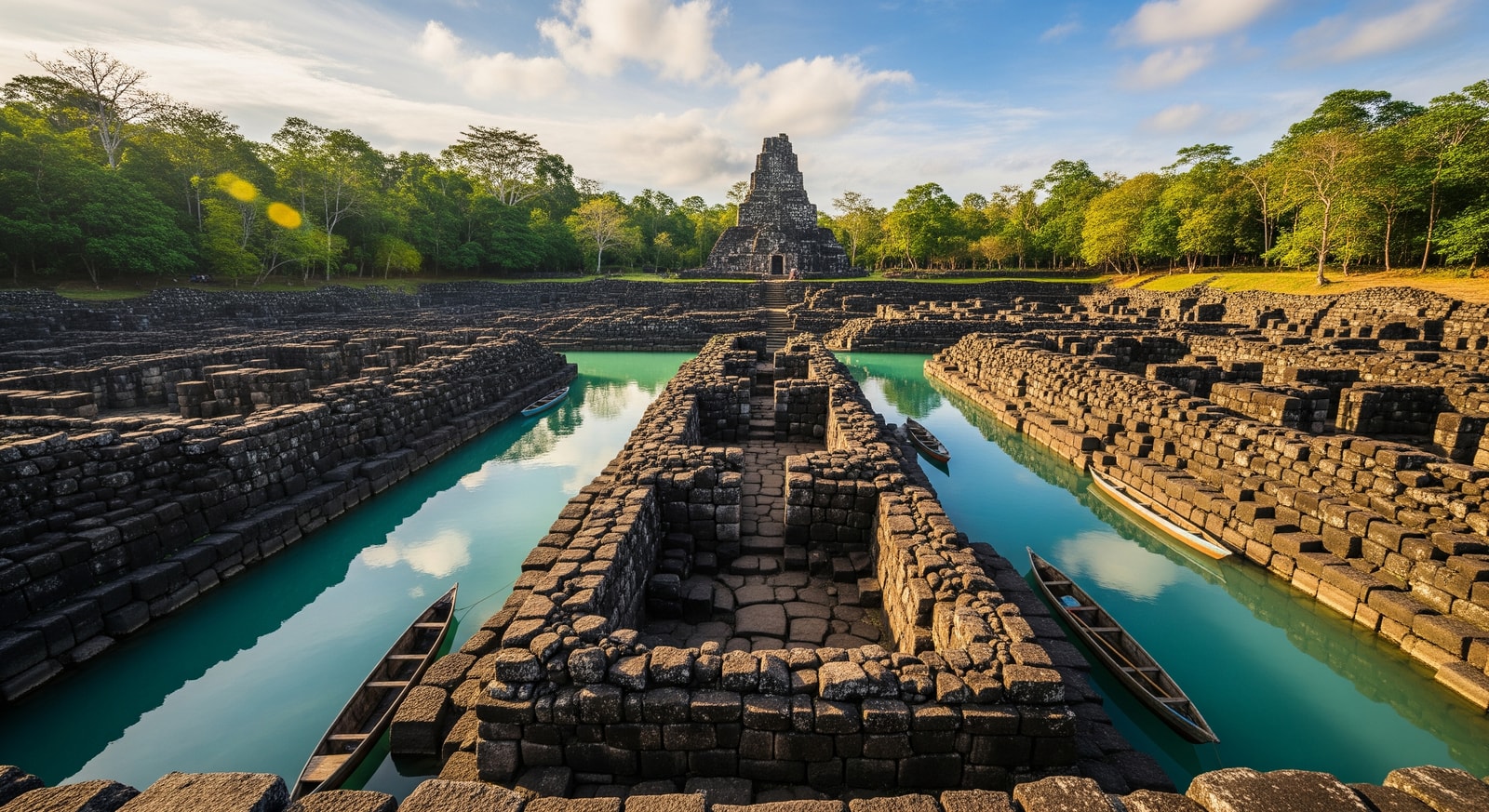
Nan Madol — The mysterious ancient stone city built on artificial islands in Pohnpei lagoon
Why Choose DoVisa?
See the difference between applying yourself vs using our expert service
Travelers to Micronesia rated this product 4.7 out of 5 based on 7 reviews.
4.7/ 5
Based on 7 verified reviews
Filter by rating
Marcus T.Jan 12, 2026
"Finally made it to Chuuk Lagoon for the wreck diving! DoVisa helped me understand the entry requirements and made sure all my documents were in order. The dive sites exceeded all expectations!"
Jennifer W.Dec 19, 2025
"Planning a trip to such a remote destination was daunting but DoVisa made the visa part simple. Great support team who actually knew about Micronesia. Yap's stone money was incredible!"
Robert K.Nov 28, 2025
"Good service for a unique destination. Had some questions about inter-island travel and the team was helpful. Documents processed without issues."
Sandra L.Oct 15, 2025
"As a marine biologist heading to Pohnpei, I needed help with research permit documentation. DoVisa guided me through everything. Nan Madol was the highlight of my trip!"
David M.Sep 22, 2025
"Straightforward process for what seemed like complicated entry requirements. Appreciated the detailed checklist and prompt responses to my questions."
Katherine H.Aug 14, 2025
"Dream trip to dive the WWII wrecks in Truk Lagoon came true! DoVisa handled our entry permits for a group of 6 divers. Excellent coordination and communication throughout."
Paul N.Jun 30, 2025
"Visited all four FSM states over three weeks. DoVisa helped ensure I had the right documentation for the extended stay. The traditional culture in Yap was unforgettable!"
Marcus T.Jan 12, 2026
"Finally made it to Chuuk Lagoon for the wreck diving! DoVisa helped me understand the entry requirements and made sure all my documents were in order. The dive sites exceeded all expectations!"
Jennifer W.Dec 19, 2025
"Planning a trip to such a remote destination was daunting but DoVisa made the visa part simple. Great support team who actually knew about Micronesia. Yap's stone money was incredible!"
Robert K.Nov 28, 2025
"Good service for a unique destination. Had some questions about inter-island travel and the team was helpful. Documents processed without issues."
Micronesia Visa FAQs
What types of entry permits are available for Micronesia?
The Federated States of Micronesia offers several entry categories based on purpose and nationality. Visa-free entry for up to 30 days is available to citizens of most countries worldwide — this is the most common entry method for tourists and divers. Tourist entry permits allow stays up to 90 days and can be arranged for those wanting extended island exploration. Business entry permits cover commercial activities, meetings, and short-term consulting. Work permits are required for employment and must be sponsored by an FSM employer. Research permits are needed for scientific or cultural research activities. US citizens enjoy special privileges under the Compact of Free Association, allowing indefinite stays without permits.
Do I need a visa to visit Micronesia?
Most travelers do not need a visa for short visits to Micronesia. Citizens of nearly all countries can enter FSM visa-free for stays up to 30 days. This includes travelers from the United States, European Union nations, United Kingdom, Australia, Canada, Japan, South Korea, and most other countries. US citizens have unlimited entry rights under the Compact of Free Association and may stay indefinitely. The visa-free entry covers tourism, visiting friends and family, and short business trips. For stays exceeding 30 days or for employment purposes, you'll need to apply for appropriate permits from FSM Immigration.
What is the Compact of Free Association?
The Compact of Free Association (COFA) is a unique agreement between the United States and three Pacific Island nations: the Federated States of Micronesia, the Republic of the Marshall Islands, and the Republic of Palau. Under COFA, US citizens can enter FSM indefinitely without a visa and may live, work, and study freely. In return, FSM citizens enjoy the same privileges in the United States. This arrangement stems from the post-WWII trust territory period and continues to facilitate close ties between the nations. For American travelers, this means Micronesia is exceptionally accessible with no entry limits or permit requirements.
What documents do I need to enter Micronesia?
Essential documents for entering Micronesia include: Passport valid for at least 120 days (4 months) beyond your intended departure date; confirmed return or onward ticket showing departure from FSM; proof of accommodation such as hotel reservations, dive resort booking, or local sponsor letter; proof of sufficient funds to support your stay (approximately $100-150 per day recommended); completed entry declaration form (provided on flights or at airports). Additional documents for business visitors: invitation letter from FSM organization. For researchers: permits from relevant FSM agencies. All travelers should carry travel insurance documentation covering medical emergencies in remote locations.
How long can I stay in Micronesia?
Initial visa-free entry allows stays up to 30 days for most nationalities. Extensions can be requested at the FSM Immigration Office in Palikir (on Pohnpei) or at state immigration offices, potentially extending your stay to 90 days for tourism purposes. In special circumstances, further extensions up to one year may be granted. US citizens under the Compact of Free Association have no time limits and may stay indefinitely. Important: Extensions are not guaranteed and require valid justification, sufficient funds, and sometimes proof of ongoing accommodation. Plan your travel accordingly and don't assume extensions will be approved.
Can I extend my stay in Micronesia?
Yes, entry permit extensions are possible for most visitors. Where to apply: FSM Division of Immigration and Labor in Palikir, Pohnpei, or at state-level immigration offices in Chuuk, Yap, or Kosrae. Requirements: Valid passport, proof of continued accommodation, sufficient funds, valid reason for extension, and applicable fee. Timeline: Apply before your current authorization expires — ideally at least one week before. Typical extensions: 30-day extensions are common, with total stays up to 90 days generally approved for tourism. Important considerations: FSM is remote and inter-island flights are limited, so factor in potential delays when planning your extension timeline.
Can I work in Micronesia with a tourist entry permit?
No, tourist entry permits do not authorize any form of employment in Micronesia. Tourist permits cover leisure activities such as diving, sightseeing, visiting cultural sites, and experiencing traditional island life. Business entry permits allow meetings and negotiations but not paid employment. Legal employment requires a work permit from the FSM Division of Immigration and Labor, which involves: employer sponsorship by an FSM-based organization; demonstration that no qualified FSM citizen is available for the position; applicable fees and processing time. Exception: US citizens under COFA may work freely in FSM without permits.
What is Chuuk Lagoon and why is it famous?
Chuuk Lagoon (formerly known as Truk Lagoon) is one of the world's premier wreck diving destinations and a major reason travelers visit Micronesia. The lagoon contains the largest concentration of accessible WWII shipwrecks anywhere on Earth. In February 1944, the US military launched Operation Hailstone, sinking over 60 Japanese ships and destroying nearly 300 aircraft. Today, more than 50 wrecks lie in diveable depths (15-60 meters), with many ships upright and penetrable, their cargo holds still containing wartime artifacts, vehicles, and equipment. Divers can explore aircraft, tanks, torpedoes, and personal items frozen in time, all now encrusted with vibrant coral and teeming with marine life.
What is Yap's stone money?
Rai stones are the famous stone money of Yap, unique in the world and still used ceremonially today. These circular stone disks — some reaching 3 meters in diameter and weighing several tons — were quarried from limestone in Palau, over 400 kilometers away, and transported by canoe. The value of each stone depends not on size but on its history: who carved it, who transported it, and who has owned it. Stones never physically move in transactions; ownership is simply acknowledged by the community. This ancient financial system represents one of humanity's earliest and most sophisticated concepts of money and value. Visitors can see stone money displayed throughout Yap's villages and learn about this fascinating cultural tradition.
How do I travel between the FSM states?
Inter-state travel in Micronesia requires flights — there are no ferry services between the main island groups due to the vast distances involved. United Airlines Island Hopper is the primary carrier, operating several flights weekly along the route: Honolulu - Majuro - Kwajalein - Kosrae - Pohnpei - Chuuk - Guam (and reverse). Booking tips: Reserve well in advance as seats are limited; flights don't operate daily; be flexible with dates; expect occasional delays due to weather or mechanical issues. Flight times: Inter-island hops range from 45 minutes to 1.5 hours. Each state has its own airport and immigration is only at international entry points. Alternative: Some dive operators and charter services offer private transfers between islands.
What is Nan Madol?
Nan Madol is an ancient stone city on Pohnpei island, often called the 'Venice of the Pacific.' Built between 1200-1500 CE, it consists of nearly 100 artificial islets constructed from massive basalt columns, connected by canals. The ruins cover approximately 18 square kilometers and include temples, tombs, royal residences, and administrative buildings. Nan Madol served as the political and ceremonial seat of the Saudeleur dynasty, which ruled Pohnpei for centuries. The site was designated a UNESCO World Heritage Site in 2016 and remains shrouded in mystery — how ancient Micronesians transported and positioned stones weighing up to 50 tons remains unexplained. Access is by boat, with local guides providing cultural context and history.
What is the best time to visit Micronesia?
Micronesia has a tropical climate with warm temperatures year-round (27-32 degrees Celsius). Dry Season (December-April): Generally the best time to visit with lower rainfall and calmer seas. Ideal for diving, especially in Chuuk Lagoon where visibility can exceed 30 meters. Wet Season (May-November): More frequent rain and occasional typhoons, but still diveable with fewer tourists and lower prices. Pohnpei is wet year-round (one of the wettest places on Earth). Diving conditions: Water temperature stays around 28-30 degrees Celsius throughout the year. Visibility varies by location and season but is generally excellent. Cultural events: FSM Independence Day (November 3) features celebrations across all states. Yap Day (early March) showcases traditional dances and ceremonies.
What happens if my entry is denied?
Entry denials to Micronesia are rare given the open visa policy, but can occur. Common denial reasons: Passport validity insufficient (less than 120 days); no proof of return travel; inadequate proof of funds; previous immigration violations; security concerns. If denied: You'll typically be held at the airport and placed on the next available outbound flight. Appeals are limited at the point of entry. Prevention: Ensure all documents meet requirements before travel; carry printed copies of return tickets and hotel reservations; have bank statements or credit cards demonstrating financial means; answer immigration questions honestly and directly. DoVisa support: Our pre-travel document review helps identify potential issues before departure.
Do I need travel insurance for Micronesia?
Travel insurance is strongly recommended for Micronesia visitors, though not strictly mandatory. Why it's essential: Micronesia is extremely remote with limited medical facilities. Serious medical emergencies may require evacuation to Guam, Hawaii, or the Philippines at costs exceeding $50,000 USD. The nearest hyperbaric chamber for diving accidents is in Guam. Recommended coverage: Minimum $100,000 USD medical coverage including emergency evacuation; diving insurance if planning wreck dives (standard policies often exclude diving beyond 30 meters); trip cancellation coverage (inter-island flights are limited and delays common); lost baggage protection. Important: Verify your policy specifically covers FSM, as some insurers exclude remote Pacific destinations.
What currency is used in Micronesia?
The Federated States of Micronesia uses the United States Dollar (USD) as its official currency — there is no separate Micronesian currency. Payment methods: Cash is king in FSM, especially outside hotels and dive resorts. ATMs exist in state capitals but may be unreliable. Credit cards (Visa, Mastercard) accepted at major hotels, dive operators, and some restaurants. Recommendations: Bring sufficient US dollars in cash, including small denominations ($1, $5, $10) for local purchases. Notify your bank before travel as transactions from FSM may trigger fraud alerts. Costs: FSM is moderately expensive due to remoteness — budget $150-250 per day for comfortable travel including accommodation, diving, and meals.
Do children need separate entry permits?
Yes, every traveler including infants requires their own entry permission — children cannot travel on parents' documents. Requirements for children: Valid passport in child's own name with 120+ days validity; same documentation requirements as adults. Additional documentation: If a child travels with only one parent, a consent letter from the absent parent is recommended. Children traveling without parents need notarized consent from both parents plus details of the receiving party in FSM. Practical notes: FSM is family-friendly but facilities for children are limited. Consider the long travel times (flights from US mainland exceed 12 hours plus connections) when traveling with young children.
What are the main attractions in each FSM state?
Each of FSM's four states offers distinct experiences. Chuuk: World-class wreck diving in Chuuk Lagoon; Japanese WWII remnants; traditional villages. Pohnpei: Nan Madol ancient stone ruins (UNESCO); lush rainforests and waterfalls; surfing at Palikir Pass; administrative capital Palikir. Yap: Traditional stone money villages; manta ray diving and snorkeling; preserved traditional culture with men's houses and dance ceremonies; least-developed tourism infrastructure. Kosrae: Pristine coral reefs; Lelu ruins (ancient stone city); hiking and nature; most peaceful and least-visited state. Multi-state itineraries are rewarding but require careful planning due to limited inter-island flights.
Is Micronesia safe for tourists?
Micronesia is considered very safe for tourists with low crime rates and friendly, welcoming communities. Safety factors: Small population, strong traditional values, close-knit communities, and minimal violent crime. Petty theft is uncommon but take normal precautions with valuables. Health considerations: Limited medical facilities — carry personal medications; mosquito-borne diseases including dengue possible — use repellent; strong sun exposure — protective clothing and sunscreen essential. Diving safety: Chuuk Lagoon wreck diving requires experience; some wrecks contain unexploded ordnance — never remove artifacts; hyperbaric chamber is in Guam (several hours by plane). Natural hazards: Typhoon season June-December; coral cuts can become infected in tropical waters; strong currents at some dive sites.
Still have questions?
Our team is here to help 24/7
Get Visa Tips & Exclusive Deals
Join 1,000+ travelers. No spam, unsubscribe anytime.

 With DoVisa