Quick 4-step process — most travelers approved within 3-5 business days
1
Complete the online application
Fill out our streamlined application form with your travel details and personal information. Our intelligent validation system pre-checks every field against Kiribati Immigration requirements, ensuring your application meets all entry criteria for this remote Pacific nation.
2
Upload your documents
Submit a clear passport scan (bio page with photo) and a recent digital photograph meeting Kiribati specifications. Our document specialists verify everything meets Immigration standards, including proof of onward travel and accommodation arrangements essential for this isolated destination.
3
We process your visa
Your verified application is submitted to Kiribati Immigration through official channels. We track processing status continuously and notify you immediately of any updates, decisions, or additional documentation requests via email and SMS.
4
Receive your visa electronically
Your approved visa documentation is delivered via email. Print a copy to present at Bonriki International Airport in Tarawa. Welcome to Kiribati — one of the world's most remote and unspoiled island nations spanning three ocean zones!
0+Happy Travelers
0/7Expert Support
0%+Approval Rate
0Customer Rating
Kiribati Visa Requirements & Entry Information
Visa on Arrival
Up to 30 days
Available for many nationalities at Tarawa airport
Kiribati, one of the world's most remote island nations, offers relatively straightforward entry procedures for tourists seeking to explore its 33 scattered atolls across three million square kilometers of Pacific Ocean. The country spans three distinct island groups — the Gilbert Islands (including the capital Tarawa), the Phoenix Islands, and the Line Islands — with the International Date Line running through, making some islands the first to greet each new day.
Visa on Arrival
Citizens of many countries can obtain a visa on arrival at Bonriki International Airport in South Tarawa for stays up to 30 days. This includes passport holders from Australia, New Zealand, United States, United Kingdom, European Union nations, Japan, and most Pacific Island countries. The visa on arrival process is straightforward but requires proof of accommodation, sufficient funds, and confirmed onward travel. Given Kiribati's limited tourism infrastructure, having pre-arranged accommodation is essential.
Tourist Visa
For stays exceeding 30 days or for nationalities not eligible for visa on arrival, a Tourist Visa must be obtained in advance through Kiribati Immigration or a Kiribati diplomatic mission. This allows stays up to 90 days and requires more comprehensive documentation including detailed travel itinerary, proof of funds, health certificate, and sometimes a letter of invitation. Processing typically takes 3-10 working days depending on application complexity and location.
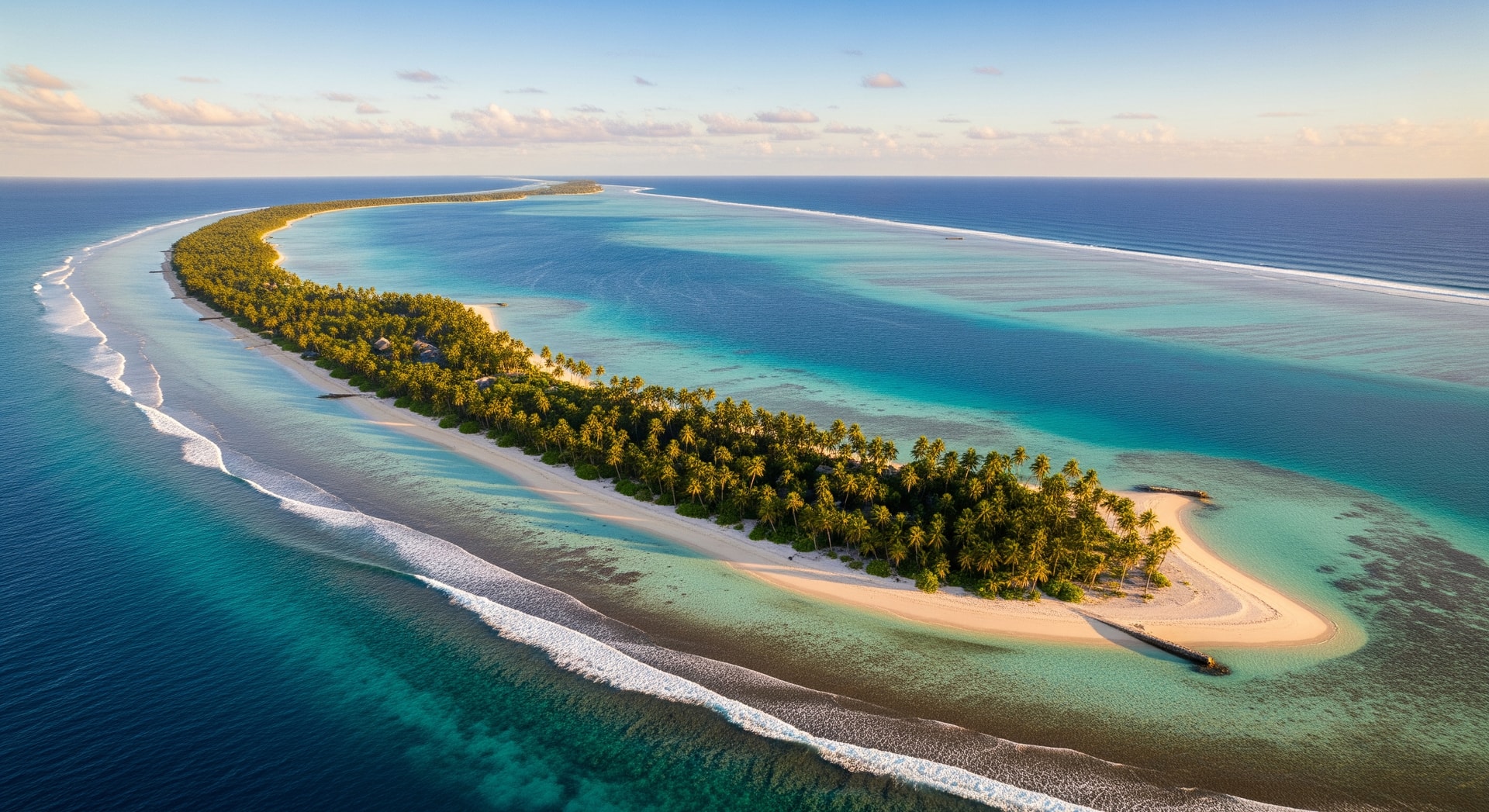
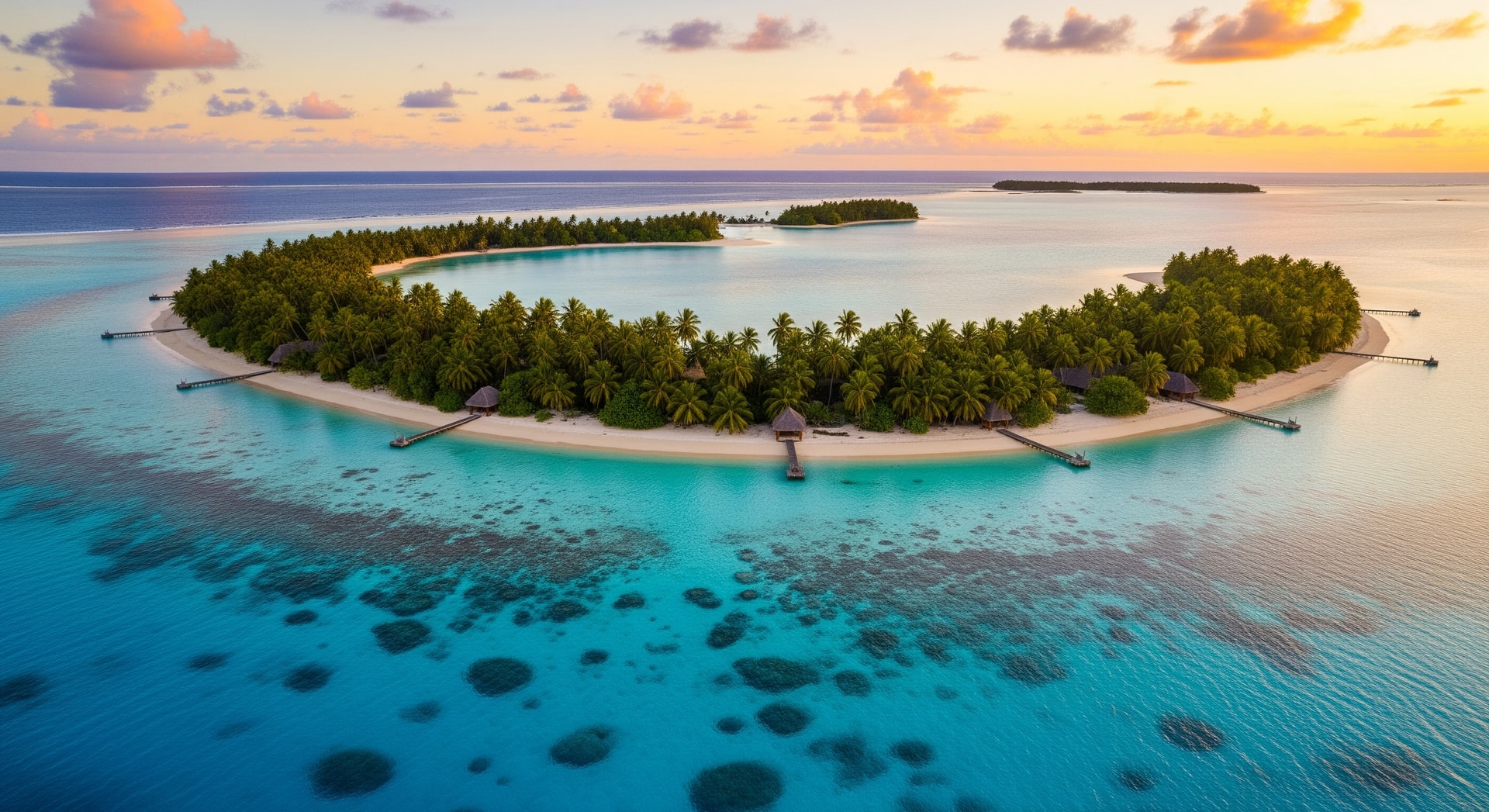
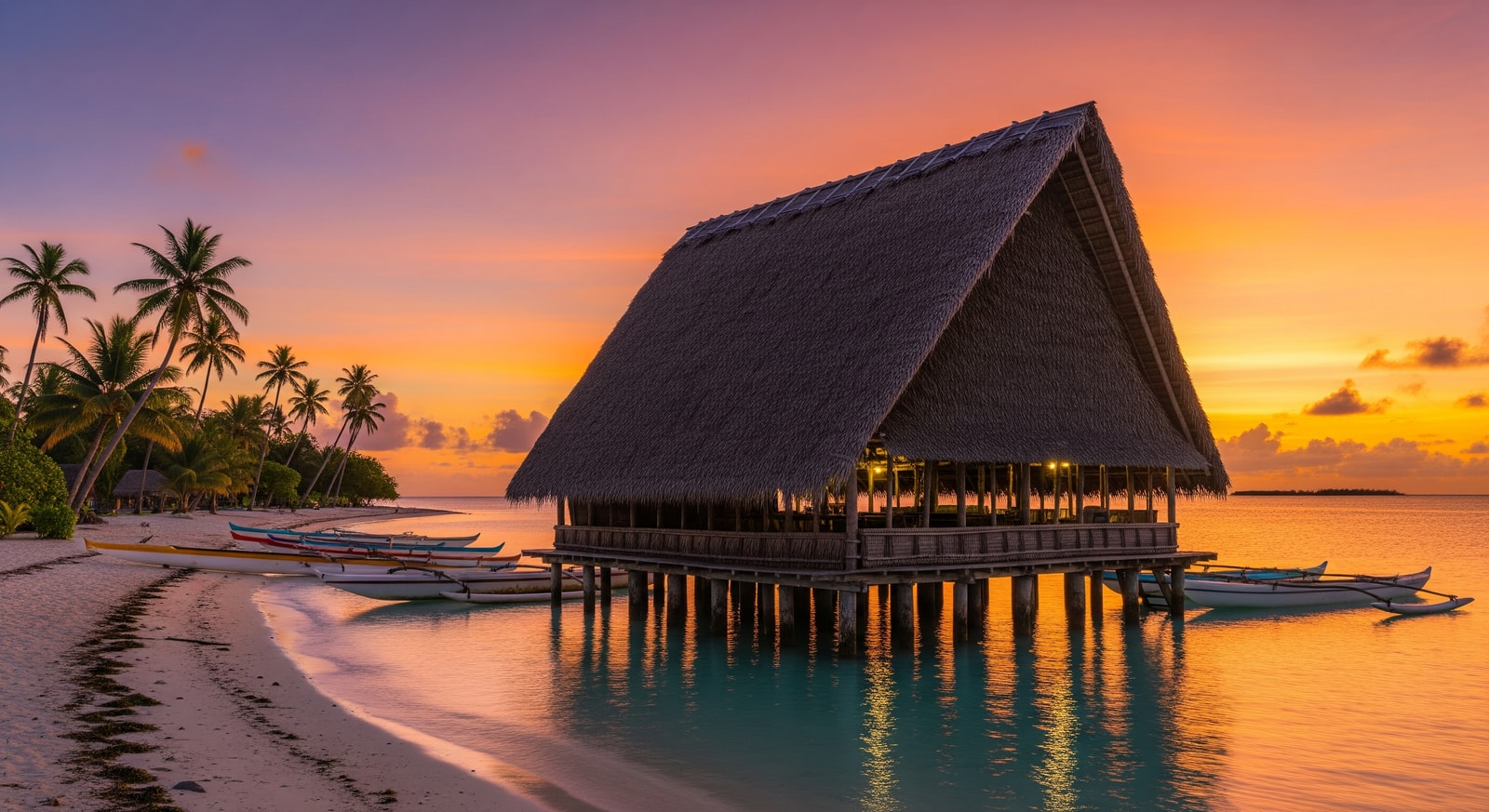
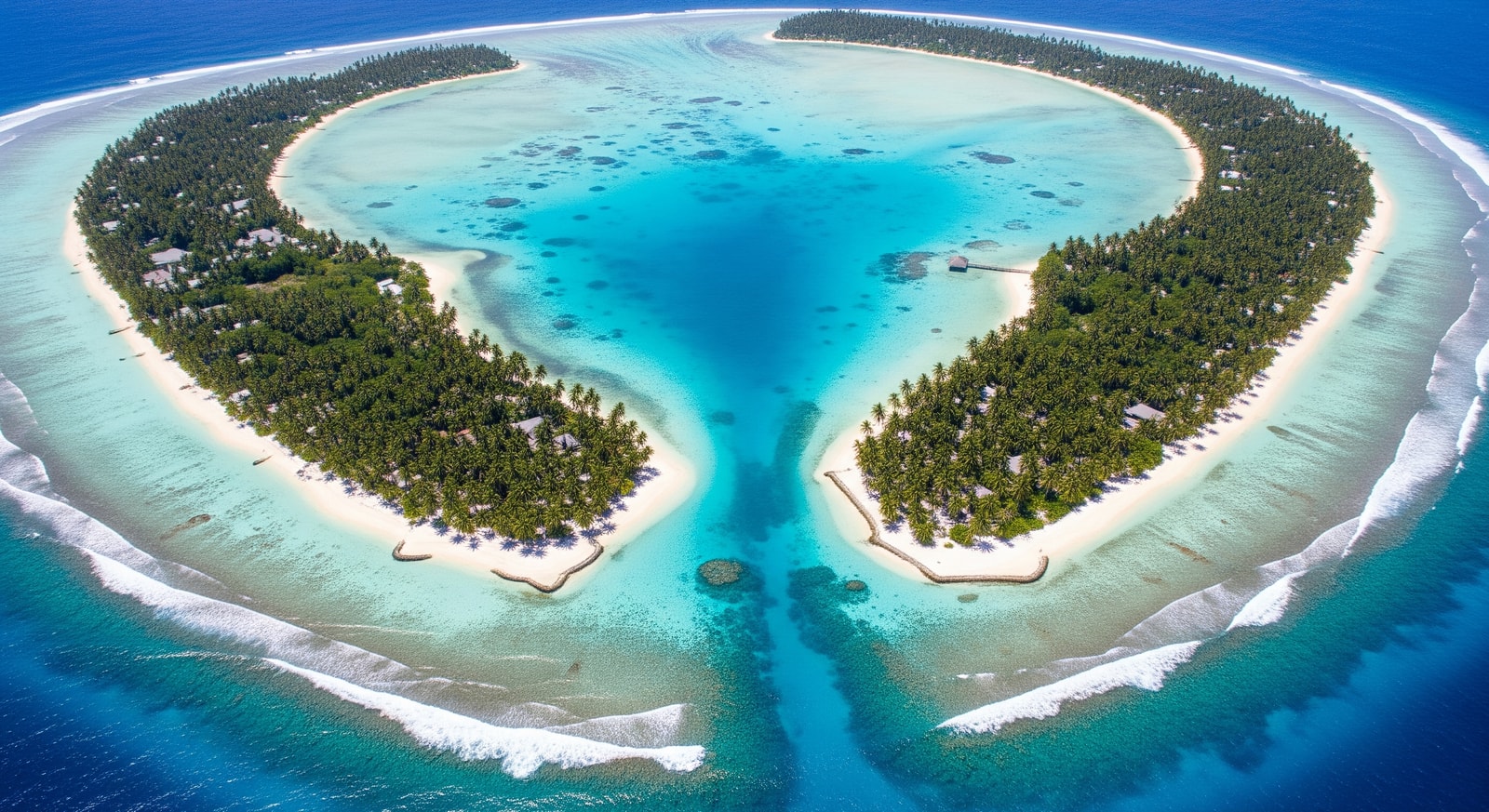
Tarawa — Capital of Kiribati and gateway to the Gilbert Islands
Work Permits & Special Visas
Work Permit
Foreign nationals seeking employment in Kiribati must obtain a Work Permit before starting work. This requires a job offer from a Kiribati-based employer, who must demonstrate that no qualified I-Kiribati citizen is available for the position. Work permits are typically issued for the duration of the employment contract and require renewal upon expiration. Key sectors employing foreign workers include education, healthcare, fisheries management, development organizations, and technical consulting.
Research and Scientific Permits
Kiribati's unique position — straddling the equator and International Date Line — makes it valuable for scientific research, particularly in climate science, marine biology, and oceanography. Researchers require special permits from the Ministry of Environment, Lands and Agricultural Development in addition to their visa. The Phoenix Islands Protected Area (PIPA), one of the world's largest marine protected areas and a UNESCO World Heritage Site, requires additional permits for any research activities.
Volunteer Visas
Volunteers working with recognized NGOs, development agencies, or religious organizations require appropriate volunteer visas. These are typically arranged through the sponsoring organization and require evidence of the volunteer placement, funding arrangements, and health clearances.
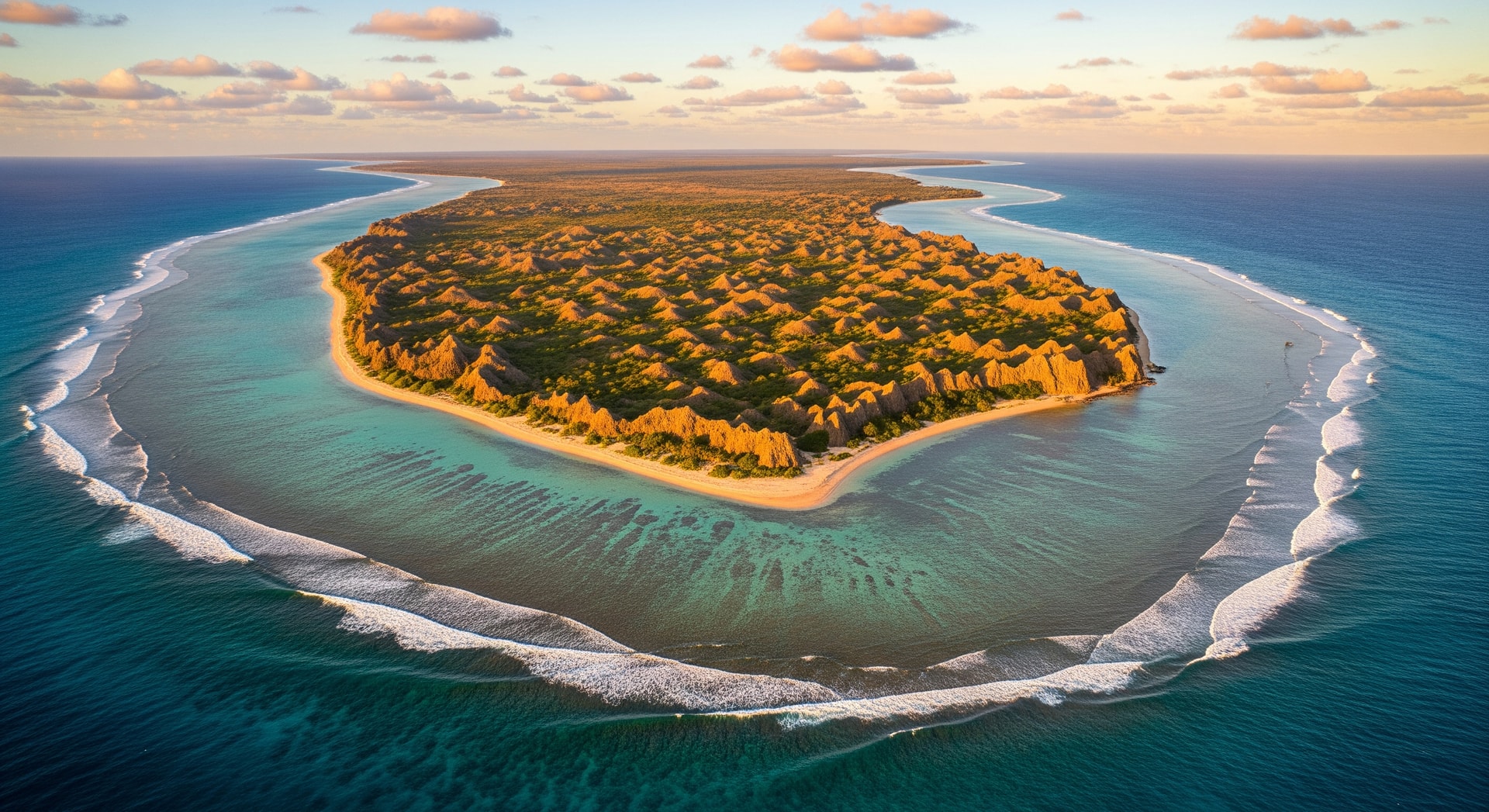
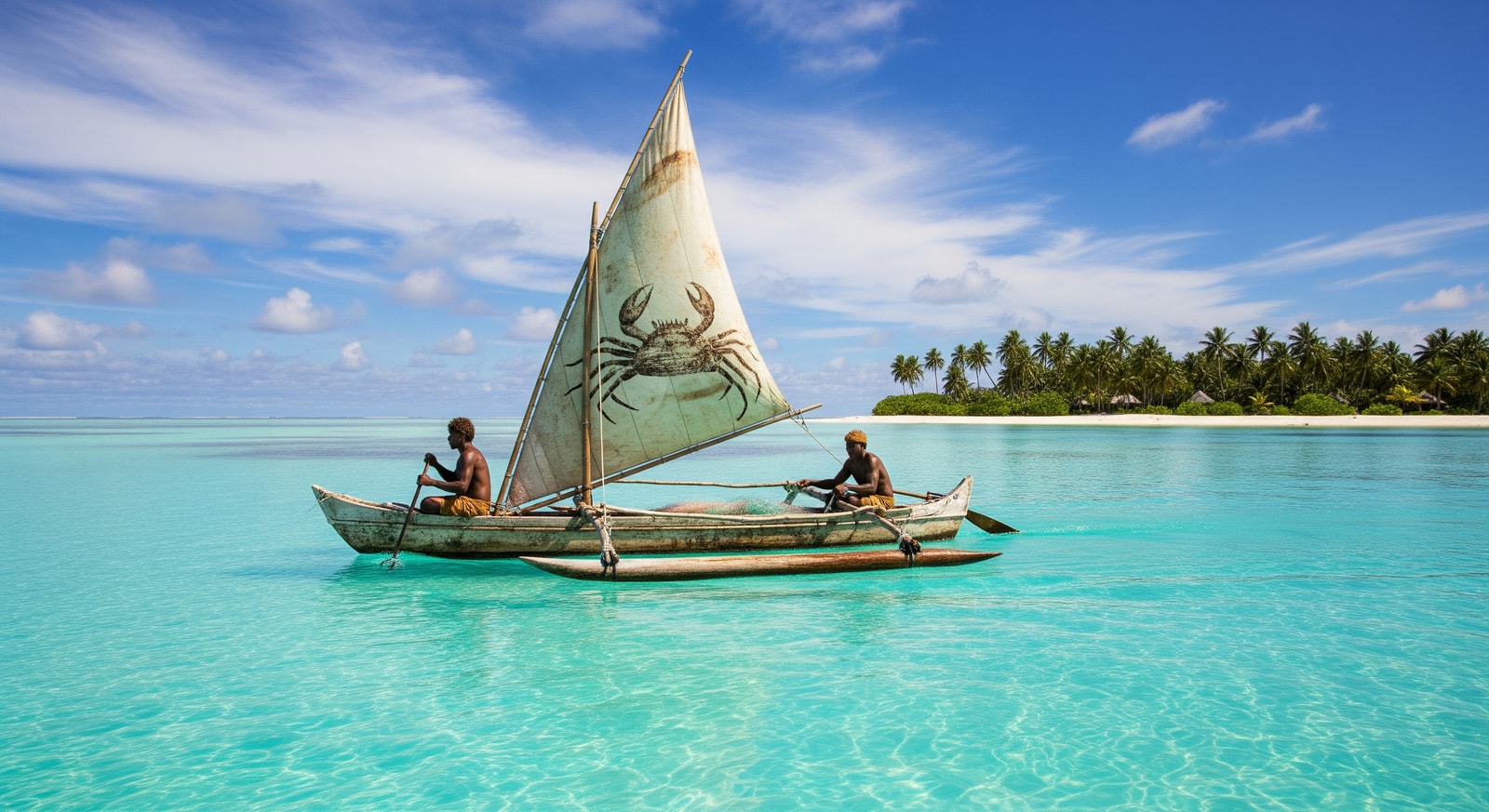
Fishing remains central to Kiribati culture and the nation's economy
Entry Requirements & Health Considerations
Essential Entry Requirements
All travelers to Kiribati must meet these requirements:
• Passport validity: Minimum 6 months beyond intended stay
• Onward travel: Confirmed ticket departing Kiribati (essential given limited flight options)
• Accommodation proof: Hotel booking or invitation letter from host
• Sufficient funds: Evidence of financial means to support your stay
• Yellow fever: Certificate required if arriving from or transiting through endemic countries
Health Considerations
Kiribati's remote location means medical facilities are extremely limited. South Tarawa has basic medical services, but serious conditions require medical evacuation to Australia or Fiji — costing tens of thousands of dollars. Comprehensive travel and medical evacuation insurance is essential. Bring adequate supplies of any prescription medications as pharmacies are limited. Water quality varies; drink bottled or boiled water. Dengue fever occurs periodically; use mosquito protection.
Climate Awareness
Kiribati lies just above sea level (average elevation 2 meters) and faces significant climate change impacts. King tides and storm surges can affect travel and accommodation. The dry season (April-October) generally offers more reliable weather.
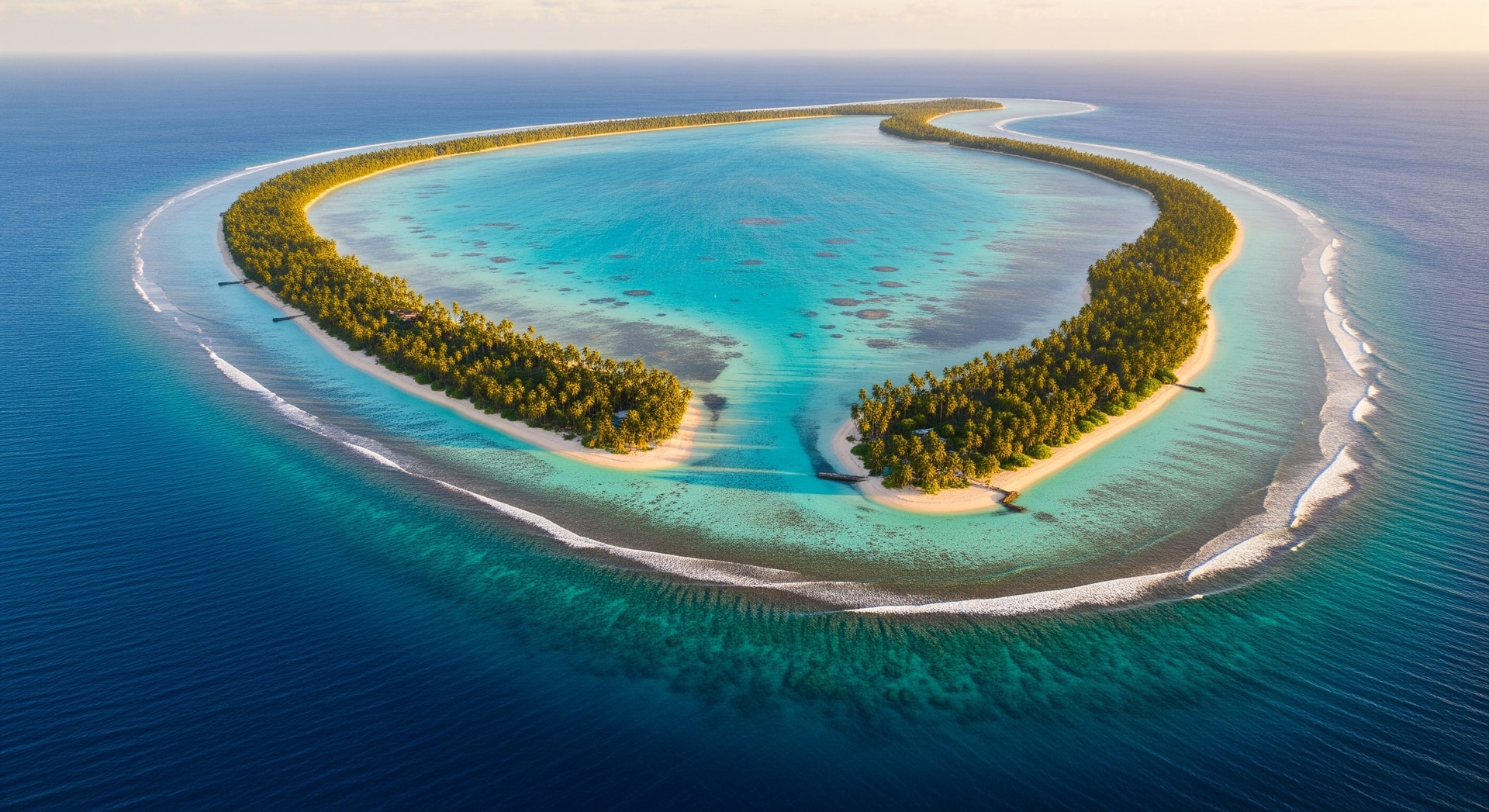
Kiribati's atolls rarely rise more than 3 meters above sea level
Getting There & Practical Information
Entry PointsBonriki International Airport (TRW) in South Tarawa is the primary international gateway to Kiribati. It receives flights from Fiji (Nadi) via Fiji Airways and from Nauru and the Marshall Islands via Nauru Airlines. Flight frequency is limited — typically 2-3 international flights per week — so plan accordingly and book well in advance. Cassidy International Airport (CXI) on Kiritimati (Christmas Island) in the Line Islands receives charter flights from Honolulu for sport fishing enthusiasts.
Processing Times
Visa on arrival is processed immediately upon landing — allow 30-60 minutes for immigration procedures. Pre-arranged visas through Immigration headquarters typically take 3-10 working days. Work permits require 4-8 weeks processing time. Research permits may take several months depending on the proposed research scope.
Practical Tips
• Cash is essential: Kiribati uses the Australian Dollar (AUD). ATMs are rare and unreliable; bring sufficient cash
• Connectivity: Internet and phone coverage is limited and expensive
• Time zones: Kiribati spans three time zones; the Line Islands (including Kiritimati) are the first inhabited places to see each new day
• WWII history: Tarawa was the site of the bloody Battle of Tarawa in 1943; historical sites and artifacts remain
• Be flexible: Flight delays and cancellations are common; build buffer time into your itinerary
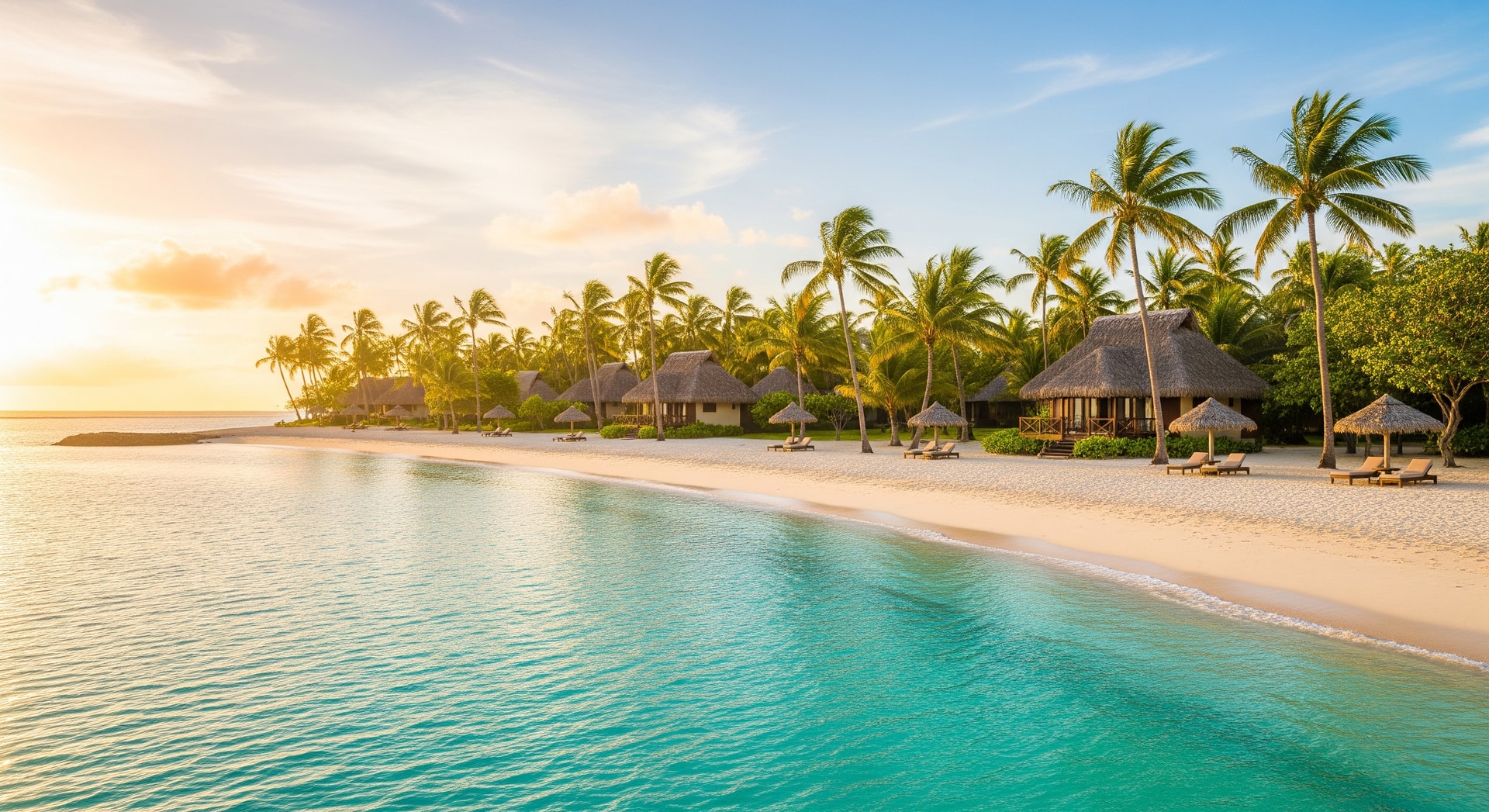
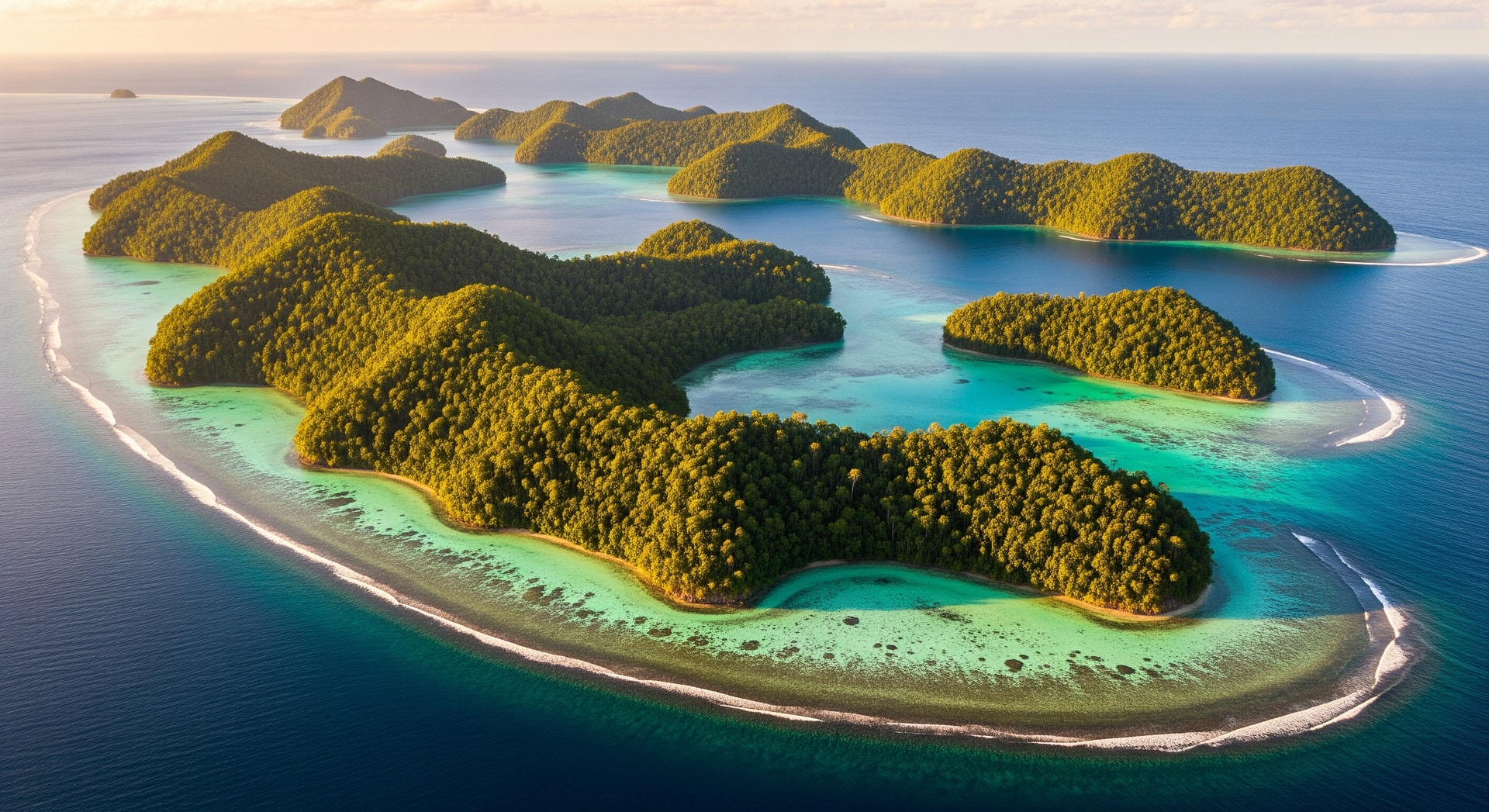
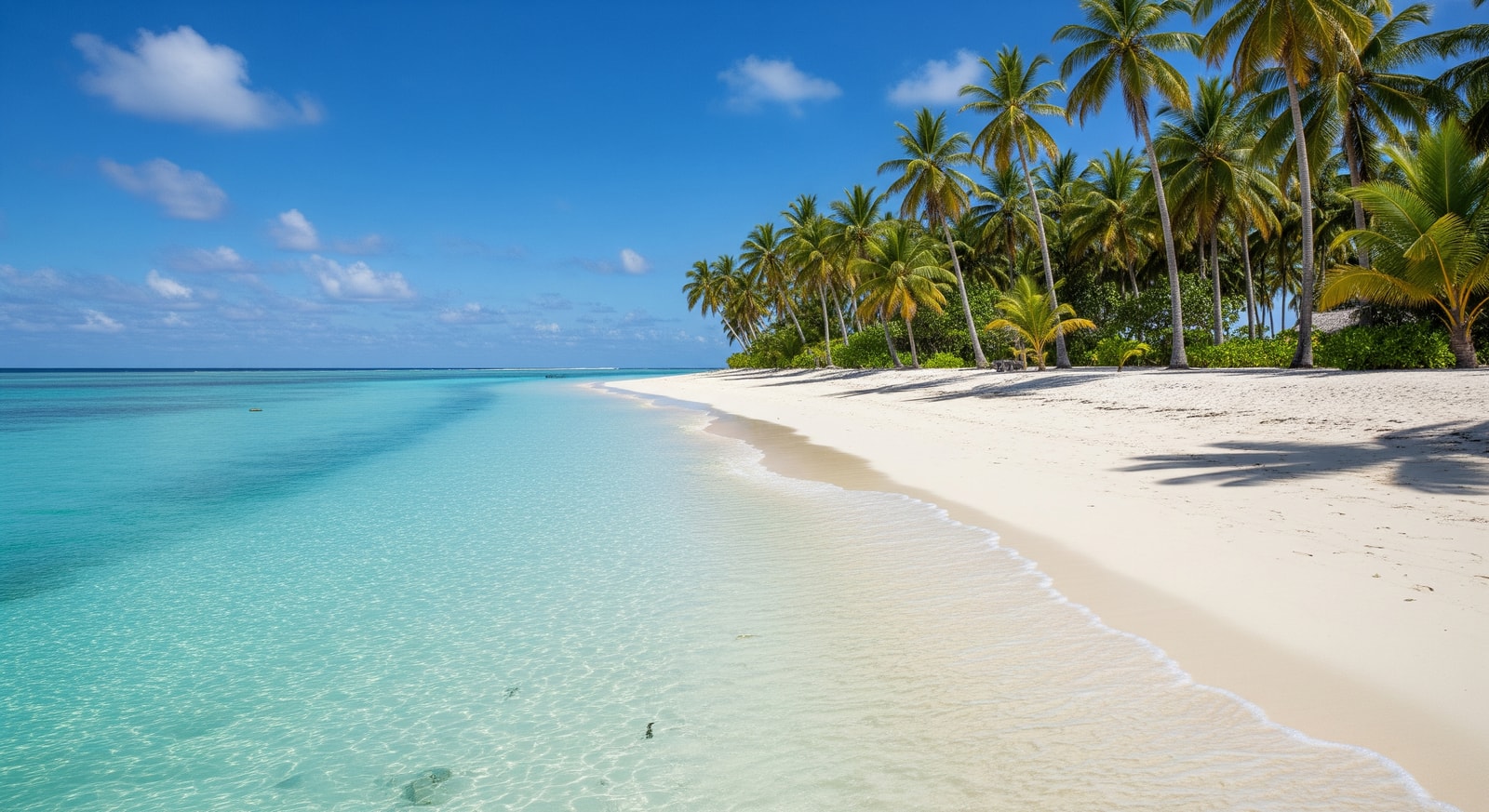
Kiribati's outer islands offer pristine beaches and true seclusion
Why Choose DoVisa?
See the difference between applying yourself vs using our expert service
Travelers to Kiribati rated this product 4.8 out of 5 based on 8 reviews.
4.8/ 5
Based on 8 verified reviews
Filter by rating
Marcus T.Jan 15, 2026
"Planning a trip to such a remote destination was daunting, but DoVisa made the visa process simple. They even helped me understand the limited flight options to Tarawa. Kiribati was incredible!"
Jennifer K.Jan 2, 2026
"As a marine biologist doing research in the Phoenix Islands, the permit process seemed overwhelming. DoVisa guided me through both the visa and research permit requirements efficiently."
David M.Dec 19, 2025
"Good service overall. Application was straightforward and the team answered my questions about accommodation requirements. Visa approved without issues."
Susan R.Nov 28, 2025
"Finally visited Kiritimati (Christmas Island) for bonefishing! DoVisa handled everything perfectly. The pre-departure info about bringing cash was especially helpful."
Robert H.Oct 14, 2025
"WWII history enthusiast here. DoVisa helped me plan my visit to the Tarawa battle sites with all the proper documentation. Fascinating trip to a place few tourists see."
Claire B.Sep 5, 2025
"Visa process was smooth. Would have appreciated more detail about the current health requirements, but overall a professional service for an unusual destination."
Thomas W.Jul 22, 2025
"Kiribati was on my bucket list as the first place to see the new year. DoVisa made getting there possible with clear guidance on the somewhat complex travel logistics."
Patricia L.Apr 10, 2025
"Volunteer visa for my church mission was processed without any problems. The team was patient with all my questions about this remote Pacific nation. Highly recommend!"
Marcus T.Jan 15, 2026
"Planning a trip to such a remote destination was daunting, but DoVisa made the visa process simple. They even helped me understand the limited flight options to Tarawa. Kiribati was incredible!"
Jennifer K.Jan 2, 2026
"As a marine biologist doing research in the Phoenix Islands, the permit process seemed overwhelming. DoVisa guided me through both the visa and research permit requirements efficiently."
David M.Dec 19, 2025
"Good service overall. Application was straightforward and the team answered my questions about accommodation requirements. Visa approved without issues."
Kiribati Visa FAQs
What types of visas are available for Kiribati?
Kiribati offers several visa categories for different travel purposes. Visa on Arrival is available at Bonriki International Airport for citizens of many countries, allowing stays up to 30 days for tourism purposes. Tourist Visa can be obtained in advance for longer stays up to 90 days or for nationalities not eligible for visa on arrival. Work Permits are required for any employment in Kiribati and must be arranged through a sponsoring employer. Research Permits are available for scientists and researchers, particularly those studying the Phoenix Islands Protected Area or conducting climate research. Volunteer Visas are issued for those working with recognized NGOs, development organizations, or religious missions. Business Visas are available for short-term business activities. The appropriate visa depends on your nationality, purpose of visit, and intended length of stay.
What is the visa on arrival for Kiribati?
The Kiribati visa on arrival is a convenient entry option available to citizens of many countries at Bonriki International Airport in South Tarawa. Eligible nationalities include citizens of Australia, New Zealand, United States, United Kingdom, European Union member states, Japan, South Korea, and most Pacific Island Forum countries. The visa on arrival permits stays of up to 30 days for tourism purposes. Requirements at the airport: Valid passport with 6+ months validity, confirmed onward/return travel, proof of accommodation, evidence of sufficient funds, and yellow fever certificate if arriving from endemic areas. Processing is completed at the immigration counter upon arrival — typically taking 30-60 minutes. Extensions may be possible through Kiribati Immigration for an additional 30-day period if you wish to extend your stay.
Who needs a visa to visit Kiribati?
Visa requirements for Kiribati vary by nationality. Visa on arrival eligible: Citizens of Australia, New Zealand, USA, UK, EU nations, Japan, Canada, and most Pacific Island countries can obtain a 30-day visa upon arrival at Tarawa. Visa required in advance: Citizens of China, India, Russia, most African nations, and some Asian countries must obtain a visa before travel through a Kiribati Immigration office or diplomatic mission. All visitors regardless of nationality must have: a passport valid for 6+ months, confirmed onward travel, accommodation bookings, and proof of sufficient funds. Work and research: Anyone planning to work, conduct research, or volunteer in Kiribati needs appropriate permits regardless of nationality — tourist visas and visa on arrival do not permit these activities. Check current requirements with Kiribati Immigration as policies can change.
What documents do I need for a Kiribati visa?
Visa on arrival requires: Valid passport (6+ months beyond entry), completed arrival card, confirmed return/onward flight ticket, proof of accommodation (hotel booking or invitation letter), evidence of sufficient funds, and yellow fever certificate if applicable. Tourist visa (advance application) requires: Completed application form, valid passport, passport-sized photographs, detailed travel itinerary, accommodation confirmation, proof of funds (bank statements), return flight booking, and health certificate in some cases. Work permit additionally requires: Job offer letter from Kiribati employer, employer's work permit application, educational and professional certificates, police clearance, and medical examination. Research permit requires: Detailed research proposal, institutional affiliation letter, environmental impact assessment for certain research, and approval from relevant government ministries. Important: Given Kiribati's remote location, ensure all documentation is complete before travel — corrections are difficult to make once you arrive.
How long can I stay in Kiribati?
Length of stay depends on your visa type. Visa on arrival: Up to 30 days, with possibility of one 30-day extension through Immigration. Tourist visa: Up to 90 days maximum, though the exact duration granted depends on your application and supporting documents. Work permit: Duration matches your employment contract, typically 1-2 years with renewal options if employment continues. Research permit: Matches the duration of your research project as approved by Kiribati authorities. Extensions: Tourist visa extensions can be requested at the Immigration Division in Bairiki, South Tarawa. Extensions are discretionary and require evidence of sufficient funds and accommodation for the additional period. Important note: Given the limited international flights (typically 2-3 per week), ensure your visa validity covers potential flight delays or cancellations that could extend your stay unexpectedly.
Can I extend my Kiribati visa?
Yes, visa extensions are possible for most visa categories but must be applied for before your current visa expires. Tourist visa extensions: Apply at the Immigration Division office in Bairiki, South Tarawa. You can typically extend for an additional 30 days (visa on arrival) or request extension within the 90-day maximum (tourist visa). Required: Valid reasons for extension, proof of ongoing accommodation, sufficient funds, and onward travel arrangements. Work permit extensions: Must be applied for by your employer at least 30 days before expiration. Requires evidence of continued employment and that visa conditions have been met. Processing time: Allow 3-5 working days for tourist extensions; work permit renewals take longer. Fees: Extension fees apply and must be paid at the Immigration office. Overstaying: Overstaying your visa is a serious offense that can result in fines, detention, and deportation with potential future entry bans.
Can I work in Kiribati with a tourist visa?
No, tourist visas and visa on arrival do not permit any form of employment in Kiribati. Permitted activities on tourist authorization include: Sightseeing, visiting friends and family, attending cultural events, recreational fishing (with appropriate licenses), and attending conferences as a delegate. Not permitted: Any paid or unpaid work, volunteering with organizations, conducting research, teaching, or any activity that could be considered employment. To work legally: You need a Work Permit, which requires a job offer from a Kiribati-based employer who must demonstrate that no qualified I-Kiribati citizen is available for the position. The employer applies for your work permit through the Ministry of Labour. Volunteering: Even unpaid volunteer work requires a specific volunteer visa arranged through the sponsoring organization. Penalties: Working illegally can result in fines, deportation, and being barred from future entry to Kiribati.
Do I need to print my Kiribati visa?
Yes, you should print your visa approval documentation for Kiribati. Unlike some countries with fully electronic visa systems, Kiribati's immigration system is largely paper-based. For visa on arrival: No advance printing needed — your visa is stamped in your passport at the airport. However, print copies of your accommodation booking, return flight, and financial evidence to show immigration officers. For pre-approved visas: Print your visa approval letter and carry it with your passport. Present both to your airline at check-in and to immigration upon arrival. Keep multiple copies: Given limited printing facilities in Kiribati, bring extra copies of all important documents. Digital backup: Also save PDF copies on your phone or email, but don't rely solely on digital versions — internet connectivity in Kiribati is unreliable and expensive.
How long does Kiribati visa processing take?
Processing times vary by visa type and application location. Visa on arrival: Processed immediately at Bonriki International Airport immigration counter — typically 30-60 minutes depending on queue length and flight arrivals. Tourist visa (advance): Applications through Kiribati Immigration headquarters typically take 3-10 working days. Applications through diplomatic missions may take longer depending on location and mail processing times. Work permit: Allow 4-8 weeks for processing. The employer must initiate the application process well in advance of intended start date. Research permit: 2-4 months is common, particularly for research in protected areas like the Phoenix Islands. Complex research proposals may take longer as they require inter-ministerial approval. Recommendation: Given Kiribati's limited administrative resources and the remote location, apply as early as possible and build flexibility into your travel plans.
What if my Kiribati visa application is rejected?
Visa rejections for Kiribati are uncommon for tourists with complete documentation but do occur. Common rejection reasons: Insufficient proof of funds, lack of confirmed accommodation, no onward/return ticket, incomplete documentation, concerns about genuine tourist intent, or previous immigration violations. If rejected at the airport (visa on arrival): You may be denied entry and placed on the next available flight out — which could mean waiting several days given limited flight schedules. Ensure all documentation is in order before departure. If advance visa rejected: You will receive communication explaining the reason. You may reapply with additional supporting documentation or address the specific concerns raised. Appeals: Limited formal appeal processes exist; your best option is typically to reapply with stronger documentation. Prevention: Ensure complete documentation, demonstrate clear ties to your home country, show evidence of genuine tourism purpose, and have sufficient funds. DoVisa assistance: We review your application to minimize rejection risk and provide guidance on strengthening weak applications.
When is the best time to visit Kiribati?
Kiribati has a tropical maritime climate with minimal seasonal temperature variation. Dry season (April-October): Generally the best time to visit with lower rainfall, less humidity, and more reliable weather. Trade winds provide natural cooling. This is peak season for the limited tourism that occurs. Wet season (November-March): Higher rainfall and humidity, occasional tropical storms. However, rain typically comes in short bursts rather than all-day downpours. Temperature: Consistently warm year-round, averaging 27-32°C (80-90°F). Special timing considerations: Kiritimati (Christmas Island) in the Line Islands is famous for being the first inhabited place to see each new year — special New Year's tours are available. Bonefishing on Kiritimati is excellent year-round but peaks from September to May. King tides (highest tides of the year) can cause flooding in low-lying areas, particularly in December-January. Flight availability: Limited — book flights well in advance regardless of season.
How do I get to Kiribati?
Reaching Kiribati requires advance planning due to limited flight options. Primary gateway: Bonriki International Airport (TRW) in South Tarawa receives international flights from Fiji (Nadi) via Fiji Airways (typically 2 flights per week) and from Nauru and the Marshall Islands via Nauru Airlines. Secondary gateway: Cassidy International Airport (CXI) on Kiritimati (Christmas Island) receives charter flights from Honolulu, primarily serving sport fishing enthusiasts. No direct flights from North America, Europe, or mainland Asia — connections through Fiji or Nauru are required. Booking strategy: Book flights well in advance (3-6 months for peak periods); expect to spend 1-2 nights in Fiji or Nauru on connecting itineraries; build buffer days for potential delays. Inter-island travel: Air Kiribati operates domestic flights between some islands, but schedules are limited and subject to change. Boat travel is possible but time-consuming and uncomfortable. Flight changes: Common due to weather, mechanical issues, or low passenger numbers — maintain flexibility in your plans.
What are the health requirements for Kiribati?
Yellow fever certificate: Required if arriving from or transiting through yellow fever endemic countries (much of Africa and South America). Without this certificate, you may be denied entry. Routine vaccinations: Ensure standard vaccinations are up to date — hepatitis A, hepatitis B, typhoid, and tetanus are recommended. COVID-19: Check current requirements as they may change; Kiribati implemented strict measures during the pandemic. Malaria: Not present in Kiribati. Dengue fever: Occurs periodically — use mosquito repellent and protective clothing. Medical facilities: Extremely limited. The main hospital is Tungaru Central Hospital in Tarawa with basic services only. Medical evacuation: Serious conditions require evacuation to Fiji or Australia at costs of AUD 50,000-100,000+. Essential: Comprehensive travel insurance with medical evacuation coverage is absolutely critical. Medications: Bring adequate supplies of prescription medications; pharmacies are limited and may not stock your specific needs. Water: Drink bottled or properly treated water only.
What currency is used in Kiribati and how should I pay?
Kiribati uses the Australian Dollar (AUD) as its official currency. Cash is essential: Kiribati is largely a cash economy. Credit cards are rarely accepted — only a few hotels and the main ANZ bank branch in Tarawa may accept them. ATMs: Very limited — one ANZ ATM exists in Tarawa but is frequently out of service or out of cash. Do not rely on ATMs. How much to bring: Calculate your entire trip budget plus a generous emergency buffer. Accommodation, meals, transport, and any activities should be planned for in cash. Small denominations: Bring plenty of smaller notes (AUD 10, 20, 50); change for AUD 100 notes may be difficult to obtain. Currency exchange: Limited facilities — exchange money before arriving in Kiribati. Budget estimate: Expect to spend AUD 100-200 per day minimum for basic accommodation and meals; more for outer island trips. Emergency funds: Always carry extra cash for unexpected flight changes or extended stays due to delays.
What is there to see and do in Kiribati?
Kiribati offers unique experiences for adventurous travelers. WWII History: Tarawa was the site of the brutal Battle of Tarawa in November 1943. Remnants include gun emplacements, bunkers, shipwrecks, and a memorial. Phoenix Islands Protected Area: One of the world's largest marine reserves and a UNESCO World Heritage Site — pristine coral reefs, abundant marine life, and virtually untouched ecosystems. Access is restricted and requires special permits. Kiritimati (Christmas Island): World-class bonefishing destination with legendary flats fishing; also famous for being the first place to see each new year. Traditional culture: Experience I-Kiribati hospitality, traditional maneaba (meeting houses), dance performances, and outrigger canoe sailing. Beach relaxation: Pristine, uncrowded beaches on outer islands. Snorkeling and diving: Excellent reef systems with diverse marine life. Bird watching: Important seabird colonies, particularly on uninhabited islands. Note: Tourism infrastructure is very limited — this is genuine off-the-beaten-path travel requiring self-sufficiency and flexibility.
Is Kiribati safe for tourists?
Kiribati is generally very safe for tourists. Crime: Violent crime against tourists is extremely rare. Petty theft can occur — use common-sense precautions with valuables. Local culture: I-Kiribati people are known for hospitality and friendliness. Respect local customs, dress modestly (particularly women covering shoulders and knees), and ask permission before photographing people. Health risks: The main safety concerns relate to health — limited medical facilities mean any serious illness or injury could become life-threatening without evacuation. Sun exposure: Equatorial sun is intense — use strong sunscreen, protective clothing, and stay hydrated. Ocean safety: Strong currents exist around many atolls; reef cuts can become seriously infected. Infrastructure: Roads are rough, vehicles may lack seatbelts, and inter-island boats may not meet international safety standards. Climate change: King tides and storm surges can affect low-lying areas. Communications: Limited phone and internet coverage means help may be difficult to summon in emergencies. Essential: Comprehensive travel insurance and informing someone of your itinerary are crucial safety measures.
Still have questions?
Our team is here to help 24/7
Get Visa Tips & Exclusive Deals
Join 1,000+ travelers. No spam, unsubscribe anytime.


 With DoVisa