TA flag

Get Your Tristan da Cunha Visa Online

Landing permit assistance for the most remote inhabited archipelago on Earth — home to Edinburgh of the Seven Seas

4.6Trustpilot

Check Visa Requirements

See if you need a visa for TA

Please select your passport
Where are you going?

How to Get Your Tristan da Cunha Landing Permit

Carefully coordinated process — applications must be submitted months in advance due to limited access

1

Complete the landing permit application

Fill out the official Tristan da Cunha landing permit application with detailed travel plans, purpose of visit, and personal information. Due to the island's extremely limited capacity (approximately 250 residents), applications must demonstrate a legitimate reason for visiting and proof of arranged transportation.

2

Submit required documents to the Island Administrator

Provide your passport details, comprehensive travel insurance including emergency evacuation coverage, proof of transportation arrangements (fishing vessel or expedition cruise booking), accommodation confirmation if staying ashore, and a detailed itinerary. Medical fitness documentation may be required given the island's limited healthcare facilities.

3

Await approval from the Island Council

The Island Administrator and Council review applications carefully, considering accommodation availability, transportation logistics, and community capacity. This process can take several weeks to months. DoVisa monitors your application status and communicates any requests for additional information or documentation.

4

Receive your landing permit

Once approved, you will receive your landing permit documentation. Carry printed copies along with all supporting documents for presentation upon arrival. Remember that Tristan da Cunha has no airport — arrival is only possible by sea, typically from Cape Town (approximately 6-day voyage) or via fishing vessels and expedition cruises.
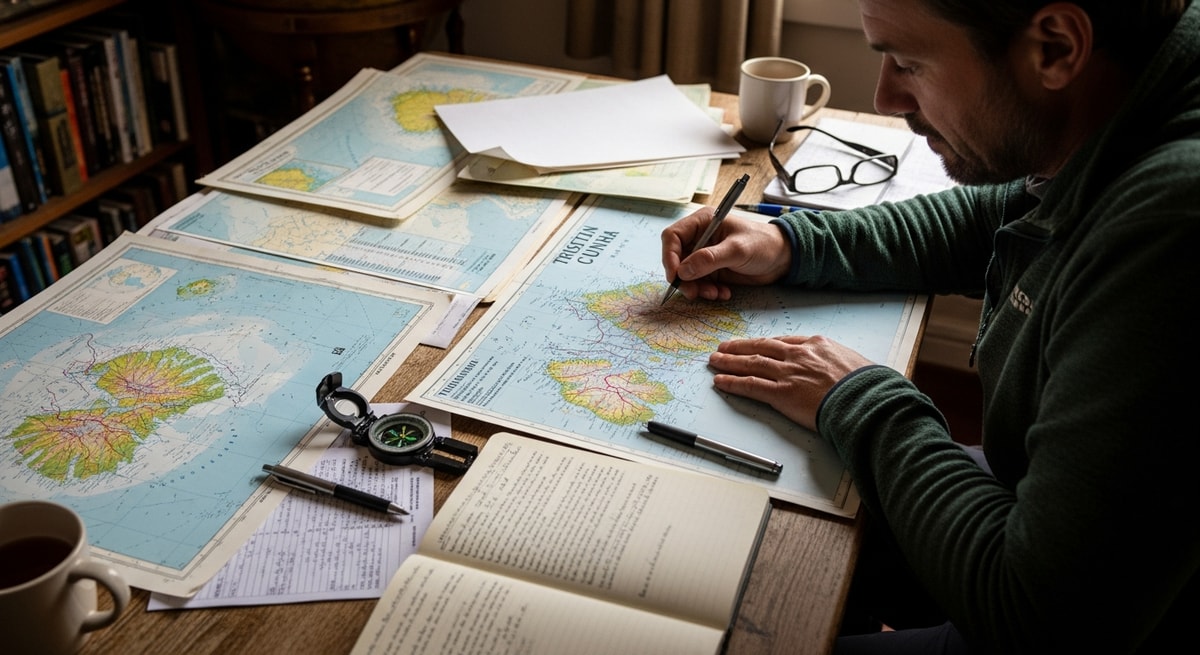
Traveler planning expedition to remote Tristan da Cunha with maps and documents
0+Happy Travelers
0/7Expert Support
0%+Approval Rate
0Customer Rating

Tristan da Cunha Entry Requirements & Landing Permits

Tourist Landing Permit

Variable based on approval

For day visits and short stays with expedition cruises

Research Landing Permit

Duration of research project

For scientific expeditions and conservation studies

Work Permit

Based on contract terms

For essential workers and approved contractors

Transit Stop

Duration of vessel stop

For ships stopping briefly for supplies or shelter

Essential Requirements

  • 📘Valid passport with at least 6 months validity beyond planned departure
  • 🏥Comprehensive travel and medical evacuation insurance mandatory
  • ✈️Confirmed sea transportation booking to and from the island
  • 🏨Accommodation arrangements if staying overnight on island
  • 📄Landing permit approval from Island Administrator required
  • 💰Landing fee payment (approximately GBP 20-30 per person)

Landing Permit Requirements for the World's Most Remote Island
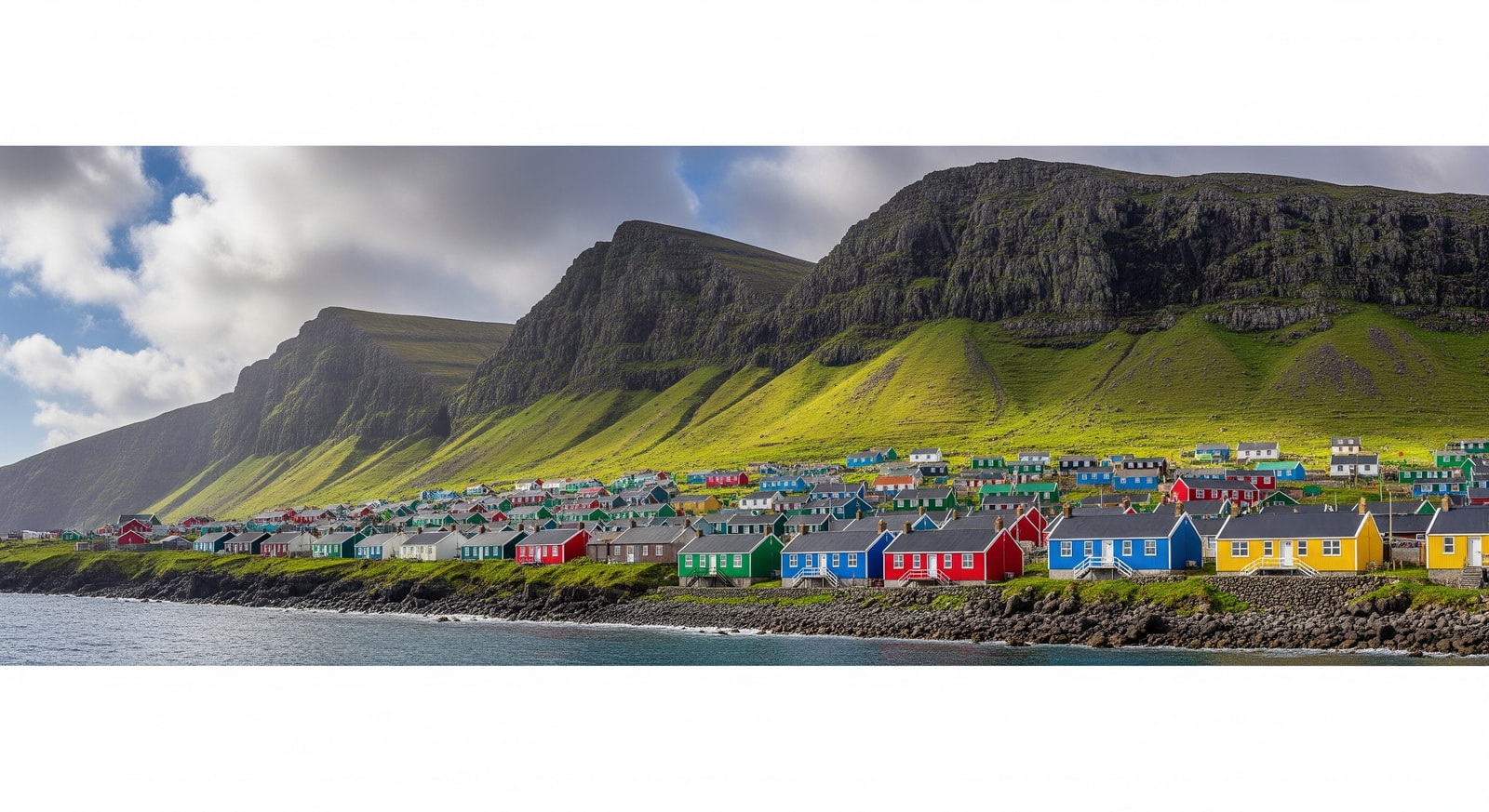
Tristan da Cunha is a British Overseas Territory and part of the Saint Helena, Ascension and Tristan da Cunha administrative group. As the most remote inhabited archipelago on Earth, located approximately 2,400 kilometers from the nearest land (South Africa), visiting requires careful advance planning and official permission. Landing Permit System Unlike typical tourist destinations, Tristan da Cunha operates a landing permit system rather than conventional visas. All visitors must obtain prior approval from the Island Administrator before arrival. This requirement applies to everyone including British citizens — there are no visa exemptions due to the island's unique circumstances and limited infrastructure. Why Permits Are Necessary With a permanent population of approximately 250 residents living in Edinburgh of the Seven Seas (the island's only settlement), resources and accommodation are extremely limited. The permit system ensures the small community can accommodate visitors without straining essential services. Additionally, there are no hotels or conventional tourist facilities — overnight visitors must arrange homestays with local families. Application Timeline Applications should be submitted several months in advance, coordinated with your transportation arrangements. Due to limited shipping services, most visitors arrive via scheduled fishing vessels from Cape Town or expedition cruise ships that include Tristan da Cunha on their itinerary.
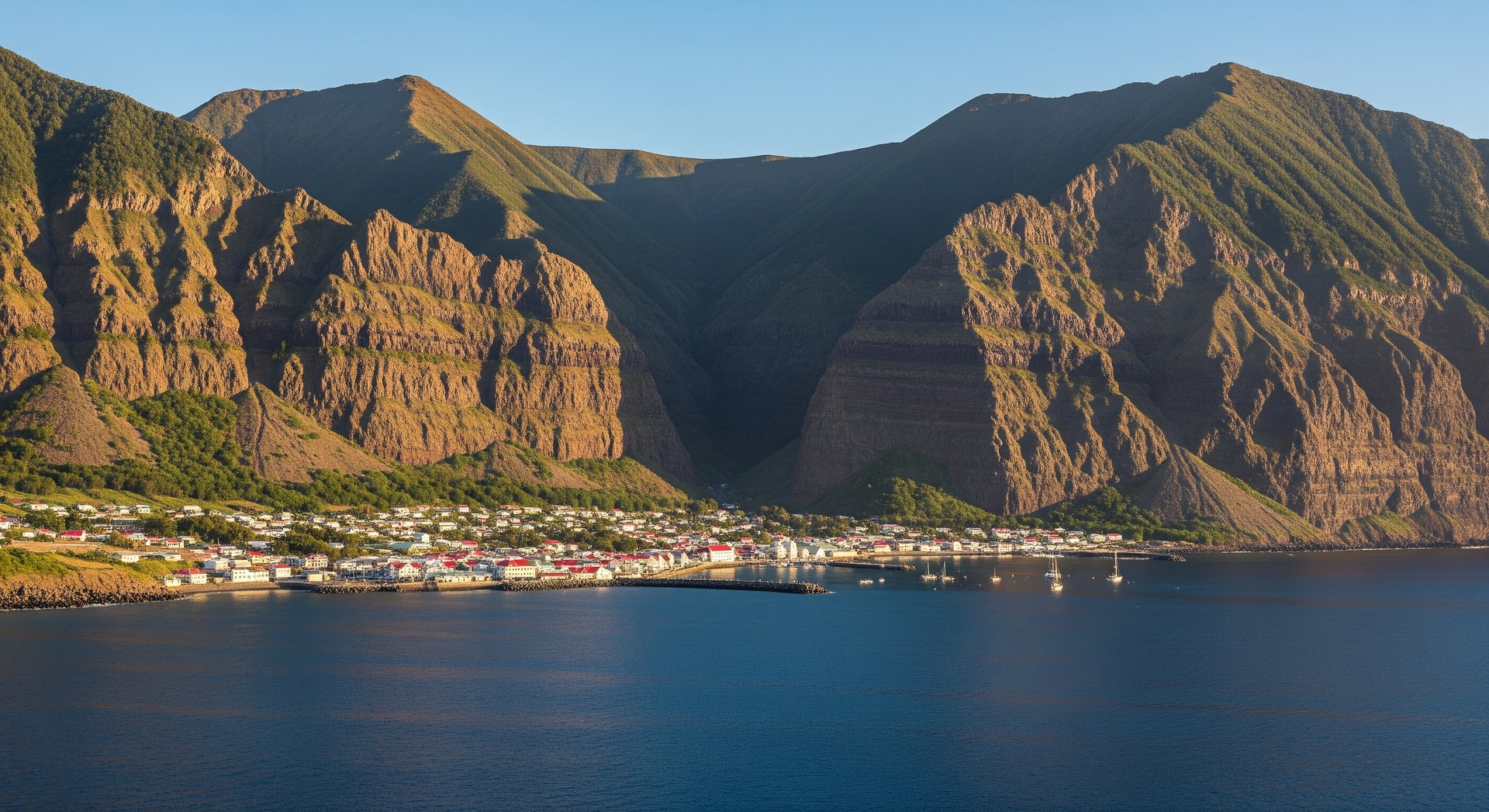
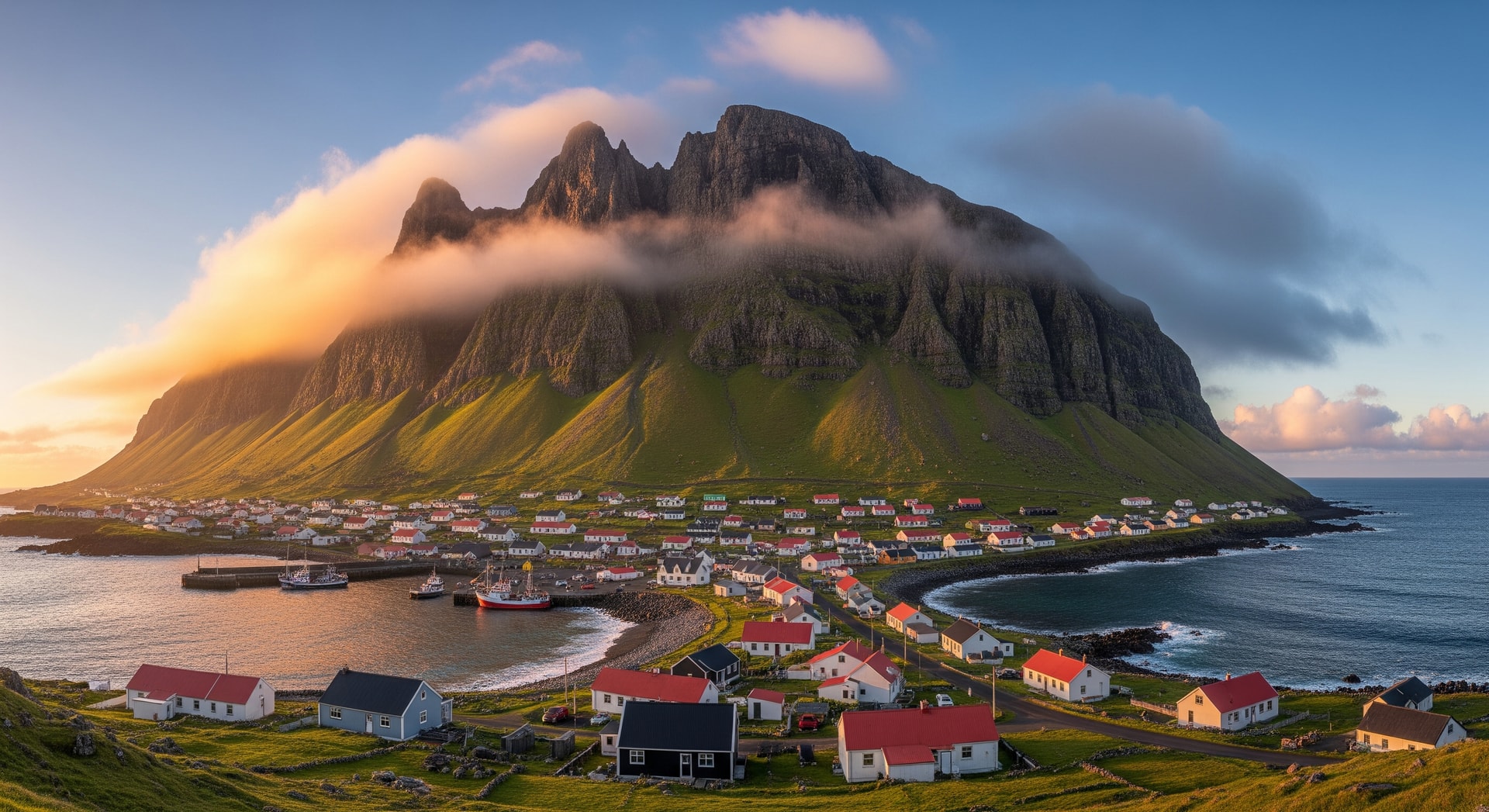
The colorful cottages of Edinburgh of the Seven Seas settlement with dramatic volcanic cliffs rising behind on Tristan da Cunha
Edinburgh of the Seven Seas — The world's most remote permanent settlement

Research, Work and Extended Stay Permits
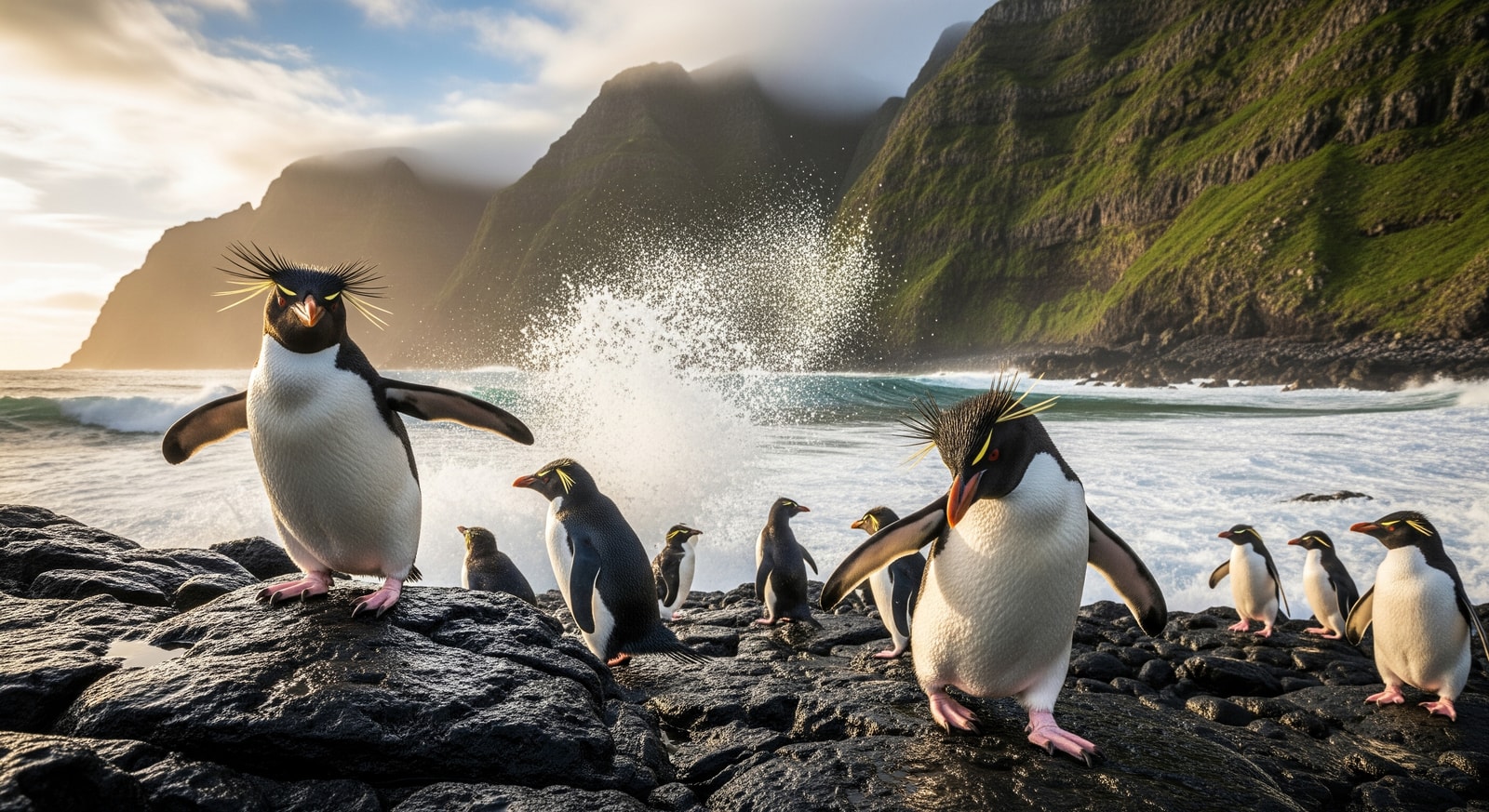
Scientific Research Permits Tristan da Cunha is of significant interest to scientists studying volcanic geology, endemic wildlife, and marine ecosystems. Research teams must obtain special permits well in advance, typically coordinated through academic institutions or conservation organizations. The Royal Society for the Protection of Birds (RSPB) manages conservation projects on the island and can facilitate research applications. Work Permits The island occasionally requires outside specialists for essential services, construction projects, or medical support. Work permits are arranged through the Tristan da Cunha Government and require employer sponsorship. Due to the island's isolation and limited positions, opportunities are rare and highly specialized. Long-Term Residency Permanent settlement on Tristan da Cunha is essentially closed to outsiders. The tight-knit community of approximately 80 families maintains strict control over who can live on the island. The only pathway to residency is typically through marriage to an islander, and even then, community approval is required. Documentary and Media Projects Film crews and journalists require specific permits from the Island Council. These applications are assessed based on the project's nature, impact on the community, and available resources during the proposed visit dates.
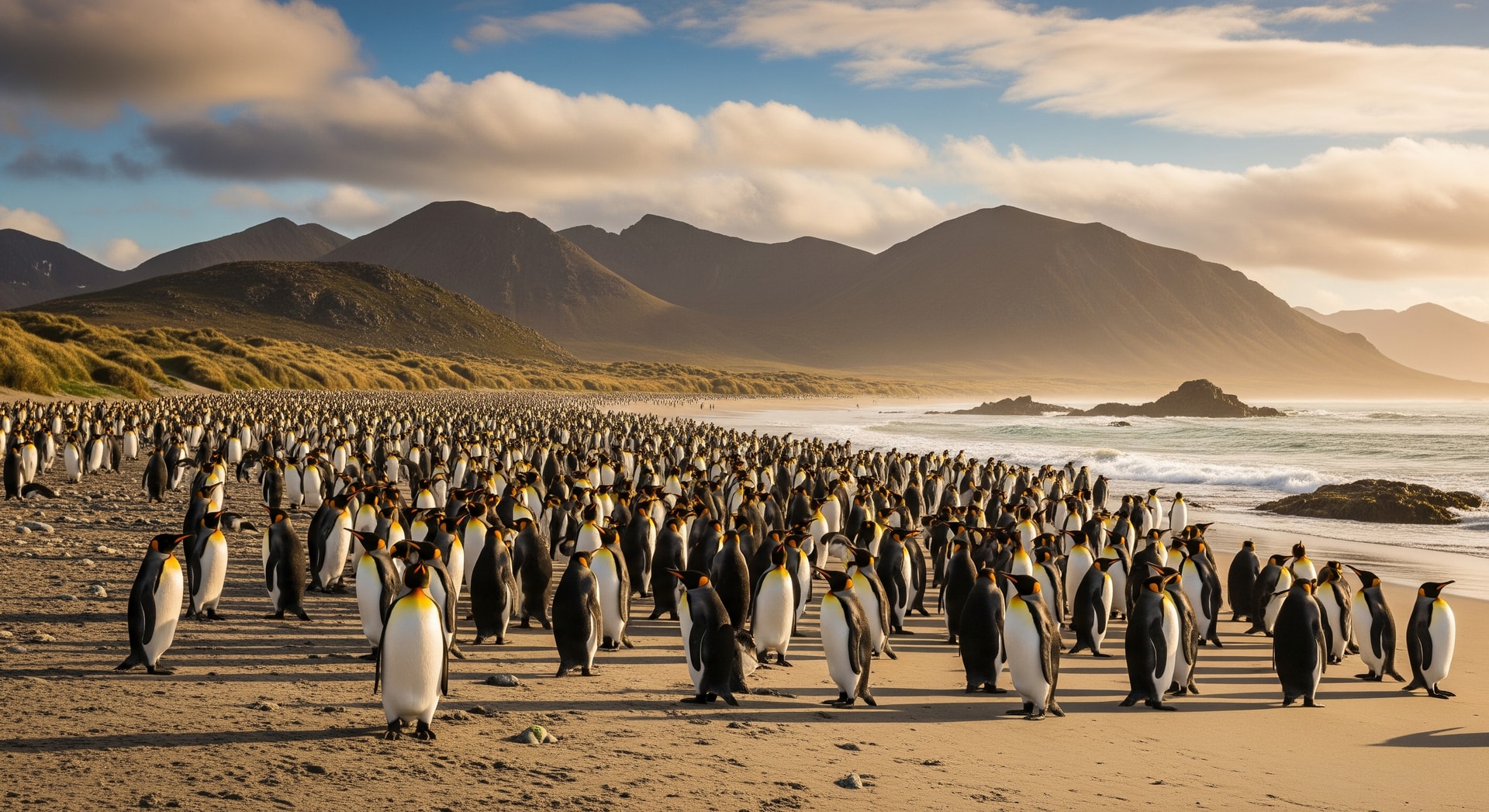
Rockhopper penguins on the volcanic shores of Tristan da Cunha with the island's dramatic cliffs in the background
Tristan da Cunha's Rockhopper penguins — Part of the island's unique wildlife

Entry Fees, Insurance and Documentation
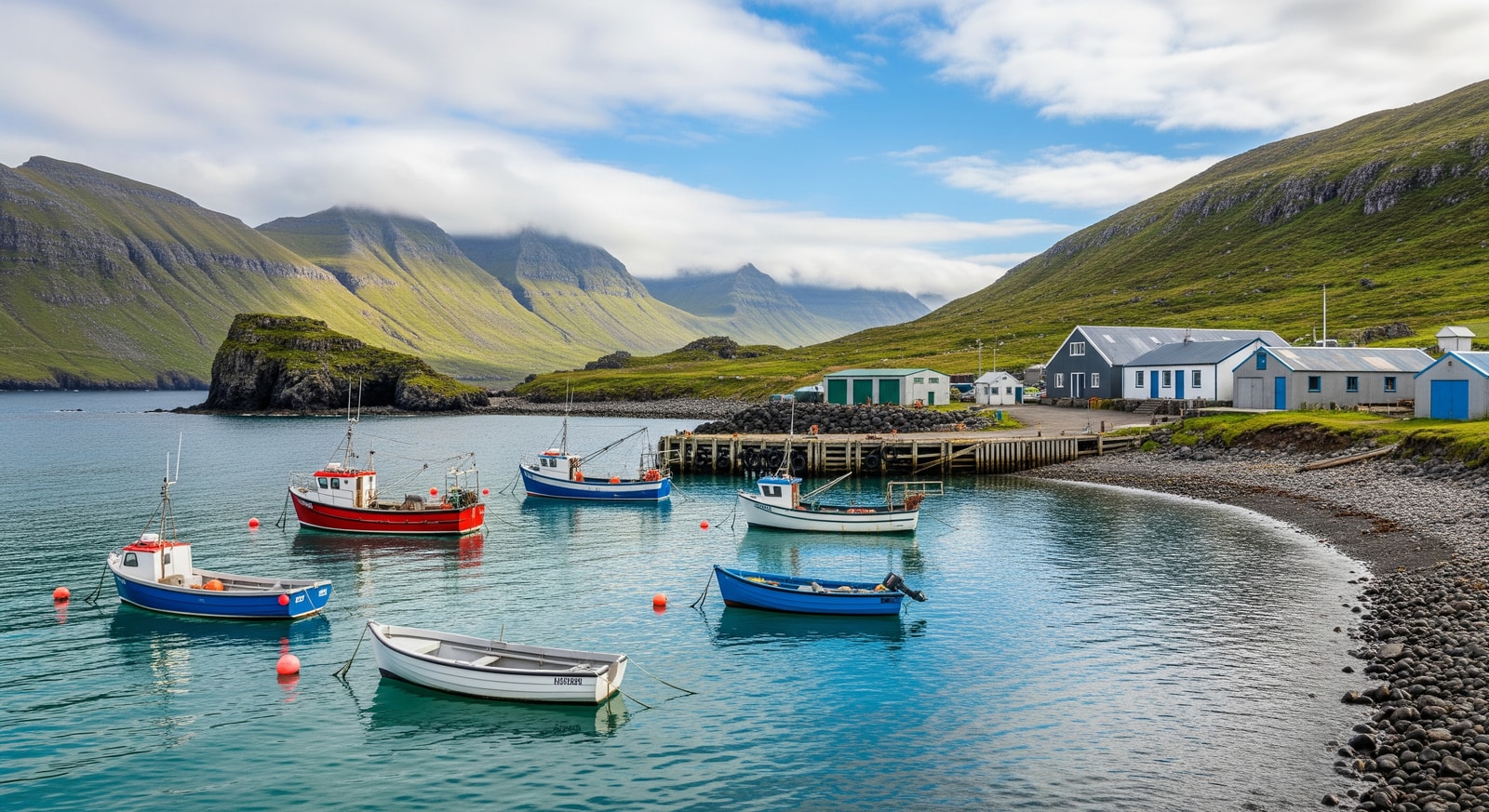
Landing Fees All visitors to Tristan da Cunha must pay a landing fee upon arrival, typically around GBP 20-30 per person. This fee supports island services and conservation efforts. Payment is usually made in British Pounds Sterling or South African Rand. Credit card facilities are extremely limited, so bring sufficient cash. Mandatory Insurance Requirements Comprehensive travel insurance with emergency medical evacuation coverage is absolutely essential and may be required before permit approval. Given that the nearest hospital is in Cape Town (a 6-day voyage away), evacuation costs can exceed USD 100,000. Standard travel policies typically do not cover such remote locations — specialized expedition or adventure travel insurance is necessary. Document ChecklistValid passport: At least 6 months validity remaining • Landing permit: Approved by Island Administrator • Transport confirmation: Vessel booking documentation • Insurance certificate: Showing evacuation coverage • Accommodation proof: If staying overnight • Return arrangements: Confirmed onward transport Currency and Payments Tristan da Cunha uses the British Pound (GBP), though the Saint Helena Pound (SHP) is also accepted at par. South African Rand may be accepted by some vendors. There are no ATMs or banks — bring all cash needed for your visit.
Small boats and the harbor area at Calshot Harbour on Tristan da Cunha with fishing vessels moored offshore
Calshot Harbour — Tristan da Cunha's lifeline to the outside world

Getting to Tristan da Cunha and Practical Information

No Airport — Sea Access Only Tristan da Cunha has no airport and no airstrip. The island's volcanic terrain and limited flat land make air access impossible. All visitors must arrive by sea, making this one of the world's most challenging destinations to reach. Transportation OptionsSA Agulhas II: South African research vessel makes occasional trips • Fishing vessels from Cape Town: Journey takes approximately 6 days; schedules vary with fishing seasons and weather • Expedition cruise ships: Several adventure cruise lines include Tristan da Cunha on South Atlantic itineraries; shore visits typically last only a few hours due to weather-dependent landings Landing Conditions Even with a permit, landing is never guaranteed. The island has no natural harbor, and passengers must transfer to small boats to reach shore. Rough seas frequently prevent landings entirely — some ships have sailed past without anyone going ashore. Flexibility is essential. Practical ConsiderationsAccommodation: Limited homestays with island families; book well in advance through the Tourism Office • Supplies: Bring personal necessities, medications, and specialty items — the island's shop stocks basics only • Communications: Limited internet and satellite phone available; mobile phones do not work • Climate: Mild oceanic climate; temperatures range 14-20°C; rain and wind common year-round • Best time: Southern summer (October-March) offers calmer seas for landing
Queen Mary's Peak volcanic cone rising dramatically above the clouds on Tristan da Cunha island
Queen Mary's Peak — The 2,062-meter volcano at the heart of Tristan da Cunha

Why Choose DoVisa?

See the difference between applying yourself vs using our expert service

Feature
📋Applying Yourself
With DoVisa
Application reviewExpert review before submissionNo expert check100% reviewed by experts
Document validationCheck documents meet requirementsRisk of rejectionPre-checked for errors
Customer supportHelp when you have questionsGovernment offices only24/7 dedicated support
Form guidanceAssistance filling out formsComplex forms aloneStep-by-step guidance
Status trackingKnow where your application isManual checkingReal-time updates
Refund if deniedProtection if visa is rejectedNo refund possibleMoney-back guarantee

Check Your Requirements

See what you need for Tristan da Cunha

Please select your passport
Where are you going?
100+Remote permits processed
24/7Expert support
4.7Customer rating
97%Approval rate

Certified Customer Reviews

Travelers to Tristan da Cunha rated this product 4.8 out of 5 based on 8 reviews.

4.8/ 5
Based on 8 verified reviews

Filter by rating

Richard T.Dec 15, 2025

"DoVisa made the incredibly complex Tristan da Cunha permit process manageable. Their expertise with remote territories is invaluable. Finally reached the world's most isolated island!"

Sarah K.Nov 28, 2025

"Expedition cruise included Tristan stop. DoVisa handled all the permit paperwork perfectly. Actually got to go ashore despite the challenging landing conditions."

James W.Oct 14, 2025

"Very helpful with coordinating the landing permit and insurance requirements. Process took longer than expected but that's the nature of this remote destination."

Emma L.Aug 22, 2025

"Research trip to study Tristan's endemic birds. DoVisa navigated the permit process with the Island Council smoothly. Essential service for such a unique destination."

Michael B.Jul 3, 2025

"Finally checked off my bucket list destination! DoVisa's guidance on the insurance requirements alone was worth it. Tristan da Cunha is truly otherworldly."

Catherine P.May 17, 2025

"Good support for a very complicated process. The team was patient explaining all the requirements for this extremely remote British territory."

David H.Mar 29, 2025

"South Atlantic expedition included Tristan stop. DoVisa ensured our group permits were approved. Meeting the islanders in Edinburgh of the Seven Seas was unforgettable."

Amanda R.Feb 11, 2025

"Documentary project required special permits. DoVisa coordinated everything with the Island Council. Professional service for an incredibly challenging destination."

Tristan da Cunha Landing Permit FAQs

Do I need a visa or permit to visit Tristan da Cunha?
Yes, all visitors require a landing permit approved by the Island Administrator before arrival. This applies to everyone including British citizens — there are no exemptions. Tristan da Cunha operates a permit system rather than conventional visas due to its extremely limited infrastructure and small population of approximately 250 residents. Applications must be submitted well in advance (typically months) and coordinated with your transportation arrangements, as the island has no airport and is only accessible by sea.
What types of entry permits are available for Tristan da Cunha?
Tristan da Cunha offers several permit categories: Tourist Landing Permits for day visits and short stays (most common for expedition cruise passengers), Research Permits for scientific expeditions and conservation studies, Work Permits for essential workers and approved contractors, and Transit Stops for vessels briefly stopping for supplies. Each category has specific requirements and approval processes. Long-term residency is essentially closed to outsiders except through marriage to an islander with community approval.
How do I apply for a Tristan da Cunha landing permit?
Applications must be submitted to the Tristan da Cunha Island Administrator. The process involves completing an application form with personal details, purpose of visit, travel dates, and transportation arrangements. Required documents include valid passport, comprehensive travel insurance with evacuation coverage, confirmed transport booking, and accommodation arrangements if staying overnight. DoVisa can assist with preparing and submitting your application, coordinating with the Island Administrator, and ensuring all requirements are met. Allow several months for processing.
What documents are required for entry?
Essential documents include: Valid passport with at least 6 months validity beyond planned departure, approved landing permit from the Island Administrator, comprehensive travel and medical evacuation insurance certificate, confirmed sea transportation booking to and from the island, accommodation proof if staying overnight (homestay arrangement), and evidence of return travel arrangements. Additional requirements may apply for research projects, media/documentary work, or extended stays. Bring printed copies of all documents as electronic verification may be limited.
How long can I stay on Tristan da Cunha?
Stay duration is determined by your landing permit approval and is typically tied to your transportation schedule. Expedition cruise passengers usually stay only a few hours for a shore visit. Those arriving by fishing vessel might stay several weeks until the next departure. Extended stays for research or work are arranged based on project requirements. There is no standard maximum stay — each case is assessed individually based on available accommodation, community capacity, and purpose of visit. Overnight stays require advance arrangement with local families.
Can I extend my stay on Tristan da Cunha?
Extensions depend on several factors: availability of onward transportation, accommodation capacity, and approval from the Island Administrator. Given that ships visit infrequently and accommodation is extremely limited (there are no hotels), extensions may or may not be possible. If you wish to stay longer, discuss this during your initial application. Be aware that once on the island, you cannot easily leave — departures depend entirely on ship schedules, and weather conditions can delay vessels for days or weeks.
Can I work on Tristan da Cunha?
Work permits are rare and highly specialized. The island occasionally requires outside workers for essential services, construction, medical support, or technical positions that cannot be filled locally. All work permits must be arranged through the Tristan da Cunha Government with employer sponsorship before arrival. There are no casual employment opportunities. The island's economy is based primarily on lobster fishing, agriculture, and stamp sales — all managed by the community. Volunteer work with conservation organizations may be possible through formal programs.
Is travel insurance mandatory for Tristan da Cunha?
Yes, comprehensive travel insurance with emergency medical evacuation coverage is essential and may be required before permit approval. Tristan da Cunha has only a basic medical facility with a resident doctor — serious medical emergencies require evacuation to Cape Town (a 6-day voyage) or helicopter rescue in extreme circumstances. Evacuation costs can exceed USD 100,000. Standard travel insurance typically excludes such remote destinations — you need specialized expedition, adventure, or marine travel insurance that explicitly covers Tristan da Cunha.
How do I get to Tristan da Cunha?
Tristan da Cunha has no airport — the island's volcanic terrain prevents air access. All visitors must arrive by sea. Options include: Fishing vessels from Cape Town (approximately 6-day voyage, irregular schedule based on fishing seasons), SA Agulhas II South African research vessel (occasional voyages), and expedition cruise ships that include Tristan da Cunha on South Atlantic itineraries. Even with transportation arranged, landing is weather-dependent — rough seas can prevent going ashore entirely.
What if my landing is cancelled due to weather?
Weather-dependent landings are a reality of visiting Tristan da Cunha. The island has no natural harbor, and passengers must transfer to small boats to reach shore. If conditions are unsafe, landings are cancelled — this happens regularly. Expedition cruises may sail past without anyone going ashore. There are no refunds for cancelled landings due to weather (this is a known risk of visiting). If arriving by fishing vessel and unable to land, you would typically wait aboard until conditions improve, which could take days.
What is the landing fee for Tristan da Cunha?
All visitors must pay a landing fee of approximately GBP 20-30 per person upon arrival. This fee supports island services, infrastructure maintenance, and conservation efforts. Payment is typically made in British Pounds Sterling or South African Rand. Credit card facilities are extremely limited or non-existent — bring sufficient cash for the landing fee and any purchases. The island's small shop stocks basic supplies, and some local crafts are available for purchase.
Is there accommodation on Tristan da Cunha?
There are no hotels, guesthouses, or hostels on Tristan da Cunha. Visitors staying overnight must arrange homestays with local families through the Tristan da Cunha Tourism Office. Accommodation is extremely limited — the island has approximately 80 family households in total. Bookings must be made well in advance as part of your landing permit application. Expedition cruise passengers typically do not require accommodation as they return to their ship. Bring any personal necessities and specialty items you need.
What currency is used on Tristan da Cunha?
The official currency is the British Pound (GBP). The Saint Helena Pound (SHP) is also accepted at par with Sterling. South African Rand may be accepted by some vendors given the island's connection to Cape Town. There are no ATMs or banks on the island — you must bring all cash needed for your visit, including landing fees, any purchases, and contingency funds. Credit cards are generally not accepted. Change may be given in a mix of currencies.
Is there internet and phone service on Tristan da Cunha?
Communications are very limited. The island has satellite internet and telephone connections, but bandwidth is restricted and expensive. Mobile phones do not work — there is no cellular network coverage. Some accommodation providers may offer limited internet access for guests. Satellite phones can be used for emergency communications. Plan to be largely disconnected during your visit — this isolation is part of the Tristan da Cunha experience. Notify family and contacts in advance about limited communication availability.
When is the best time to visit Tristan da Cunha?
The Southern Hemisphere summer (October to March) offers the best conditions for visiting Tristan da Cunha. During these months, seas are generally calmer (though still challenging), temperatures are milder (14-20 degrees Celsius), and days are longer. Landing success rates are higher in summer months. Winter (April-September) brings rougher seas, stronger winds, and higher chances of cancelled landings. However, wildlife viewing varies by season — consider timing based on specific species you want to see.
What wildlife can I see on Tristan da Cunha?

Tristan da Cunha is a haven for unique wildlife: Rockhopper penguins breed on the island and surrounding islands, Northern Rockhopper penguins (endangered species), Yellow-nosed albatrosses and other seabirds, Tristan thrush and Tristan bunting (endemic land birds found nowhere else), and Sub-Antarctic fur seals. The surrounding waters host whales, dolphins, and the unique Tristan rock lobster fishery. Gough Island (part of the territory) is a UNESCO World Heritage Site for its seabird colonies.
Friendly DoVisa customer support team member helping traveler with visa application

Still have questions?

Our team is here to help 24/7

Ready to Visit Tristan da Cunha?

Experience the world's most remote inhabited island with expert permit assistance

Apply Now

Or apply via our mobile app

Download on App StoreGet it on Google Play