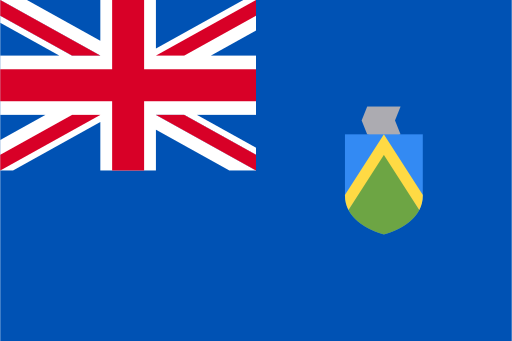
Pitcairn flag

Get Your Pitcairn Islands Visa Online

Fast landing permit processing for adventure travel — visit the legendary home of Bounty mutineer descendants

4.6Trustpilot

Check Visa Requirements

See if you need a visa for Pitcairn

Please select your passport
Where are you going?

How to Get Your Pitcairn Islands Landing Permit

Simple 4-step process — permits typically approved within 2-4 weeks

1

Complete the online application

Fill out our comprehensive landing permit form with your travel dates, vessel information, and personal details. Due to the island's limited infrastructure and population of approximately 50 residents, the Island Council requires advance notice of all visitors. Our system guides you through the unique requirements for this remote British Overseas Territory.

2

Upload required documents

Submit your passport scan showing validity beyond your intended stay, proof of onward travel arrangements, and evidence of medical insurance covering emergency evacuation. Given Pitcairn's extreme remoteness and lack of medical facilities, comprehensive travel insurance with helicopter evacuation coverage is mandatory for all visitors.

3

We coordinate with the Island Council

Your application is transmitted to the Pitcairn Island Council for review. The council evaluates accommodation availability, vessel schedules from Mangareva, and island resources. We maintain direct communication with Pitcairn authorities and keep you informed throughout the approval process via email updates.

4

Receive your landing permit

Your approved landing permit arrives via email as a PDF document. Print it and present it to island officials upon arrival at Bounty Bay. Welcome to one of Earth's last true frontiers — prepare for an extraordinary adventure in this unique corner of the British Commonwealth!

Traveler researching Pitcairn Islands expedition on laptop with nautical maps and compass

Visa types needed for Pitcairn

Available visa products
  • United Kingdom Visitor Visa - 180 days, Multiple entry Most Popular
  • United Kingdom ETA - 2 years, Multiple entry

United Kingdom Visitor Visa - 180 days, Multiple entry

The Pitcairn Visitor Visa provides access to remote Pitcairn heritage and Pacific isolation. Valid for 6 Months with multiple entry, this visa allows stays up to 180 days. Perfect for tourism, family visits, and business.

Applicants must submit the following documents:

  • 🛂 Passport: Valid for at least 6 months with blank pages
  • 📸 Digital Photo: Recent passport-style photograph
  • ✈️ Travel Details: Confirmed travel itinerary
  • 🏨 Accommodation: Hotel or host booking
  • 💳 Payment: Credit or debit card for fee
Important to know
  • Maximum stay: 180 days per visit
  • Print visa for presentation at immigration
0+Happy Travelers
0/7Expert Support
0%+Approval Rate
0Customer Rating

Pitcairn Islands Entry Requirements & Information

Landing Permit

Up to 14 days

Pre-arranged permit required for all visitors to the island

Extended Stay Permit

Up to 6 months

For longer visits with Island Council approval

Cruise Ship Day Visit

Day visit only

Organized shore excursions from passing cruise vessels

Researcher Permit

Variable duration

For scientists and historians conducting approved research

Essential Requirements

  • 📘Valid passport with 6+ months validity beyond stay
  • 🏥Comprehensive medical insurance with evacuation coverage
  • ✈️Confirmed vessel booking from Mangareva, French Polynesia
  • 🏨Pre-arranged accommodation with island residents
  • 💰Proof of sufficient funds for entire stay
  • 📄Return travel arrangements and onward tickets

Landing Permit Requirements
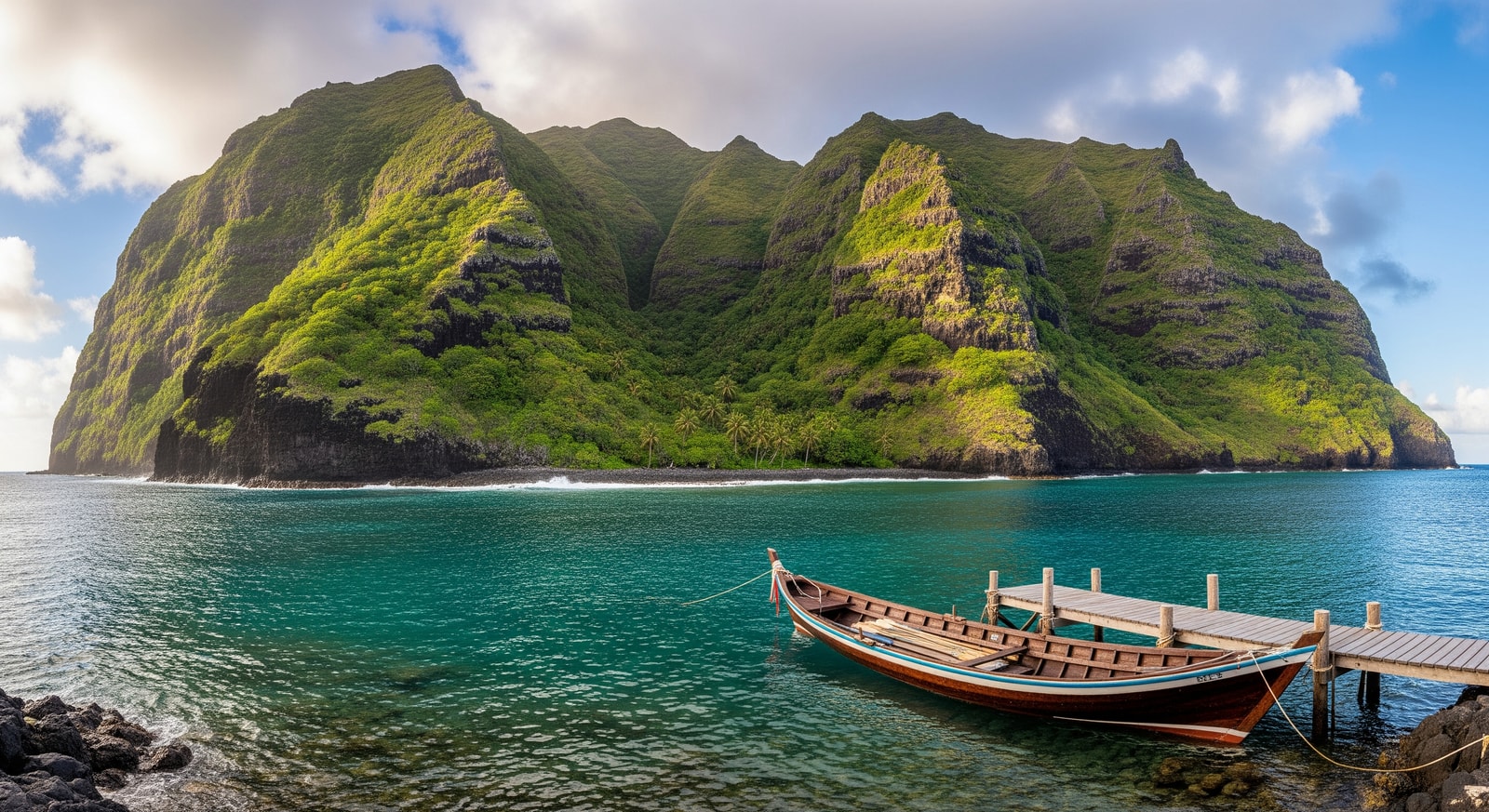
Pitcairn Island, a British Overseas Territory in the South Pacific, requires all visitors to obtain a landing permit before arrival. Unlike conventional tourist visas, Pitcairn's entry system is managed directly by the Island Council — the local governing body representing the island's approximately 50 permanent residents, all descendants of the famous HMS Bounty mutineers and their Tahitian companions. The standard landing permit allows stays of up to 14 days and must be arranged well in advance due to the island's limited accommodation and irregular supply vessel schedule. Extended stays of up to 6 months may be granted with special permission from the Island Council, typically for those with specific purposes such as volunteer work, research, or extended tourism during favorable weather periods. British citizens do not require a separate visa but must still obtain the mandatory landing permit. Citizens of all other countries should check whether they require a visa for British Overseas Territories in addition to the landing permit — most nationalities covered by the UK's visa waiver program can visit with just the landing permit.
Bounty Bay harbor on Pitcairn Island with traditional longboat and dramatic cliff backdrop
Bounty Bay — the only landing point on Pitcairn Island

Research & Special Purpose Visits

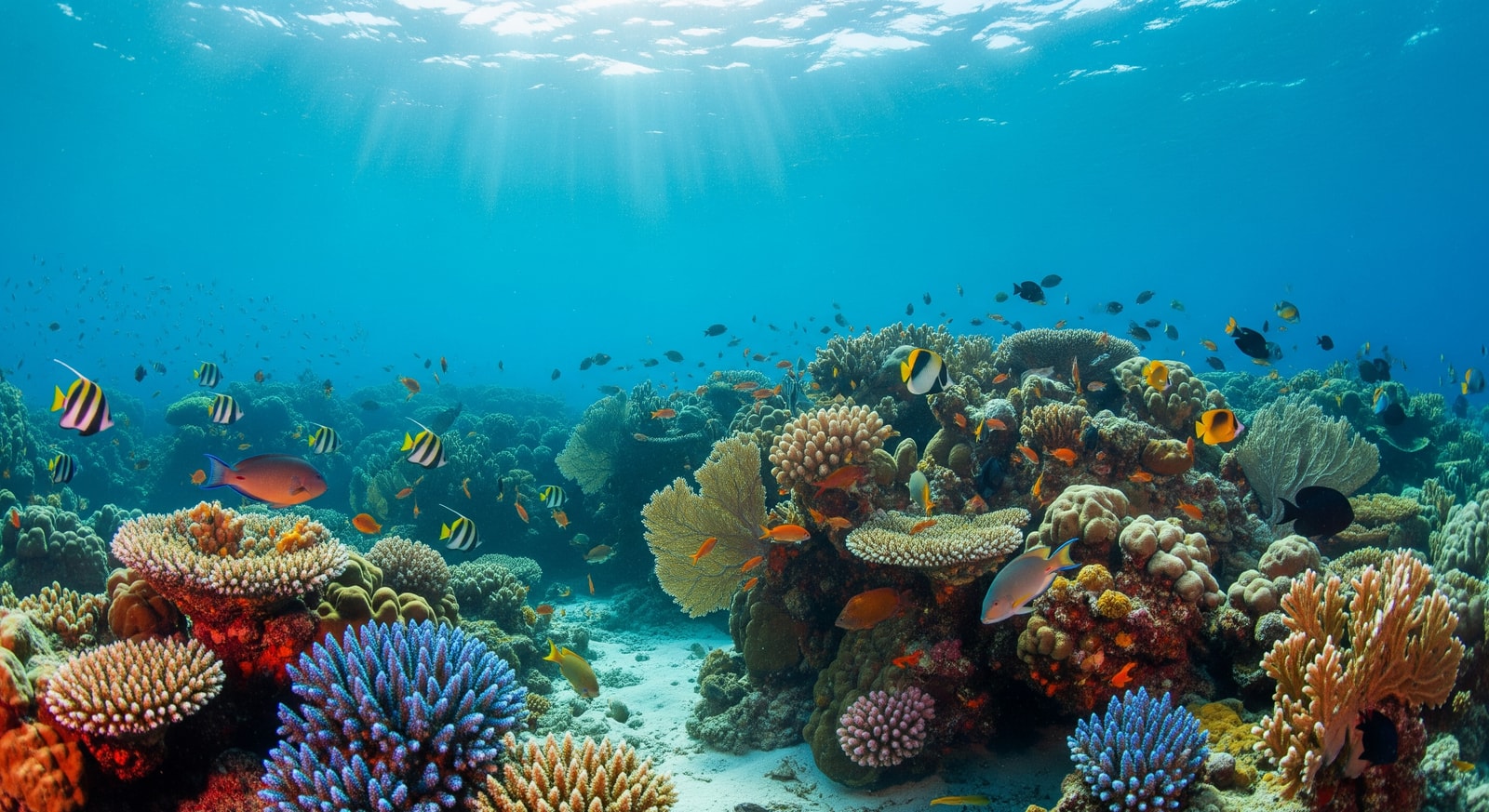
Research & Scientific Expeditions Pitcairn attracts researchers from various fields including marine biology, history, archaeology, and environmental science. The island's isolation has preserved unique ecosystems both on land and in the surrounding Pitcairn Islands Marine Reserve — one of the world's largest marine protected areas covering over 830,000 square kilometers. Researchers must submit detailed project proposals to the Island Council for approval. Academic institutions often coordinate with the Pitcairn Island Office in Auckland, New Zealand, which serves as the official administrative liaison for the territory. Research permits may allow extended stays and access to restricted areas including the uninhabited Henderson, Ducie, and Oeno islands. Volunteer & Work Programs The island occasionally welcomes volunteers for community projects, particularly those with skills in healthcare, education, construction, or sustainable agriculture. These opportunities are coordinated through official channels and require thorough vetting. Working on Pitcairn without proper authorization is strictly prohibited.
Crystal clear waters of the Pitcairn Islands Marine Reserve with colorful coral reef and tropical fish
Pitcairn Islands Marine Reserve — one of Earth's largest marine protected areas

Travel Logistics & Challenges

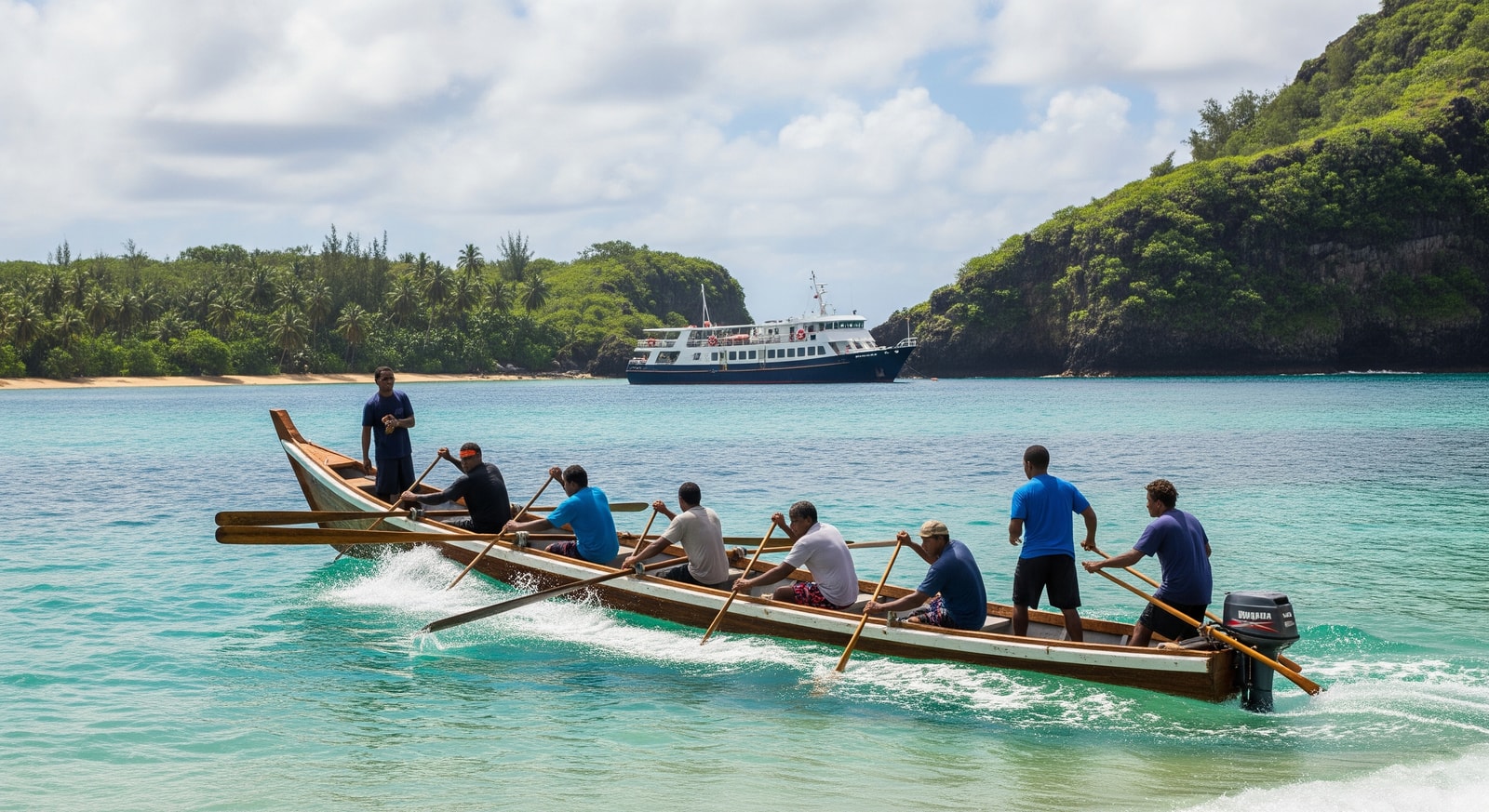
Getting to Pitcairn Reaching Pitcairn is an adventure in itself. There is no airport on any of the Pitcairn Islands — the only access is by sea from Mangareva in French Polynesia's Gambier Islands. The journey takes approximately 32 hours aboard the supply vessel MV Silver Supporter, which makes roughly 8-10 trips per year. Most travelers first fly to Tahiti (Papeete), then take a connecting flight to Mangareva (approximately 4.5 hours). From there, the supply vessel voyage to Pitcairn costs around NZ$5,000 round trip. Landing at Bounty Bay requires transfer to the island's traditional longboats, as there is no harbor — passengers and cargo must navigate through the surf to reach shore. Timing Your Visit The best time to visit is during the Southern Hemisphere summer (November to March) when seas are calmer and weather more predictable. Winter months can bring rough seas that delay or cancel vessel voyages. The supply ship schedule is published annually by the Pitcairn Island Office — planning around these dates is essential as there is no alternative transportation.
Pitcairn Islanders rowing traditional longboat through surf at Bounty Bay for passenger transfer
Traditional longboat transfer — the only way to reach Pitcairn's shore

Accommodation & Practical Information
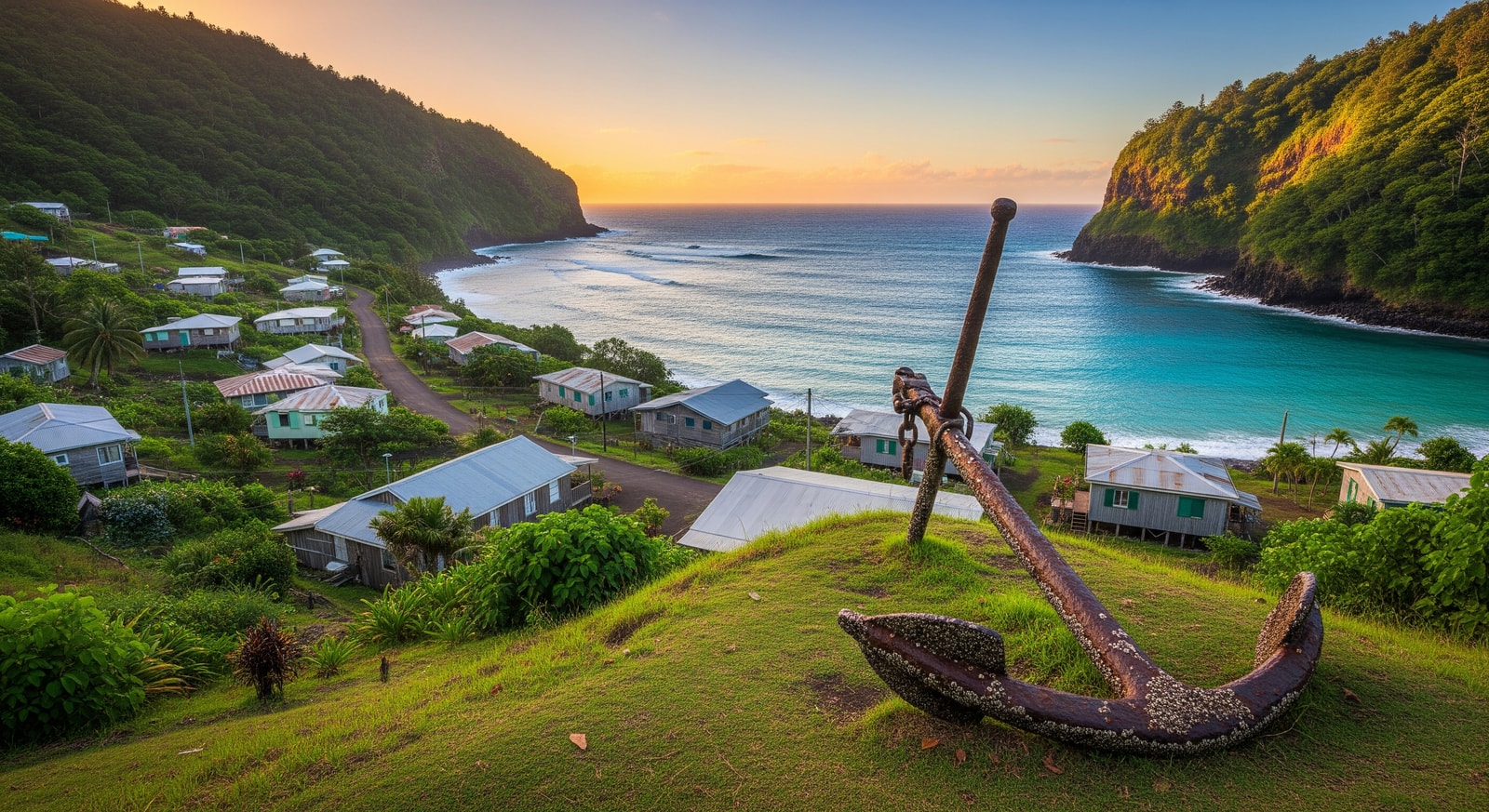
Staying on Pitcairn Accommodation must be pre-arranged before your landing permit can be approved. Options include staying with local families in homestays (the most common arrangement), the small government-run lodge, or occasionally in vacant residences. All accommodation is basic but comfortable — electricity is available but generated locally, internet access is limited, and fresh water is precious. Currency & Expenses The official currency is the New Zealand Dollar (NZD), though the island has also minted its own collector coins. There are no ATMs or banks on Pitcairn — bring sufficient cash for your entire stay. Credit cards are not accepted. Expect to pay landing fees (approximately NZ$50 per person), accommodation costs, and contribute to any shared meals or activities. What to Expect Pitcairn offers a truly unique experience: exploring the Bounty relics and historic sites, meeting the descendants of Fletcher Christian and the mutineers, hiking to Christian's Cave, visiting the island's museum, swimming in St. Paul's Pool, and experiencing complete disconnection from the modern world. The island has no restaurants, hotels, or tourist infrastructure in the conventional sense — visitors become temporary members of the community. Adamstown, the world's smallest capital city with fewer than 50 residents, serves as the island's only settlement and the center of daily life.
Adamstown settlement on Pitcairn Island showing traditional houses and the historic Bounty anchor
Adamstown — the world's smallest capital with approximately 50 residents

Why Choose DoVisa?

See the difference between applying yourself vs using our expert service

Feature
📋Applying Yourself
With DoVisa
Application reviewExpert review before submissionNo expert check100% reviewed by experts
Document validationCheck documents meet requirementsRisk of rejectionPre-checked for errors
Customer supportHelp when you have questionsGovernment offices only24/7 dedicated support
Form guidanceAssistance filling out formsComplex forms aloneStep-by-step guidance
Status trackingKnow where your application isManual checkingReal-time updates
Refund if deniedProtection if visa is rejectedNo refund possibleMoney-back guarantee

Check Your Requirements

See what you need for Pitcairn Islands

Please select your passport
Where are you going?
1,000+Visas processed
24/7Expert support
4.7Customer rating
97%Approval rate

Certified Customer Reviews

Travelers to Pitcairn Islands rated this product 4.8 out of 5 based on 8 reviews.

4.8/ 5
Based on 8 verified reviews

Filter by rating

Thomas R.Dec 18, 2025

"Planning a trip to Pitcairn is incredibly complex. DoVisa handled the landing permit, helped coordinate with the supply vessel schedule, and even connected us with homestay hosts. A truly once-in-a-lifetime adventure!"

Sarah M.Nov 22, 2025

"Reaching Pitcairn was a childhood dream after reading about the Bounty mutiny. DoVisa made the permit process straightforward despite the island's unique requirements. Now I've walked where Fletcher Christian walked!"

Henrik J.Oct 15, 2025

"Good service overall. The permit took longer than expected due to vessel scheduling changes, but DoVisa kept me informed throughout. Worth every bit of effort to visit Earth's most remote community."

Amanda P.Sep 8, 2025

"As a marine biologist conducting research in the Pitcairn Marine Reserve, I needed extensive documentation. DoVisa navigated the permit process expertly. The waters around Pitcairn are pristine and spectacular."

Robert L.Jul 25, 2025

"The island has only 50 people and no airport! DoVisa helped arrange everything from the landing permit to accommodation with a local family. Meeting the Bounty descendants was absolutely unforgettable."

Patricia N.Jun 12, 2025

"Decent experience with the permit application. The 32-hour boat journey from Mangareva is not for everyone, but Pitcairn is truly the last frontier. DoVisa support was helpful with logistics advice."

Michael K.Apr 30, 2025

"Third attempt planning a Pitcairn visit after previous cancellations. DoVisa's knowledge of the supply vessel schedule was invaluable. Finally made it to Adamstown, the world's smallest capital!"

Jennifer W.Mar 18, 2025

"Visited Pitcairn on a cruise ship day trip arranged through DoVisa. Only had 4 hours on the island but it was magical. The locals are incredibly welcoming and the history is palpable."

Pitcairn Islands Visa FAQs

Do I need a visa to visit Pitcairn Islands?
All visitors to Pitcairn Islands require a landing permit that must be pre-arranged with the Island Council before arrival. This is not a traditional visa but rather a permission to land on the island, given its tiny population (approximately 50 people) and extremely limited infrastructure. British citizens do not need an additional visa but must still obtain the landing permit. Citizens of most countries covered by the UK's visa waiver program can visit with just the landing permit, but you should confirm your specific nationality's requirements with Pitcairn authorities or through DoVisa.
What is a Pitcairn Islands landing permit?
A landing permit is the official authorization required to visit Pitcairn Island. Unlike conventional tourist visas processed by embassies, the Pitcairn landing permit is issued directly by the Island Council — the local governing body representing the island's residents. The permit system exists because Pitcairn has no hotels, limited accommodation with local families, no commercial infrastructure, and extremely restricted access via supply vessels. The council must verify that accommodation is available and that the island can support visitors during your intended dates. Standard permits allow stays of up to 14 days, with extended stays of up to 6 months possible with special approval.
How do I get to Pitcairn Islands?
There is no airport on Pitcairn — access is only by sea. The standard route involves flying to Tahiti (Papeete), then taking a 4.5-hour flight to Mangareva in French Polynesia's Gambier Islands. From Mangareva, the supply vessel MV Silver Supporter makes the 32-hour voyage to Pitcairn approximately 8-10 times per year. The round-trip vessel fare is approximately NZ$5,000. At Pitcairn, there is no harbor — passengers transfer to traditional longboats that navigate through the surf to reach Bounty Bay. Some expedition cruise ships also make occasional stops, offering day visits to the island.
When is the best time to visit Pitcairn Islands?
The best time to visit is during the Southern Hemisphere summer (November to March) when seas are generally calmer and weather conditions more favorable for the voyage from Mangareva. Winter months (June to August) can bring rough seas that delay or cancel supply vessel voyages, potentially stranding visitors for extended periods. The supply ship schedule is published annually by the Pitcairn Island Office in Auckland — planning your visit around these dates is essential as there is no alternative transportation. Temperatures on Pitcairn range from 18-26°C year-round, with occasional rain throughout the year.
What documents are required for a Pitcairn Islands landing permit?
To obtain a landing permit, you'll need: 1) A valid passport with at least 6 months validity beyond your intended stay; 2) Comprehensive travel and medical insurance with emergency evacuation coverage (absolutely essential given the island's remoteness and lack of medical facilities); 3) Confirmed accommodation arrangements with an island resident or at the government lodge; 4) Proof of vessel booking from Mangareva; 5) Return or onward travel documentation; 6) Evidence of sufficient funds for your stay (no ATMs or banks exist on Pitcairn). Researchers require additional documentation including detailed project proposals and institutional support letters.
How long can I stay on Pitcairn Islands?
The standard landing permit allows stays of up to 14 days. Extended stays of up to 6 months may be granted with special permission from the Island Council for visitors with specific purposes such as volunteer work, extended research, or those wishing to experience a longer period of island life. Extensions beyond initial permits may be possible if circumstances allow, but must be arranged through proper channels. Remember that your stay is also constrained by the supply vessel schedule — you can only leave the island when the ship returns for its next scheduled voyage.
Can I extend my stay on Pitcairn Islands?
Extensions may be possible with Island Council approval, but are subject to accommodation availability, supply vessel schedules, and the island's capacity to support additional visitor days. If you wish to extend beyond your initial permit period, you must request approval from the council directly while on the island. Be aware that the supply vessel visits only 8-10 times per year, so extending your stay may mean waiting several weeks for the next departure opportunity. It's generally better to plan a longer initial stay if you anticipate wanting more time on the island.
What currency is used on Pitcairn Islands?
The official currency is the New Zealand Dollar (NZD). Pitcairn has also minted its own collector coins, but these are not used in daily transactions. Critically important: There are no ATMs, banks, or electronic payment facilities on Pitcairn. Credit cards are not accepted anywhere on the island. You must bring sufficient cash in NZD to cover all expenses for your entire stay, including: landing fees (approximately NZ$50 per person), accommodation costs, food, souvenirs from the island's famous craftspeople, and any activities. Budget generously as emergency expenses cannot be covered by electronic payments.
Where can I stay on Pitcairn Islands?
Accommodation options are extremely limited and must be pre-arranged before your landing permit can be approved. Options include: Homestays with local families, which is the most common arrangement and provides an authentic experience of island life; the small government-run lodge offering basic but comfortable accommodation; or occasionally in vacant residences when available. All accommodation is simple — expect basic amenities, limited electricity (generated locally), very limited internet access, and precious fresh water supplies. There are no hotels, resorts, or commercial tourist facilities of any kind on Pitcairn.
Is Pitcairn Islands safe to visit?
Pitcairn is generally very safe — it's a small, close-knit community where everyone knows each other. Crime is virtually non-existent, and visitors are welcomed warmly. However, there are significant practical safety considerations: There is no hospital or doctor on the island — only a nurse and limited medical supplies. Any serious medical emergency requires evacuation, which can take days to arrange. The terrain is rugged with steep cliffs and uneven paths. Swimming at some locations involves strong currents. The longboat transfer from ship to shore through the surf requires agility and carries inherent risk. Comprehensive travel insurance with helicopter/ship evacuation coverage is mandatory, not optional.
What is there to do on Pitcairn Islands?
Despite its tiny size, Pitcairn offers remarkable experiences: Historical sites including Bounty relics, the anchor from HMS Bounty, the cemetery where Fletcher Christian is buried, and Christian's Cave where the mutineer hid after arriving; Hiking along trails to viewpoints like Highest Point and St. Paul's Point; Swimming at St. Paul's Pool, a natural rock pool; visiting the Pitcairn Island Museum; purchasing famous Pitcairn handicrafts carved from local miro wood; Fishing in pristine waters; meeting the Bounty descendants and learning about their unique culture and history; and simply experiencing life in the world's most remote inhabited community.
Can I work on Pitcairn Islands?
Working on Pitcairn without proper authorization is strictly prohibited. The standard landing permit does not permit any form of employment. However, Pitcairn occasionally welcomes volunteers for community projects, particularly those with skills in healthcare, education, construction, sustainable agriculture, or trades needed on the island. These volunteer opportunities are coordinated through official channels with the Pitcairn Island Office in Auckland and require thorough vetting. Some researchers may receive stipends through their institutions for approved scientific work. Anyone considering long-term residence and work on Pitcairn must go through a formal immigration process with the Island Council.
What if my Pitcairn landing permit is denied?
Landing permit denials are uncommon but can occur due to: accommodation unavailability during your requested dates; supply vessel capacity being fully booked; incomplete documentation; lack of adequate medical insurance; or concerns about the applicant's ability to handle the demanding journey and basic conditions. If denied, you can typically reapply for different dates when conditions allow. DoVisa's guarantee: If your permit is rejected due to an error on our part, we provide a full refund of our service fee and assist with reapplication. We also help you understand the reasons for any denial and advise on alternative dates or arrangements that may have better success.
Can I visit other islands in the Pitcairn group?
The Pitcairn Islands territory includes four islands: Pitcairn (the only inhabited island), plus the uninhabited Henderson Island (a UNESCO World Heritage Site), Ducie Atoll, and Oeno Atoll. Visiting these uninhabited islands requires special permission and is generally only possible on organized expeditions or with local boatmen willing to make the journey. Henderson Island access is strictly controlled to protect its unique ecosystem. Oeno is occasionally visited by Pitcairn residents for recreational purposes, and visitors may sometimes join these trips. Research expeditions to all islands require comprehensive permits from the Island Council and relevant conservation authorities.
How many people live on Pitcairn Islands?
Pitcairn has a permanent population of approximately 50 people, making it one of the world's smallest jurisdictions and least populous territories. All residents live in Adamstown, the world's smallest capital city. The population consists almost entirely of descendants of the HMS Bounty mutineers (led by Fletcher Christian) and their Tahitian companions who settled the island in 1790. The community speaks English and Pitkern, a unique creole language blending 18th-century English with Tahitian. The small population means limited visitor capacity, which is why landing permits must be arranged in advance.
Do I need any vaccinations for Pitcairn Islands?

There are no specific vaccination requirements for Pitcairn Islands. However, because you'll transit through French Polynesia (Tahiti and Mangareva), you should check current health requirements for that country. Standard travel vaccinations such as Hepatitis A, Hepatitis B, and Tetanus-Diphtheria are generally recommended. More importantly, given Pitcairn's extreme remoteness and lack of medical facilities, you should ensure you're in good general health before undertaking this journey. Bring all necessary prescription medications for your entire stay plus extra in case of vessel delays. Comprehensive medical insurance with emergency evacuation coverage is mandatory — this is the most critical health preparation for visiting Pitcairn.
DoVisa specialist helping customer plan expedition to remote Pitcairn Islands

Still have questions?

Our team is here to help 24/7

Ready to Visit the World's Most Remote Community?

Walk in the footsteps of the Bounty mutineers — an adventure to Earth's final frontier

Apply Now

Or apply via our mobile app

Download on App StoreGet it on Google Play