How to Get Your French Southern Territories Permit
Specialized application process — permits processed within 3-6 months for approved expeditions
1
Submit expedition proposal
Begin by providing comprehensive details about your scientific expedition, including research objectives, institutional affiliation, and team composition. Our specialists guide you through TAAF (French Southern and Antarctic Lands) administration requirements and help compile all necessary documentation for review.
2
Upload supporting documents
Submit your French visa documentation, institutional authorization letters, research permits, health certificates, and expedition insurance. We verify that all documents meet TAAF's stringent requirements for access to these protected sub-Antarctic territories.
3
TAAF administration review
Your application undergoes evaluation by the Terres Australes et Antarctiques Françaises administration in Réunion. This includes assessment of research merit, environmental impact considerations, and coordination with existing research station schedules. Processing typically takes 3-6 months.
4
Receive permit and travel coordination
Upon approval, receive your access permit and coordinate your passage aboard the Marion Dufresne supply vessel from Réunion. We provide comprehensive briefing materials on station protocols, environmental regulations, and essential gear requirements for sub-Antarctic conditions.
0+Happy Travelers
0/7Expert Support
0%+Approval Rate
0Customer Rating
French Southern Territories Access Requirements & Entry Information
Scientific Research Permit
Variable (weeks to months)
For approved researchers and expedition members
Technical Mission Permit
Mission-dependent
For station maintenance and logistics personnel
French Visa Requirement
Valid during permit period
Schengen visa required for non-EU nationals
Marion Dufresne Passage
Voyage-dependent
Mandatory supply ship from Réunion Island
Essential Requirements
📘Passport valid 6+ months with French visa if required
📄TAAF special access permit from administration
🏥Medical fitness certificate for polar conditions
🧳Approved expedition insurance with evacuation coverage
💰Proof of expedition funding and institutional backing
👨👩👧Institutional authorization letter from research body
Understanding Access to the French Southern Territories
The French Southern and Antarctic Lands (Terres Australes et Antarctiques Françaises or TAAF) comprise some of the most remote and pristine territories on Earth. These islands are not open to tourism — access is strictly limited to scientific researchers, technical personnel, and authorized expedition members.
The Territory Includes
The TAAF encompasses five distinct districts: the Kerguelen Islands (the largest, with Port-aux-Français research station), the Crozet Islands (Alfred Faure station), Amsterdam and Saint-Paul Islands (Martin-de-Viviès station), Adélie Land (Antarctic territory with Dumont d'Urville station), and the Scattered Islands in the Indian Ocean. Each presents unique research opportunities in marine biology, geology, climate science, and wildlife studies.
Why Access Is Restricted
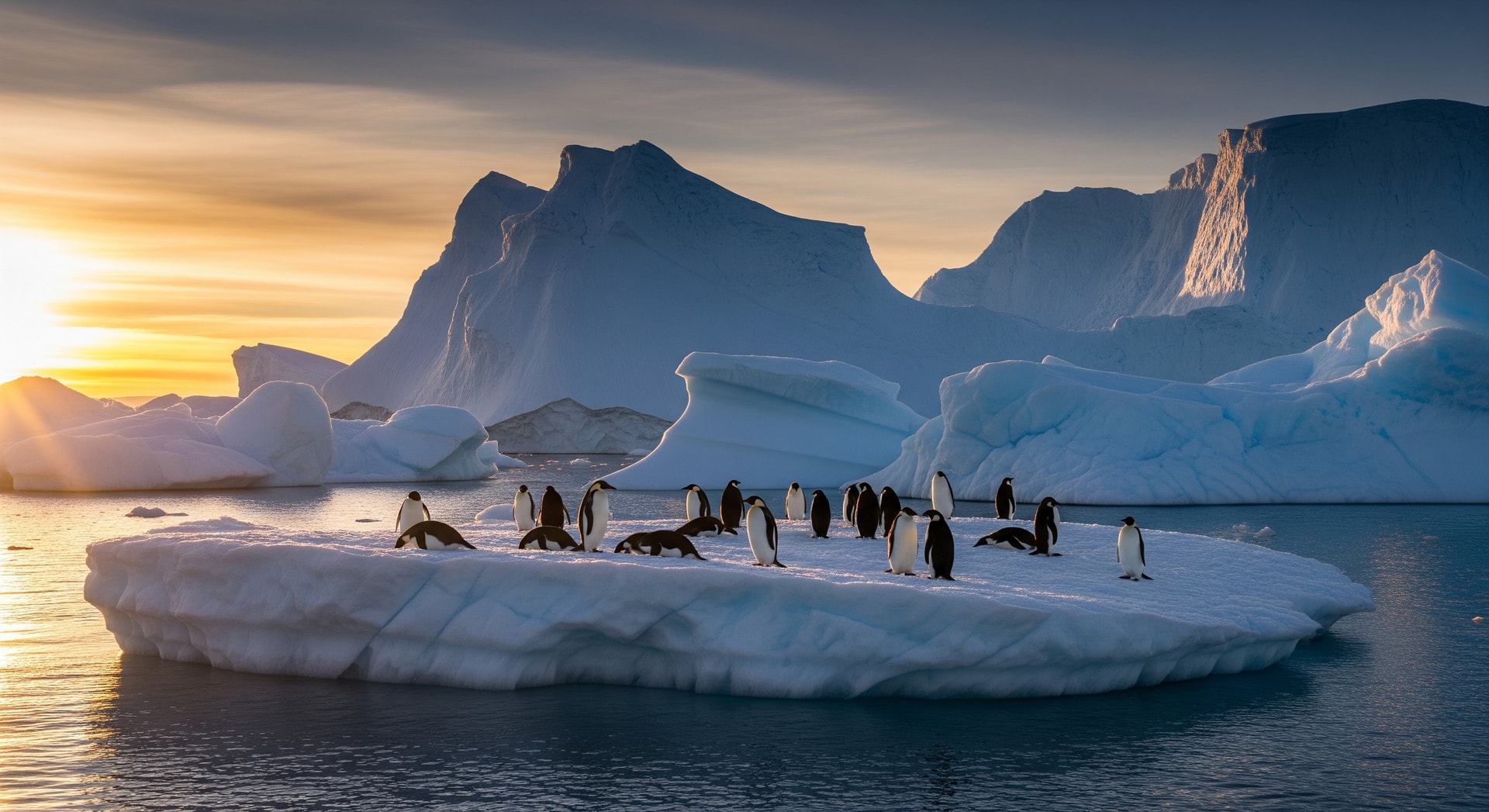
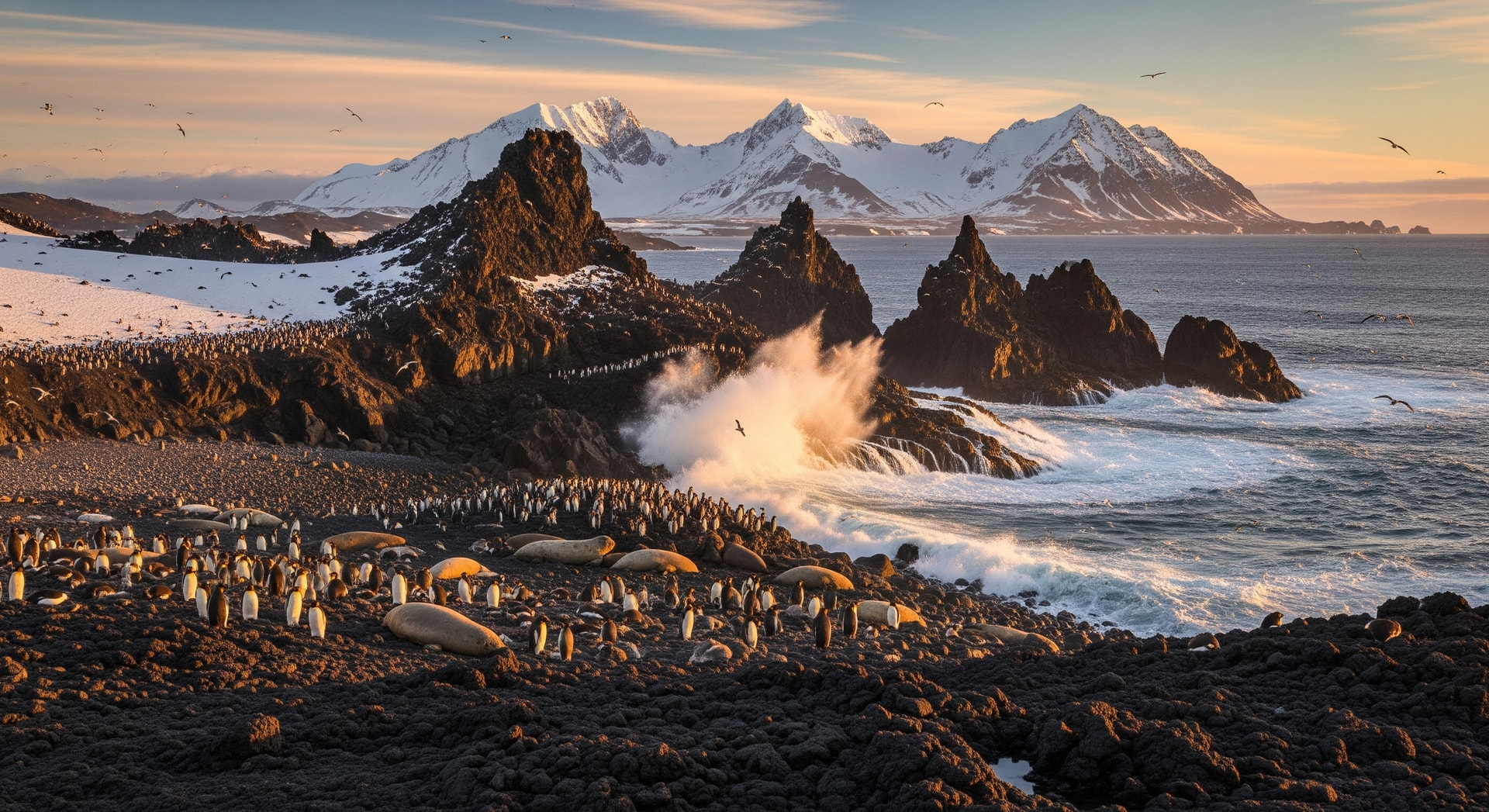
These territories harbor exceptional biodiversity including massive colonies of king penguins, elephant seals, and albatrosses. The fragile ecosystems require strict protection, and all visitors must undergo environmental briefings and adhere to rigorous protocols to minimize human impact on these natural laboratories.
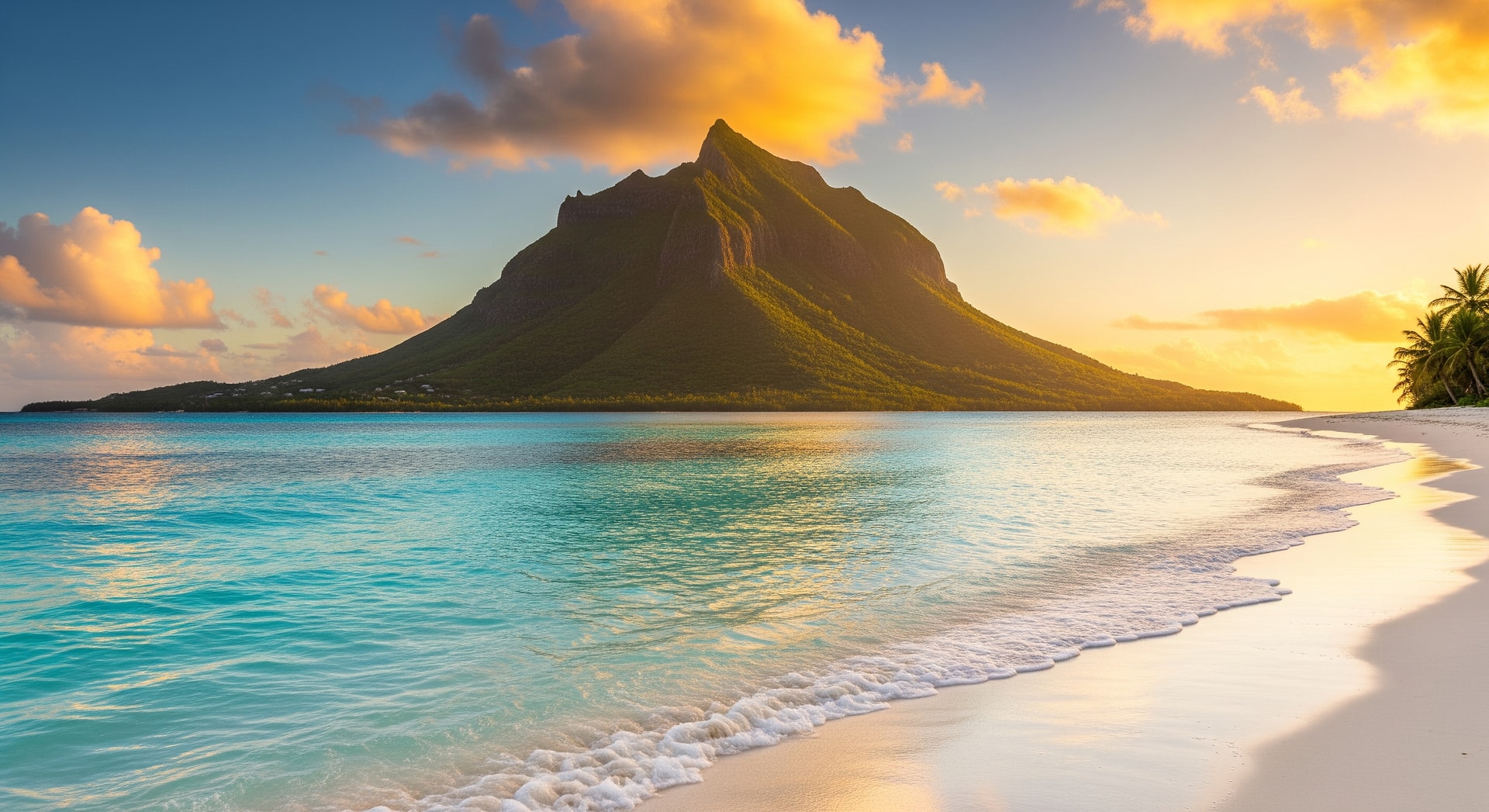
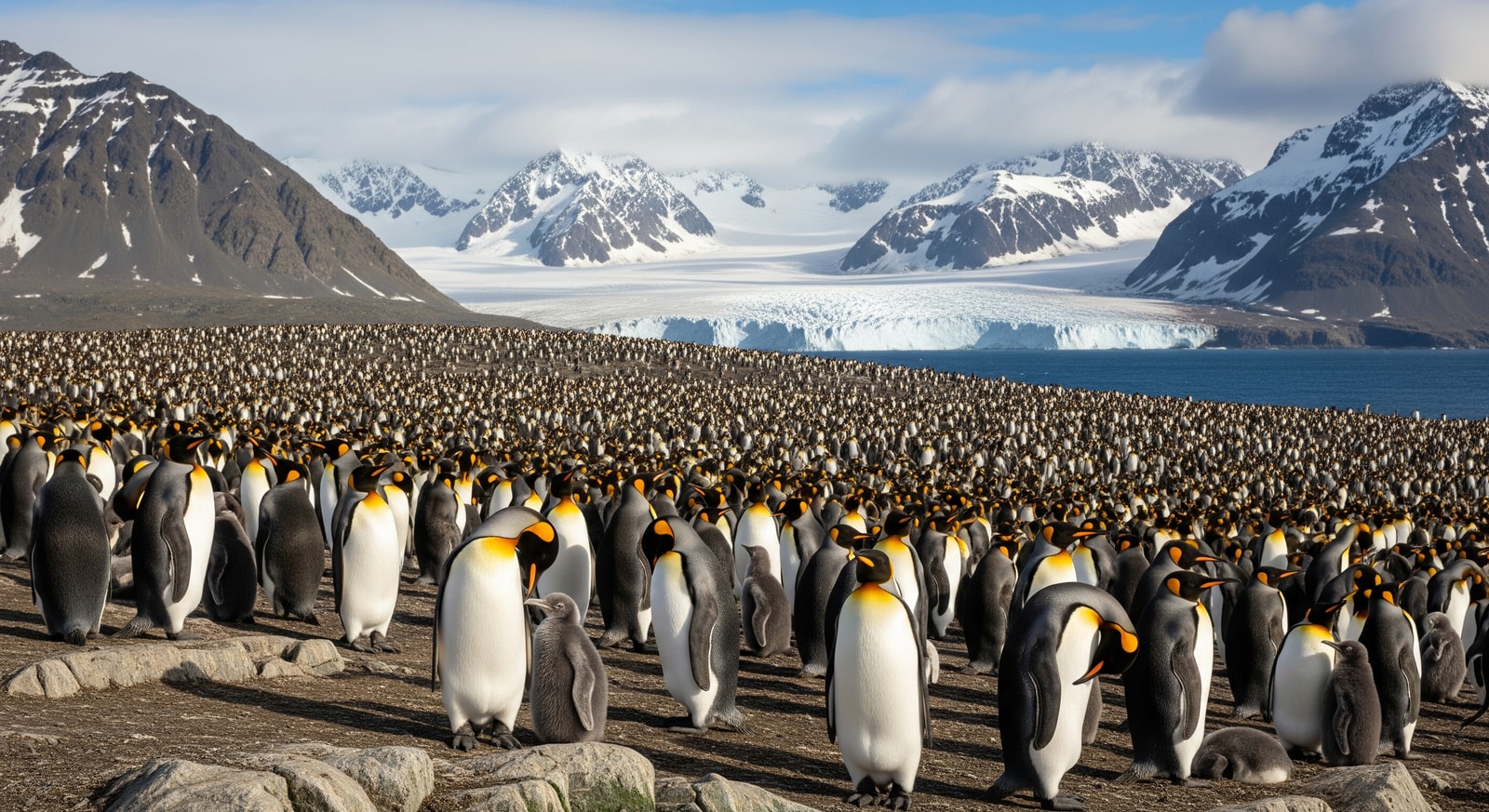
Kerguelen Islands — Home to massive king penguin colonies and unique wildlife
Scientific Research and Technical Missions
Scientific Research Permits
Researchers from French institutions (CNRS, IPEV, universities) and international collaborators can apply for access through the TAAF administration. Research areas include climate monitoring, marine ecosystem studies, geology, ornithology, and wildlife population dynamics. Applications must demonstrate clear scientific merit and minimal environmental impact. French polar institute IPEV (Institut Polaire Français Paul-Émile Victor) coordinates most scientific programs.
Technical Mission Permits
The research stations require regular maintenance and technical support. Engineers, logistics specialists, medical personnel, and station managers receive permits for operational missions. These positions are typically advertised through TAAF and require French language proficiency and specialized qualifications.
Long-Term Assignments
Station winterover positions involve 12-14 month assignments with complete isolation during winter months. These roles demand exceptional psychological resilience, technical skills, and the ability to work in small teams under challenging conditions. Winterover teams are carefully selected through rigorous evaluation processes.
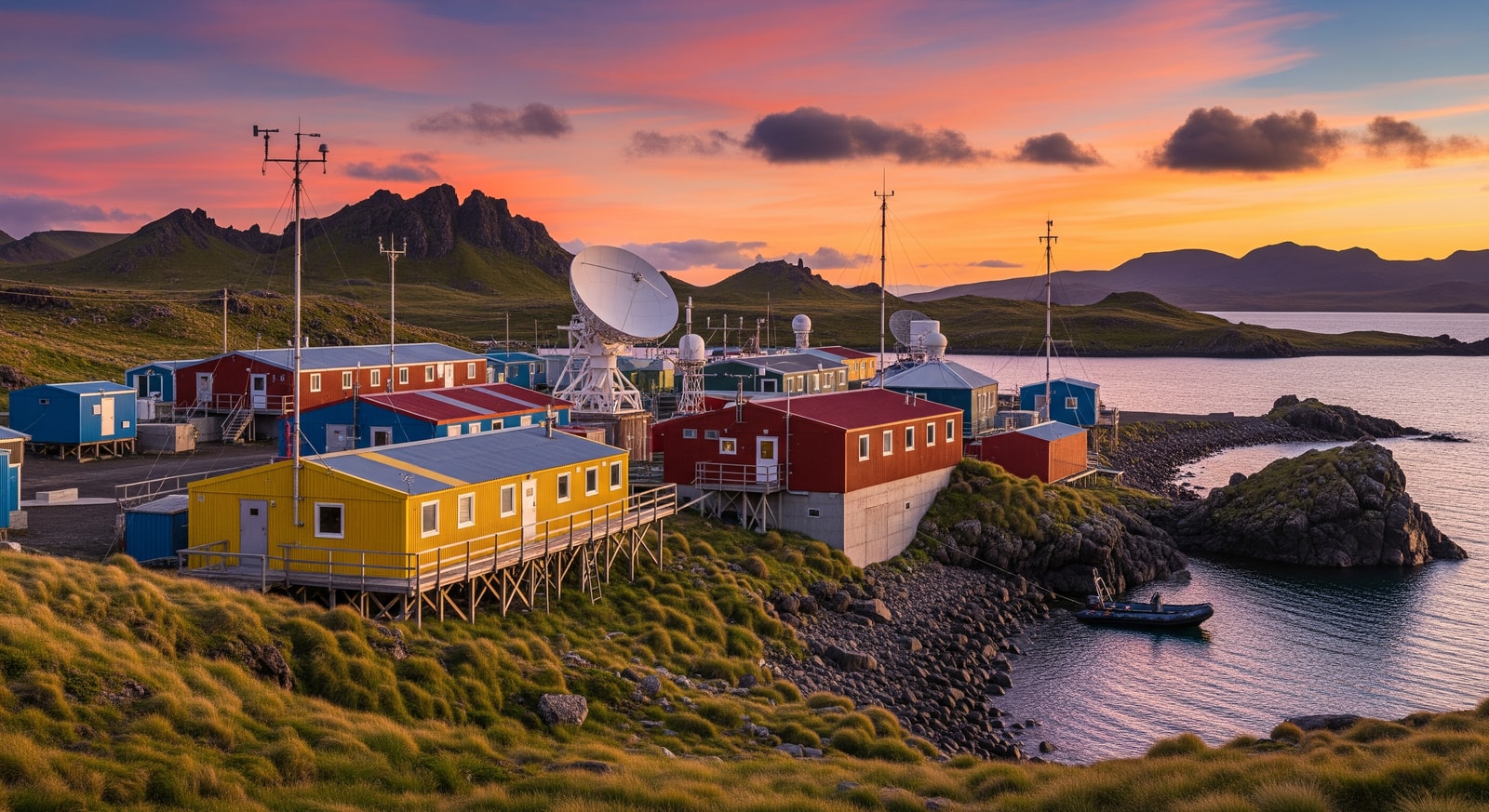
Port-aux-Français — The main research station on Kerguelen Islands
Permit Requirements and Documentation
Base Requirements for All Visitors
• Valid passport: Minimum 6 months validity beyond planned departure from the territories
• French visa: Non-EU/EEA nationals require a valid Schengen visa for France, as travel originates from Réunion
• TAAF access permit: Special authorization from the TAAF administration (Préfet des TAAF)
• Medical certificate: Fitness declaration for polar environments from approved medical examiner
• Insurance: Comprehensive coverage including medical evacuation from remote locations
Additional Documentation
• Institutional authorization from sponsoring research body or employer
• Detailed research or mission proposal approved by TAAF scientific committee
• Environmental impact assessment for any field activities
• Completed biosecurity declaration (preventing introduction of invasive species)
• Emergency contact information and next-of-kin details
Application Timeline
Applications must be submitted 6-12 months in advance due to limited vessel departures and station capacity. The TAAF administration reviews applications on a rolling basis, with priority given to established research programs.
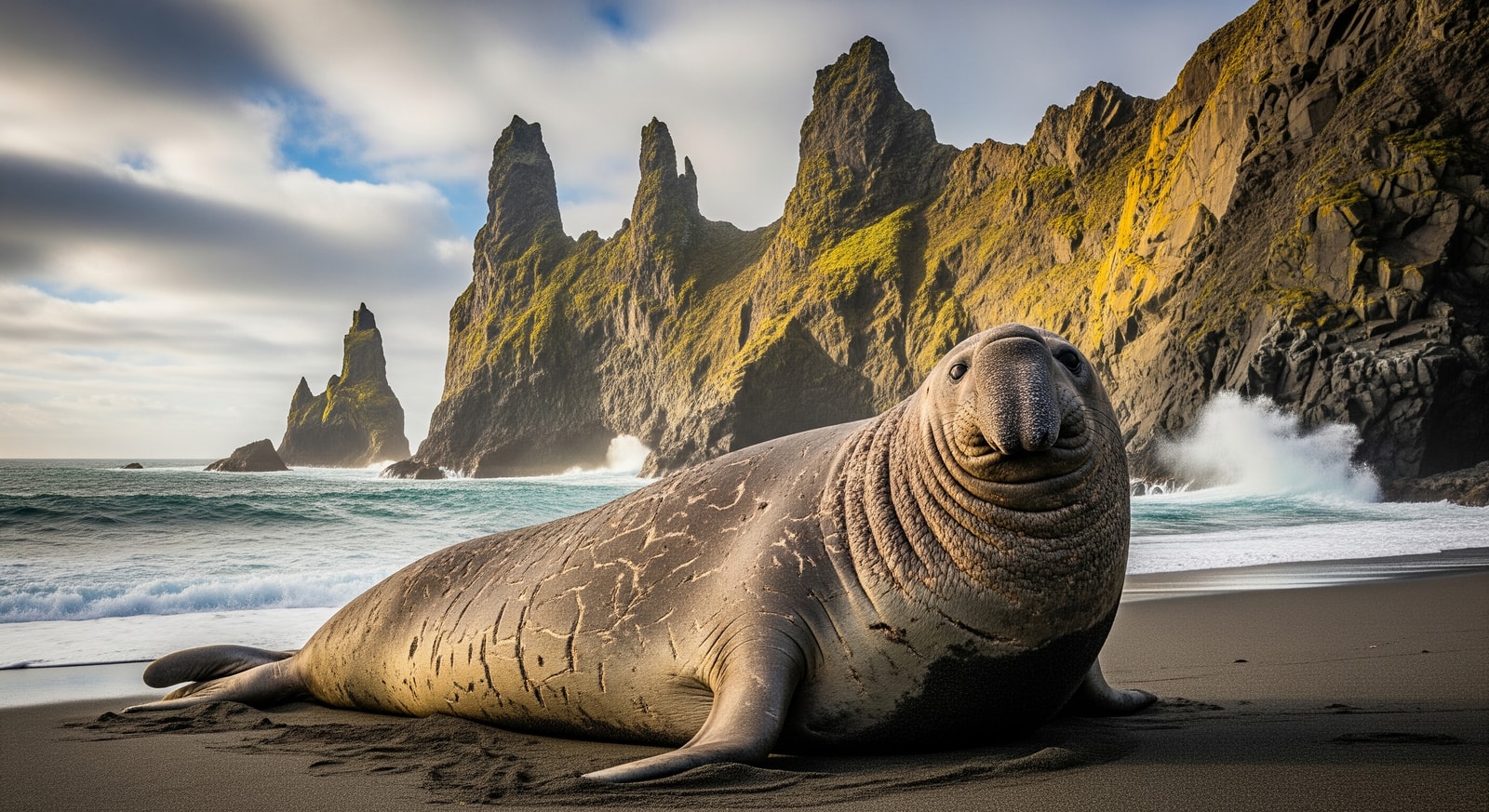
Crozet Islands — Critical breeding ground for elephant seals and seabirds
Travel to the French Southern Territories
The Marion Dufresne
All access to the sub-Antarctic TAAF districts is via the Marion Dufresne, a multipurpose polar supply vessel operating from Port des Galets in Réunion. This ship serves as the logistical lifeline, making approximately four rotations per year to resupply the research stations and rotate personnel. The voyage to Kerguelen takes approximately 6-7 days.
Voyage Schedule
Rotations typically occur in April, August, November, and December. The vessel visits multiple stations on each voyage, with the complete circuit lasting 4-6 weeks. Passengers must be prepared for extended time at sea and potential schedule changes due to weather conditions in the Roaring Forties and Furious Fifties latitudes.
Getting to Réunion
International travelers reach Réunion (departure point) via Roland Garros Airport (RUN) with connections from Paris, Johannesburg, Mauritius, and Madagascar. Arrival in Réunion should be scheduled several days before the Marion Dufresne departure to allow for pre-voyage briefings and any delays.
On-Station Conditions
Stations provide basic but adequate accommodation. Visitors must bring appropriate polar clothing and personal items — comprehensive packing lists are provided upon permit approval. All waste must be managed according to strict environmental protocols, and wildlife interaction distances must be maintained at all times.
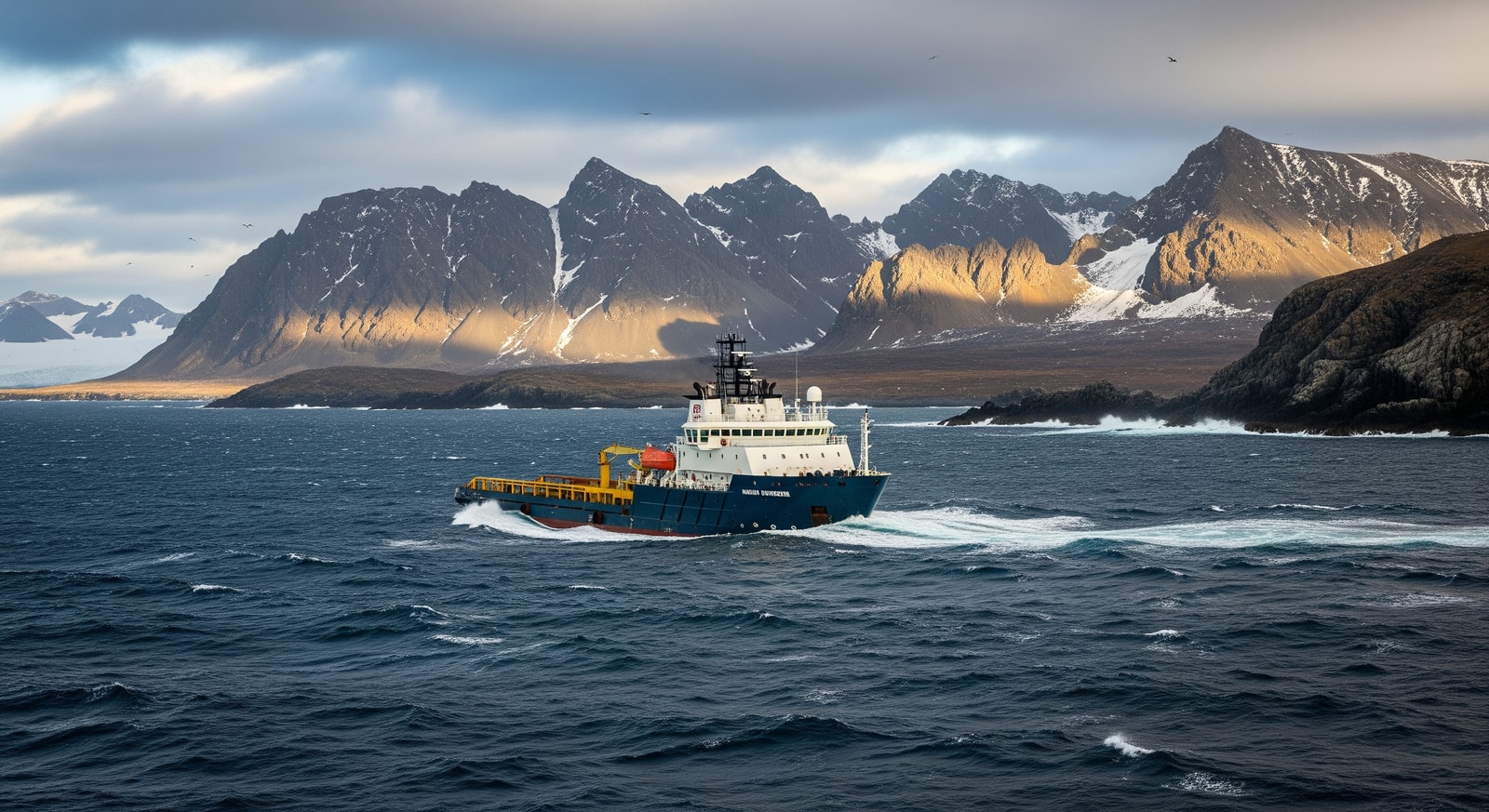
Marion Dufresne — The only transport link to the French Southern Territories
Why Choose DoVisa?
See the difference between applying yourself vs using our expert service
Travelers to French Southern Territories rated this product 4.7 out of 5 based on 9 reviews.
4.7/ 5
Based on 9 verified reviews
Filter by rating
Dr. Marie C.Dec 15, 2025
"DoVisa provided invaluable assistance navigating the complex TAAF permit process. Our ornithology team reached Crozet without any documentation issues."
François L.Nov 28, 2025
"Excellent support for our technical mission to Port-aux-Français. The documentation guidance was thorough and professional."
Dr. Henrik S.Oct 20, 2025
"Complex permit process made manageable. DoVisa helped coordinate between our Swedish institution and TAAF administration effectively."
Isabelle M.Sep 14, 2025
"As a first-time polar researcher, I appreciated the detailed guidance on medical requirements and equipment lists. Kerguelen was unforgettable!"
Dr. James W.Aug 3, 2025
"Our climate monitoring team has used DoVisa for three expeditions now. Consistent, reliable permit assistance every time."
Sophie B.Jun 22, 2025
"Good service overall. The timeline was long due to TAAF processes, but DoVisa kept us informed throughout. Amsterdam Island research was worth the wait."
Dr. Paul R.May 10, 2025
"Exceptional help with French visa coordination for our Australian research team. The sub-Antarctic wildlife exceeded all expectations."
Lucie D.Apr 18, 2025
"Professional handling of our station winterover documentation. The 14-month assignment preparation was comprehensive and thorough."
Dr. Andreas K.Mar 27, 2025
"Helpful guidance through the permit maze. The TAAF requirements are strict but DoVisa explained everything clearly for our geology expedition."
Dr. Marie C.Dec 15, 2025
"DoVisa provided invaluable assistance navigating the complex TAAF permit process. Our ornithology team reached Crozet without any documentation issues."
François L.Nov 28, 2025
"Excellent support for our technical mission to Port-aux-Français. The documentation guidance was thorough and professional."
Dr. Henrik S.Oct 20, 2025
"Complex permit process made manageable. DoVisa helped coordinate between our Swedish institution and TAAF administration effectively."
French Southern Territories Permit FAQs
Can tourists visit the French Southern Territories?
No, the French Southern Territories are not open to tourism. Unlike Antarctic cruise destinations, these sub-Antarctic islands have no tourist facilities and strict access controls. Entry is limited to scientific researchers, technical station personnel, and specially authorized expedition members. The TAAF administration (Terres Australes et Antarctiques Françaises) does not issue permits for leisure visits. This policy protects the fragile ecosystems, including major wildlife colonies, and maintains the integrity of long-term scientific research programs. The only way to visit is through affiliation with an approved research project or technical mission.
What are the French Southern Territories?
The French Southern and Antarctic Lands (TAAF) comprise five districts: the Kerguelen Islands (7,215 km², the largest), the Crozet Islands, Amsterdam and Saint-Paul Islands, Adélie Land in Antarctica, and the Scattered Islands in the Indian Ocean. The sub-Antarctic islands (Kerguelen, Crozet, Amsterdam, Saint-Paul) are located between 37°S and 50°S latitude in the southern Indian Ocean. These territories have no permanent population — only rotating scientific and technical personnel, typically 50-100 people across all stations. The TAAF is administered from Saint-Pierre, Réunion, with a Préfet representing the French state.
What types of permits are available for the French Southern Territories?
Access permits fall into several categories: Scientific Research Permits for approved researchers conducting studies in marine biology, climate science, geology, ornithology, or wildlife ecology; Technical Mission Permits for engineers, logistics specialists, medical personnel, and maintenance staff; Winterover Permits for personnel stationed for 12-14 months including through the isolation period; and Media/Documentary Permits occasionally granted for approved film or journalism projects with scientific merit. All permits require sponsorship from a recognized institution and approval from the TAAF administration. There are no casual visitor or tourist permit categories.
How do I apply for a French Southern Territories permit?
The application process involves multiple steps: First, secure affiliation with a research institution or sponsoring organization with an established TAAF program. Second, submit a detailed proposal to IPEV (Institut Polaire Français Paul-Émile Victor) for scientific missions or directly to the TAAF administration for technical positions. Third, obtain medical clearance from an approved examiner certifying fitness for polar environments. Fourth, arrange comprehensive expedition insurance including medical evacuation. Fifth, complete biosecurity training and declaration. The process takes 6-12 months minimum due to limited vessel rotations and station capacity. DoVisa can guide you through documentation requirements and coordinate with relevant authorities.
Do I need a French visa to visit the French Southern Territories?
Non-EU/EEA nationals typically need a French Schengen visa because all travel to the sub-Antarctic TAAF districts originates from Réunion, a French overseas department. Your visa must be valid for the entire expedition duration, including time in Réunion before and after the Marion Dufresne voyage. EU/EEA citizens do not need a visa for the French territories but still require the TAAF access permit. Note that the TAAF permit and French visa are separate requirements — having a Schengen visa does not grant access to the territories, and the TAAF permit alone is not sufficient without proper French entry authorization for non-EU nationals.
How do you get to the French Southern Territories?
The only regular access is aboard the Marion Dufresne, a French polar supply vessel departing from Port des Galets in Réunion. This ship makes approximately four rotations annually (typically April, August, November, December), visiting all sub-Antarctic stations on each voyage. The journey to Kerguelen takes 6-7 days through notoriously rough seas in the Roaring Forties. There are no airports on the sub-Antarctic islands and no commercial flights. To reach Réunion, fly to Roland Garros Airport (RUN) with connections from Paris (direct), Johannesburg, Mauritius, or Madagascar. There is no other way to reach these territories — no cruise ships serve the French sub-Antarctic islands.
How long can I stay in the French Southern Territories?
Stay duration depends on your permit type and the Marion Dufresne schedule. Short-term missions: Typically 2-4 weeks, aligned with vessel rotation schedules. You arrive on one rotation and depart on the same voyage after visiting the station. Summer campaigns: Research expeditions lasting several months during the austral summer (November-March). Winterover assignments: Full station rotations of 12-14 months, involving complete isolation during winter when no vessels can reach the stations. Your departure is determined by the next vessel rotation — you cannot leave early except in medical emergencies requiring costly helicopter evacuation to passing vessels.
What research is conducted in the French Southern Territories?
The TAAF hosts diverse research programs: Climate science including atmospheric monitoring, glaciology, and climate change observations; Marine biology studying Southern Ocean ecosystems, fish populations, and marine mammals; Ornithology researching king penguins, albatrosses, petrels, and other seabirds; Wildlife ecology monitoring elephant seals, fur seals, and endemic species; Geology investigating volcanic activity and sub-Antarctic geology; Oceanography tracking ocean currents and temperatures. IPEV (Institut Polaire Français) coordinates most programs. The isolation and pristine environment make these territories invaluable natural laboratories for understanding global climate systems and biodiversity.
What are the medical requirements for visiting?
Comprehensive medical evaluation is mandatory for all TAAF visitors. You must obtain certification from an approved medical examiner confirming fitness for polar environments. Requirements include: Physical examination assessing cardiovascular health, respiratory function, and overall fitness; Dental clearance (no untreated dental issues — dental emergencies cannot be properly addressed on station); Psychological evaluation for winterover candidates; Vaccination records including tetanus, hepatitis, and any requirements for transit countries; Specialist clearances if you have any pre-existing conditions. Certain medical conditions automatically disqualify candidates due to the impossibility of advanced medical care and evacuation challenges.
What is the climate like in the French Southern Territories?
The sub-Antarctic islands experience cold, wet, and extremely windy conditions year-round. Kerguelen: Average temperatures 2-8°C, constant strong winds (averaging 35 km/h with frequent storms exceeding 100 km/h), over 300 days of precipitation annually. Crozet: Similar conditions, slightly milder at 5-10°C. Amsterdam: The warmest district at 11-17°C with a more temperate climate. There are no trees on any island — only tussock grass, mosses, and hardy vegetation. Summer (December-February) offers longer days and calmer weather. Winter (June-August) brings near-constant darkness, fierce storms, and potential snow. All visitors must bring appropriate polar clothing and equipment.
What wildlife can be seen in the French Southern Territories?
The TAAF hosts extraordinary wildlife concentrations: Penguins — massive king penguin colonies on Crozet and Kerguelen (hundreds of thousands), plus macaroni and rockhopper penguins; Seals — southern elephant seals (breeding beaches on Kerguelen), Antarctic fur seals, and sub-Antarctic fur seals; Seabirds — wandering albatross (Amsterdam hosts a significant population), black-browed albatross, giant petrels, and numerous other species; Marine life — orcas, sperm whales, and diverse fish species. Strict protocols require maintaining minimum distances from wildlife (typically 5-15 meters) and never blocking animal movements. These populations represent globally significant breeding colonies.
What should I pack for the French Southern Territories?
Essential gear includes: Clothing — multiple waterproof outer layers, insulated mid-layers, thermal base layers, waterproof boots with good ankle support, warm hat, gloves, and neck gaiter. Conditions require wind-proof and waterproof gear at all times. Equipment — sunglasses and sunscreen (UV is intense), personal medications (sufficient for entire stay plus emergency reserve), toiletries (limited station supplies), entertainment items (books, laptop), camera with weather protection. Not provided: personal clothing and footwear, medications, entertainment. Provided on station: basic accommodation, meals, safety equipment, some specialized field gear. A comprehensive packing list is provided upon permit approval — deviation from recommendations can result in serious discomfort or danger.
Is there internet and communication in the French Southern Territories?
Limited satellite communication is available at research stations. Internet access exists but is slow, expensive, and rationed — typically sufficient for email and basic web browsing but not video streaming or large downloads. Personal bandwidth allocations vary by station and season. Telephone calls can be made via satellite but are costly. During the voyage on the Marion Dufresne, communication is restricted to ship's systems. Be prepared for digital disconnection — this is one of the most isolated places on Earth. Station personnel develop strong community bonds partly due to limited external contact. Emergency communication systems are maintained for safety purposes.
What happens in a medical emergency in the French Southern Territories?
Each station has a doctor and basic medical facilities capable of handling routine issues and stabilizing emergencies. However, advanced medical care is impossible in these locations. For serious emergencies: Summer — helicopter evacuation to a passing vessel or emergency flight may be possible in good weather (extremely costly and not guaranteed). Winter — evacuation is essentially impossible; patients must be stabilized on station until the next vessel rotation. This is why thorough medical screening is mandatory and certain conditions are disqualifying. The remoteness means accepting genuine risk — the nearest hospital is days or weeks away depending on season and weather conditions.
Can I extend my stay in the French Southern Territories?
Extensions are extremely difficult due to the logistical constraints. Your stay is fundamentally tied to the Marion Dufresne schedule — the ship arrives, you board, and you cannot remain unless approved for the next rotation period. Changing your departure requires: approval from TAAF administration, available space on station, available berth on a later vessel, and valid documentation covering the extended period. In practice, most visitors must plan their expedition around fixed vessel dates with no flexibility. Winterover positions are planned 12-14 months in advance and cannot be shortened. If you wish to spend more time in the territories, apply for a longer mission from the outset.
What is the history of the French Southern Territories?
The islands were discovered by various explorers between the 16th and 19th centuries. Kerguelen was discovered by Yves-Joseph de Kerguelen-Trémarec in 1772. Amsterdam Island was sighted by Spanish navigators in 1522. Crozet Islands were claimed for France by Marion Dufresne in 1772 (the supply vessel is named after him). France formally claimed the territories in 1924 and established permanent scientific stations starting in 1949 (Port-aux-Français on Kerguelen). The TAAF was created as an administrative entity in 1955. These islands played roles in whaling and sealing industries before becoming dedicated to scientific research. Today they represent France's commitment to Antarctic science and environmental protection.
What environmental rules apply in the French Southern Territories?
Strict environmental protocols protect these pristine ecosystems. Key rules include: Biosecurity — all clothing and equipment must be cleaned before arrival to prevent introducing invasive species; seeds, soil, and plant material are strictly prohibited. Wildlife protection — maintain minimum distances from all animals, never block animal movements, no feeding or touching wildlife. Waste management — all non-organic waste is shipped back to Réunion; strict recycling and waste minimization. Protected areas — certain zones are entirely off-limits to protect breeding colonies or sensitive habitats. Penalties — violations can result in permit revocation, fines, and permanent ban from the territories. These regulations are enforced rigorously.
Still have questions?
Our team is here to help 24/7
Get Visa Tips & Exclusive Deals
Join 1,000+ travelers. No spam, unsubscribe anytime.
Ready to Explore Earth's Last Frontier?
Begin your journey to the French Southern Territories with expert permit guidance



 With DoVisa