Simple 4-step process — most applications approved within 48-72 hours
1
Complete the online application
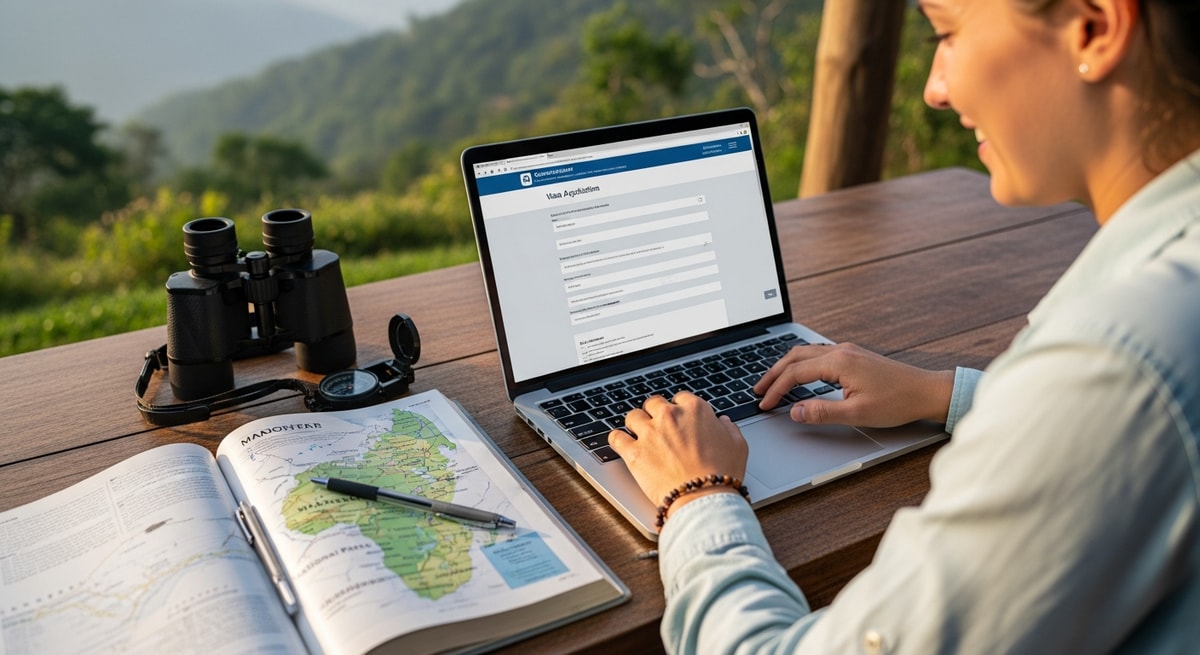
Fill out our streamlined application form with your personal details, travel plans, and intended destinations in Madagascar. Our intelligent system validates your information against Madagascar Immigration requirements and guides you through each section to ensure accuracy.
2
Upload your documents
Submit your passport scan (bio page clearly visible), a recent passport-sized photograph, proof of accommodation, and return flight details. Our visa specialists review every document against Madagascar Immigration standards before submission, reducing the risk of delays or rejection.
3
We process your visa
Your verified application is submitted through official Madagascar visa channels. We monitor processing status in real-time and proactively communicate any updates, requests for additional documentation, or status changes via email and SMS notifications.
4
Receive your visa electronically
Your approved Madagascar eVisa arrives as a PDF document. Print it clearly on A4 paper and present it at Malagasy immigration along with your passport. Tonga soa — welcome to one of the world's most unique biodiversity hotspots!
Visa types needed for Madagascar
Available visa products
Madagascar eVisa - 30 days, Single entry Most Popular
Madagascar eVisa - 60 days, Single entry
Madagascar eVisa - 15 days, Single entry
Madagascar eVisa - 30 days, Single entry
The Madagascar eVisa provides access to lemurs, rainforests, and wildlife found nowhere else on Earth. Valid for 30 Days with single entry, this visa allows stays up to 30 days. Perfect for tourism and business.
Applicants must submit the following documents:
🛂 Passport: Valid for at least 6 months with blank pages
The Madagascar eVisa provides access to lemurs, rainforests, and wildlife found nowhere else on Earth. Valid for 60 Days with single entry, this visa allows stays up to 60 days. Perfect for tourism and business.
Applicants must submit the following documents:
🛂 Passport: Valid for at least 6 months with blank pages
The Madagascar eVisa provides access to lemurs, rainforests, and wildlife found nowhere else on Earth. Valid for 15 Days with single entry, this visa allows stays up to 15 days. Perfect for tourism and business.
Applicants must submit the following documents:
🛂 Passport: Valid for at least 6 months with blank pages
Madagascar welcomes visitors from around the world to explore its extraordinary biodiversity, pristine beaches, and unique cultural heritage. The country offers flexible visa options to accommodate different travel styles and durations.
Tourist Visa — eVisa and Visa on Arrival
Madagascar offers electronic visas (eVisa) that can be obtained before travel, providing a seamless arrival experience. The eVisa allows stays of 30, 60, or 90 days depending on your selection. For many nationalities, visa on arrival is also available at Ivato International Airport (TNR) in Antananarivo, Fascene Airport (NOS) in Nosy Be, and other major entry points. Visa on arrival permits initial stays of up to 30 days.
Stay Durations and Extensions
Initial tourist visas can be obtained for 30-day, 60-day, or 90-day periods. If you need additional time to explore Madagascar's diverse regions — from the rainforests of the east to the spiny forests of the south — extensions are possible through the Ministry of Interior in Antananarivo. The maximum continuous stay is 90 days, after which you must exit the country before applying for a new visa.
Ring-tailed lemurs — Madagascar's most iconic endemic species
Business & Special Visas
Business Visa
The Madagascar business visa caters to professionals conducting commercial activities within the country. This includes attending business meetings and conferences, exploring investment opportunities in mining, agriculture, or tourism sectors, establishing trade contacts, and negotiating contracts. Business visas allow stays up to 90 days and require an invitation letter from a Malagasy company or organization.
Long-Stay and Resident Visas
For those planning extended stays beyond 90 days, Madagascar offers long-stay visa options. These require additional documentation including proof of purpose (employment, study, retirement), police clearance certificates, and medical examinations. Long-stay visas are processed through Malagasy embassies and cannot be obtained on arrival.
Research and Journalist Visas
Due to Madagascar's unique wildlife and scientific importance, special provisions exist for researchers and journalists. Wildlife researchers must obtain permits from Madagascar National Parks in addition to their visa. Journalists require accreditation from the Ministry of Communication.
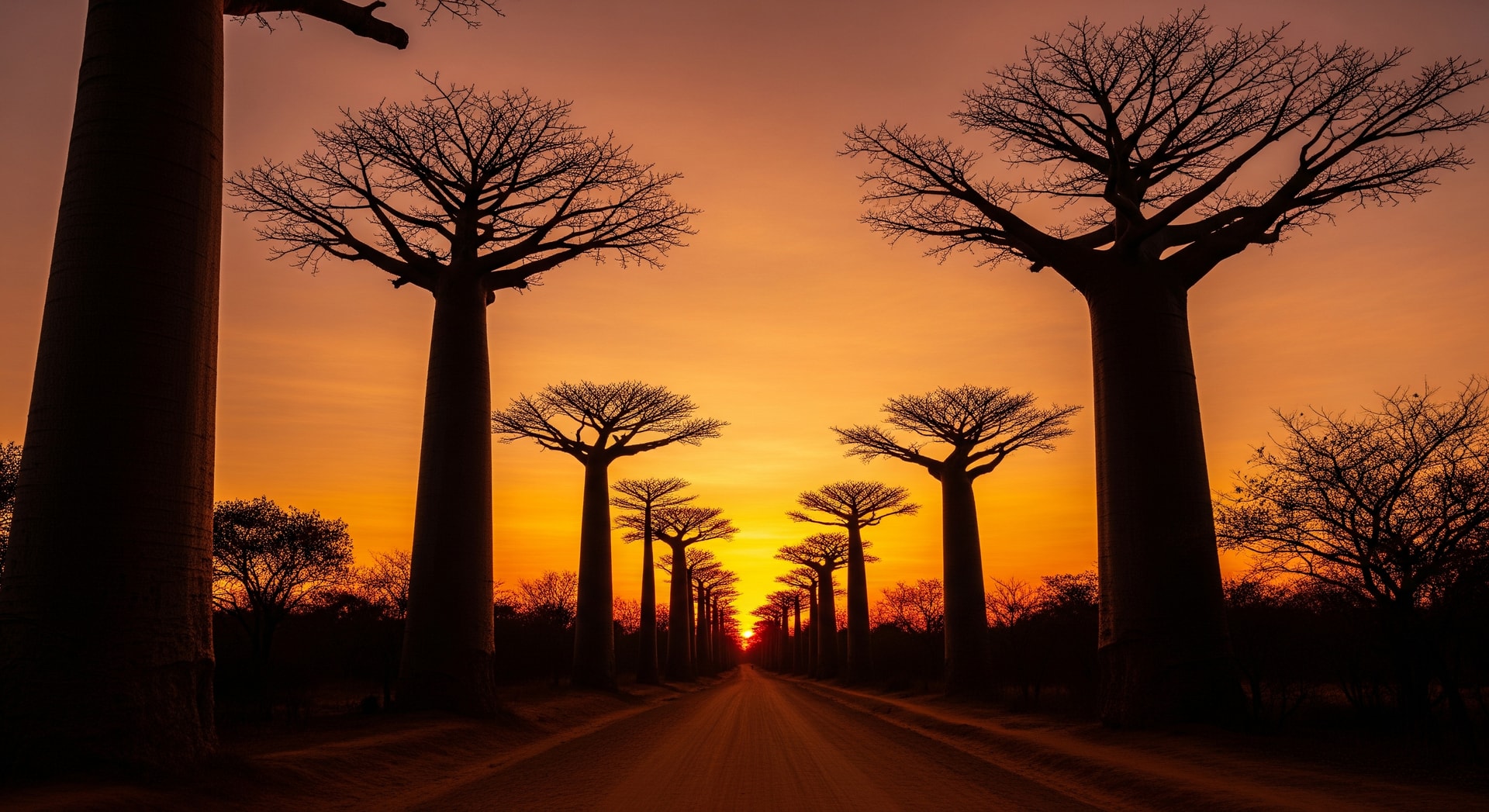
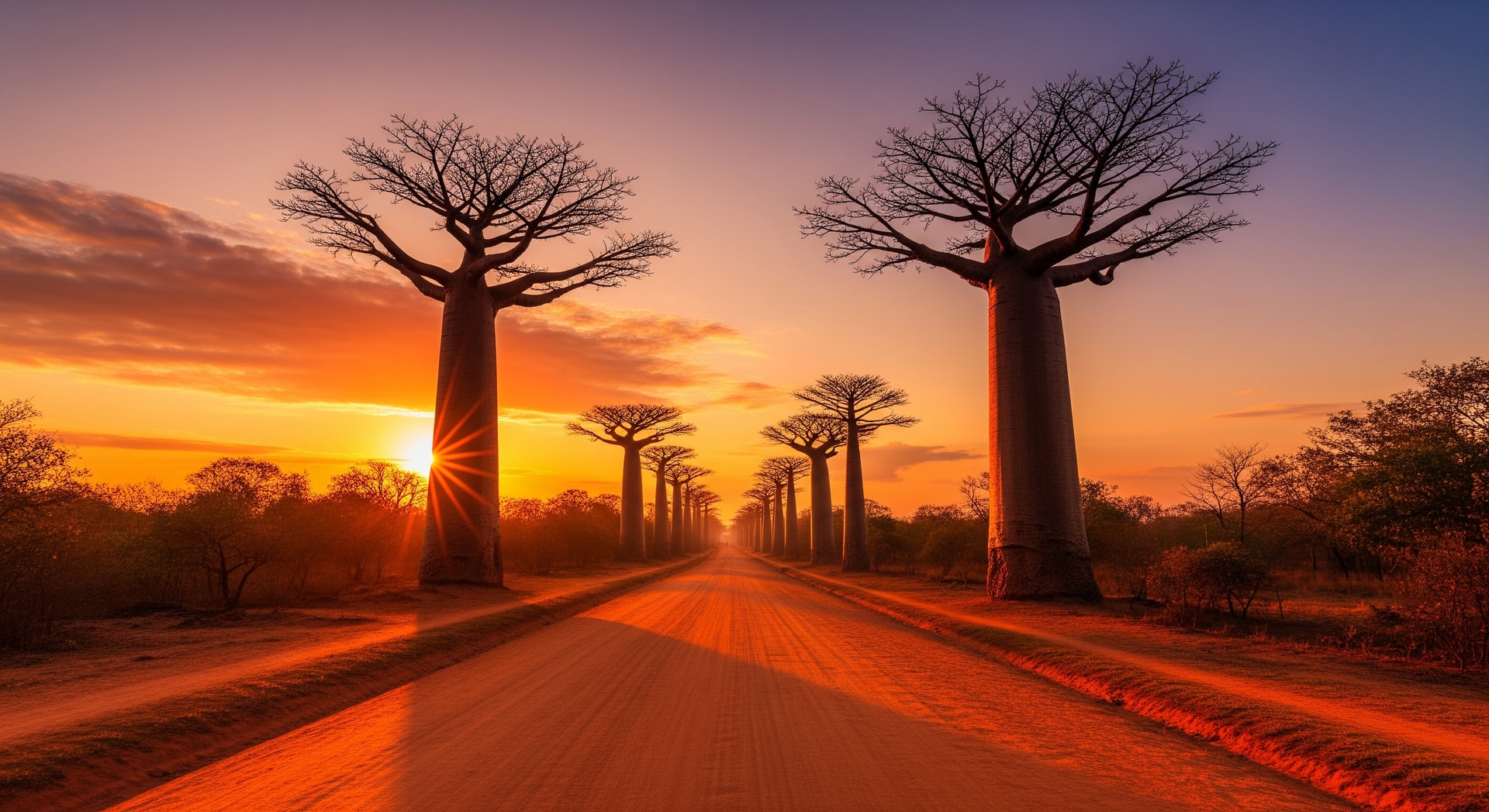
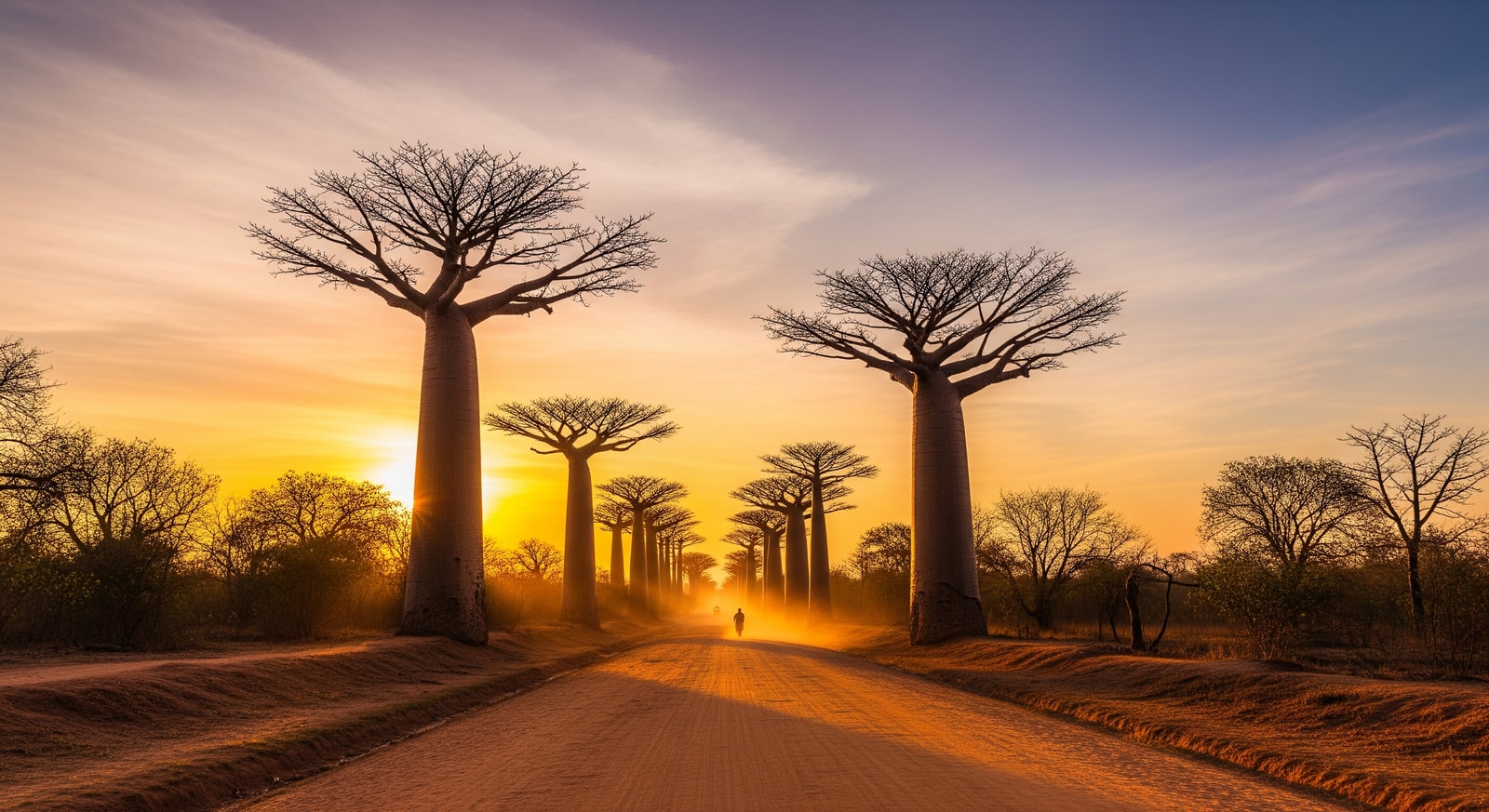
Avenue of the Baobabs — One of Africa's most iconic landscapes
Entry Requirements & Fees
Essential Requirements
All Madagascar visa applicants must meet these fundamental requirements:
• Passport validity: Minimum 6 months beyond your intended arrival date with at least two blank pages for entry stamps
• Photograph: Recent passport-sized photo (35x45mm) with white background, taken within the last 6 months
• Accommodation proof: Hotel booking confirmation, tour operator itinerary, or invitation letter if staying with residents
• Travel itinerary: Flight bookings showing entry and exit from Madagascar
• Sufficient funds: Evidence of financial means to support your stay (approximately $50-100 per day recommended)
Visa Fees
Madagascar visa fees vary by duration: 30-day visa approximately $35-40 USD, 60-day visa approximately $45-55 USD, and 90-day visa approximately $60-70 USD. Fees are payable in Euros, US Dollars, or Malagasy Ariary at arrival points. eVisa applicants pay online during the application process.
Yellow Fever Requirements
Yellow fever vaccination is required only if arriving from or transiting through a yellow fever endemic country. This includes most of mainland Africa and parts of South America. Travelers arriving directly from non-endemic regions do not require the vaccination.
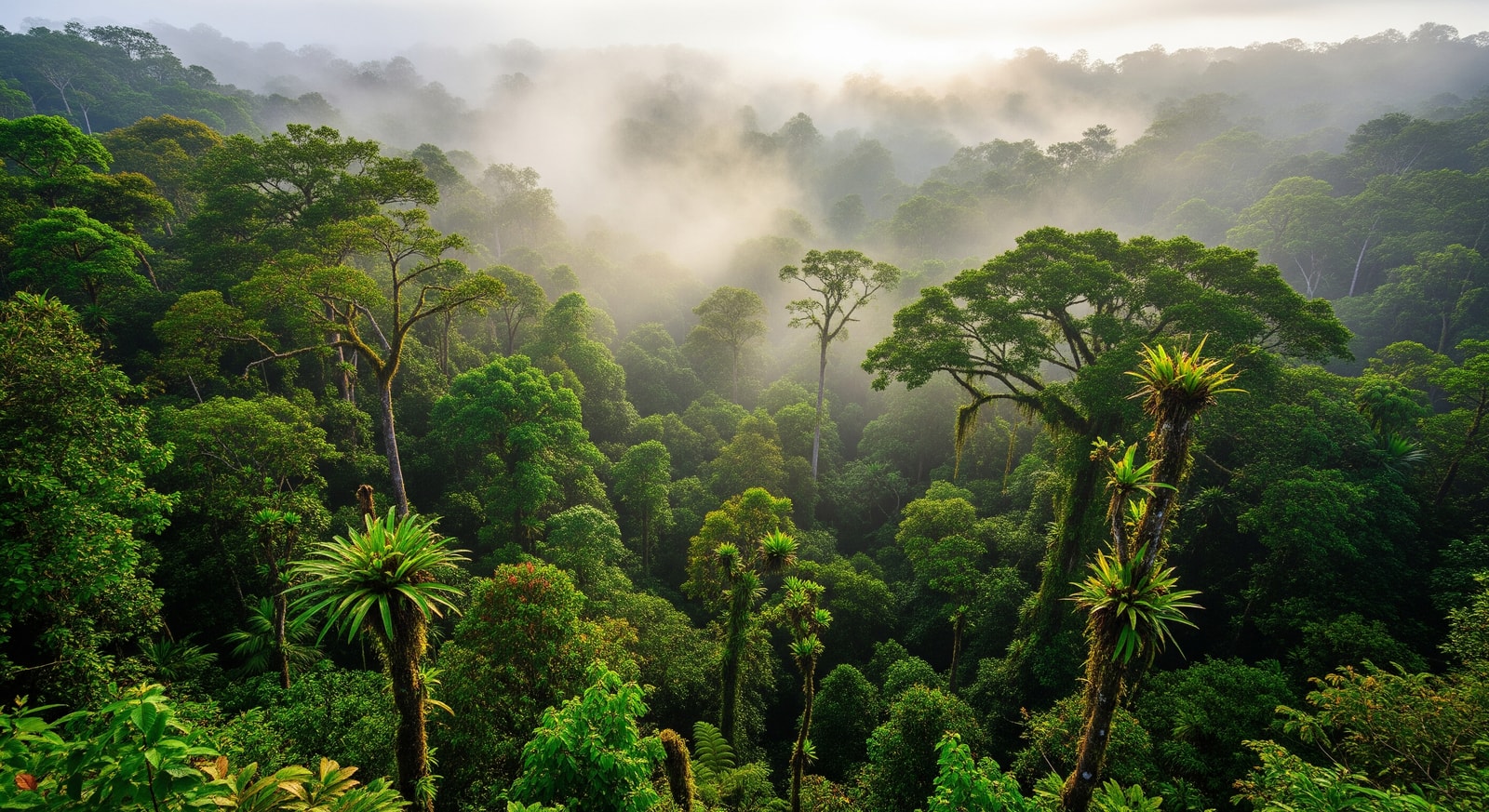
Ranomafana National Park — A UNESCO World Heritage rainforest
Entry Points & Processing
International Entry Points
Madagascar visas are valid at all official entry points:
• Airports: Ivato International Airport (TNR) in Antananarivo (main hub), Fascene Airport (NOS) in Nosy Be, Toamasina Airport, Toliara Airport, Antsiranana Airport, and Fort Dauphin Airport
• Seaports: Port of Toamasina (Tamatave), Mahajanga Port, Antsiranana Port, and Toliara Port — cruise ships and private yachts can obtain visas upon arrival
Processing Times
eVisa applications typically process within 3-7 business days. Visa on arrival is issued immediately upon presentation of required documents and payment. During peak tourist seasons (June-September dry season and whale watching period), airport queues may be longer — arriving with an eVisa ensures faster processing.
Application Timing Recommendations
We recommend applying for your eVisa at least 2 weeks before travel to allow buffer time for any additional documentation requests. For visa on arrival, ensure you have all required documents printed and exact change for fees available.
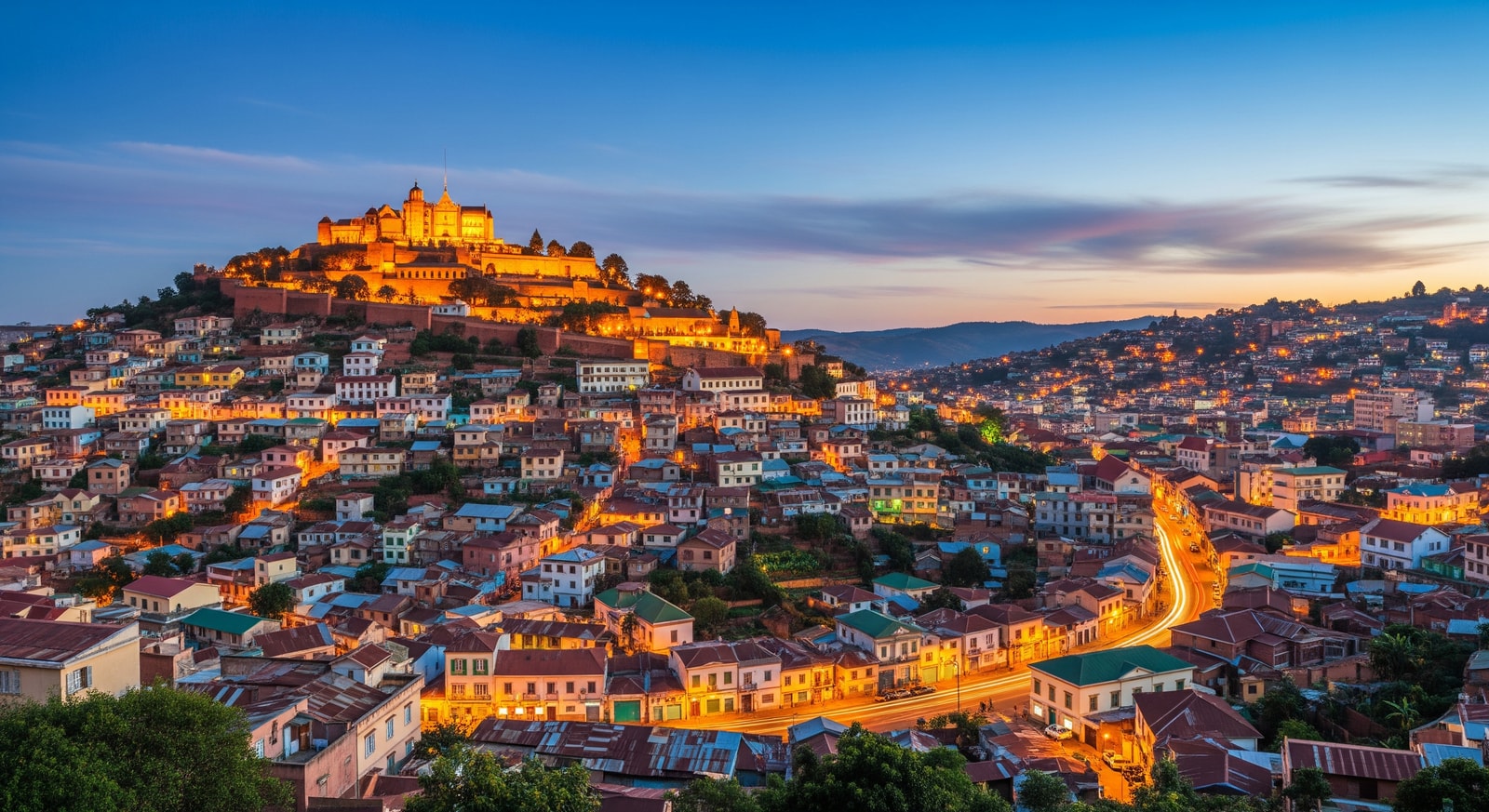
Antananarivo — Madagascar's capital city and gateway to adventure
Why Choose DoVisa?
See the difference between applying yourself vs using our expert service
Travelers to Madagascar rated this product 4.7 out of 5 based on 10 reviews.
4.7/ 5
Based on 10 verified reviews
Filter by rating
Claire D.Jan 18, 2026
"Got my Madagascar visa in just 4 days! The process was smooth and the support team was incredibly helpful with my questions about wildlife reserves. Highly recommend!"
Michael R.Jan 12, 2026
"First time visiting Madagascar for lemur watching and was nervous about the visa. DoVisa made everything stress-free. The Avenue of the Baobabs was worth every minute of planning!"
Sophie L.Jan 5, 2026
"Applied online and received approval within a week. The document checklist was very clear and immigration at Antananarivo airport went smoothly with my printed visa."
Jean-Pierre M.Dec 29, 2025
"Excellent service! As a French speaker, I appreciated the bilingual support. My 60-day visa was approved quickly and I had an amazing time exploring Ranomafana."
Emma T.Dec 20, 2025
"Wildlife photography trip of a lifetime! DoVisa handled everything perfectly. Saw lemurs, chameleons, and the most incredible landscapes. Visa arrived in 5 days."
David K.Dec 14, 2025
"Good experience overall. Processing took 6 days which was within the expected timeframe. Customer support responded quickly when I had questions about extensions."
Anne B.Dec 8, 2025
"Applied for the 90-day visa for an extended tour of Madagascar. Everything was processed smoothly and I received helpful tips about the best national parks to visit."
Thomas H.Dec 1, 2025
"Family of 4 traveling to Nosy Be and mainland Madagascar. All our visas were approved together. The beaches and wildlife exceeded all expectations. Thank you DoVisa!"
Lisa W.Nov 25, 2025
"Business visa for a sustainable agriculture conference in Antananarivo. The invitation letter guidance was particularly useful. Professional service throughout."
Marco P.Nov 18, 2025
"Second time using DoVisa for Madagascar. Just as reliable as the first time. The unique wildlife and friendly people make this destination absolutely worth visiting!"
Claire D.Jan 18, 2026
"Got my Madagascar visa in just 4 days! The process was smooth and the support team was incredibly helpful with my questions about wildlife reserves. Highly recommend!"
Michael R.Jan 12, 2026
"First time visiting Madagascar for lemur watching and was nervous about the visa. DoVisa made everything stress-free. The Avenue of the Baobabs was worth every minute of planning!"
Sophie L.Jan 5, 2026
"Applied online and received approval within a week. The document checklist was very clear and immigration at Antananarivo airport went smoothly with my printed visa."
Madagascar Visa FAQs
What types of visas are available for Madagascar?
Madagascar offers several visa categories to accommodate different travel purposes. Tourist visa (30, 60, or 90 days) is available for leisure travel, wildlife viewing, and general tourism. Business visa allows commercial activities including meetings, conferences, and investment exploration for up to 90 days. Transit visa permits stays up to 72 hours for travelers passing through Madagascar. Long-stay visas are available for extended stays beyond 90 days, requiring additional documentation and embassy processing. Most visitors can obtain either an eVisa before travel or a visa on arrival at major entry points.
What is a Madagascar eVisa and how does it work?
The Madagascar eVisa is an electronic travel authorization that allows you to obtain your visa before arrival. Benefits: Apply online from anywhere; avoid queues at arrival; receive your visa as a PDF to print; processing typically takes 3-7 business days. Process: Complete the online application with personal and travel details, upload required documents (passport scan, photo, accommodation proof, flight itinerary), pay the visa fee online, and receive your approved eVisa by email. At arrival: Present your printed eVisa with your passport at immigration for faster processing compared to visa on arrival queues.
Can I get a visa on arrival in Madagascar?
Yes, visa on arrival is available at Madagascar's international airports and seaports for most nationalities. Requirements: Valid passport (6+ months), passport photo, proof of accommodation, return/onward flight, and visa fee in cash (USD, EUR, or MGA accepted). Duration: Visa on arrival grants stays up to 30 days initially. Advantages: No advance application needed; immediate processing. Disadvantages: Longer queues during peak seasons; must have exact documents and payment ready; 30-day limit versus 60 or 90 days with eVisa. Recommendation: For trips longer than 30 days or during busy periods (June-September), apply for an eVisa in advance.
What documents do I need for a Madagascar visa?
Essential documents for all applications: Passport valid for at least 6 months beyond arrival with minimum two blank pages; recent passport-sized photograph (35x45mm, white background); completed application form. Additional requirements: Proof of accommodation (hotel bookings, tour itinerary, or invitation letter); round-trip or onward flight confirmation; proof of sufficient funds (approximately $50-100 per day of stay). Business visa extras: Invitation letter from Malagasy company on official letterhead; employer support letter; company registration documents. Document format: For eVisa applications, documents should be clear scans in PDF or JPEG format, under 2MB each.
How long can I stay in Madagascar with a tourist visa?
Madagascar tourist visa durations vary by type: Visa on arrival grants up to 30 days. eVisa options include 30-day, 60-day, or 90-day validity — select your preferred duration during application. Maximum stay: The longest continuous tourist stay permitted is 90 days. Extensions: Visas can be extended at the Ministry of Interior (Ministere de l'Interieur) in Antananarivo before expiry, up to the 90-day maximum. Re-entry: After 90 days, you must leave Madagascar. You can apply for a new visa immediately upon re-entry, but frequent short exits and re-entries may be questioned by immigration.
Can I extend my Madagascar visa?
Yes, Madagascar visa extensions are possible under certain conditions. Where to apply: Ministry of Interior (Ministere de l'Interieur) in Antananarivo, or regional immigration offices in major cities. Requirements: Valid passport, current visa, completed extension form, passport photographs, proof of funds, accommodation confirmation, and extension fee. Process: Apply before your current visa expires — overstaying incurs fines and potential deportation. Extensions typically take 3-5 business days. Limits: Tourist visas can only be extended up to the 90-day maximum total stay. For longer periods, you must apply for a long-stay visa or exit and re-enter the country.
Can I work in Madagascar with a tourist visa?
No, Madagascar tourist visas strictly prohibit employment or paid work activities. Permitted activities: Tourism, wildlife viewing, visiting friends and family, attending cultural events, volunteer work with registered NGOs (limited). Business visas allow commercial activities like meetings and conferences but not employment or receiving salary from a Malagasy employer. Working legally requires a work permit (Visa Transformable or Long-Stay Work Visa) sponsored by a Malagasy employer, processed through the Ministry of Labor and Immigration. Penalties: Working illegally risks fines, deportation, and future visa bans. Madagascar immigration conducts checks, particularly in tourism, mining, and NGO sectors.
Do I need to print my Madagascar eVisa?
Yes, you must print your Madagascar eVisa before traveling. Requirements: Print the approved eVisa PDF on clean A4 paper in color or black and white; ensure all text and barcodes are clearly legible; carry the printout with your passport throughout your journey. At immigration: Present the printed eVisa along with your passport at the immigration counter. Digital copies on phones or tablets are not accepted — Madagascar immigration requires the physical printout. Tip: Print multiple copies in case of damage or loss, and keep one in your checked luggage as backup.
How long does Madagascar visa processing take?
Processing times vary by application method: eVisa: Typically 3-7 business days, though most applications receive decisions within 5 days. Visa on arrival: Immediate processing at the airport, though queue times vary (15-45 minutes depending on flight arrivals). Embassy applications: 5-10 business days for standard processing. Factors affecting timing: Peak seasons (June-September, December holidays) may experience slightly longer processing; incomplete applications cause delays; additional verification for business or long-stay visas. Recommendation: Apply for eVisa at least 2 weeks before travel to allow buffer time for any additional documentation requests.
What happens if my Madagascar visa application is rejected?
Madagascar visa rejections are uncommon but can occur. Common reasons: Incomplete documentation, passport validity issues, unclear photographs, insufficient funds evidence, missing accommodation proof, or previous immigration violations. If rejected: You receive notification of the unsuccessful application. For eVisa rejections, you can reapply immediately with corrected documentation — there's no waiting period. Visa on arrival rejections at the airport are rare but may result in return on the next available flight. Prevention: Ensure all documents are complete and clear; verify passport validity; provide comprehensive travel plans; include proof of funds. DoVisa guarantee: If rejection results from our processing error, we provide a full refund of service fees and complimentary reapplication assistance.
When is the best time to visit Madagascar?
Madagascar has distinct seasons affecting travel experiences. Dry season (April-October): Best overall conditions — cooler temperatures, minimal rainfall, excellent wildlife viewing as animals concentrate near water sources. Peak tourist season with higher prices. Whale watching (July-September): Humpback whales migrate along the east coast; best viewing from Ile Sainte-Marie and Ifaty. Wet season (November-March): Hot and humid with heavy rainfall, particularly on east coast; some roads become impassable; lower prices; lush green landscapes; baby lemurs and reptile hatching season. Shoulder seasons (April-May, October-November): Good compromise — fewer crowds, reasonable weather, moderate prices. Regional variations: South and west are drier year-round; east coast rainforests are wet throughout the year but less so during dry season.
Do I need a yellow fever vaccination for Madagascar?
Yellow fever vaccination requirements depend on your travel history. Required if: Arriving from or transiting through (including airport layovers) a yellow fever endemic country — this includes most of mainland Africa, parts of South America, Panama, and Trinidad and Tobago. You must present your International Certificate of Vaccination (yellow card) at immigration. Not required if: Traveling directly from non-endemic countries (Europe, North America, Asia, Australia, most of Middle East). Recommendation: Even when not required for entry, consult a travel health clinic about recommended vaccinations for Madagascar, including hepatitis A and B, typhoid, and malaria prophylaxis for certain regions.
What are the main entry points to Madagascar?
Madagascar has several international entry points. Main airports: Ivato International Airport (TNR) in Antananarivo — the primary international hub with flights from Paris, Johannesburg, Nairobi, Mauritius, and other destinations; Fascene Airport (NOS) in Nosy Be — receives some international flights, popular for beach resort access. Regional airports: Toamasina, Toliara, Antsiranana (Diego Suarez), and Fort Dauphin handle domestic and occasional regional flights. Seaports: Toamasina (Tamatave) is the main commercial port; cruise ships arrive at various ports including Nosy Be, Antsiranana, and Toliara — visas on arrival available at all ports. No land borders: Madagascar is an island nation with no land border crossings.
Is Madagascar safe for tourists?
Madagascar is generally safe for tourists in established tourism areas, with standard precautions recommended. Safe areas: National parks (Ranomafana, Andasibe, Isalo, Tsingy), beach destinations (Nosy Be, Ile Sainte-Marie, Ifaty), and tourist circuits are well-traveled and secure. Urban areas: Antananarivo requires standard city precautions — avoid displaying valuables, use registered taxis, stay in well-lit areas at night. Practical advice: Travel with reputable tour operators for wildlife viewing; avoid walking alone at night in cities; keep valuables in hotel safes; use official guides for national park visits. Health considerations: Malaria prophylaxis recommended for most areas; drink bottled water; ensure travel insurance includes medical evacuation. Infrastructure: Roads can be challenging, especially during rainy season — domestic flights recommended for time-sensitive itineraries.
What currency should I bring to Madagascar?
Madagascar's official currency is the Malagasy Ariary (MGA). Cash recommendations: Bring Euros or US Dollars to exchange upon arrival — both are widely accepted at banks, hotels, and exchange bureaus. Euros often receive slightly better rates due to French economic ties. Ensure bills are in good condition (post-2006 for USD). ATMs: Available in Antananarivo and larger towns; international cards (Visa, Mastercard) generally work but have daily limits (typically 400,000-800,000 MGA). ATMs can be unreliable in remote areas. Card acceptance: Major hotels and upscale restaurants accept cards; most businesses are cash-only. Tipping: Expected in tourism — guides ($5-10/day), drivers ($3-5/day), hotel staff (10,000-20,000 MGA). Recommendation: Carry sufficient cash for your entire trip, especially when visiting national parks and remote areas.
Do children need their own Madagascar visa?
Yes, every traveler including infants requires their own Madagascar visa. There are no family visas or provisions for children on parents' documents. Requirements for children: Valid passport in child's own name with 6+ months validity; passport-sized photograph; completed application; parental consent if traveling with one parent or unaccompanied. Application process: Parents typically apply for children's visas alongside their own. Each child's visa is processed and issued separately. Fees: Children pay the same visa fees as adults. Additional documents: Birth certificate recommended; if child travels with one parent, notarized consent from absent parent advised; unaccompanied minors need detailed authorization letters.


 With DoVisa