
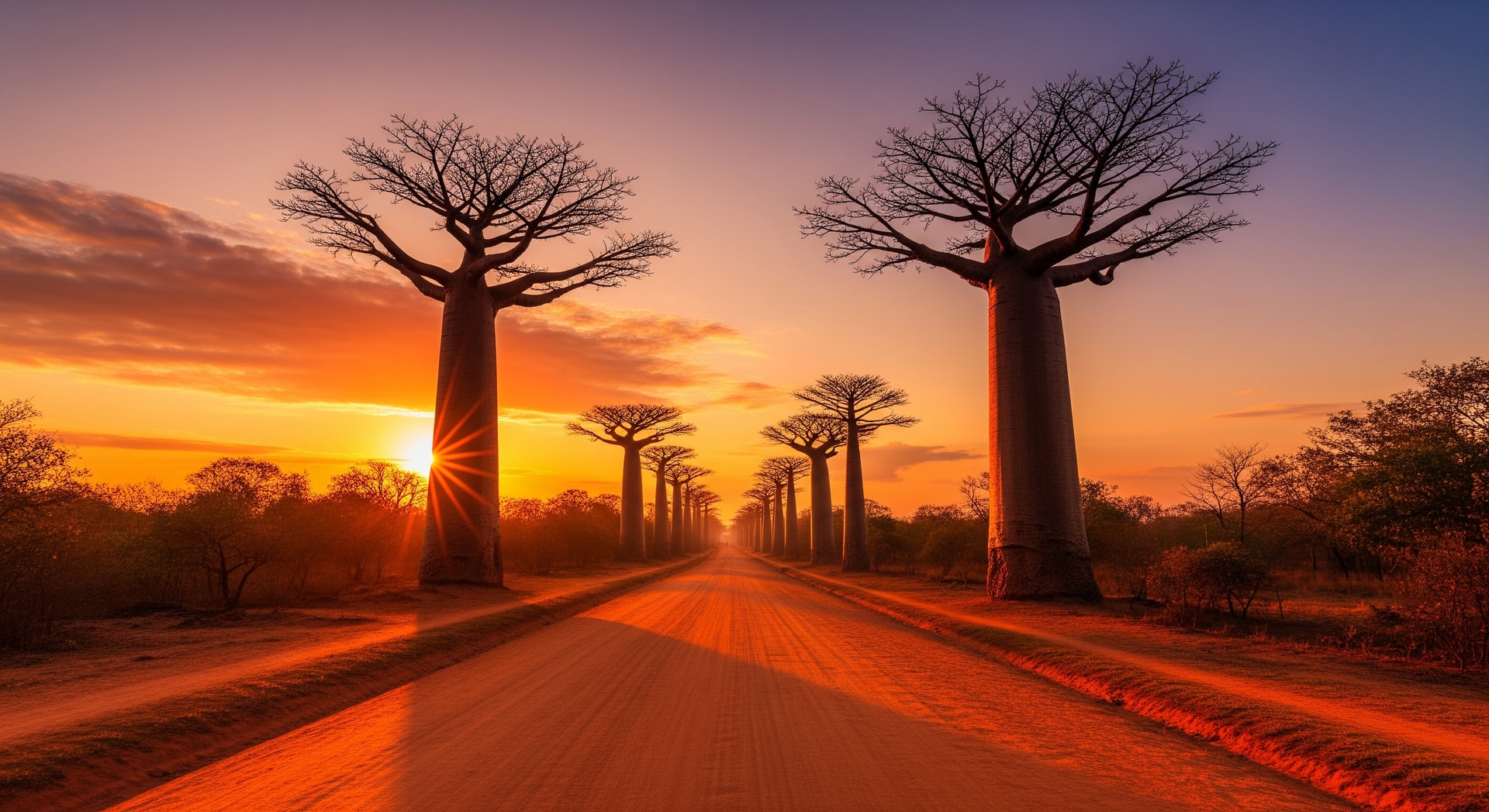
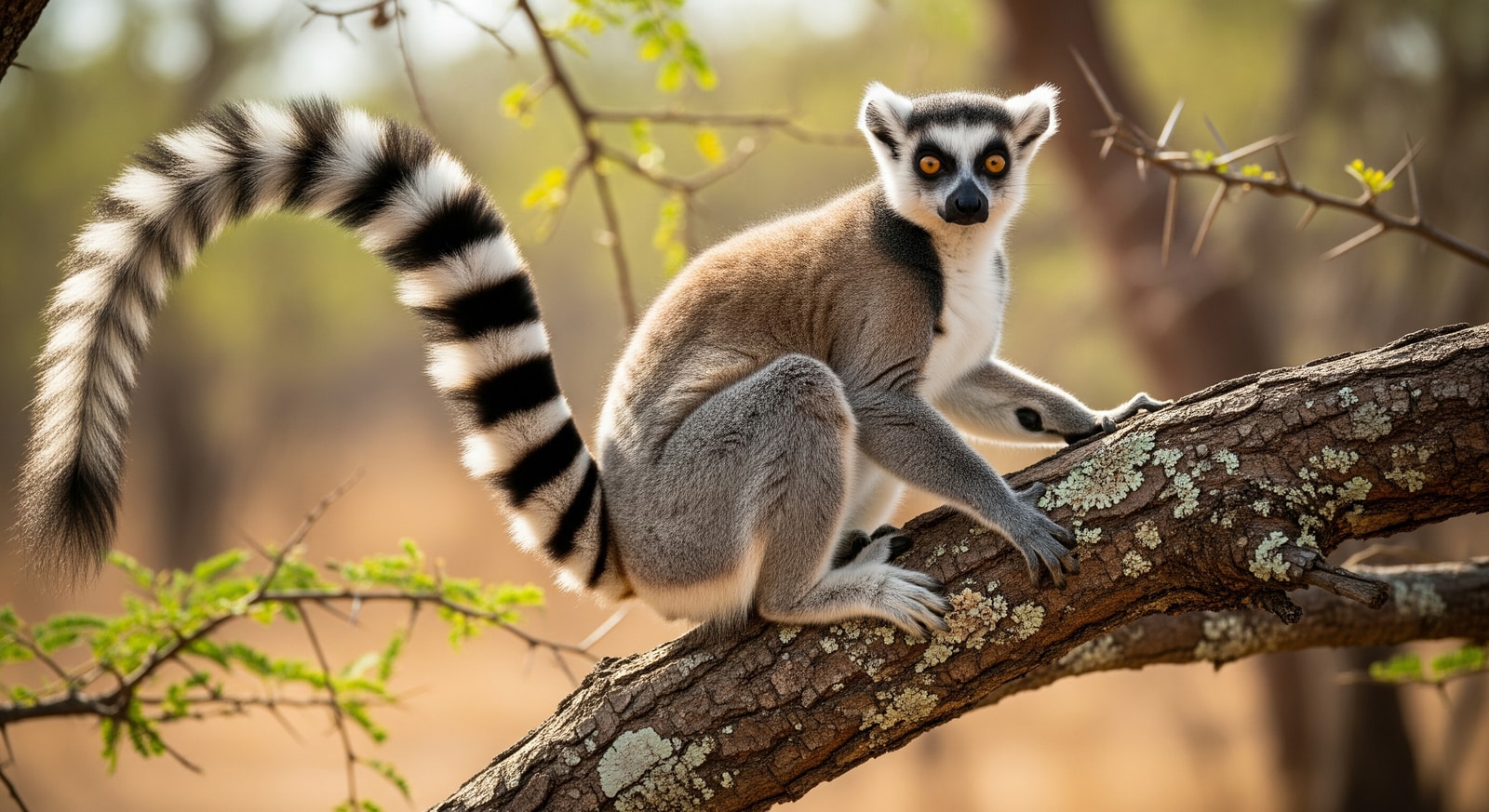
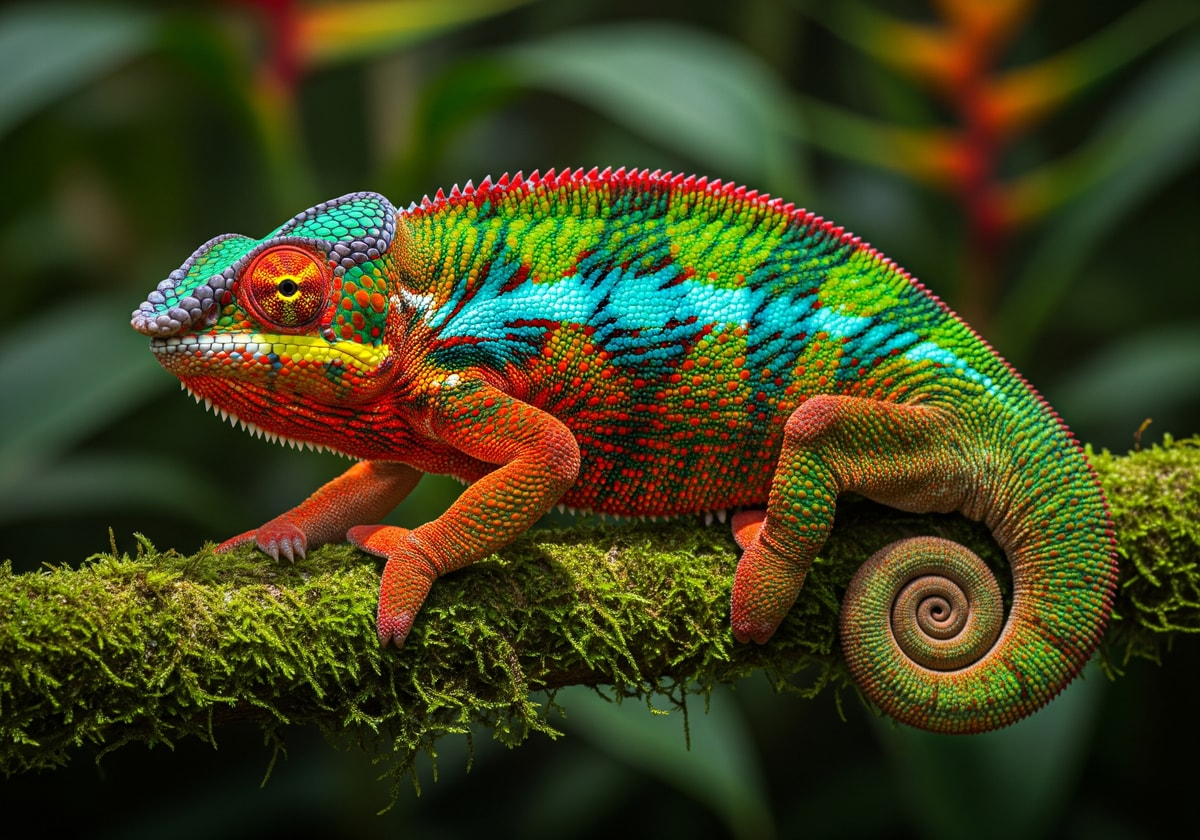
Madagascar, the world's fourth-largest island floating in the Indian Ocean off Africa's southeastern coast, is a place where evolution took its own extraordinary path. Separated from the African mainland for approximately 88 million years, this island nation developed ecosystems found nowhere else on Earth — over 90% of its wildlife is endemic, meaning it exists only here. From the iconic ring-tailed lemurs and dancing sifakas to the ancient baobab trees that seem to grow upside down, Madagascar offers experiences that simply cannot be replicated anywhere else in the world.
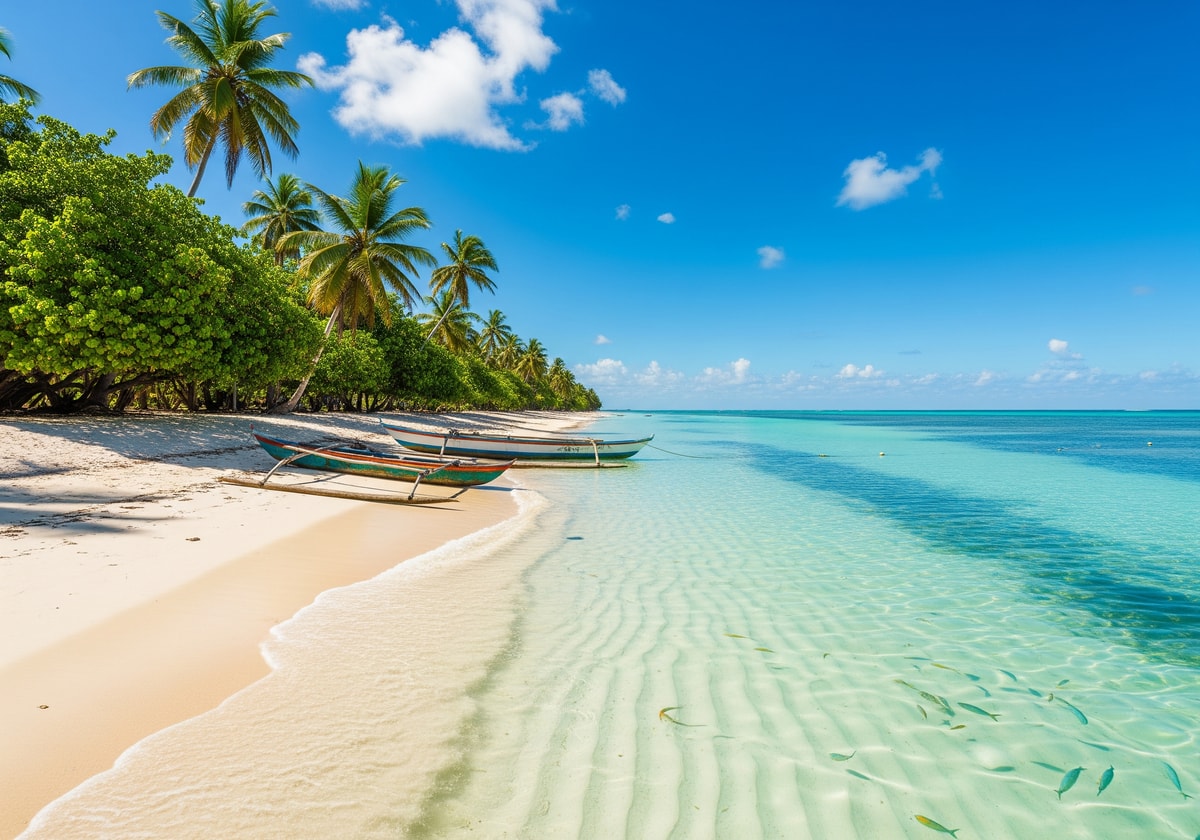
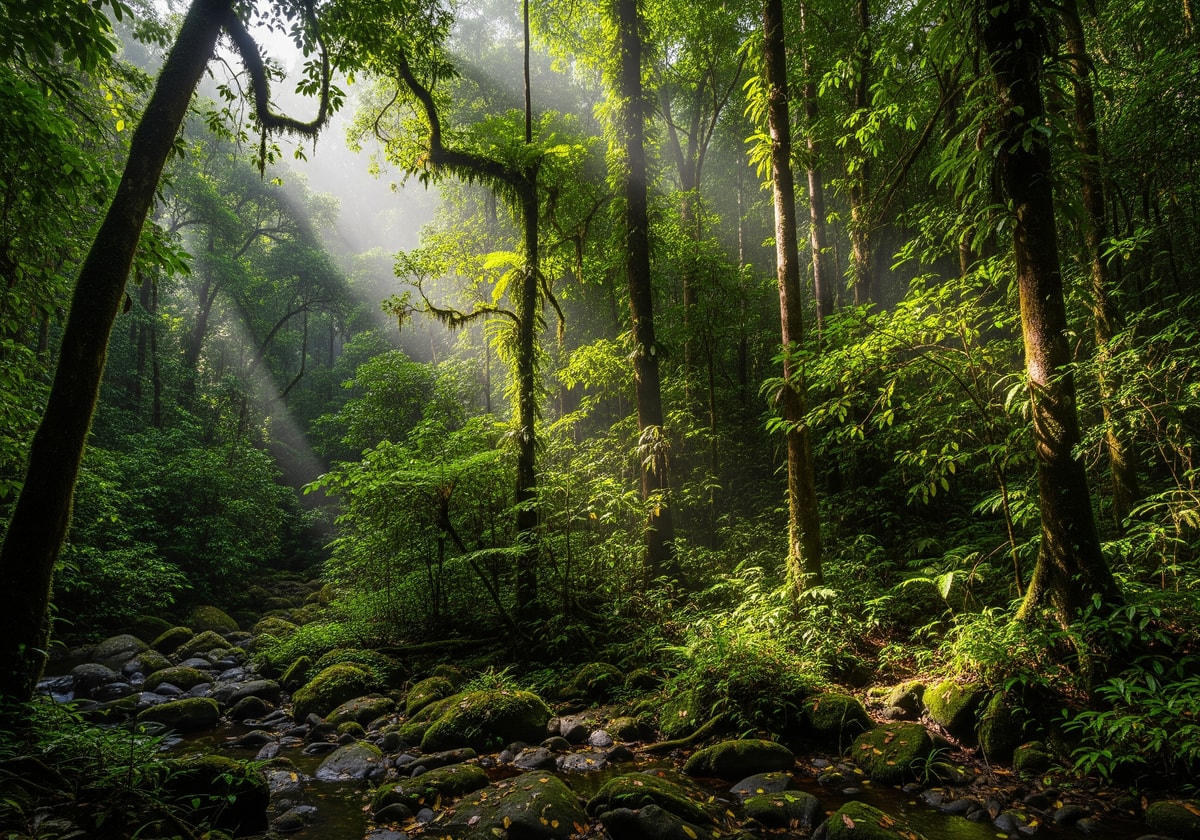
The Madagascar e-Visa system has modernized entry to this remarkable destination, allowing travelers from around the world to apply online for permission to explore everything from the rainforests of Andasibe to the limestone pinnacles of Tsingy de Bemaraha and the pristine beaches of Nosy Be. This comprehensive guide covers everything you need to know about obtaining your Madagascar e-Visa, from eligibility requirements and the application process to essential travel tips that will help you make the most of your journey to this island of wonders. Whether you're a wildlife enthusiast, adventure seeker, or beach lover, Madagascar awaits with experiences that will transform your understanding of the natural world.
What is the Madagascar e-Visa?
The Madagascar e-Visa is an electronic travel authorization that allows eligible foreign nationals to enter Madagascar for tourism, business meetings, and family visits without obtaining a traditional paper visa from an embassy. This digital system, launched to streamline entry into the country and encourage tourism, enables travelers to complete their visa application entirely online and receive approval electronically before departure.
Prior to the e-Visa system, most travelers obtained visas upon arrival at Madagascar's international airports, which sometimes resulted in long queues, especially during peak tourist seasons when multiple international flights arrived simultaneously. The e-Visa eliminates this uncertainty by providing pre-approved entry authorization, allowing holders to proceed through a dedicated lane at immigration and significantly reducing wait times upon arrival in Madagascar.
The Madagascar e-Visa is valid for tourism, leisure travel, visiting friends and family, attending conferences or business meetings, and short-term volunteer activities. For longer stays, employment, or study purposes, travelers may need to apply for different visa categories through traditional embassy channels or extend their status after arrival.
Madagascar e-Visa Quick Facts
Validity: Up to 60 days from entry
Processing: Typically 24-72 hours
Entry type: Single entry
Application: 100% online
Eligibility: Most nationalities worldwide
Extension: Possible at immigration office in Madagascar
Madagascar visa on arrival is faster than getting an e-Visa beforehand.
While visa on arrival is available at major airports, obtaining an e-Visa in advance is significantly faster and more convenient. E-Visa holders can use dedicated immigration lanes, avoiding queues that can extend over an hour during busy periods when multiple international flights arrive. The e-Visa process takes minutes online versus potentially lengthy airport waits.
Who Can Apply for a Madagascar e-Visa?
Madagascar's e-Visa system is available to citizens of most countries worldwide, making it one of the more accessible African destinations for international travelers. The government has deliberately made the e-Visa widely available to encourage tourism, which plays an increasingly important role in the country's economy and conservation efforts. Entrance fees and tourism revenue directly support the national parks that protect Madagascar's unique wildlife.
The e-Visa is suitable for travelers planning short-term visits for tourism, wildlife watching, business meetings, family visits, and attending conferences or events. Those planning extended stays, employment, academic studies, or volunteer work exceeding the e-Visa duration may need to explore alternative visa categories or plan to extend their status upon arrival in Madagascar.
- Valid passport: At least 6 months validity beyond your intended departure from Madagascar with minimum 2 blank pages
- Purpose of visit: Tourism, wildlife viewing, business meetings, family visits, or attending conferences and events
- Short-term stay: Planning to remain in Madagascar for up to 60 days
- Onward travel: Evidence of return ticket or onward travel arrangements
- Sufficient funds: Ability to demonstrate financial means to support your stay
- Clean record: No previous immigration violations or entry bans for Madagascar
Conservation Connection
Madagascar tourism directly funds conservation efforts. National park entrance fees support habitat protection and community programs. By visiting responsibly, you contribute to protecting the lemurs and ecosystems you came to see. Consider booking with eco-conscious operators who reinvest in local conservation.
Required Documents for Madagascar e-Visa
The Madagascar e-Visa application requires several documents to be prepared in digital format before you begin. Having everything ready will make the application process quick and smooth, typically taking only 10-15 minutes to complete online. Ensure all documents are clear, legible, and meet the specified requirements to avoid delays in processing your application.
- Valid passport: Scanned copy of the biographical data page (photo page) in color, with at least 6 months validity beyond your planned departure from Madagascar
- Passport photo: Recent digital photograph meeting standard passport photo requirements — white background, neutral expression, face clearly visible
- Travel itinerary: Details of your planned arrival and departure dates, though tickets are not required at application stage
- Accommodation proof: Hotel bookings, resort reservations, or invitation letter from your host in Madagascar
- Email address: Valid email address where you'll receive your e-Visa approval notification and confirmation
- Payment method: Credit or debit card for paying the e-Visa application fee online
- Yellow fever certificate: Required if you've traveled through or from a yellow fever endemic country within 6 days prior to arrival
- Flight details: Information about your airline and flight number for the arrival in Madagascar
How to Apply for the Madagascar e-Visa
The Madagascar e-Visa application is a straightforward online process that can be completed in about 10-15 minutes. Applications are processed electronically, with most approvals issued within 24-72 hours. Here's how to apply for your Madagascar e-Visa step by step, ensuring a smooth and successful application.
- Access the e-Visa portal: Navigate to the official Madagascar e-Visa website or use DoVisa's guided application service for assistance
- Create an account: Register with your email address and create a secure password to track your application status
- Select visa type: Choose the appropriate visa category based on your travel purpose — tourist visa is most common for leisure travelers
- Enter personal details: Fill in your full name exactly as it appears in your passport, date of birth, nationality, and contact information
- Upload passport scan: Provide a clear, color scan of your passport's biographical page showing your photo and personal details
- Upload passport photo: Submit a recent digital photograph meeting the specified requirements for background and composition
- Enter travel details: Provide your intended arrival date, departure date, port of entry, and accommodation information
- Review application: Carefully check all information for accuracy — errors can cause delays or rejection
- Pay application fee: Submit payment using your credit or debit card through the secure online payment system
- Submit application: Confirm and submit your completed application for processing
- Receive confirmation: You'll receive an email confirmation with your application reference number
- Download approved e-Visa: Once approved, download and print your e-Visa confirmation to present upon arrival
e-Visa Costs and Processing Times
Madagascar e-Visa fees vary depending on the duration of stay requested and the processing speed selected. The government fee is fixed, while optional expedited processing services may incur additional charges. Here's what to expect when budgeting for your Madagascar visa.
Madagascar e-Visa Processing Options
| Visa Duration | Standard Processing | Processing Time |
|---|---|---|
| Up to 30 days | Government fee applies | 24-72 hours |
| 31-60 days | Government fee applies | 24-72 hours |
| Extension (in-country) | Additional fee | Varies by office |
DoVisa Processing Advantages
DoVisa's expert review service checks your application for errors before submission, dramatically reducing rejection rates. Our team has processed thousands of Madagascar e-Visas and knows exactly what immigration officers look for. This additional verification typically prevents the most common application mistakes.
Apply for Your Madagascar e-Visa Today
Common Mistakes to Avoid
Application Errors Can Delay Your Trip
Simple errors are the leading cause of Madagascar e-Visa delays and rejections. Review every detail before submission, as corrections after submission may require starting a new application and paying fees again.
- Name mismatches: Ensure your name is entered exactly as it appears in your passport — even small variations can cause problems at immigration
- Passport validity: Double-check that your passport has at least 6 months validity beyond your planned departure date from Madagascar
- Blurry document scans: Ensure your passport scan is clear, legible, and in color — poor quality images often result in rejection
- Photo requirements: Use a recent photo with a white background and proper dimensions — selfies or informal photos will be rejected
- Incorrect travel dates: Enter your actual planned arrival date — your e-Visa validity starts from this date
- Email errors: Verify your email address carefully as all communications and your approved e-Visa will be sent there
- Incomplete application: Fill in all required fields completely — submissions with missing information face automatic delays
- Last-minute applications: Apply at least 1 week before travel to allow time for processing and any potential issues
Travel Tips for Madagascar
Madagascar is unlike any other destination in the world, and some preparation will help you make the most of your experience. From understanding the best seasons for wildlife viewing to navigating this vast island's diverse regions, these tips will enhance your Madagascar adventure and help you see more of what makes this place so extraordinary.
The island's biodiversity is concentrated in distinct zones — rainforests in the east, dry deciduous forests in the west, and spiny forests in the south. Each offers different species of lemurs and unique ecosystems. Planning your route carefully allows you to experience multiple environments during a single trip, maximizing your wildlife encounters.
- Best time to visit: April to October (dry season) offers the best wildlife viewing and road conditions. The wet season (November-March) brings lush landscapes but challenging travel.
- Print your e-Visa: Carry a printed copy of your approved e-Visa, as internet connectivity at airports can be unreliable and digital versions may not be accepted.
- Ariary currency: Madagascar uses the Ariary (MGA). ATMs are available in major cities but may be unreliable in remote areas — bring enough cash for your entire trip outside Antananarivo.
- French and Malagasy: French and Malagasy are the official languages. English is spoken at tourist-oriented hotels and by some guides, but learning basic French phrases is helpful.
- Road conditions: Many roads outside major cities are unpaved and extremely rough. Domestic flights or 4x4 vehicles are often necessary to reach national parks and remote attractions.
- Hire local guides: National park visits require licensed local guides — this supports local communities and dramatically increases your chances of spotting wildlife.
- Pack for all conditions: Madagascar's microclimates mean you may experience rainforest humidity, coastal heat, and cool highland temperatures in one trip.
- Health precautions: Malaria prophylaxis is recommended for most areas. Consult a travel health specialist and ensure routine vaccinations are current.
- Respect fady: Fady are local taboos that vary by region. Your guide will explain specific fady at each location — respecting these customs shows cultural sensitivity.
- Book national parks ahead: Popular parks like Andasibe and Ranomafana can be busy during peak season. Booking guided walks in advance ensures availability.
Seeing a wild lemur for the first time is magical — they're curious, playful, and unlike any animal I've ever encountered. Madagascar exceeded every expectation.
Why Choose DoVisa?
Expert Madagascar e-Visa processing
Application review before submission
Fast processing with status tracking
24/7 customer support team
Secure document handling
Money-back guarantee if rejected due to our error
Frequently Asked Questions
Can I get a visa on arrival instead of an e-Visa for Madagascar?
How long is the Madagascar e-Visa valid?
Can I extend my Madagascar e-Visa once I'm in the country?
What vaccinations do I need for Madagascar?
What is the best time of year to visit Madagascar for wildlife?
Do I need travel insurance for Madagascar?
Can I travel around Madagascar with an e-Visa?
What currency should I bring to Madagascar?
Is Madagascar safe for tourists?
How do I get from Antananarivo airport to the city center?
What should I pack for Madagascar?
Do I need a guide in Madagascar's national parks?
Can I use my mobile phone in Madagascar?
What are the top attractions I shouldn't miss in Madagascar?
Ready to Explore Madagascar?
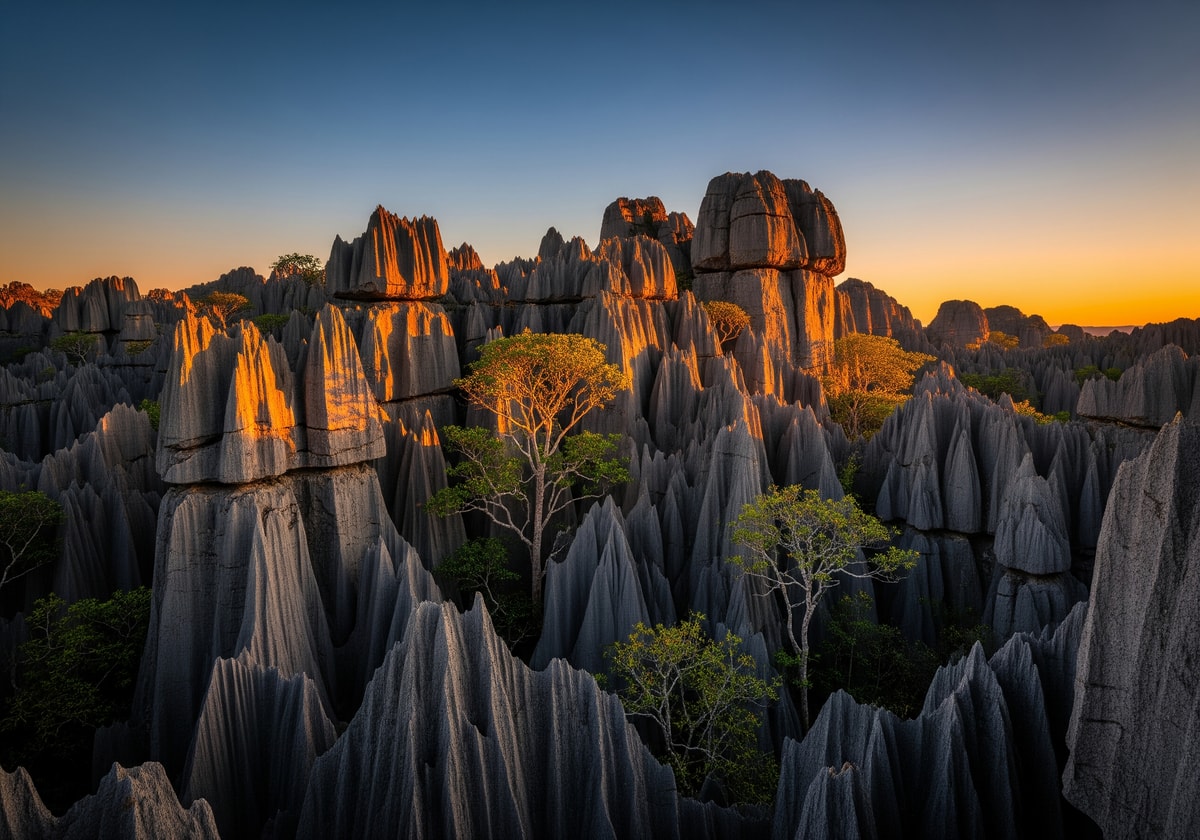
Madagascar offers a travel experience found nowhere else on Earth. This island, larger than France but home to fewer than 30 million people, contains ecosystems and species that evolved in isolation for millions of years. From the eerily beautiful stone forests of Tsingy to the peaceful gaze of a sifaka lemur, from baobabs that have stood for eight centuries to chameleons smaller than your fingernail, Madagascar rewards those who make the journey with memories that last a lifetime.
The e-Visa system has made reaching this extraordinary destination easier than ever before. With straightforward online applications and quick processing times, the bureaucratic barriers that once complicated travel to Madagascar have largely disappeared. What remains is the adventure itself — navigating dusty roads to remote national parks, waking before dawn for wildlife walks, floating in the warm Indian Ocean waters, and discovering why naturalists consider Madagascar the most important place on Earth for biodiversity.
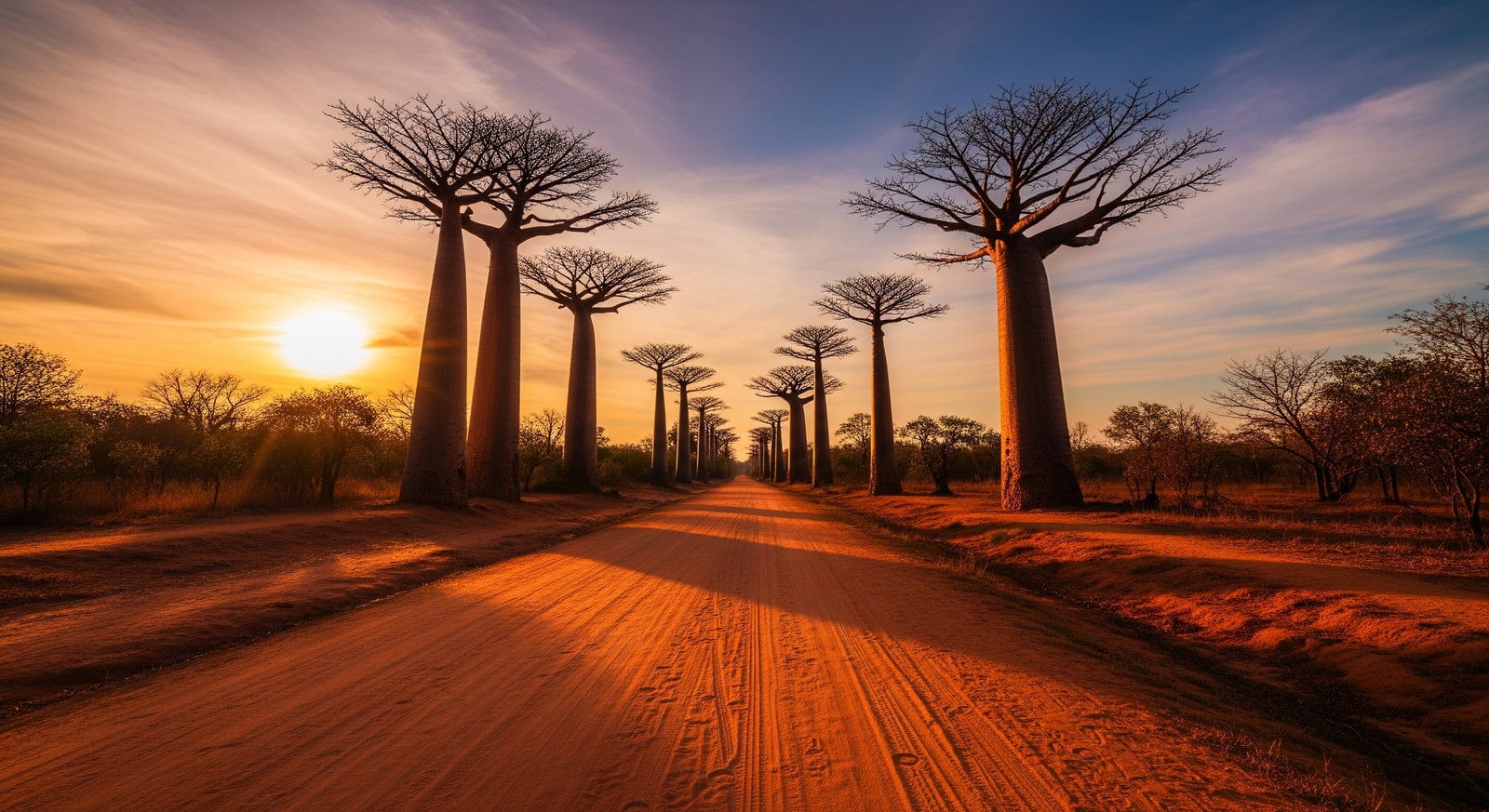
Apply for your Madagascar e-Visa today and begin planning your own journey to this island where nature evolved its own rules. The lemurs are waiting to meet you, the baobabs stand ready for sunset photographs, and experiences unlike anything you've had before are waiting in every national park. Madagascar is calling — all you need to do is answer.
Madagascar
Capital: Antananarivo
Currency: Malagasy Ariary (MGA)
Language: Malagasy, French
Timezone: UTC+3 (East Africa Time)
Processing: 24-72 hours (e-Visa)
Quick Facts
- Population: 30 million
- World's 4th largest island
- Over 90% endemic wildlife
- Famous for: Lemurs, baobabs, biodiversity
Get the DoVisa App
Store your Madagascar e-Visa and access it offline during your trip.



Comments(10)
Leave a Comment
Just returned from two weeks in Madagascar and it was absolutely incredible. The e-Visa process was seamless — applied through DoVisa and got approval in less than 24 hours. Seeing the indri lemurs at Andasibe was a highlight I'll never forget. Their haunting calls echoing through the rainforest at dawn gave me chills.
The Avenue of the Baobabs at sunset is everything the photos promise and more. Book a local guide for the day who can take you to less-visited baobab forests too — we found a massive sacred baobab with no other tourists around. Absolutely magical.
As a biologist, Madagascar has been on my bucket list for years. The biodiversity is staggering — we saw 12 species of lemurs, countless chameleons, and birds I'd only read about in journals. The national park guides are incredibly knowledgeable. Do tip them well — they can spot a leaf-tailed gecko from 20 meters away!
Great guide! One thing I'd add — bring way more cash than you think you'll need. ATMs were unreliable outside Antananarivo, and many places only take cash. National park fees, guides, tips, meals — it all adds up. I recommend exchanging at the airport when you arrive.
Is Nosy Be worth adding to an itinerary focused on wildlife? I'm debating whether to include beach time or maximize national park visits.
The roads really are as rough as everyone says! Our drive from Tana to Morondava took 12 hours for what would be a 5-hour drive on normal roads. But the 4x4 adventure through the countryside, seeing village life, and the final reward of baobabs made it worthwhile. Just pack patience and snacks!
Tsingy de Bemaraha was the most incredible landscape I've ever experienced. The via ferrata through the limestone pinnacles is challenging but absolutely worth it. Hire the best guide you can and wear proper shoes — flip flops will get you injured on those razor-sharp rocks.
Night walks are an absolute must! That's when you see chameleons, mouse lemurs, leaf-tailed geckos, and so many nocturnal creatures. We did three night walks and saw different species each time. Bring a good headlamp with red light option to avoid disturbing the animals.
E-Visa worked perfectly but don't forget to print it! The immigration officer specifically asked for a paper copy. Digital on phone wasn't accepted at Ivato. Quick tip: also bring a couple of passport photos — useful for domestic permits and in case of any issues.
This guide is spot on about respecting local fady. In some villages, certain species or places are taboo. Our guide helped us understand the cultural context and it made the experience so much richer. Madagascar isn't just about wildlife — the culture is fascinating too.