Simple 4-step process — most applications approved within 5-10 business days
1
Complete the online application
Fill out our comprehensive application form with your personal details, travel dates, and purpose of visit. Our system validates your information against Angola's SME (Serviço de Migração e Estrangeiros) requirements, ensuring accuracy before submission and reducing the risk of delays.
2
Upload your documents
Submit your passport scan (bio page clearly visible), a recent passport-sized photograph, proof of accommodation in Angola, and supporting documents based on your visa type. Our specialists review each document for compliance with Angolan immigration standards.
3
We process your visa
Your verified application is submitted to Angola's immigration authorities. We monitor the status closely and communicate any updates, requests for additional documentation, or status changes promptly via email. Our team handles any follow-up queries from immigration.
4
Receive your visa approval
Once approved, you'll receive your visa confirmation by email. Print the approval letter and present it at your designated Angolan entry point along with your passport. Bem-vindo a Angola — welcome to one of Africa's most breathtaking destinations!
Visa types needed for Angola
Available visa products
Angola eVisa on Arrival - 30 days, Multiple entry Most Popular
Angola eVisa on Arrival - 30 days, Multiple entry
The Angola Travel Form provides access to African wildlife, diverse landscapes, and rich cultural heritage. Valid for 30 Days with multiple entry, this visa allows stays up to 30 days. Perfect for streamlined entry.
Applicants must submit the following documents:
🛂 Passport: Valid for at least 6 months with blank pages
Angola has significantly modernized its visa system in recent years, making it more accessible for international visitors to explore this resource-rich Southern African nation. The country offers electronic visa options for many nationalities, streamlining what was once a complex application process.
Tourist Visa — Single Entry
The standard Angola tourist visa allows a single entry with stays up to 30 days — ideal for exploring Luanda's vibrant culture, witnessing the spectacular Kalandula Falls, enjoying pristine beaches along the Atlantic coast, and discovering Angola's diverse wildlife. Tourist visas are suitable for leisure travel, visiting friends and family, cultural exploration, and attending non-commercial events. Extensions may be possible through local immigration offices in Luanda.
Transit Visa
Travelers connecting through Quatro de Fevereiro International Airport (LAD) in Luanda may require a transit visa for stays up to 5 days. This option suits passengers who need to exit the airport during extended layovers or those traveling overland through Angola to neighboring countries. If your layover is brief and you remain in the international transit area, a transit visa may not be required, but confirm based on your specific circumstances.
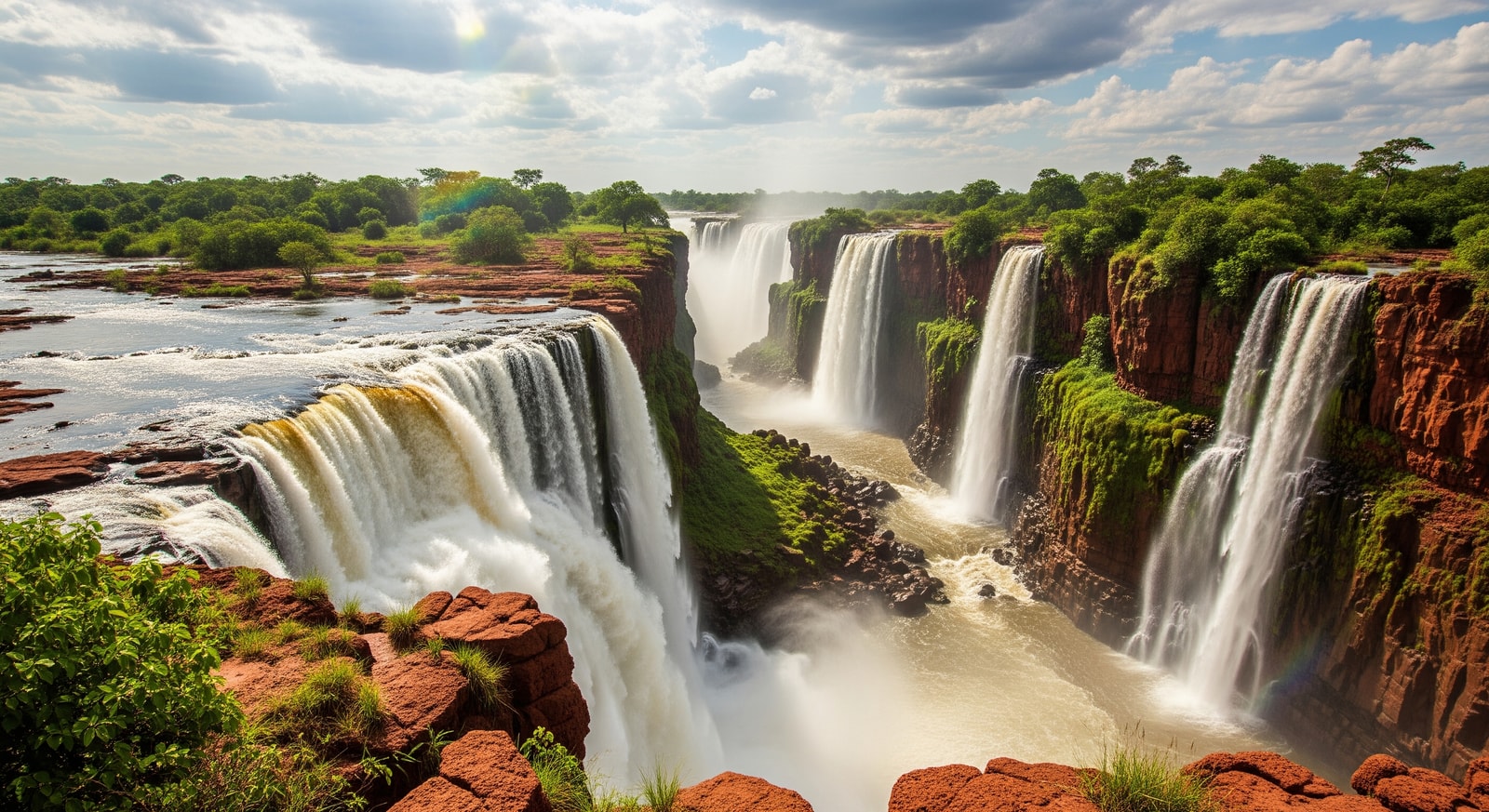
Kalandula Falls — Africa's second-largest waterfall by volume
Business & Work Visas
Business Visa
Angola's growing economy, particularly in oil, gas, mining, and construction sectors, attracts numerous business travelers. The business visa permits stays up to 30 days for commercial activities including attending meetings, exploring investment opportunities, negotiating contracts, participating in trade fairs, and conducting market research. Required documentation includes an invitation letter from an Angolan company, your company's registration documents, and a detailed business itinerary.
Work Visa
Foreign nationals seeking employment in Angola must obtain a work visa, valid for up to 12 months and renewable. This requires sponsorship from an Angolan employer who must demonstrate that the position cannot be filled by a local worker. The process involves obtaining a work permit from Angola's Ministry of Public Administration, Labour and Social Security (MAPTSS) before applying for the visa. Work visas are common in Angola's petroleum, diamond mining, construction, and telecommunications industries where specialized skills are in demand.
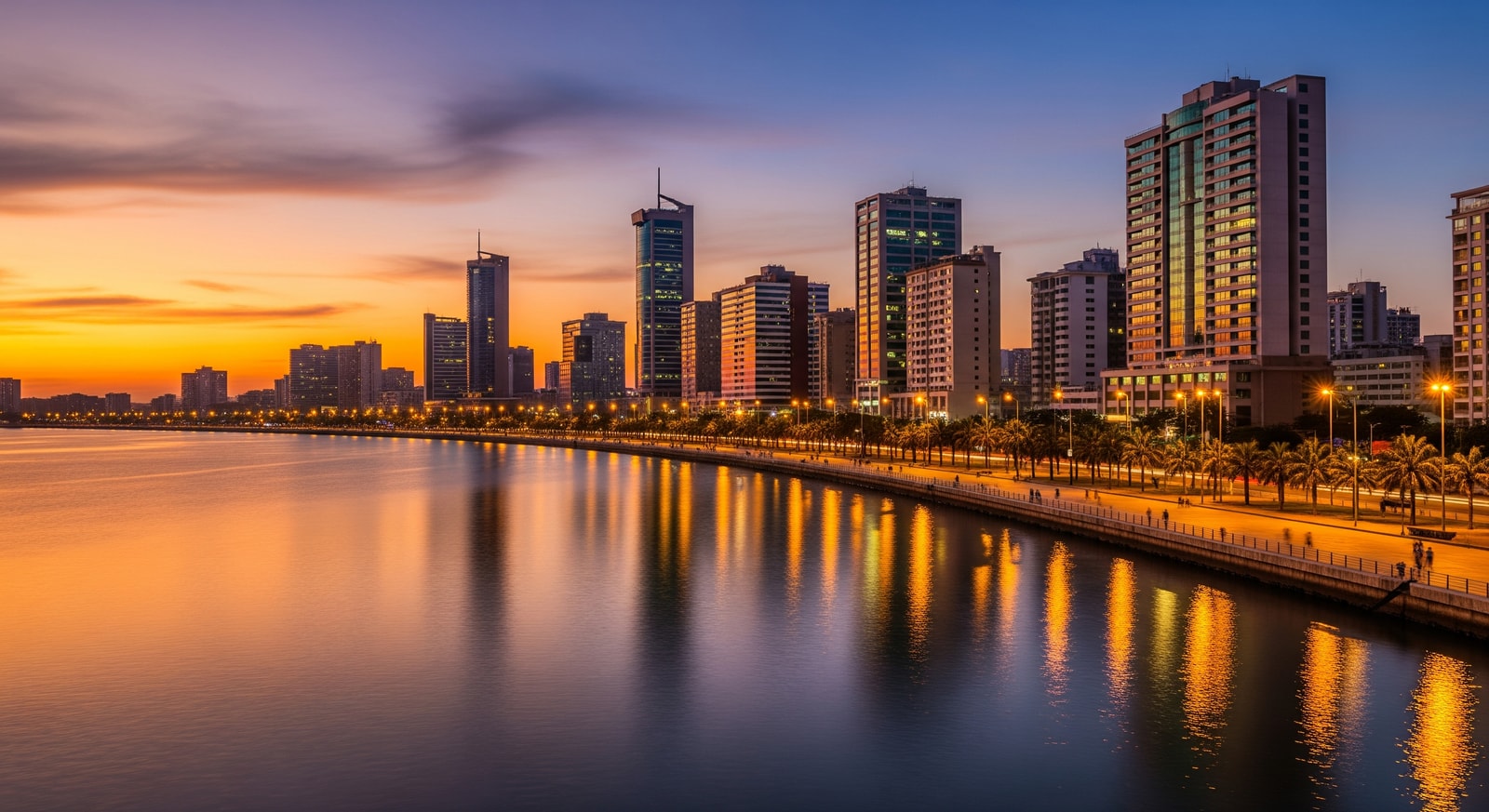
Luanda — Angola's dynamic capital and economic powerhouse
Entry Requirements
Essential Requirements
All Angola visa applicants must meet these fundamental requirements:
• Passport validity: Minimum 6 months beyond intended arrival with at least 2 blank pages for entry stamps
• Yellow fever vaccination: Mandatory for all travelers regardless of origin country. Present your International Certificate of Vaccination at immigration. The vaccination must be administered at least 10 days before arrival.
• Photograph: Recent passport-sized photo (35x45mm) with white background, taken within the last 6 months
• Proof of accommodation: Hotel reservation, rental agreement, or invitation letter from an Angolan resident
• Travel itinerary: Confirmed round-trip flight tickets
• Financial proof: Bank statements from the last 3 months demonstrating sufficient funds (typically $200 USD per day of stay)
Visa-Free Access
Citizens of certain African nations enjoy visa-free entry to Angola for short stays under SADC (Southern African Development Community) agreements. Nationals of Cape Verde, Mozambique, Namibia, South Africa, Zimbabwe, and several other African countries may enter without a visa for tourism stays up to 30-90 days depending on bilateral agreements.
Kissama National Park — Angola's premier wildlife sanctuary
Entry Points & Processing
Entry Points & Immigration
Angola visas are valid at all official entry points including:
• Airports: Quatro de Fevereiro International Airport (LAD) in Luanda is the main international gateway. Regional airports in Lubango, Benguela, Cabinda, and Catumbela also handle international arrivals.
• Land borders: Border crossings with Democratic Republic of Congo (north), Republic of Congo (Cabinda exclave), Zambia (east), Namibia (south), and Botswana (brief southern border)
• Seaports: Port of Luanda, Port of Lobito, Port of Namibe
Processing Times & Application Timing
Standard Angola visa processing takes 5-10 business days, though complex applications or peak periods may require longer. Business visas requiring company verification may take additional time. We strongly recommend applying at least 3-4 weeks before your intended travel date. Visa on arrival options exist for some nationalities at Luanda airport, but pre-arranged visas are more reliable and avoid potential entry complications.
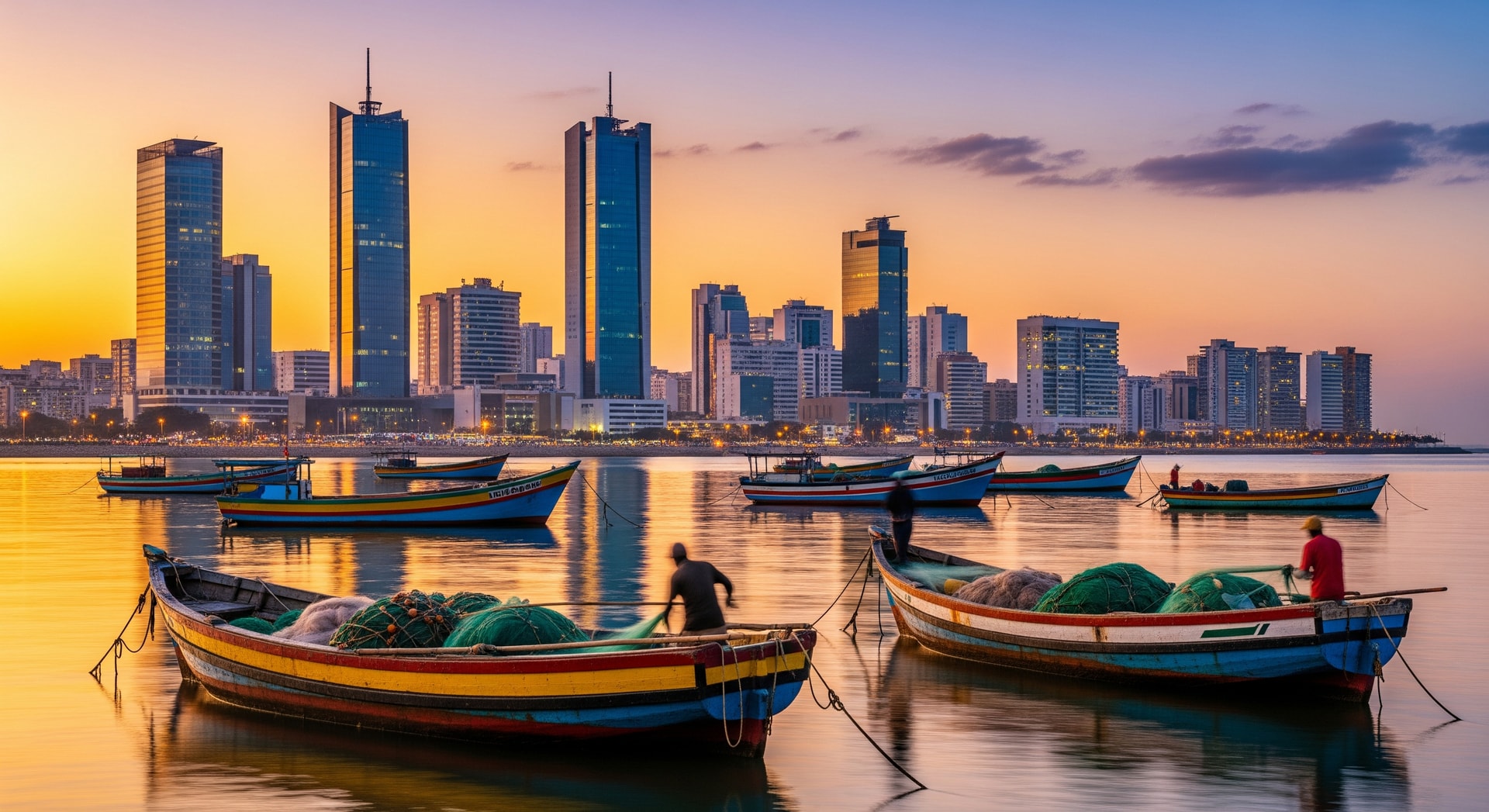
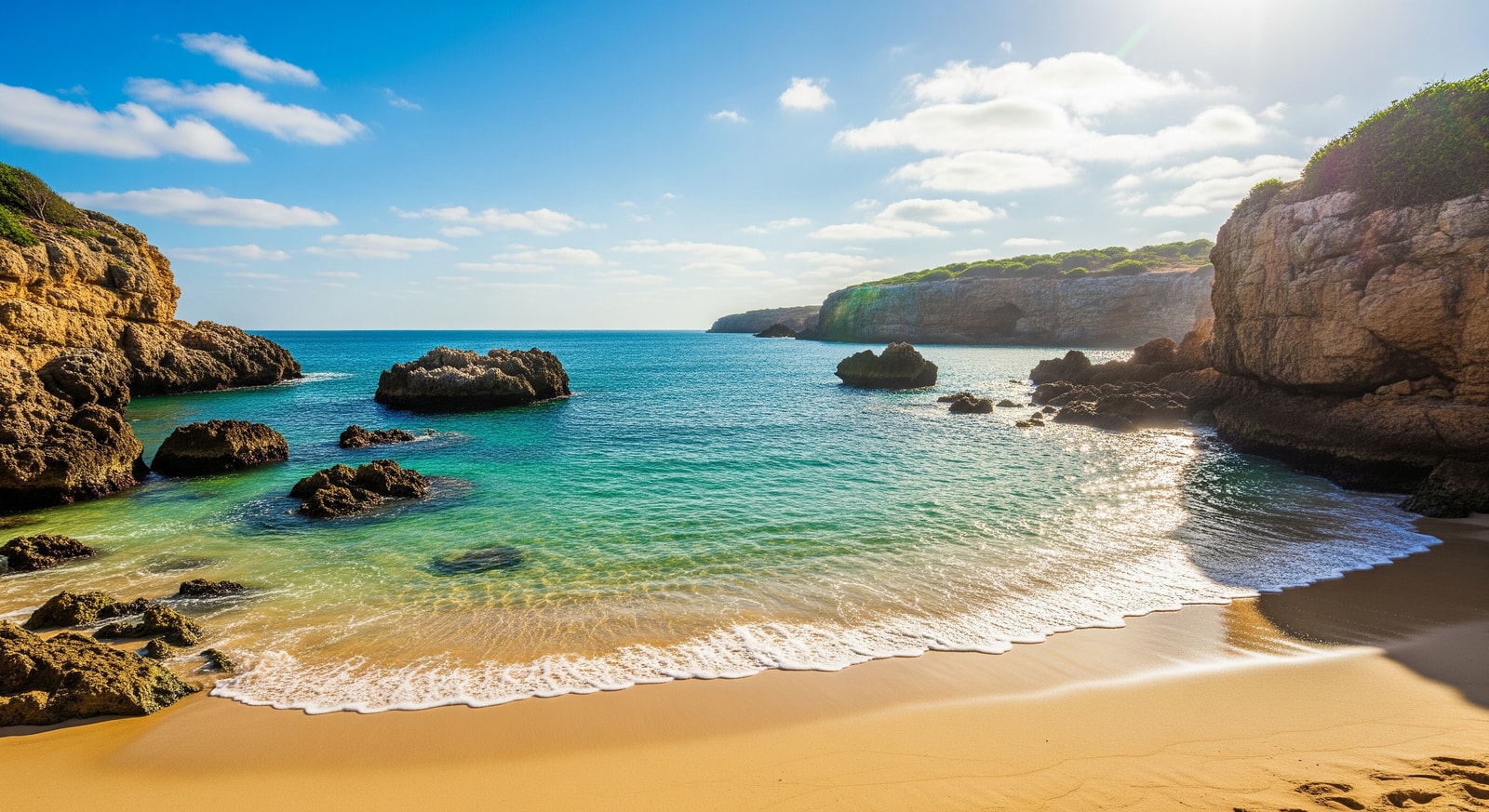
Angola's Atlantic Coast — Unspoiled beaches stretching for miles
Why Choose DoVisa?
See the difference between applying yourself vs using our expert service
Travelers to Angola rated this product 4.7 out of 5 based on 10 reviews.
4.7/ 5
Based on 10 verified reviews
Filter by rating
Carlos M.Jan 18, 2026
"Excellent service for my Angola business visa. The Portuguese-speaking support was incredibly helpful in explaining the requirements. Visa approved in 8 days!"
Jennifer K.Jan 12, 2026
"Was nervous about visiting Angola but DoVisa made the visa process straightforward. Clear instructions and my tourist visa arrived right on schedule."
Michael R.Jan 5, 2026
"Professional service throughout. The document checklist was very detailed which helped me prepare everything correctly. Would recommend for Angola visas."
Sophie L.Dec 28, 2025
"Third time using DoVisa for Angola. Always reliable and the support team responds quickly to any questions. Makes business travel so much easier."
David T.Dec 20, 2025
"Applied for a tourist visa to see Kalandula Falls. DoVisa handled everything perfectly and kept me updated throughout. Amazing trip to Angola!"
Ana P.Dec 12, 2025
"Good experience overall. Processing took about 10 days which was within the expected timeframe. The team was helpful when I had questions about the yellow fever certificate."
Robert H.Dec 5, 2025
"Oil industry worker needing frequent Angola visas. DoVisa streamlines the whole process and their business visa expertise is excellent. Highly recommend!"
Maria S.Nov 28, 2025
"Family reunion trip to Luanda was made possible by DoVisa's efficient service. They explained exactly what documents we needed for the invitation letter process."
James W.Nov 15, 2025
"Straightforward application process. Had to provide additional bank statements but the team guided me through it. Visa approved and trip was fantastic."
Patricia N.Oct 30, 2025
"First time visitor to Angola and DoVisa made it stress-free. The country exceeded my expectations and the visa process was the easy part thanks to their help!"
Carlos M.Jan 18, 2026
"Excellent service for my Angola business visa. The Portuguese-speaking support was incredibly helpful in explaining the requirements. Visa approved in 8 days!"
Jennifer K.Jan 12, 2026
"Was nervous about visiting Angola but DoVisa made the visa process straightforward. Clear instructions and my tourist visa arrived right on schedule."
Michael R.Jan 5, 2026
"Professional service throughout. The document checklist was very detailed which helped me prepare everything correctly. Would recommend for Angola visas."
Angola Visa FAQs
What types of visas are available for Angola?
Angola offers several visa categories to accommodate different travel purposes. Tourist visa allows stays up to 30 days for leisure travel, sightseeing, and visiting friends or family. Business visa permits commercial activities including meetings, contract negotiations, and exploring investment opportunities for up to 30 days. Transit visa allows stays up to 5 days for travelers passing through Angola en route to other destinations. Work visa is required for foreign nationals employed by Angolan companies, valid for up to 12 months. Student visa is for those enrolled in Angolan educational institutions. Diplomatic and official visas serve government representatives. The appropriate visa depends on your travel purpose, duration, and whether you'll engage in paid employment.
Do I need a visa to visit Angola?
Most international visitors require a visa to enter Angola. However, citizens of certain African countries enjoy visa-free access under regional agreements. Visa-free entry applies to nationals of: Cape Verde, Mozambique, Namibia, South Africa, Zimbabwe, Botswana, Mauritius, Seychelles, and Rwanda for stays typically ranging from 30-90 days depending on the bilateral agreement. SADC member states generally have more favorable entry arrangements. All other nationalities must obtain a visa before travel. Angola has introduced an e-visa system for many countries, simplifying the application process significantly. We recommend checking current requirements for your specific nationality as policies are subject to change.
What documents are required for an Angola visa application?
Essential documents for all applications: Passport valid for at least 6 months beyond arrival with minimum 2 blank pages; recent passport-sized photograph (35x45mm, white background); completed visa application form; proof of yellow fever vaccination (International Certificate of Vaccination). Tourist visa additional requirements: Hotel booking confirmation or invitation letter from Angolan resident (notarized); round-trip flight itinerary; bank statements from last 3 months showing sufficient funds; travel insurance covering Angola. Business visa additional requirements: Invitation letter from Angolan company on official letterhead; your company's registration documents; letter from employer stating purpose of visit; detailed business itinerary. Work visa requirements: Work permit approved by MAPTSS; employment contract; criminal background check; medical certificate. All documents should be clear scans in PDF or JPEG format.
Is yellow fever vaccination mandatory for Angola?
Yes, yellow fever vaccination is mandatory for all travelers to Angola, regardless of your country of origin. This is strictly enforced at all entry points. You must present your International Certificate of Vaccination or Prophylaxis (ICVP) — the yellow card — upon arrival. Important timing: The vaccination must be administered at least 10 days before your arrival in Angola to be considered valid. Validity: A single yellow fever vaccination now provides lifetime protection according to WHO guidelines, though some countries may still require proof of vaccination within 10 years. Where to get vaccinated: Visit an authorized yellow fever vaccination center or travel health clinic. Many pharmacies cannot administer this vaccine; it must be given at designated facilities. Consequences of non-compliance: Travelers without valid yellow fever certificates may be denied entry, quarantined, or required to be vaccinated on the spot. We strongly recommend getting vaccinated 2-4 weeks before travel.
How long does Angola visa processing take?
Angola visa processing times vary based on visa type and application completeness. Standard processing: Tourist visas typically take 5-10 business days. Business visas may require 7-14 business days due to additional company verification. Work visas involve a longer process of 4-8 weeks as they require prior work permit approval. Factors affecting processing time: Application completeness — missing documents cause delays; time of year — holiday periods may slow processing; consular workload; additional verification requirements. Expedited processing: Some consulates offer faster processing for urgent travel at additional cost. Recommendations: Apply at least 3-4 weeks before your intended travel date; ensure all documents are complete and accurate; respond promptly to any requests for additional information. DoVisa's pre-submission review helps identify potential issues before they cause delays.
Can I extend my Angola visa once I arrive?
Yes, Angola tourist visas can typically be extended once for an additional 30 days, giving a maximum total stay of 60 days. Where to apply: SME (Serviço de Migração e Estrangeiros) offices in Luanda or provincial capitals. The main immigration office is located in central Luanda. Requirements for extension: Valid passport; current visa not yet expired; completed extension application form; passport photographs; proof of sufficient funds for extended stay; proof of accommodation; extension fee payment. Processing time: Extensions typically take 3-7 business days. Important considerations: Apply before your current visa expires — overstaying is a serious offense with fines and potential deportation. Extensions are not guaranteed and are granted at immigration discretion. Business visas: May also be extended but often require updated invitation letters from the sponsoring Angolan company. For stays beyond 60 days, you may need to exit and reapply for a new visa.
Can I work in Angola with a tourist visa?
No, working in Angola with a tourist visa is strictly prohibited and can result in serious consequences. Tourist visas permit only leisure activities including tourism, sightseeing, visiting friends and family, attending non-commercial events, and short-term language courses. Business visas allow commercial activities like meetings, negotiations, and market research but do not permit paid employment or receiving salary from an Angolan entity. Legal employment requirements: To work legally in Angola, you need a valid work permit from MAPTSS (Ministry of Public Administration, Labour and Social Security) and a work visa. The employer must sponsor your application and demonstrate the position cannot be filled by an Angolan worker. Penalties for illegal work: Working without proper authorization risks fines, detention, deportation, and future visa bans. Angola actively enforces employment regulations, particularly in the oil, gas, and mining sectors. Volunteering: Even unpaid work typically requires proper authorization — consult with immigration authorities before engaging in volunteer activities.
What are Angola's main entry points?
Angola accepts visa holders at multiple official entry points. Airports: Quatro de Fevereiro International Airport (LAD) in Luanda is the primary international gateway, handling most international flights. Other airports with international service include Catumbela Airport (CBT) near Benguela, Lubango Mukanka Airport (SDD), and Cabinda Airport (CAB). Land borders: Angola shares borders with Democratic Republic of Congo (north and northeast), Republic of Congo (Cabinda exclave), Zambia (east), Namibia (south), and a brief border with Botswana (south). Major land crossings include Santa Clara (Namibia border), Luau (Zambia border), and various crossings with DRC. Seaports: The Port of Luanda is the main maritime entry point. Lobito and Namibe also serve as official ports of entry. Important note: Ensure your visa specifies the correct entry point type (air, land, or sea) as some visas may have restrictions. For overland travel, verify current border crossing conditions as some areas have limited infrastructure.
What is the best time to visit Angola?
Angola has two distinct seasons influencing travel conditions. Dry season (May-October): This is the best time for most visitors. Cooler temperatures (especially June-August), minimal rainfall, better road conditions for travel outside major cities, and optimal wildlife viewing as animals congregate around water sources. Ideal for visiting national parks, beaches, and the interior. Wet season (November-April): Hot and humid with regular afternoon thunderstorms. Lush green landscapes and spectacular waterfalls at peak flow (Kalandula Falls is most impressive December-May). Some rural roads become impassable. Higher malaria risk. Regional variations: The coastal strip around Luanda and Benguela has milder weather year-round due to the cold Benguela Current. The northern tropical regions are warmer and wetter. The southern plateau around Lubango enjoys pleasant temperatures. Specific recommendations: Visit Kalandula Falls during or just after the rainy season for maximum water volume. Wildlife watching in Kissama National Park is best during the dry season. Beach destinations are enjoyable year-round.
Is Angola safe for tourists?
Angola is generally safe for tourists in main cities and tourist areas, though standard precautions apply. Safe areas: Luanda (main tourist and business districts), Benguela, Lobito, Namibe, and established tourist destinations like Kissama National Park. These areas have adequate security infrastructure. Areas requiring caution: Some rural areas, particularly near the borders with DRC and Zambia, may have security concerns. The Cabinda exclave has occasional separatist activity. Some neighborhoods in large cities have higher crime rates. Practical safety advice: Use reputable tour operators; avoid displaying valuable items; don't walk alone at night in unfamiliar areas; use registered taxis or hotel transportation; keep copies of important documents separate from originals; register with your embassy. Health considerations: Yellow fever vaccination is mandatory. Malaria prophylaxis is strongly recommended. Drink bottled water only. Ensure comprehensive travel insurance including medical evacuation coverage. Landmines: While significant demining progress has been made, unexploded ordnance remains in some rural areas — stick to established paths and roads outside cities.
What currency should I bring to Angola?
Angola's official currency is the Angolan Kwanza (AOA). Currency recommendations: Bring US Dollars or Euros for exchange — these are the most widely accepted foreign currencies. New, undamaged bills in larger denominations (50s, 100s) get better exchange rates. Notes from 2006 or later are preferred. Exchange options: Banks, authorized exchange bureaus (casas de câmbio), and major hotels offer currency exchange. Avoid unofficial street exchangers despite potentially better rates — it's illegal and risky. Card acceptance: Credit and debit cards (Visa, Mastercard) are accepted at major hotels, upscale restaurants, and larger shops in Luanda and provincial capitals. Card acceptance is limited outside main urban areas. Many establishments experience connectivity issues. ATMs: Available in cities but may have withdrawal limits and sometimes run out of cash. International cards work at some ATMs but not all. Carry sufficient cash, especially when traveling outside Luanda. Costs: Angola is relatively expensive compared to other African destinations. Budget $150-300 USD per day for comfortable travel. Business hotels in Luanda can exceed $200/night.
Do I need to print my Angola visa?
Yes, you should print your Angola visa approval and carry it throughout your journey. What to print: Your visa approval letter or e-visa confirmation on standard A4 paper in color if possible. Ensure all text and any QR codes or barcodes are clearly legible. When to present: At airline check-in (airlines may verify visa status before boarding); at Angolan immigration upon arrival; potentially at hotel check-in for registration purposes; when exchanging currency at banks (ID verification). Additional recommendations: Carry multiple copies — keep one with your passport and others in separate locations; save a digital copy on your phone as backup; ensure your passport number on the visa matches your travel passport exactly. Electronic verification: While immigration officers can verify your visa status electronically, having printed documentation prevents delays if systems are temporarily unavailable. Return travel: Keep your printed visa for the duration of your stay as you may need to present it when departing Angola.
What happens if my Angola visa application is rejected?
Angola visa rejections can occur, though they're relatively uncommon for properly prepared applications. Common rejection reasons: Incomplete documentation; passport validity issues; unclear photographs; missing yellow fever certificate; insufficient proof of funds; questionable invitation letter authenticity; previous immigration violations; concerns about purpose of visit. If rejected: You'll receive notification of the unsuccessful application. Angolan authorities may not provide detailed rejection reasons. Next steps: Review your application for potential issues; address any identified deficiencies; you can reapply with improved documentation — there's no mandatory waiting period. Fresh applications are considered on their own merit. Appeals: Formal appeals processes are limited, but you may contact the Angolan embassy or consulate for clarification on rejection reasons. Prevention strategies: Ensure all documents are complete, authentic, and clearly scanned; verify invitation letter details match your application; provide comprehensive financial evidence; apply well in advance of travel dates. DoVisa guarantee: If your rejection results from our processing error, we provide a full refund of service fees and complimentary reapplication assistance.
What languages are spoken in Angola?
Portuguese is the official language of Angola and is used in government, business, education, and media. It's the primary language for most urban residents, making Angola one of the world's largest Portuguese-speaking nations. National languages: Angola recognizes several Bantu languages as national languages including Umbundu (spoken by about 25% of the population, predominantly in the central highlands), Kimbundu (spoken around Luanda and the northwest), Kikongo (northern regions and Cabinda), Chokwe (eastern provinces), and several others. Communication for tourists: In Luanda and major cities, Portuguese is universally understood. Some professionals in tourism, business, and oil industries speak English, but it's not widespread. French speakers may find some common ground due to proximity to francophone countries. Practical tips: Learn basic Portuguese phrases — it's greatly appreciated; translation apps are helpful; consider a Portuguese-speaking guide for travel outside Luanda; hotel staff at international hotels typically speak some English. DoVisa offers Portuguese-speaking customer support to assist with your visa application.
Can I visit Angola for medical tourism?
Angola is not typically a medical tourism destination. Most travelers visit for business, tourism, or family reasons. Healthcare infrastructure: While Luanda has several private clinics and hospitals that serve expatriates and business travelers, Angola's healthcare system is still developing. Medical facilities outside the capital are limited. Medical emergencies: For serious medical issues, evacuation to South Africa, Portugal, or other countries with advanced medical facilities is often recommended. Comprehensive travel insurance with medical evacuation coverage is essential. Health precautions for visitors: Yellow fever vaccination is mandatory. Malaria prophylaxis is strongly recommended — consult a travel health specialist before departure. Hepatitis A and B, typhoid, and tetanus vaccinations are advised. Drink only bottled or purified water. Prescription medications: Bring sufficient supplies of any required medications as specific drugs may not be available locally. Carry prescriptions and a doctor's letter explaining medical needs. For medical treatment needs: If you require medical attention during your visit, private clinics in Luanda offer the best care. Your travel insurance provider can direct you to approved facilities.




 With DoVisa