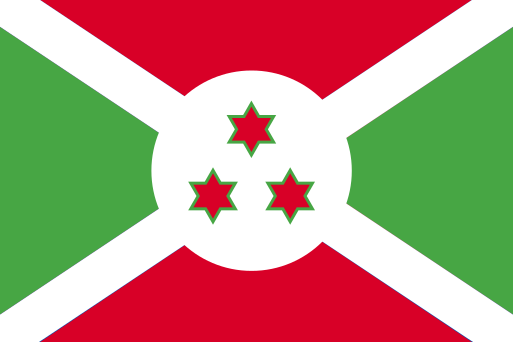
Certified French & Kirundi Document Translation for Burundi
Professional certified translations of Burundian vital records, legal documents, and academic credentials. Accepted by USCIS, IRCC, and international authorities. Apostille coordination through the Direction Générale du Protocole et des Privilèges Diplomatiques.
TrustpilotSelect Languages
Drag & drop your documents here
or
PDF, JPEG, PNG, WebP — Max 10MB per file. Word documents: please save as PDF first.
Certified translators · Accepted by governments, courts & universities worldwide · View sample
Select a destination country to view pricing
How Burundi Certified Translation Works
Submit Your Documents Securely
Upload clear scans of your Burundian documents through our encrypted portal. We accept PDF, JPEG, and PNG formats. Our intake specialists review each upload for legibility and completeness, ensuring birth certificates from local communes, national identity cards, and academic transcripts from Université du Burundi are camera-ready for translation from French or Kirundi to your target language.
Translator Assignment
Your documents are matched with a certified translator experienced in French and Kirundi legal terminology and Burundian administrative conventions. Translators understand the bilingual civil law system, the structure of Burundian actes d'état civil (vital records), and the formatting of documents issued by the Ministère de la Justice and local administrative authorities in both French and Kirundi.
Translation & Certification
The translator produces your certified translation and affixes their official stamp and signature. Each translation includes a certification statement attesting to accuracy and completeness. For documents requiring apostille, we coordinate authentication through the Direction Générale du Protocole et des Privilèges Diplomatiques at the Ministry of Foreign Affairs in Gitega, the competent authority under the Hague Convention since Burundi's accession in 2015.
Delivery with Full Certification
Receive your certified translation as a high-resolution PDF by email, with the original hard copy and apostille (if requested) shipped via tracked courier. Translations are accepted by USCIS for US immigration, IRCC for Canadian permanent residency, the UK Home Office, and credential evaluation agencies. Average delivery time: 5-7 business days for standard processing, 24-48 hours for rush service, plus 10-15 business days for apostille coordination.
Burundi Translation Service Specifications
Popular Language Pairs
We support all languages — 100+ language pairs available for Burundi documents.
Common Documents
- Birth certificates (Acte de Naissance / Inyandiko y'Amavuko)
- Marriage certificates (Acte de Mariage / Inyandiko y'Ubukwe)
- Death certificates (Acte de Décès)
- Divorce decrees (Jugement de Divorce)
- National identity cards (Carte Nationale d'Identité)
- Police clearance certificates (Extrait de Casier Judiciaire)
- Université du Burundi transcripts and diplomas
- Secondary school certificates (Diplôme d'État)
- Court judgments and legal orders
- Notarized documents and affidavits
- Property titles and land records
- Business incorporation documents
Turnaround Time
Certification Details
Burundi Translation Requirements & Regulatory Framework
Embassy Acceptance
Notarization Process
Apostille Information
Legal Framework
Common Scenarios for Burundi Document Translation
US Immigration & Refugee Resettlement
Burundian citizens and refugees applying for US immigrant visas, asylum, or permanent residency through family sponsorship require certified English translations of birth certificates, marriage certificates, police clearances, and academic diplomas. USCIS and the National Visa Center accept our certified translations for consular processing, adjustment of status applications, and refugee family reunification petitions.
Canadian Permanent Residency & Francophone Immigration
Express Entry, Provincial Nominee Programs, and Quebec francophone immigration require certified translations of Burundian vital records and educational documents. IRCC recognizes our certified translations for language proficiency documentation (French TEF scores), Educational Credential Assessment (ECA) submissions to WES or IQAS, and proof of marital status. Burundian French speakers benefit from francophone immigration pathways.
European Immigration (with Apostille Limitations)
Burundian nationals applying for work permits, student visas, or asylum in European countries need certified translations of birth certificates, marriage certificates, and academic credentials. For Belgium, France, Netherlands, and most EU countries, Burundian apostilles are recognized. However, for Germany, Austria, Czech Republic, and Poland, consular legalization is required due to their objections to Burundi's Hague Convention accession.
Academic Credential Evaluation
Université du Burundi graduates and Diplôme d'État holders applying to foreign universities or professional licensing boards require certified translations of diplomas, transcripts, and examination certificates. Our translations are accepted by WES, IQAS, ECE, and university admissions offices in the US, Canada, UK, Australia, and Europe for academic credit transfer and degree recognition.
East African Community Migration
Burundians exercising free movement rights within the East African Community (Kenya, Tanzania, Uganda, Rwanda, South Sudan, DRC) need certified translations of identity documents, academic credentials, and professional licenses. Our translations facilitate regional migration, cross-border employment, and educational exchange within the EAC framework.
Burundi's Bilingual Heritage: French and Kirundi
Burundi is officially bilingual, with both French and Kirundi recognized as national languages in the constitution. This linguistic duality reflects the country's complex colonial history under German rule (1885-1916), Belgian administration (1916-1962), and post-independence nation-building efforts to balance international communication with cultural identity.
Kirundi (also spelled Rundi) is a Bantu language spoken by nearly 100% of Burundi's population, making it one of the most linguistically homogeneous countries in Africa. Kirundi is closely related to Kinyarwanda (spoken in Rwanda) and shares grammatical features including noun classes, agglutinative morphology, and tonal distinctions. The language uses Latin script with no special diacritics, making it relatively accessible for translation compared to some African languages.
French is the primary language of government, legal proceedings, higher education, and international relations. Most official documents including birth certificates, marriage certificates, court judgments, and university diplomas are issued in French, following Belgian colonial administrative conventions. However, some civil documents may include Kirundi translations or annotations, particularly in rural communes where Kirundi is the primary language of local administrators and residents.
Our translators are experienced in both French legal terminology and Kirundi linguistic structures, ensuring accurate representation of bilingual Burundian documents for international authorities. This is particularly important for documents with bilingual content such as marriage certificates that include Kirundi names, birth certificates with Kirundi place names, or notarized affidavits that blend French legal language with Kirundi narrative elements.
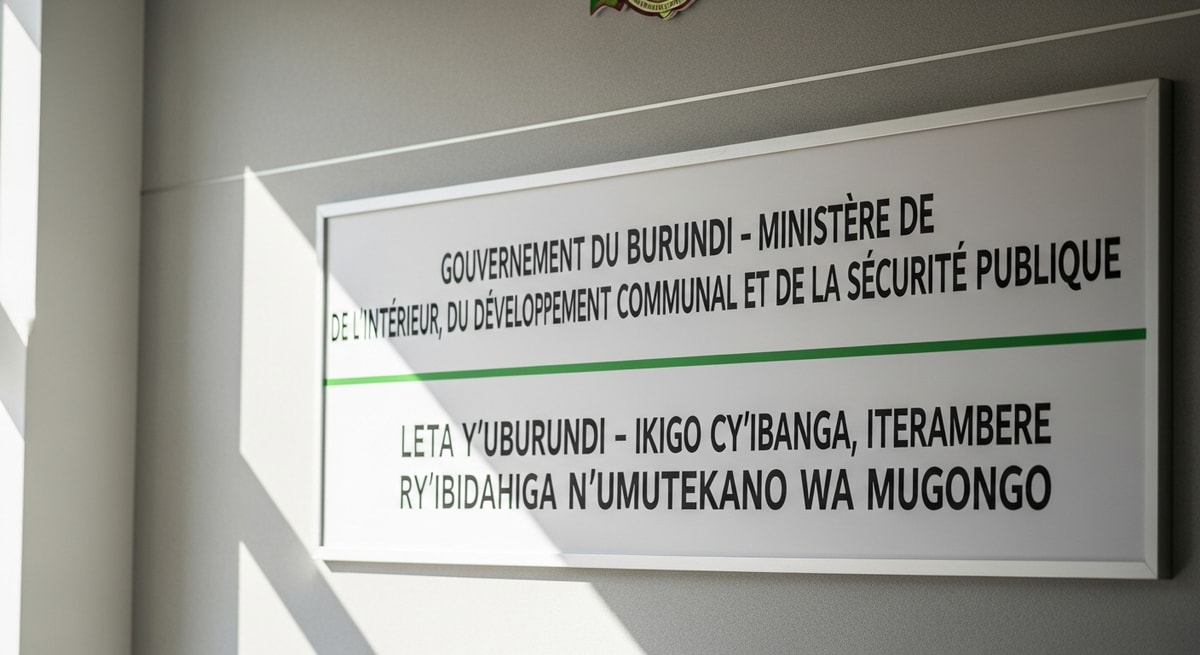
Burundi's bilingual documentation uses both French and Kirundi
Apostille with Limitations: The Four Objecting Countries
Burundi's accession to the Hague Apostille Convention on September 29, 2015, marked an important step in facilitating international document recognition. However, Burundi's membership came with a significant caveat: four countries filed formal objections to Burundi's accession under Article 12 of the Convention, which allows existing members to refuse recognition of new members' apostilles.
The objecting countries are Germany, Austria, Czech Republic, and Poland. These objections mean that Burundian apostilles have no legal effect in these four countries. Documents intended for submission to German authorities (such as the Ausländerbehörde for immigration), Austrian authorities, Czech institutions, or Polish agencies must undergo traditional consular legalization: authentication by Burundi's Ministry of Foreign Affairs followed by legalization at the German, Austrian, Czech, or Polish embassy (typically in Bujumbura, Nairobi, or Kampala).
For all other Hague Convention member countries — including the United States, Canada, United Kingdom, Australia, France, Belgium, Netherlands, Italy, Spain, and over 110 others — Burundian apostilles are fully recognized and accepted. The objections are specific to the four countries listed above and do not affect Burundi's standing with other Convention members.
DoVisa coordinates apostille services for clients submitting documents to countries that recognize Burundian apostilles, and we can arrange consular legalization for the four objecting countries when required. We advise clients on the appropriate authentication method based on their destination country to ensure documents are properly accepted.
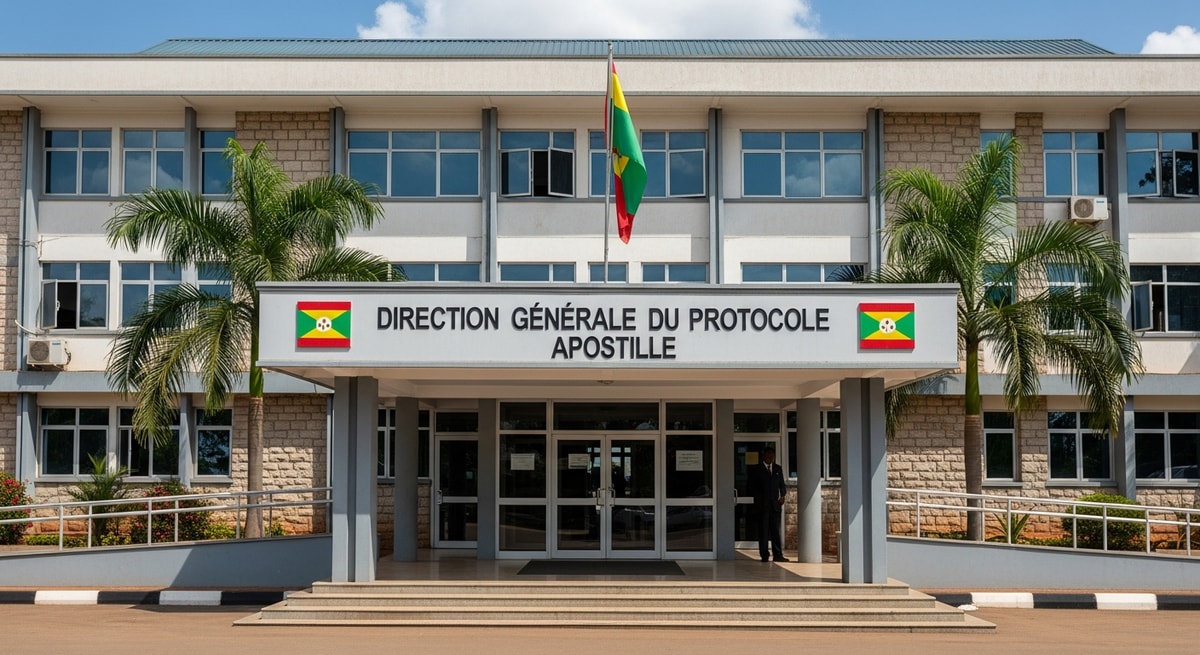
Burundian apostilles recognized by most countries with four exceptions
East African Community Integration and Regional Migration
Burundi joined the East African Community (EAC) in 2007, becoming the fifth member alongside Kenya, Tanzania, Uganda, and Rwanda (South Sudan joined in 2016, and the Democratic Republic of Congo in 2022). The EAC is one of Africa's most integrated regional economic communities, with a common market, customs union, and long-term plans for a monetary union and political federation.
EAC membership has significant implications for document recognition and migration. The EAC Common Market Protocol guarantees free movement of people, labor, goods, services, and capital among member states. Burundian citizens can live, work, study, and establish businesses in Kenya, Tanzania, Uganda, Rwanda, South Sudan, and DRC with reduced bureaucratic barriers. Educational credentials issued by accredited universities in any EAC member state are recognized across the region through the Inter-University Council for East Africa.
For translation purposes, Burundian documents submitted within the EAC typically require less authentication than for non-EAC destinations. Many EAC countries accept certified translations without apostille or consular legalization for purposes such as employment, university admission, or professional licensing. However, formal immigration applications (permanent residency, citizenship) may still require full authentication depending on the specific country's requirements.
Our translators understand EAC regional conventions and can advise on appropriate authentication levels for intra-EAC document use. We also translate documents from other EAC countries (Kenya, Tanzania, Uganda, Rwanda) for submission to Burundian authorities, facilitating bidirectional regional migration and academic exchange.
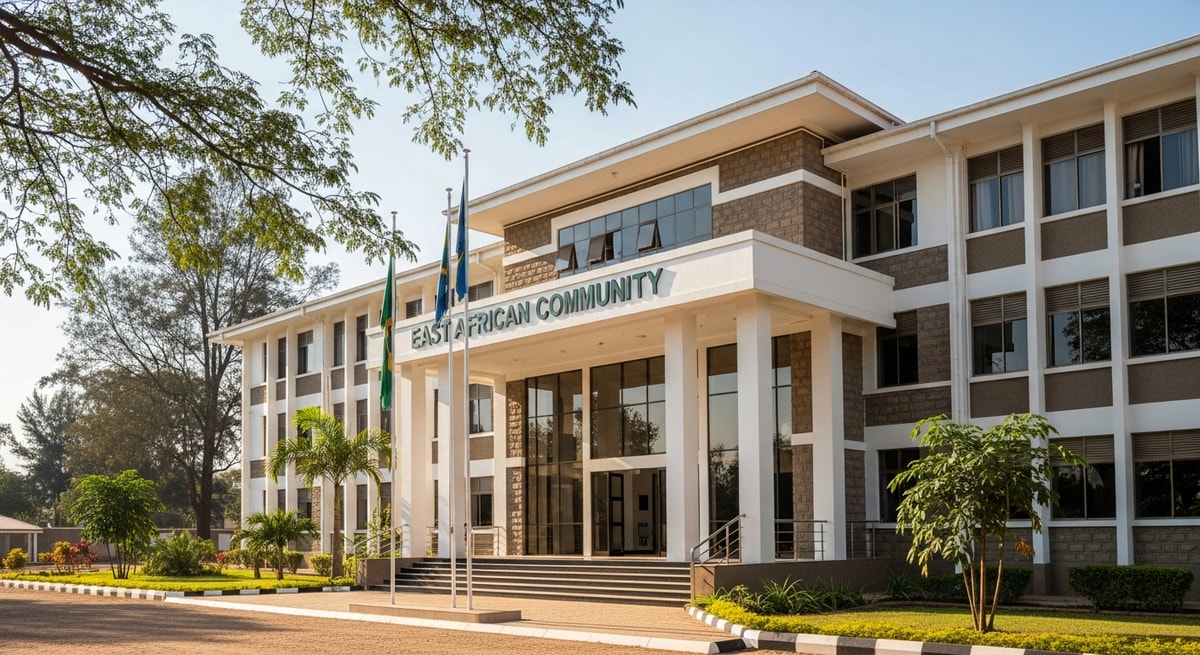
EAC membership facilitates regional document recognition
"Needed my Burundi birth certificate translated from French to English for US refugee resettlement. DoVisa delivered a perfect certified translation that USCIS accepted without any issues. Very professional service during a difficult time."
"Excellent work translating my Université du Burundi diploma for Canadian immigration. WES accepted the translation for my ECA and I received full credential recognition. The translator understood the Burundian academic system perfectly."
"Good service overall. Translated my marriage certificate for Belgium visa application. The translation was accurate and included proper certification. DoVisa also coordinated the apostille which Belgium accepted. Processing took about 2 weeks total."
"I needed urgent translation of my police clearance (Extrait de Casier Judiciaire) for a job in Canada. DoVisa processed it in 48 hours with rush service. IRCC accepted the certified translation for my work permit application. Highly recommend!"
"Translation quality was very good but there was initial confusion about the apostille not being accepted in Germany where I was applying. Support explained the objection issue and arranged consular legalization instead. Final authentication worked perfectly."
"DoVisa translated my Diplôme d'État certificate for university admission in the US. The translation clearly explained the Burundian secondary school system and included all my exam subjects. The university admissions office accepted it without questions."
"Very professional service. Translated multiple family documents including birth certificates in both French and Kirundi for Canadian family sponsorship. All translations were accepted by IRCC. The bilingual handling was impressive."
"Good experience overall. Translated my birth certificate for asylum application in the UK. The translation was thorough and UK Home Office accepted it. Processing time was as promised and communication was clear throughout."
"Needed my court judgment translated for international custody case. DoVisa's translator was clearly experienced in French legal terminology and Burundian civil law. The translation preserved all the legal nuances perfectly."
"Translated my university transcripts from French to English for graduate school in Australia. The translation was extremely detailed and the university accepted it without requesting additional information. Excellent service."
"Very good service for my national identity card translation. I needed it for work permit in Kenya (EAC). The translation included all the details clearly and the Kenyan authorities accepted it. Processing took the full week but quality was excellent."
"Outstanding service for my marriage certificate translation. I needed it for spousal sponsorship to Canada and IRCC accepted it immediately. DoVisa handled both the French legal terms and Kirundi names perfectly. Very satisfied!"
"Needed my Burundi birth certificate translated from French to English for US refugee resettlement. DoVisa delivered a perfect certified translation that USCIS accepted without any issues. Very professional service during a difficult time."
"Excellent work translating my Université du Burundi diploma for Canadian immigration. WES accepted the translation for my ECA and I received full credential recognition. The translator understood the Burundian academic system perfectly."
"Good service overall. Translated my marriage certificate for Belgium visa application. The translation was accurate and included proper certification. DoVisa also coordinated the apostille which Belgium accepted. Processing took about 2 weeks total."
Burundi Document Translation FAQs
What types of Burundian documents can be translated?
Can you translate documents in Kirundi?
Are your translations of Burundian documents certified?
How long does it take to translate Burundi documents?
What languages do you translate Burundi documents to and from?
Will my translated Burundi documents be accepted for US immigration?
Can Burundi documents receive an apostille?
Why don't Germany, Austria, Czech Republic, and Poland accept Burundian apostilles?
How much does certified translation of Burundi documents cost?
What format will I receive my translated Burundi documents in?
Can you translate Université du Burundi academic documents?
Do you translate documents for East African Community migration?
What is an Extrait de Casier Judiciaire and do I need it translated?
Can you help with refugee and asylum document translation?
Do you serve the Burundian diaspora abroad?
Get Your Burundi Documents Translated Today
Professional certified translations accepted by USCIS, IRCC, and international authorities