Vietnam ethnic heritage takes center stage during Tet 2026 at the Vietnam National Village for Ethnic Culture and Tourism, showcasing living traditions and community-led cultural diplomacy.
Summary: During Tet 2026 the Vietnam National Village for Ethnic Culture and Tourism showcased living traditions from communities such as the Muong and Thai, highlighted regional dishes like ga mo, and reinforced cultural diplomacy after welcoming nearly 1 million visitors in 2025.
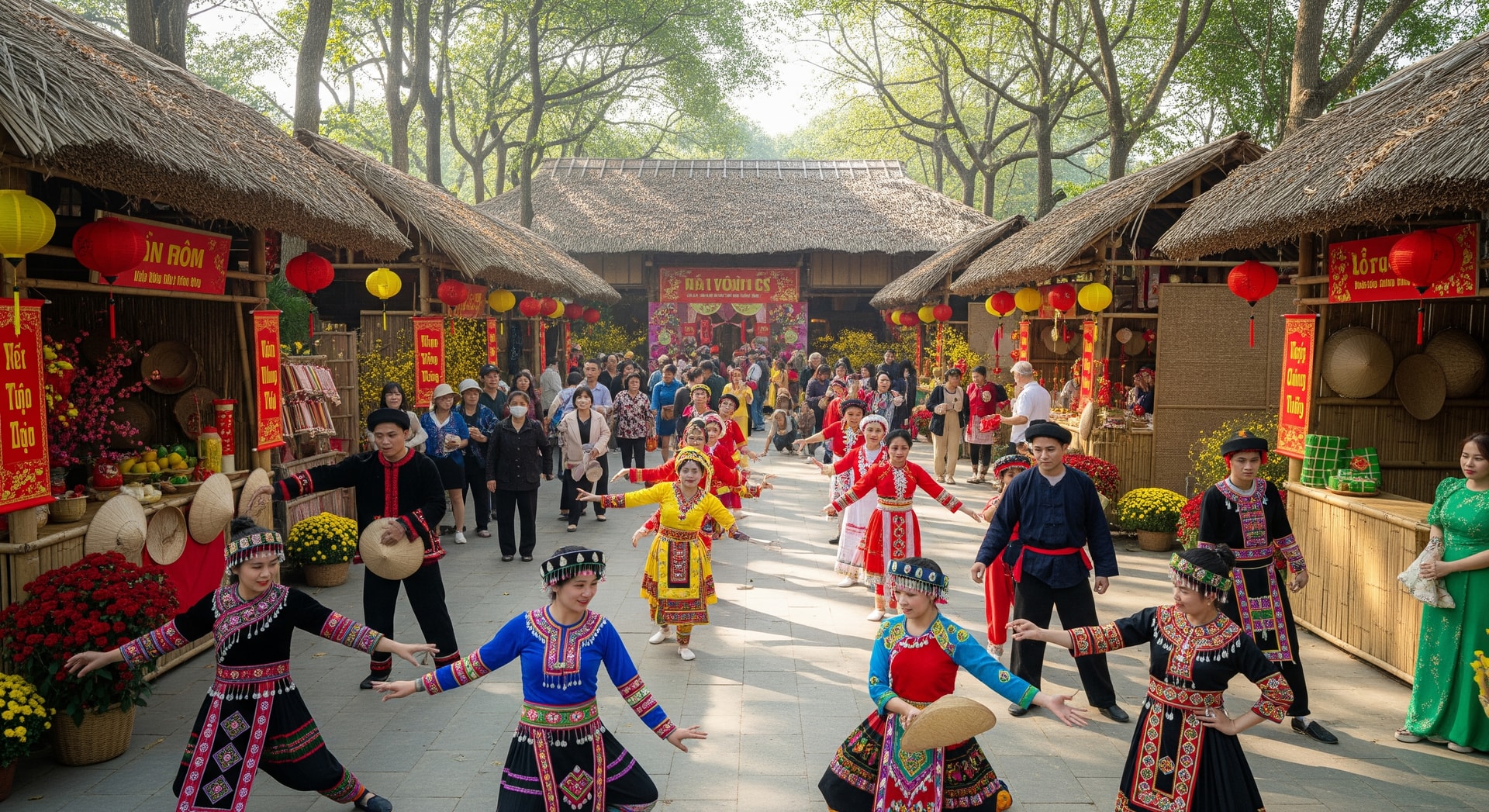
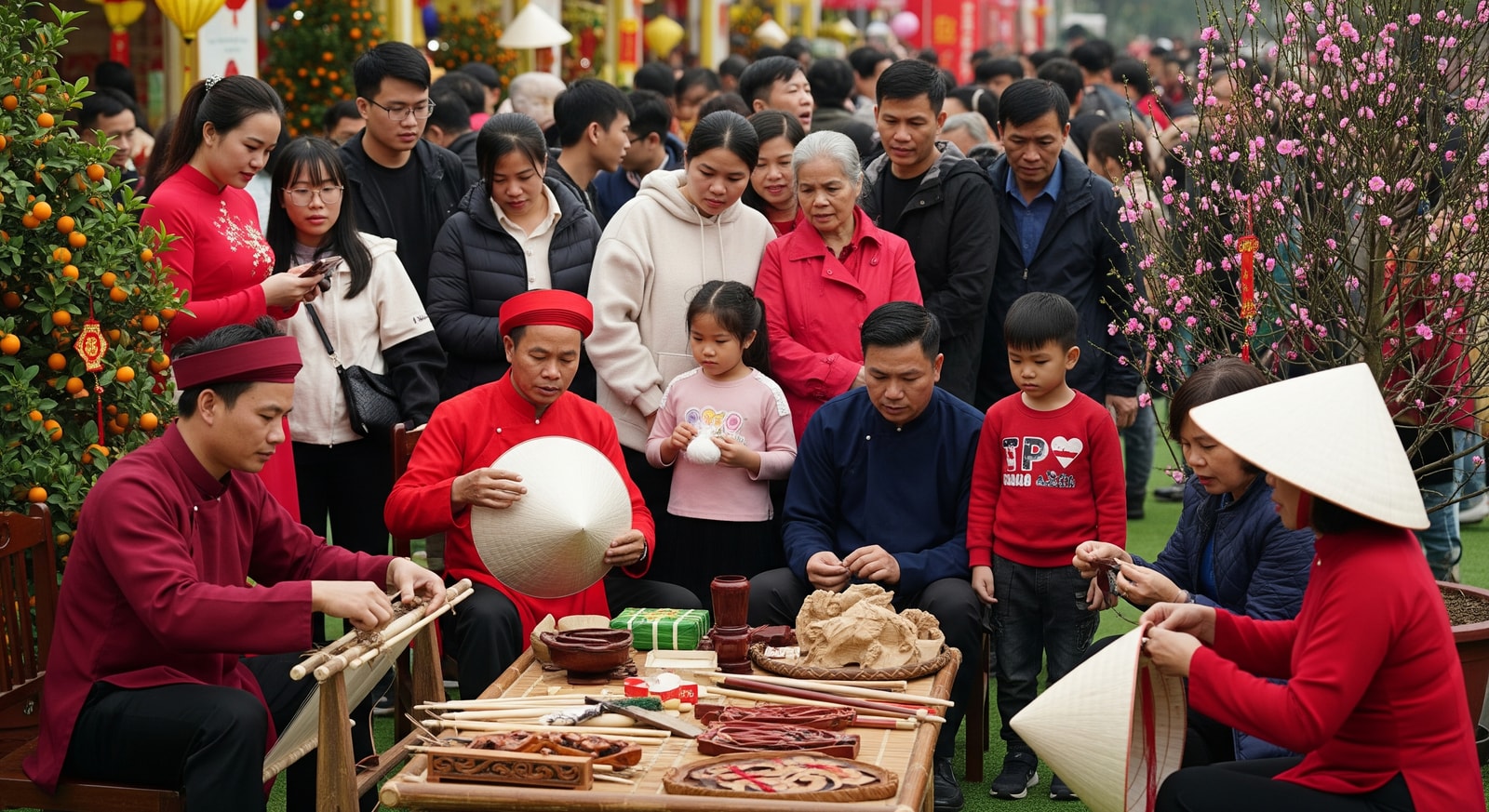
On the morning of February 14, 2026, the Vietnam National Village for Ethnic Culture and Tourism filled with the sights, smells and sounds of Tet. The site presented more than staged displays: it offered participatory encounters that put Vietnam's ethnic heritage at the forefront of the Lunar New Year celebrations.
A Living Morning with Muong and Thai Communities
The itinerary began in the Muong village, where early kitchen smoke rose from stilt houses as families performed the kitchen spirit worship ritual—a practice central to the community’s Tet observances. Nearby, representatives of the Thai community from Moc Chau in Son La Province prepared their signature Tet dishes, turning culinary practice into cultural storytelling.
A highlight was the northern hill dish ga mo, presented by artisan Lo Thi Tom, who has safeguarded these methods for nearly nine years. The recipe uses regional ingredients—banana blossom, the peppery ‘mac khen’ (Zanthoxylum rhetsa), ‘doi’ seeds and fresh mustard greens—each element linking the plate to a particular landscape and history.
“The chicken is wrapped in ‘dong’ leaves or banana leaves and steamed for about one hour until it reaches a perfect softness,” Lo Thi Tom shares while skillfully demonstrating the craft to mesmerized visitors.
Tables at the village were also laid with Chung cake, grilled fish, five-colour sticky rice and smoked buffalo meat—offering visitors a chance to taste a range of Tet foods beyond visual exhibits.
From Display to Dialogue
Organizers emphasized interaction over passive observation. Visitors were invited to sit by the fire, listen to elders’ stories and engage directly with artisans such as Meritorious Artisan Bui Thanh Binh. These conversations are intended to turn short visits into meaningful exchanges that support cultural continuity.
Trinh Ngoc Chung, Head of the Department of Culture of Vietnamese Ethnic Groups, says the Village aims to recreate traditional life authentically so artisans feel their heritage is respected and sustained for future generations.
Sustainable Tourism and Skills Transfer
The village’s living-museum model appears to be producing results. In 2025 nearly 1 million people visited the site, and the visitor mix—44% pupils and students and nearly 20% international tourists—illustrates both domestic educational impact and growing international interest.
- 2025 visitors: nearly 1 million
- 44% of visitors were pupils and students
- Nearly 20% were international tourists
- More than 15 training courses on community-based tourism delivered
Those training courses teach artisans how to present traditions and host guests, turning cultural knowledge into sustainable livelihoods that artisans then carry back to their home provinces.
Cultural Diplomacy Beyond Hanoi
During Tet 2026 the Village functioned as a focal point for wider national events—from the Spring Flower Festival in Ho Chi Minh City to Spring Calligraphy at the Temple of Literature—illustrating how traditional customs are being mobilized as tools of cultural diplomacy.
As the Year of the Horse celebrations continue, the Vietnam National Village for Ethnic Culture and Tourism demonstrates how living culture—marked by kitchen smoke, regional spices and intergenerational storytelling—can be adapted to the present without losing its essence.
Why this matters: For travelers and the tourism industry, the Village model signals more immersive, educational experiences that support local communities. Travelers gain authentic encounters rather than passive observations, while artisans receive training and income that strengthen cultural continuity.
Sources