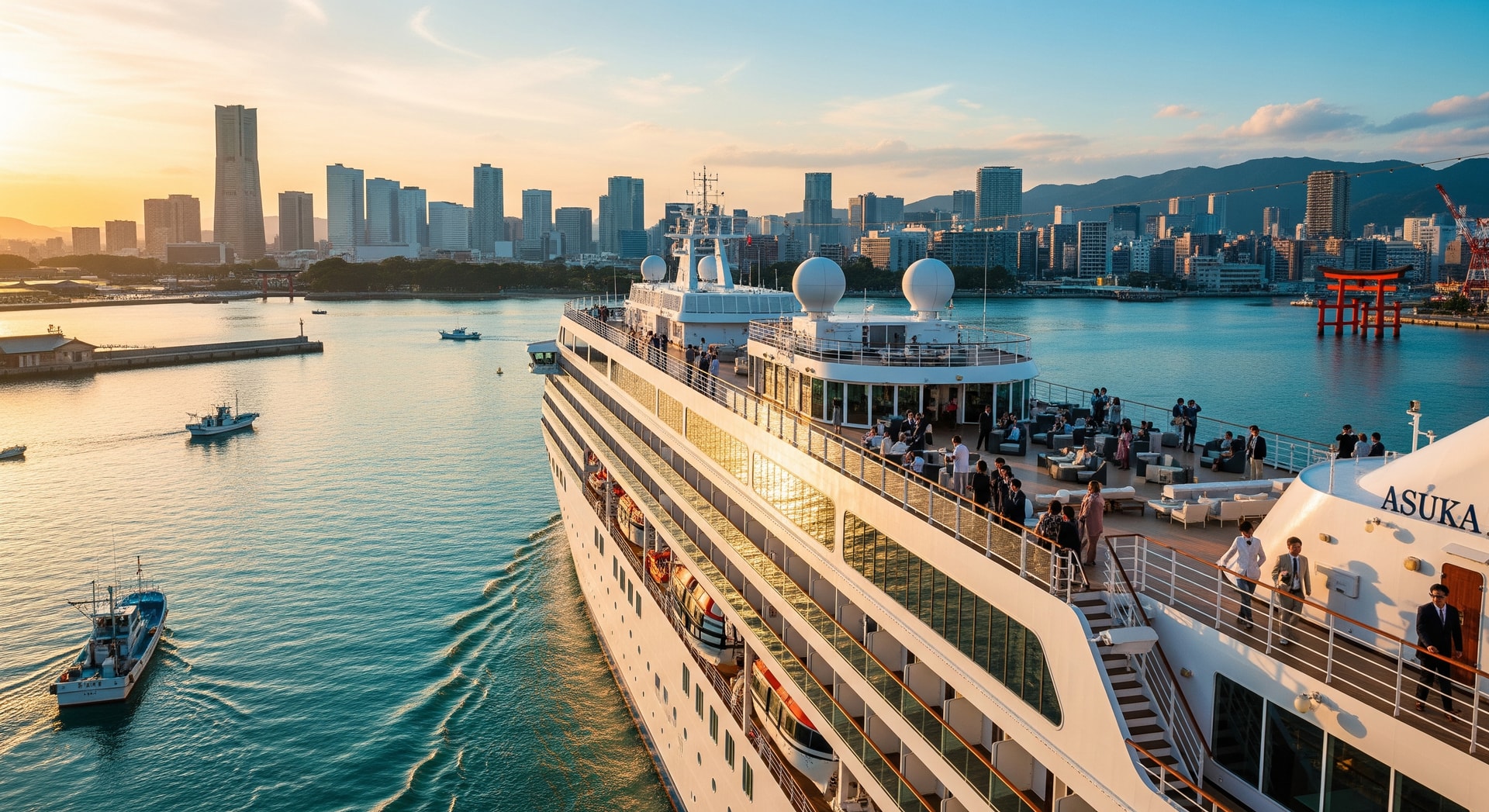
Asuka II has reached its 20th year at sea, highlighting Japan’s role in delivering refined, culturally focused cruise experiences across Asia.
Summary: Asuka II marks 20 years in service, standing out as a large Japan-registered cruise ship that prioritises calm, culturally rich voyages across East and Southeast Asia.
Japan’s Asuka II has reached a notable milestone — two decades of continuous operation. Asuka II’s longevity in a market where many vessels are retired earlier underscores the ship’s reputation for dependable, high-quality cruising rooted in Japanese hospitality.
A rare milestone in modern cruise tourism
Completing 20 years at sea is an uncommon achievement in today's cruise industry. Many ships are retired or replaced earlier, but Asuka II continues to operate, attracting passengers who value consistency and a refined onboard atmosphere. The ship’s track record of safe, reliable service has helped it earn loyalty from repeat guests and positive recognition from industry observers.
Why Asuka II stands out in Asian cruising
Registered in Japan and operating under national maritime regulations, Asuka II emphasises safety and service standards that reassure international travellers. The vessel blends the attentive, restrained style of Japanese hospitality with international comforts, positioning itself as a benchmark for premium cruising in Asia rather than emulating mass-market models.
- One of the largest cruise ships registered in Japan, subject to strict national maritime rules
- Service atmosphere: calm, respectful and unhurried
- Passenger profile: mature travellers, repeat cruisers, couples and cultural explorers
- Onboard focus: Japanese seasonal cuisine and cultural programming instead of loud entertainment
Itineraries designed for curious explorers
To mark its 20th year, Asuka II has been sailing extended routes that link East Asia and Southeast Asia. These voyages include major cities and coastal stops, with some ports offering overnight calls so passengers have more time ashore. The slower-paced itineraries appeal to travellers who prefer in-depth cultural experiences over rushed sightseeing.
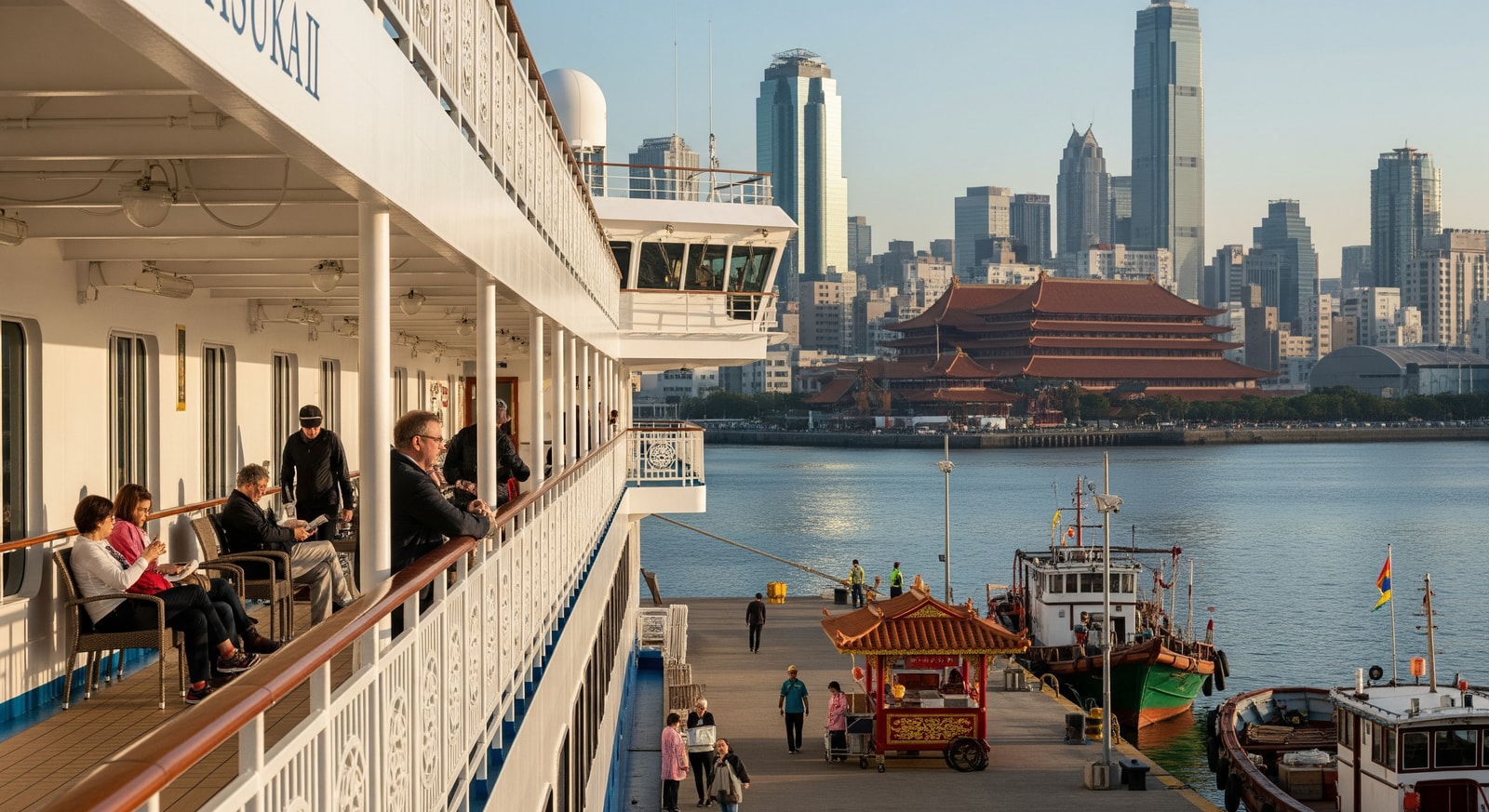
Life on board: calm, culinary and cultural
Rather than pursuing the high-capacity model of mega-ships, Asuka II keeps passenger numbers relatively low, creating open public spaces and a relaxed pace. Dining emphasises Japanese seasonal dishes served with attentive service. Entertainment skews toward educational lectures and cultural performances that offer insight into Asian traditions, giving travellers a more personal and reflective experience.
What this means for travellers
Asuka II’s continued operation signals a shift in some traveller preferences toward quality, depth and cultural engagement. For passengers seeking slower-paced voyages that prioritise comfort and meaningful shore time, the ship offers a distinct alternative to mainstream cruising options. English-language support onboard also helps make longer regional itineraries accessible to international guests.
Industry implications and sustainability
Asuka II’s 20-year run sends a clear message that Asia is not just a cruise destination but a maturing cruise market capable of offering premium, sustainable experiences. Ports benefit from longer stays and culturally aligned itineraries, and analysts view this model as one that can grow cruise tourism without overwhelming local communities.
Why this matters: For travellers, Asuka II’s milestone means there is a proven, long-standing option for culturally focused voyages across Asia — a product that emphasises safety, comfort and meaningful engagement over spectacle. So what? If you value slow travel, regional insight and dependable service, Asuka II represents a reliable choice that reflects evolving preferences in global cruising.
Sources