Super Bowl 2026 travel is prompting U.S. carriers to introduce new nonstop routes and add thousands of extra seats to accommodate fans heading to the Bay Area and other host cities.
Summary: Super Bowl 2026 travel is driving U.S. carriers to add temporary nonstop routes and extra seat capacity. Major airlines are launching direct services to the Bay Area and increasing frequencies from key hubs to handle the influx of fans.
As Super Bowl 2026 approaches, U.S. airlines are preparing for a significant short-term travel spike. Hundreds of thousands of fans are expected to travel to the event, prompting carriers to roll out new nonstop flights, boost frequencies, and free up thousands of additional seats to accommodate demand.
Why the Super Bowl triggers major travel demand
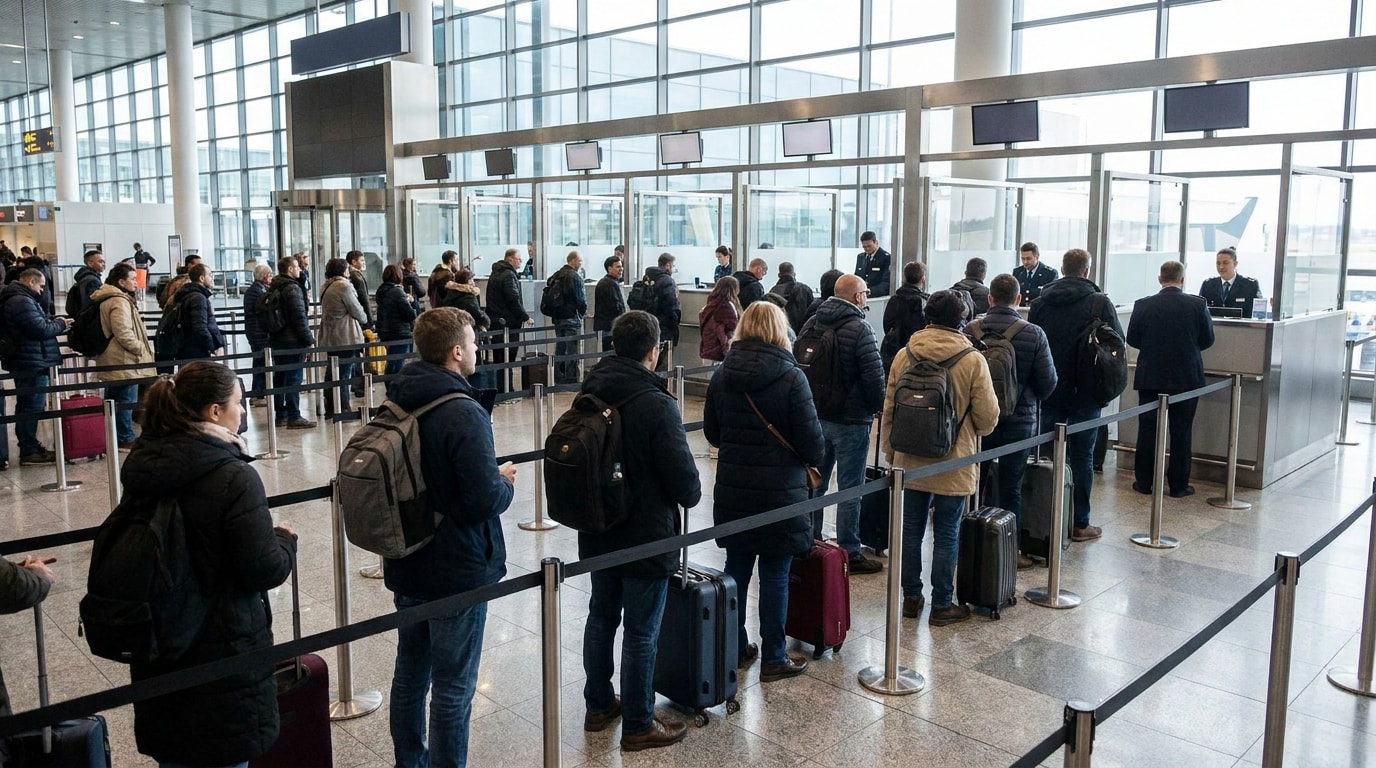
Each year the Super Bowl creates one of the largest short-term travel surges in the United States. Tens of thousands of sports fans from across the country and overseas converge on the host area, placing heavy demand on airports, hotel rooms and transport links. Airlines must expand capacity while keeping regular schedules intact, often at a premium to standard fares.
New nonstop routes and increased frequencies
Carriers are temporarily departing from typical hub-focused patterns to offer direct links between cities that usually lack nonstop service. These special routes are designed to take fans closer to the game with fewer connections and more schedule options.
- Delta Air Lines is adding a nonstop from New York JFK to San Jose.
- American Airlines has launched direct flights from Boston and Seattle to San Jose, the site of the 2026 Super Bowl.
- United Airlines and JetBlue are increasing seat capacity on routes from Chicago, New York and Los Angeles to the Super Bowl host area.
American Airlines alone has added more than 10,000 seats for the Super Bowl weekend, expanding service from multiple hubs into the San Jose and Bay Area market and adjusting schedules to improve connectivity for fans.
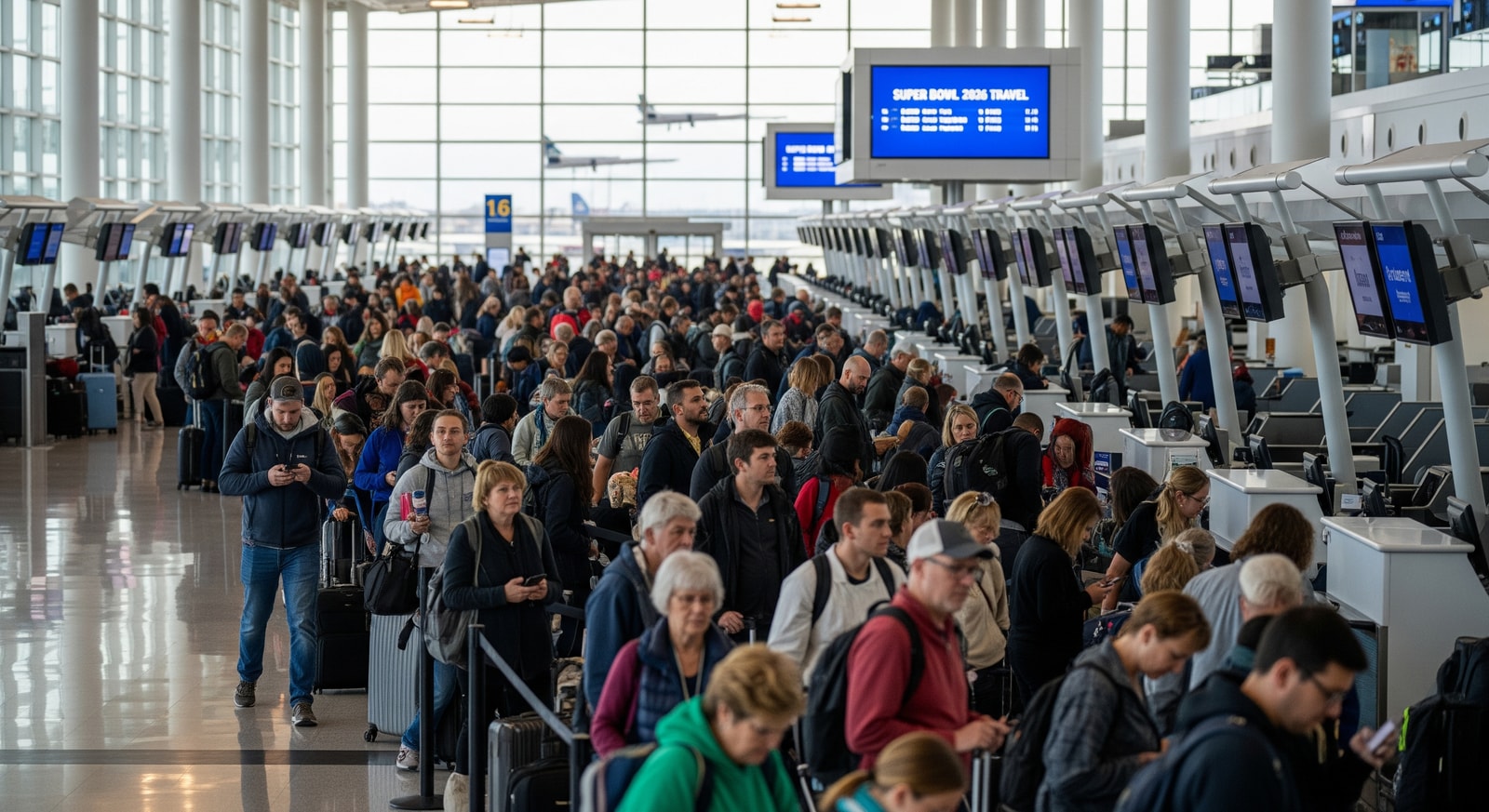
Behind the scenes: operational challenges
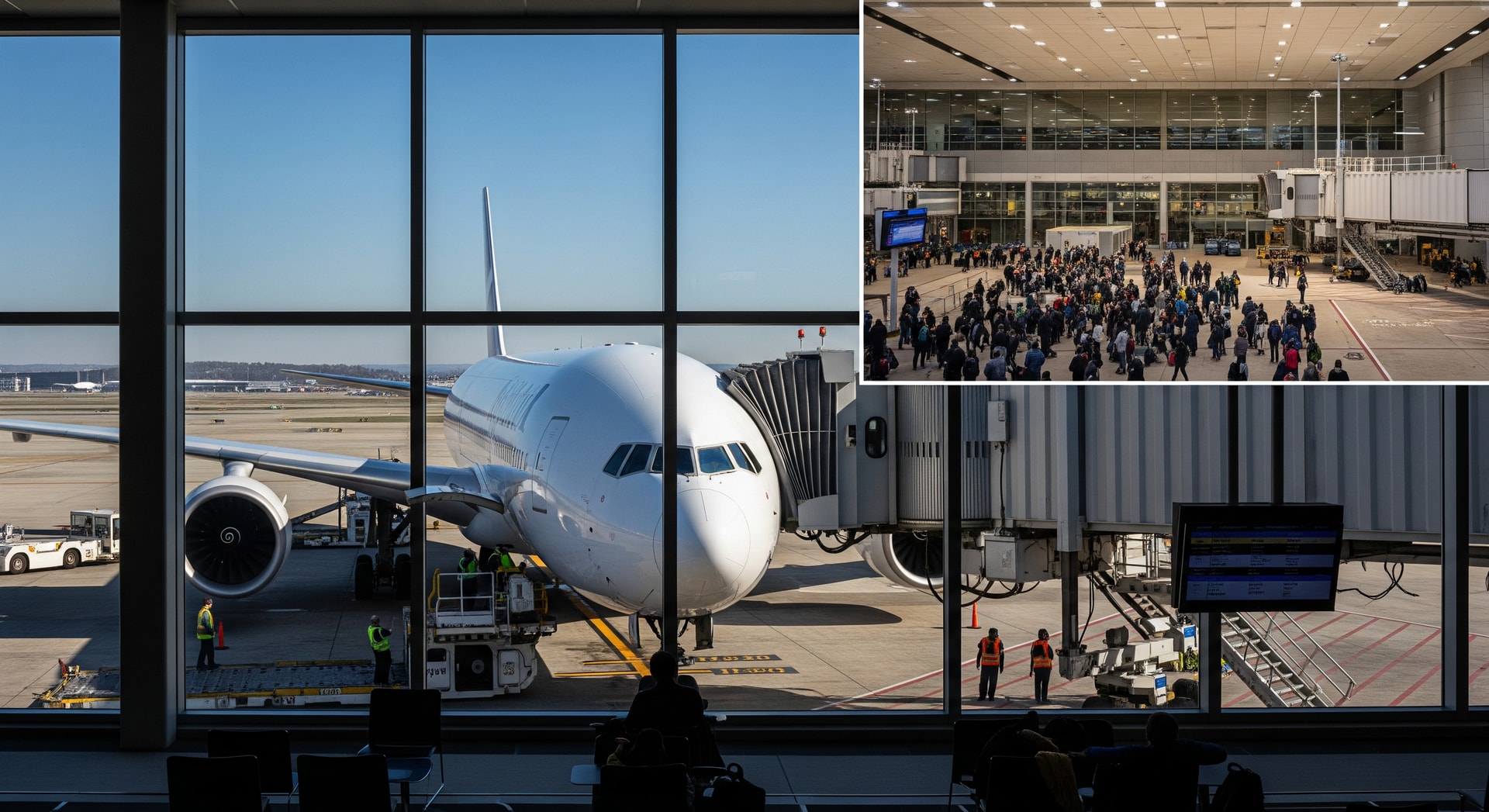
Expanding capacity for a major event requires careful coordination. Airlines must ensure sufficient aircraft and crew, adjust rosters, secure additional gate space and align ground handling resources at destination airports to minimize disruption for both event travelers and regular passengers.
- Deploying extra aircraft to high-demand routes
- Reassigning crew and planning for duty-time limits
- Coordinating with airports for gate and ground staff availability
- Announcing flights early to help passengers plan and book
Marketing to fans: themed flights and promotions
The Super Bowl also represents a marketing opportunity. Carriers tailor campaigns and occasionally use themed flight numbers to engage supporters. In previous events airlines have used creative references — for example, United used flight numbers like UA1989 during the 2025 Super Bowl — to connect with passengers and amplify promotions.
What this means for travelers and the industry
For fans, the extra flights and higher frequencies mean more choices and better chances of finding last-minute seats, though prices may remain elevated in the run-up to the game. For airlines and airports, successfully managing the surge is both an operational test and a revenue opportunity that can strengthen experience in event-driven capacity planning.
So what? If you’re traveling to Super Bowl 2026, expect more nonstop options and expanded seat availability—book early for the best fares, but also watch for last-minute releases as airlines deploy extra aircraft. For the aviation industry, the event reinforces the need for flexible scheduling and close coordination with airports to handle concentrated demand.
Sources