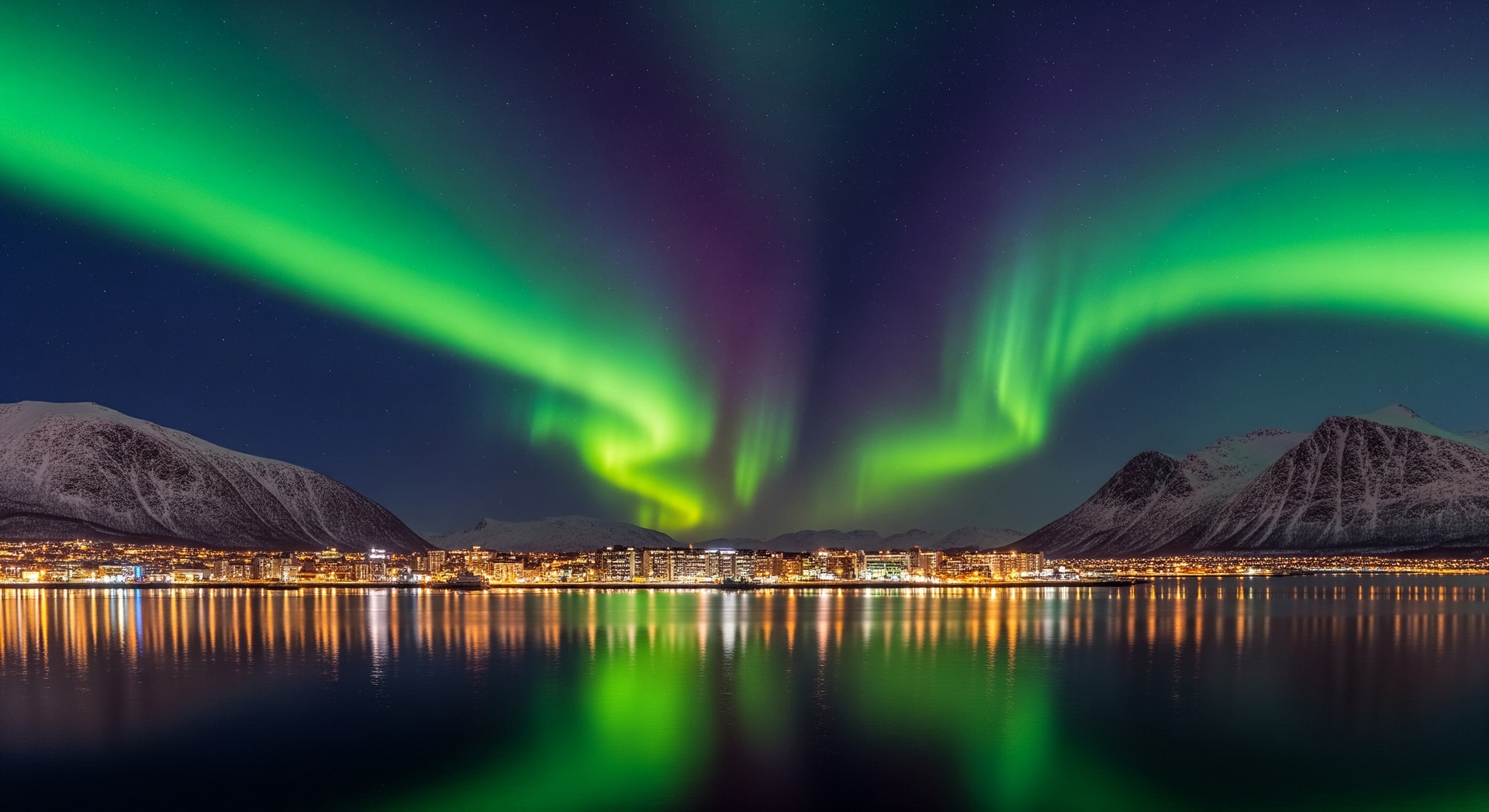
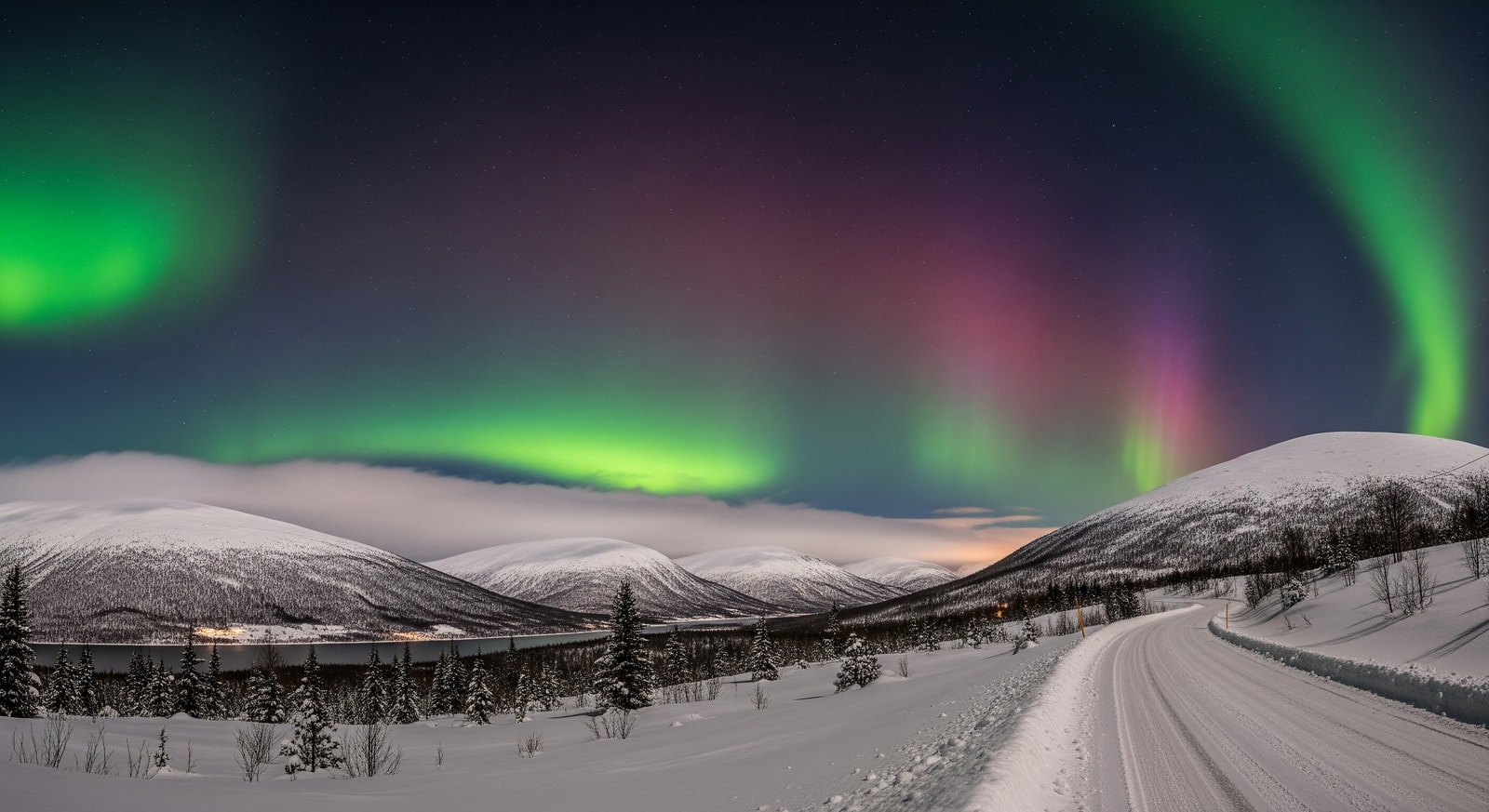
Tromsø Northern Lights are among the world's most reliable, with the city offering prime viewing conditions from late September to early April and a high chance of sightings.
Summary: Tromsø Northern Lights continue to draw travellers in 2026. Located inside the auroral oval, Tromsø offers excellent odds—often cited as around a 90% chance—of seeing the aurora during the long winter season. Best viewing runs from late September through early April, with peak viewing hours around 10 PM to 2 AM.
If seeing the Northern Lights is on your travel checklist, Tromsø in northern Norway ranks among the premier places to pursue the spectacle. Positioned well above the Arctic Circle and inside the auroral oval, the city combines strong natural conditions for aurora activity with developed tourism services aimed at maximising visitors' chances of a sighting.
Why Tromsø is a top aurora destination
Tromsø's geographic position inside the auroral oval places it where charged solar particles most often interact with Earth's atmosphere, producing vivid displays. The town's long, dark winters—especially December through March—regularly deliver dramatic greens, purples and reds, which attract travellers from around the world.
The science behind the spectacle
The aurora borealis appears when energetic particles from the sun collide with molecules in Earth’s upper atmosphere near the poles. Solar activity governs the intensity and frequency of displays, and Tromsø sits directly where these interactions often produce the most vivid lights.
When to go and where to look
For the best odds, plan travel between late September and early April. Official guidance suggests aiming for the late-night window—roughly 10 PM to 2 AM—when auroral activity is often most visible. While Tromsø city centre can suffer from light pollution, local tour operators will drive guests to darker, remote locations for clearer skies.
- Prime season: Late September to early April
- Peak nightly hours: Approximately 10 PM–2 AM
- Best viewing: Away from city lights, often north of Tromsø
- Options: Guided aurora chases or self-drive excursions
Beyond aurora chasing: Arctic winter activities
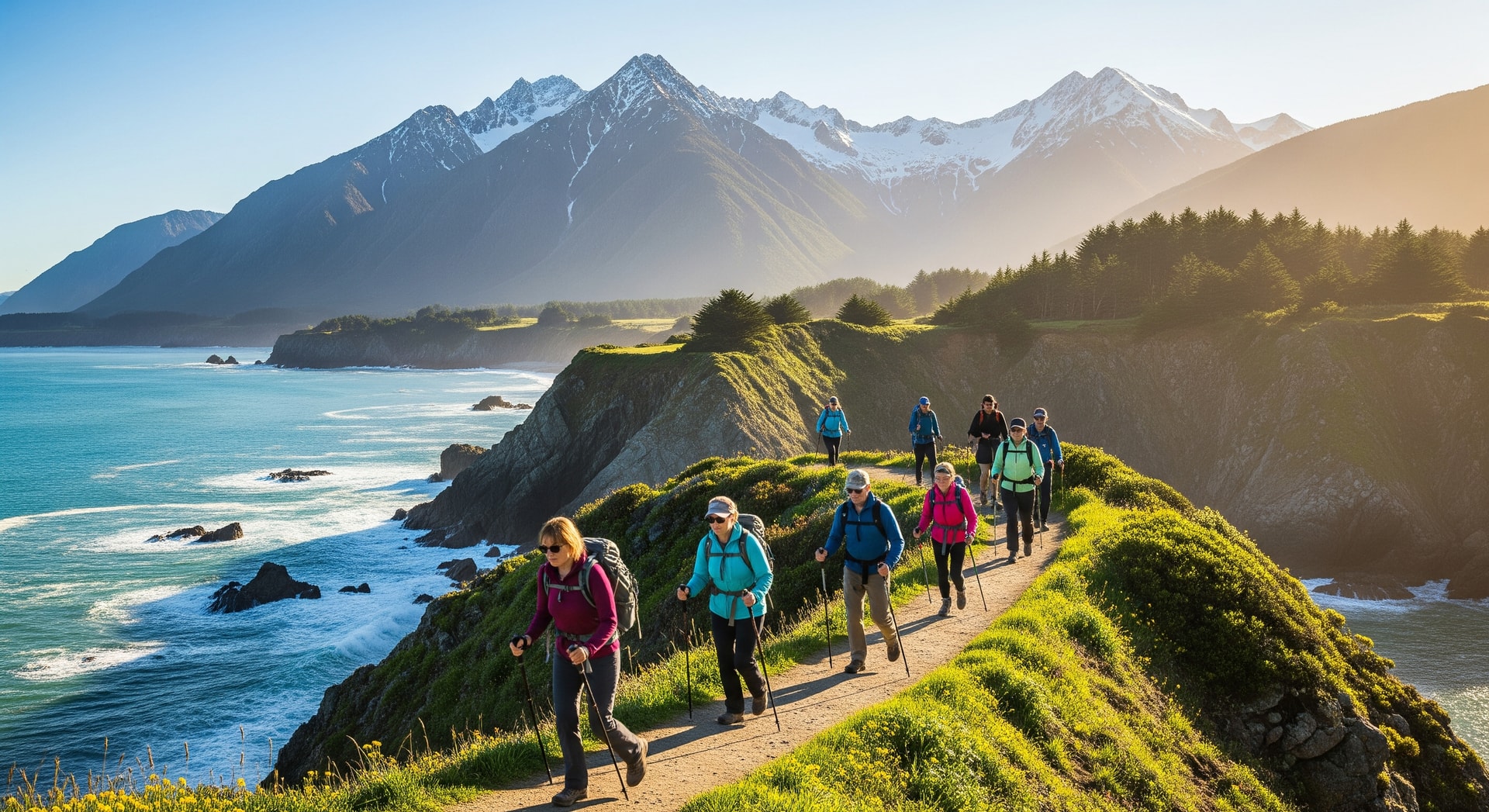
Tromsø’s long nights also open opportunities for daytime Arctic adventures. Visitors can take part in dog sledding, whale-watching trips, snowshoe hikes and other winter sports. The region is also a gateway to Sami cultural experiences—reindeer sledding and visits to traditional sites remain popular complements to aurora-focused itineraries.
Svalbard: an extreme option for aurora hunters
For travellers seeking a more remote experience, Svalbard—farther north than Tromsø—offers the polar night when the sun does not rise for months, creating continuous darkness ideal for aurora viewing at any hour. The archipelago pairs aurora opportunities with wildlife expeditions and expedition cruises in an Arctic landscape.
Sustainable tourism and local management
As aurora tourism grows, Tromsø and surrounding communities are working to manage visitor impact. Providers increasingly offer eco-friendly lodging, small-group tours and carbon-offset options to protect fragile Arctic environments while maintaining high-quality guest experiences.
What this means for travellers: Tromsø remains one of the most reliable destinations for seeing the aurora, supported by experienced guides and a range of winter activities. Whether you opt for guided chases, self-drive trips, or an expedition to Svalbard, planning around the late-September-to-April window and the late-night hours will maximise your chances of witnessing this natural phenomenon.
Sources