The Travel Technology Association warns that proposed state pricing bills limiting AI-driven pricing—often called price surveillance—could increase costs and legal uncertainty for the travel industry.
Summary: The Travel Technology Association warns that state pricing bills targeting AI-driven or algorithmic pricing—often termed 'price surveillance' laws—could disrupt dynamic pricing across travel, raising costs and creating legal uncertainty for firms operating across multiple U.S. states.
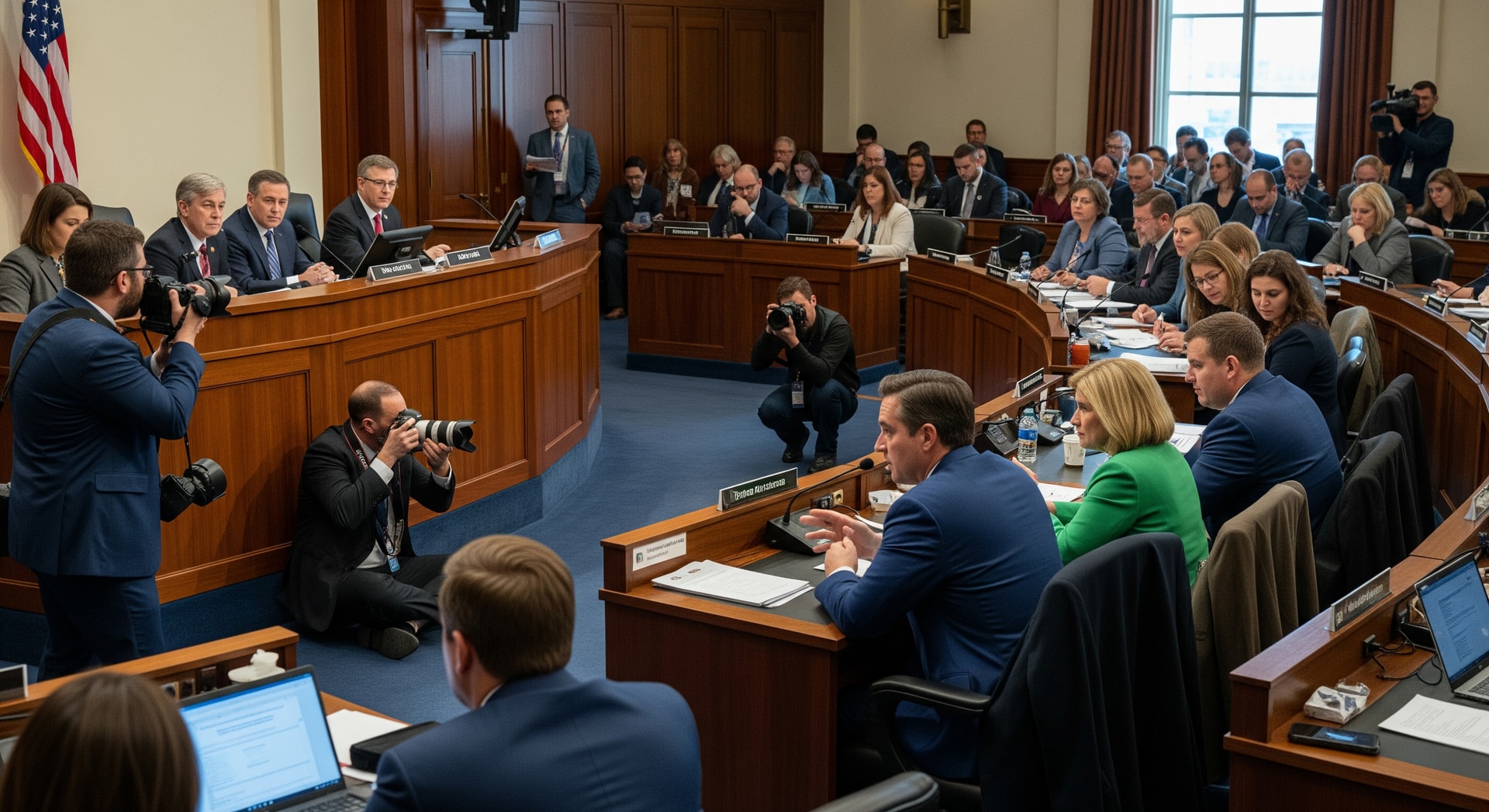
WASHINGTON D.C. — The Travel Technology Association has raised concerns about a wave of state pricing bills that aim to curb the use of consumer search data and AI in pricing systems, saying such measures could hamstring dynamic pricing tools that travel companies rely on.
State pricing bills and 'price surveillance' proposals
More than a dozen U.S. states introduced bills in early 2025 that would limit or ban the use of consumer search information in algorithmic pricing — proposals frequently described as 'price surveillance' legislation. The measures have emerged amid growing federal scrutiny of surveillance pricing and wider political momentum to regulate AI and dynamic pricing models.
- Timing: Bills introduced in early 2025 across multiple U.S. states
- Scope: Proposals seek to restrict use of consumer search data in pricing algorithms
- Terminology: Often referred to as 'price surveillance' legislation
Trade body urges careful assessment of operational impact
The Association says the travel sector depends on real-time pricing systems to manage perishable inventory such as seats and hotel rooms, and it is calling on policymakers to consider how restrictions could affect operations, pricing efficiency and consumer outcomes.
State lawmakers are moving quickly on a new wave of so called ‘price surveillance’ bills, and the travel industry should be paying close attention,” said Laura Chadwick, President & CEO of the Travel Technology Association. “Nearly 20 states have already introduced proposals that would restrict or even ban the use of algorithms and AI in pricing when consumer search information is involved. “These measures may be well intentioned, but their impact would be severe. Dynamic pricing is essential for managing perishable travel services – from flights to hotel rooms – and these bills would undermine the industry’s ability to align prices with real time market conditions. The result would be higher operational costs, less efficient revenue management, and a shift toward blunt, one size fits all pricing that ultimately harms consumers. Higher operating costs for the travel industry may likely result in higher prices for travelers. What’s equally concerning is the legal uncertainty created by broad, conflicting state level rules. Companies operating across multiple states could face incompatible compliance obligations, making it harder to innovate and serve travelers effectively. Travel Tech is tracking these proposals closely and working to ensure policymakers understand the real-world consequences before lasting damage is done to the travel ecosystem. We urge lawmakers to engage with industry experts early so that consumer protection goals can be met without sacrificing the tools that keep travel affordable, efficient, and competitive.
Risks identified for operators and consumers
The Association warns that curbing algorithmic pricing tied to consumer search behavior could reduce the travel sector's ability to respond to changing demand, increase costs for revenue management, and encourage simpler flat pricing approaches that may be less fair or efficient.
- Potential for higher operational costs and weaker revenue management
- Risk of inconsistent legal obligations across states for multistate operators
- Reduced capacity to offer targeted, market-responsive pricing

Association engagement and next steps
The Travel Technology Association says it is monitoring legislative developments and actively engaging with lawmakers to explain operational realities. The group is pressing for early consultation so consumer protection goals can be achieved without eliminating tools that support competitive pricing.
What this means for travelers
If legislation restricts dynamic pricing methods, travellers could see fewer tailored deals and potentially higher base prices as companies shift to simpler pricing models to avoid compliance risks.
- Less ability for companies to offer discounts based on demand windows
- Possible rise in generalized pricing rather than targeted offers
- Continued uncertainty until lawmakers and industry agree on workable rules
So what? The debate over state pricing bills matters because it will shape how travel products are priced and sold in the U.S. in the coming years. Travelers and industry stakeholders should watch state legislatures closely and support dialogues that balance consumer protections with the operational needs of a dynamic travel marketplace.
Sources