
Mexico tourism accounted for 16,620,639 visits to the U.S. in 2025, making it the single largest international source market and representing 26.6% of arrivals.
Summary: Mexico was the top international source market for U.S. tourism in 2025, with 16,620,639 visitors (up 8.8%), representing a 26.6% share of arrivals. Canada fell to 14,671,899 visitors (-21.7%), while other American markets showed mixed results.
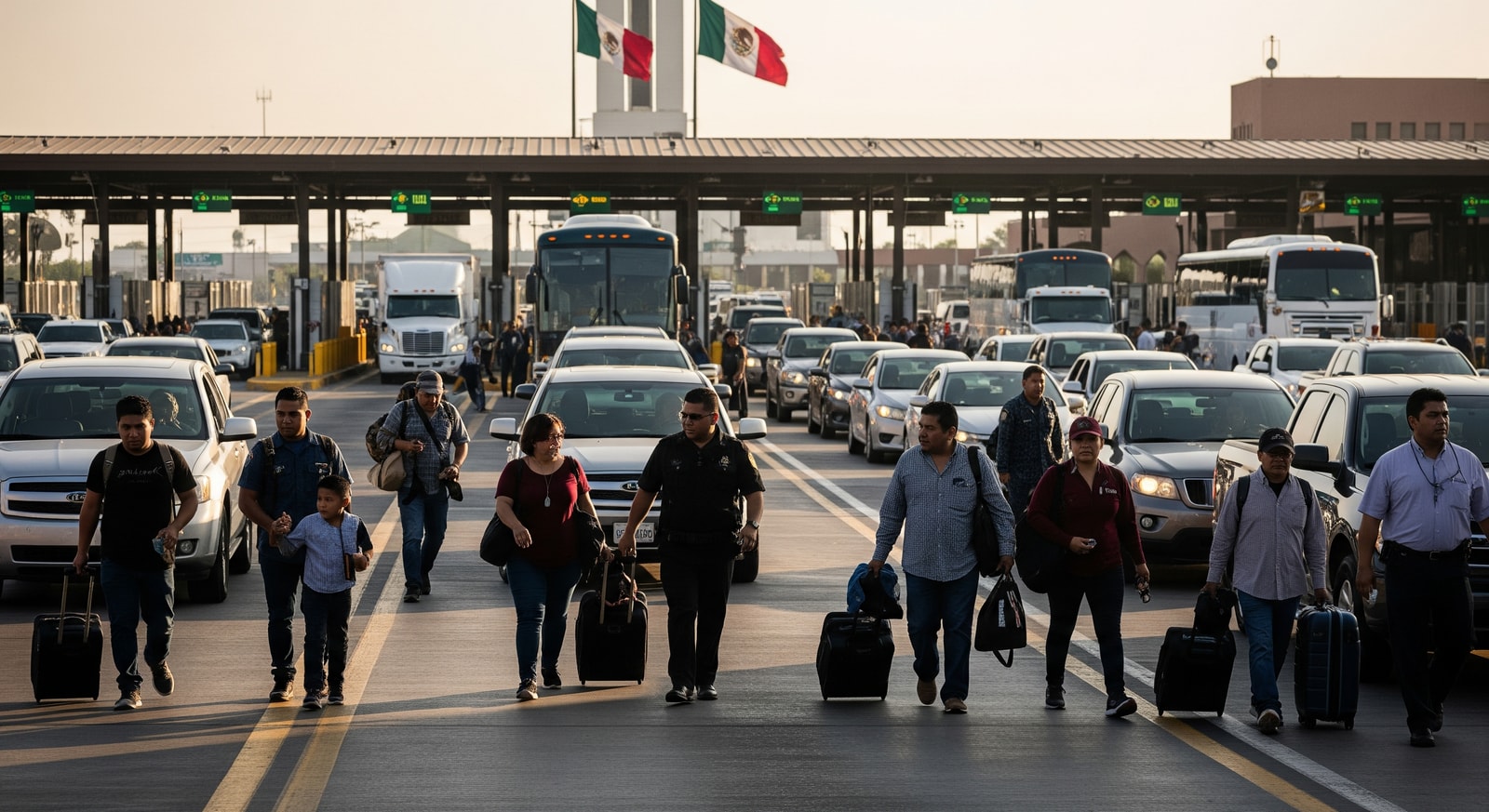
Mexico tourism remained the dominant force in inbound travel to the United States in 2025, delivering 16,620,639 visits — an 8.8% increase year‑over‑year and equivalent to a 26.6% market share. The data underline the scale of cross‑border movement driven by geographic proximity, family links and business ties.
Mexico tops U.S. inbound markets
With 16,620,639 visitors in 2025, Mexico established itself as the largest international source for U.S. tourism. That total reflects an 8.8% rise from 2024 and reaffirms long‑standing travel flows between the two countries, including short cross‑border trips, family visits, business travel and education‑related journeys.
Proximity, cultural ties and a large Mexican‑American population in the U.S. are central drivers of the sustained volumes. Popular U.S. states for Mexican visitors include California, Texas and Arizona, where established connections support frequent travel for leisure, shopping, family reunions and commerce.
Performance of other key source markets
While Mexico gained ground, some traditional source markets recorded declines. Canada, historically one of the U.S.’s largest inbound markets, dropped sharply in 2025, and South American markets showed mixed momentum.
- Canada: 14,671,899 visitors in 2025, down 21.7% from 2024 (23.5% market share)
- Brazil: 1,689,292 visitors, up 0.3% (2.7% market share)
- Colombia: 956,989 visitors, up 2.8% (1.5% market share)
- Argentina: 723,437 visitors, up 15.4% (1.2% market share)
- Dominican Republic: 479,340 visitors, down 0.4% (0.8% market share)
Brazil’s arrivals were essentially flat, while Colombia and Argentina posted gains, the latter recording a notable 15.4% increase. The Dominican Republic saw a marginal fall of 0.4% but remains an important source for U.S. travel.
Regional trends across the Americas
The broader table of arrivals shows varied outcomes across North, Central and South America as well as the Caribbean. Some nations registered solid gains, others marked declines, reflecting a mix of economic conditions, changing travel preferences and connectivity.
- Ecuador: 415,313 visitors (-8.2%, 0.7% share)
- Peru: 328,947 visitors (+1.3%, 0.5% share)
- Chile: 292,580 visitors (-19.5%, 0.5% share)
- Venezuela: 142,503 visitors (-20.7%, 0.2% share)
- Guatemala: 358,094 visitors (+12.6%, 0.6% share)
- Costa Rica: 325,973 visitors (+7.5%, 0.5% share)
- Honduras: 281,052 visitors (+3.1%, 0.5% share)
- El Salvador: 235,590 visitors (-4.9%, 0.4% share)
- Panama: 163,168 visitors (+10.9%, 0.3% share)
- Bahamas: 271,373 visitors (-3.6%, 0.4% share)
- Jamaica: 242,398 visitors (-11.2%, 0.4% share)
- Trinidad & Tobago: 165,709 visitors (-5.9%, 0.3% share)
Implications for the U.S. travel industry
Mexico’s leadership in arrivals has practical effects for air routes, border infrastructure, tourism marketing and visa‑related services. States and destinations that attract Mexican visitors may see greater demand for bilingual services, targeted promotions and travel facilitation measures.
- Airlines and airports may prioritize routes and capacity serving major Mexican markets.
- State and local tourism bodies could intensify outreach to Mexican travelers.
- Service providers may expand bilingual and culturally tailored offerings.
- Visa and entry processing resources could be adjusted to reflect shifting demand patterns.
For the industry, these statistics point to where investments in connectivity, marketing and visitor services are likely to deliver the strongest returns. For destinations seeing declines from other markets, the figures signal areas for recovery efforts and route restoration.
So what? Travelers and industry players should note that Mexico’s dominant share of U.S. inbound travel in 2025 reinforces the importance of cross‑border mobility and targeted service offerings. For travelers, this can mean more flight options, improved services in key gateway states and greater availability of culturally familiar amenities. For the travel industry, the data highlights priority source markets for marketing, route planning and customer service investments.
Sources