GCC stopover tourism is accelerating as Saudi Arabia, the UAE, Qatar, Oman, Bahrain and Kuwait turn airports into multi-country stopover destinations to boost non-oil growth.
Summary: GCC stopover tourism is on the rise as Saudi Arabia, the UAE, Qatar, Oman, Bahrain and Kuwait invest in airport infrastructure, streamlined entry processes and a unified tourist visa to convert transit passengers into short-stay visitors.
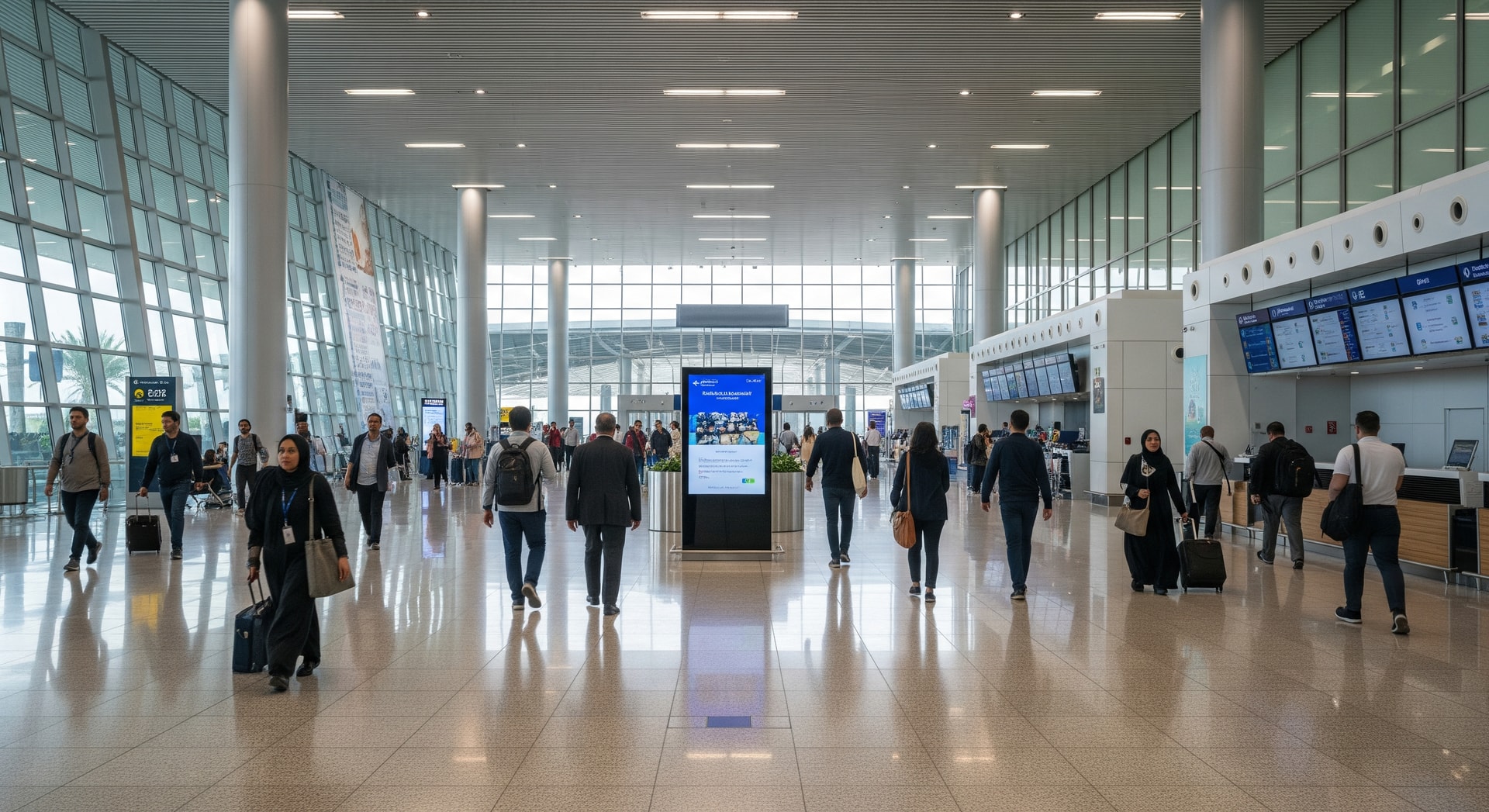
Gulf Cooperation Council (GCC) countries are actively reimagining airports as more than transit points, using them to spur tourism-led economic diversification. By improving arrival procedures, launching stopover programmes and coordinating visa policy, nations including Saudi Arabia, the UAE, Qatar, Oman, Bahrain and Kuwait are turning layovers into brief but valuable tourism visits.
Investment in infrastructure and traveller technology
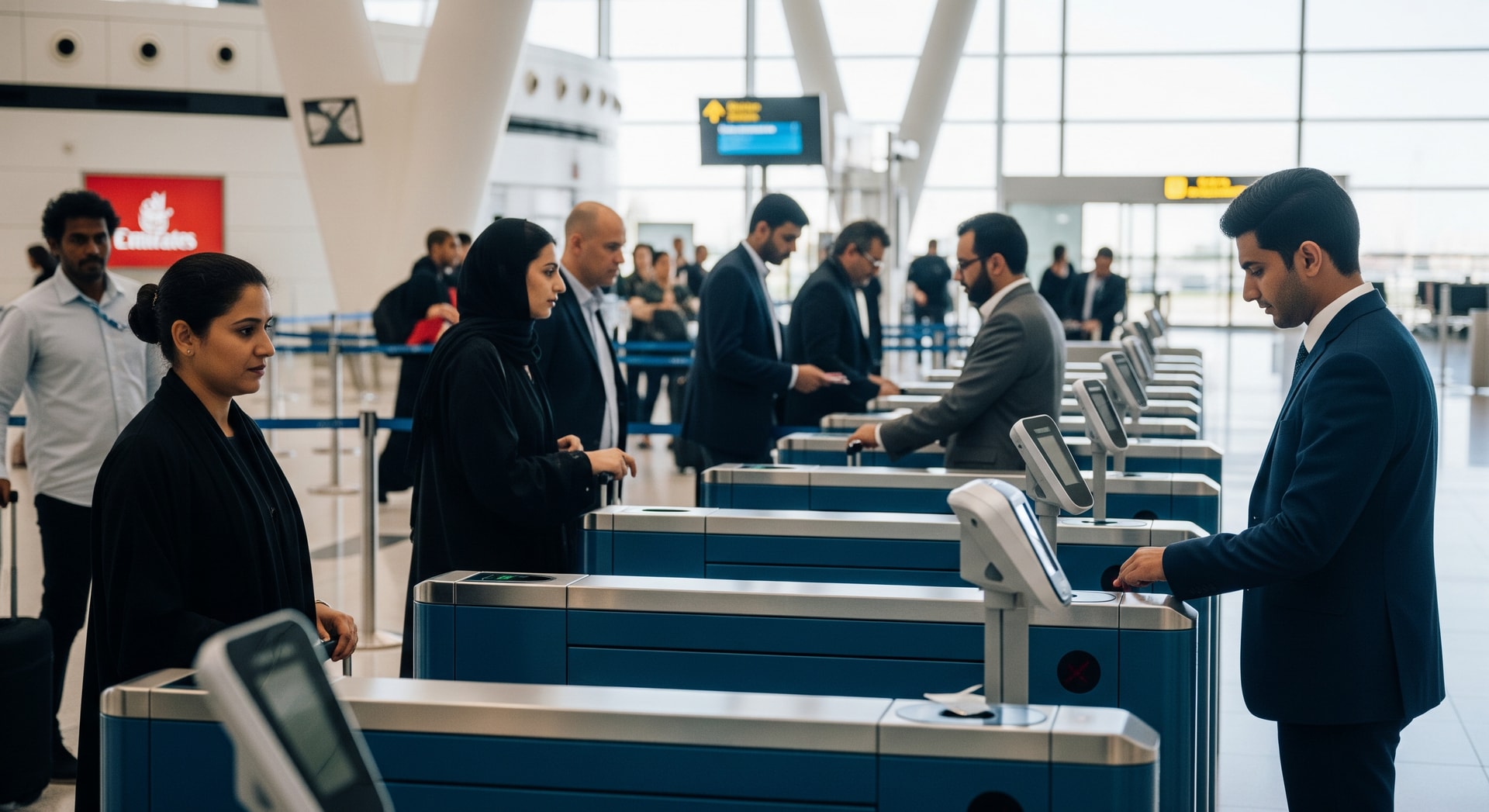
Across the region, airports have been upgraded with faster processing technologies and enhanced passenger services. Authorities and private partners are installing advanced biometric systems, e-gates and digital border controls to reduce wait times and make short visits feasible even on tight schedules.
- Advanced biometric checks and e-gates to speed up entry
- Digital border controls and streamlined processing
- Public-private partnerships funding airport upgrades
- Faster connections from airport to city for short stays
The GCC unified tourist visa: simplifying multi-country trips
A major regional development is the proposed unified GCC tourist visa, which was approved in principle in 2024 and is now in final coordination stages. Once implemented, this visa will permit visitors to travel across Bahrain, Kuwait, Oman, Qatar, Saudi Arabia and the UAE on a single permit, encouraging multi-destination stopovers throughout the Gulf.
The unified visa is expected to particularly boost Saudi tourism, enabling travellers to combine visits to the Kingdom’s historical and cultural sites with quick trips to neighbouring hubs such as Dubai and Doha, and thereby creating longer, multi-city itineraries in the region.
Saudi Arabia’s aviation push and stopover policy
Saudi Arabia has been a frontrunner in leveraging aviation for tourism. The Kingdom welcomed an estimated 122 million international visitors in 2025, moving toward its goal of 150 million annual visitors by 2030. A key policy has been the 96-hour digital stopover visa introduced in 2023, which allows travellers on international flights to enter Saudi Arabia for up to four days for Umrah, cultural visits or short sightseeing trips.
Neighbouring hubs converting layovers into city experiences
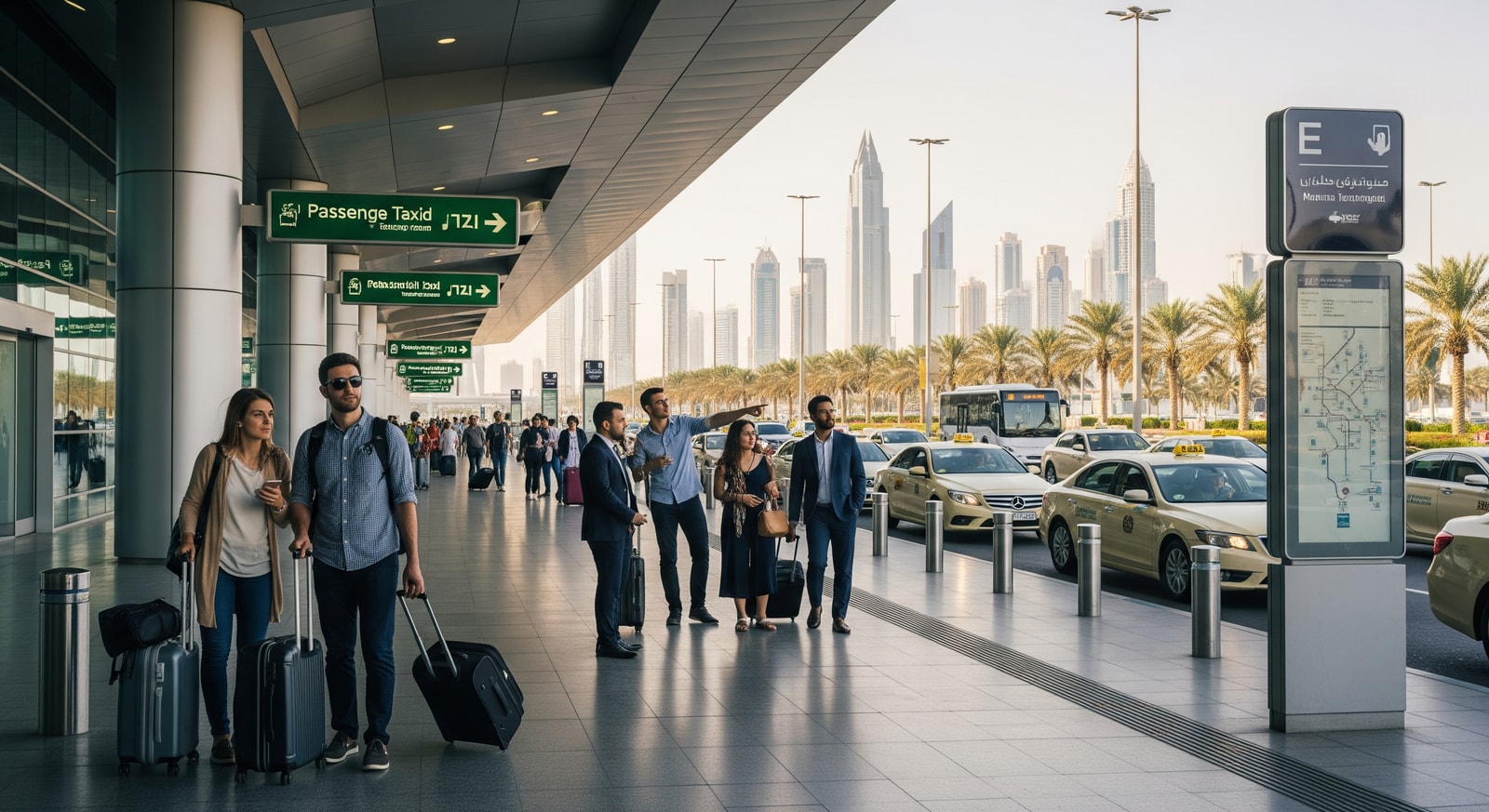
Dubai has long demonstrated how a busy transit airport can drive stopover tourism through curated packages and seamless logistics. Abu Dhabi and Doha have adopted similar approaches. Qatar Airways, for example, offers stopover packages that bundle accommodation, transport and city tours to make brief extensions attractive and easy for passengers.
- Curated hotel and tour packages for short stays
- Integrated transport options from airport to attractions
- Fast-track entry processes to maximise time on the ground
Designing integrated destination ecosystems
Successful stopover strategies rely on coordination across tourism authorities, airlines, airports, transport providers and experience operators. Developers such as Red Sea Global are designing next-generation destinations in Saudi Arabia that aim to be both accessible and compelling for short visits, ensuring that even brief stays deliver memorable experiences.
By elevating airports into components of the destination brand and investing in walkable districts, waterfronts and sustainable infrastructure, GCC countries are positioning airports as economic catalysts that drive tourism spending and create jobs beyond the terminal.
Why this matters: For travellers, these changes mean more flexible multi-city itineraries, shorter visa hurdles and more options to experience Gulf cities even on short layovers. For airlines, airports and tourism authorities, converting transit passengers into short-stay visitors creates new revenue streams and supports non-oil economic diversification across the region. In short: smoother entry processes, coordinated visas and enhanced airport services turn previously wasted transit time into tourism opportunity.
Sources