Ponant has opened bookings for an Antarctica circumnavigation aboard Le Commandant Charcot, a 62-day expedition departing Ushuaia on January 11, 2028, that will traverse nearly 23,000 km of coastline.
Summary: Ponant has opened reservations for a landmark 62-day Antarctica circumnavigation aboard Le Commandant Charcot. The voyage departs Ushuaia on January 11, 2028, covers nearly 23,000 km of frozen coastline, runs in two 30-day legs between Ushuaia and Hobart, and starts at €121,955. The LNG-powered polar icebreaker combines luxury with scientific research and IAATO-compliant expedition operations.
Ponant has begun taking bookings for an ambitious Antarctica circumnavigation on Le Commandant Charcot, a 62-day luxury icebreaker voyage that will depart Ushuaia, Argentina, on January 11, 2028. The itinerary promises extensive access to rarely visited ice shelves and pack-ice areas, tracing almost 23,000 kilometres of the continent's coastline and aiming to broaden opportunities in Antarctica tourism.
Epic itinerary and flexible booking
The full expedition spans sixty-two days and nights and is split into two legs to allow passenger flexibility. The initial 30-day segment sails west from Ushuaia to Hobart, Tasmania, following Antarctica's western coastline. After a short Hobart stopover, the ship will undertake a 30-day eastward return along the continent's eastern shores back to Ushuaia.
- Total duration: 62 days (two 30-day legs with a Hobart stopover)
- Departure: Ushuaia, Argentina on January 11, 2028
- Route: Nearly 23,000 km of Antarctic coastline, including remote ice shelves and pack-ice zones
Le Commandant Charcot: polar innovation meets luxury
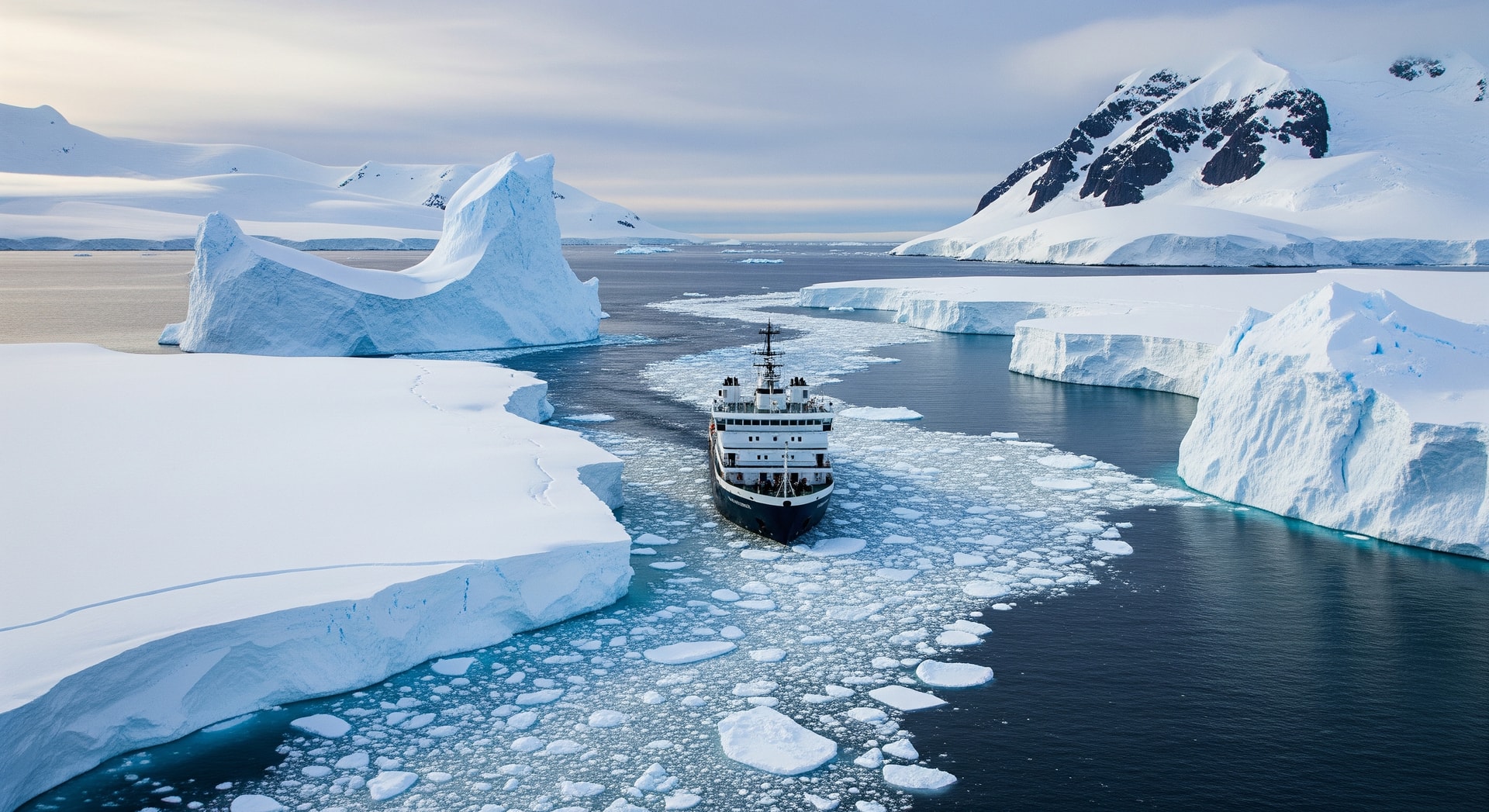
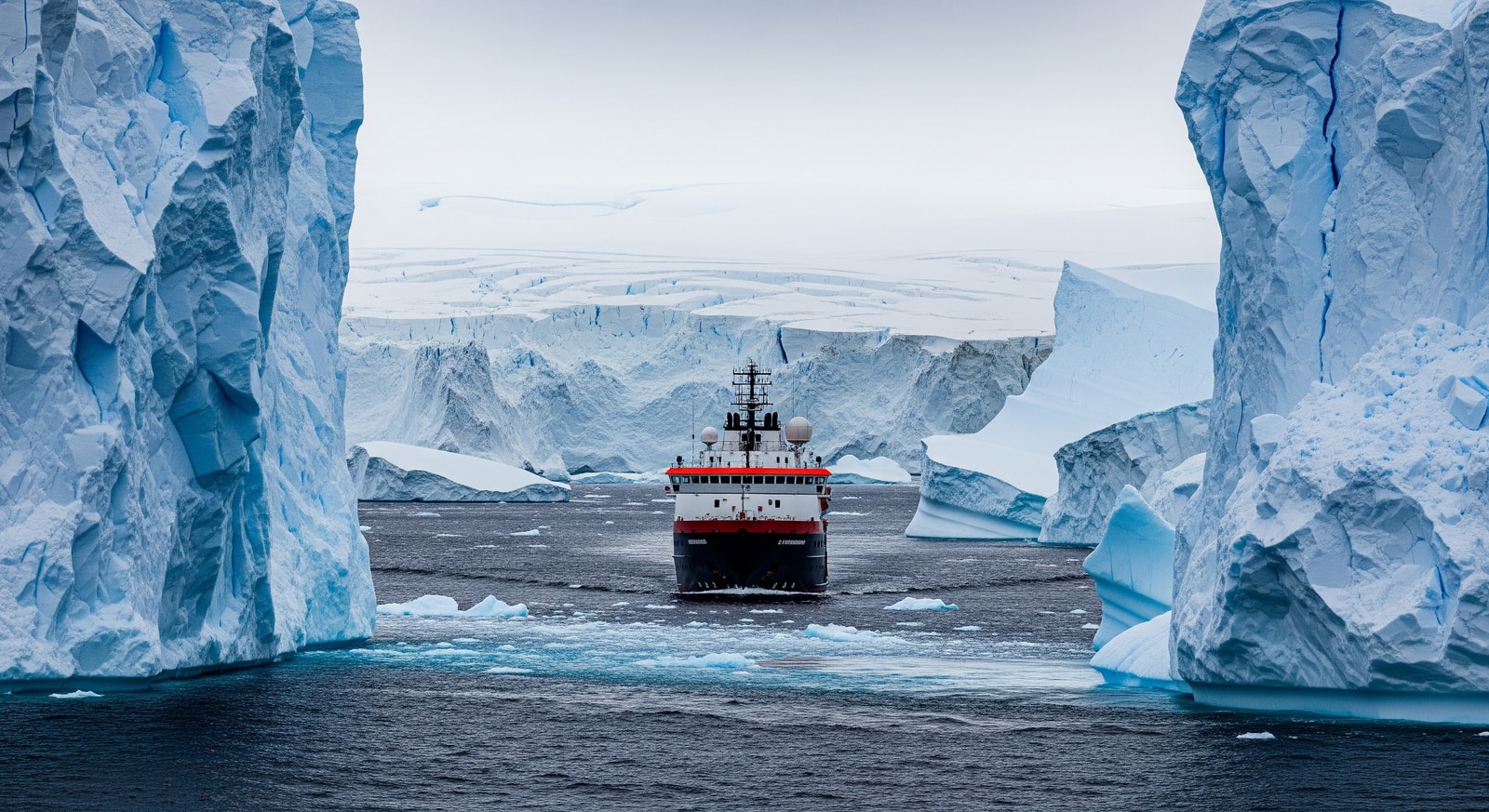
Le Commandant Charcot is the world's first passenger luxury polar icebreaker powered by LNG, equipped with electric propulsion to limit its environmental footprint. The vessel’s PC2 ice-class capability enables it to tackle demanding sectors such as the Weddell Sea, while onboard dual scientific laboratories support oceanographic and glaciological research that is shared with passengers through presentations and briefings.
The ship pairs expedition-grade operations with high-end amenities — private balconies, the Nuna restaurant, a spa with a snow room and heated outdoor seating — and an expert team of naturalists and polar scientists who enhance the journey with educational programming. Expedition leaders will aim to optimise landings for wildlife encounters, including opportunities to see emperor penguins where conditions allow.
Ushuaia and Hobart: strategic southern gateways
Ushuaia, known as the world’s southernmost city, will serve as the expedition’s launch point, with optional pre-cruise extensions showcasing Tierra del Fuego and Patagonian landscapes. The passage across the Drake Passage will lead into Antarctica’s iceberg-studded seas. Hobart provides a midway port of call where passengers can explore local markets and landscapes before the return leg, linking southern hemisphere culture with polar exploration.
- Ushuaia: departure hub with pre-cruise land extensions into Patagonia
- Drake Passage: gateway to Antarctic ice and glaciers
- Hobart: midway respite with cultural and outdoor activities
Environmental science and responsible navigation
Ponant emphasises environmental responsibility: Le Commandant Charcot’s LNG propulsion reduces emissions, and the expedition operates in line with IAATO protocols to protect wildlife and sensitive sites. The ship’s scientific partnerships — including work with institutes such as the Alfred Wegener Institute — support real-time ice monitoring using drones and buoys, with guest engagement in data-gathering and presentations that connect tourism with research.
What this means for polar tourism and travellers
Opening bookings for what is described as the first full passenger circumnavigation of Antarctica signals growing demand for ultra-long, high-end polar expeditions. Prices reflect the voyage’s exclusivity, with fares starting at €121,955. The two-leg format offers booking flexibility while the route expands access to remote coastal sectors previously off-limits to conventional cruise ships, potentially setting new industry benchmarks for luxury, research-led polar travel.
So what? For travellers, this itinerary offers a rare chance to experience comprehensive Antarctic exploration combined with onboard scientific programming and high-end comforts — but it comes at a premium and remains subject to environmental and ice conditions. For destinations and the cruise industry, the voyage could stimulate higher-value tourism in Ushuaia and Hobart, encourage further collaboration between expedition lines and research bodies, and push competitors toward more responsible polar operations.
Sources