SADC ministers reviewed the UNIVISA pilot and regional projects in a bid to simplify movement and spur economic growth across Southern Africa.
Summary: On 10 February 2026 SADC tourism ministers convened virtually to review the UNIVISA pilot and regional tourism projects, aiming to simplify cross-border travel and boost economic integration across Southern Africa.
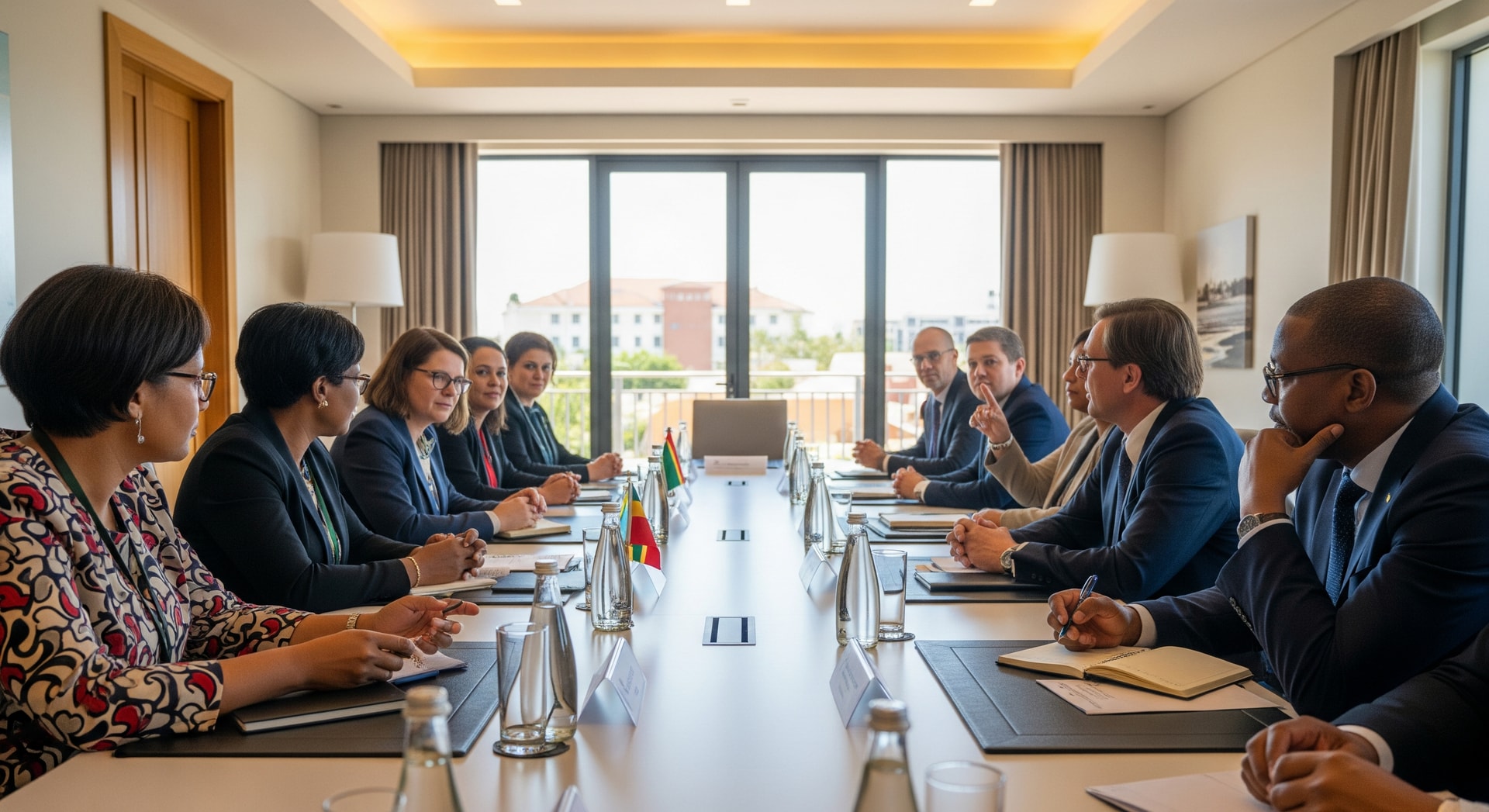
Tourism ministers from the Southern African Development Community (SADC) met on 10 February 2026 to assess progress on the UNIVISA pilot and other regional initiatives intended to make travel within Southern Africa easier and more attractive. The meeting, chaired by South Africa’s Minister of Tourism Patricia de Lille, included participation from 14 member states and SADC itself.
Who took part and what was the focus?
The virtual session was attended by tourism ministers or their representatives from the member states and by SADC officials. The central item on the agenda was the UNIVISA pilot, a regional visa initiative designed to allow travellers to visit multiple Southern African countries under a single, simplified visa arrangement. Ministers also reviewed related regional projects aimed at improving travel links and tourism offerings across the bloc.
Finalising the UNIVISA draft agreement
A significant outcome of the meeting was work to finalise the draft agreement establishing the UNIVISA. Angele Makombo N’tumba, the SADC Deputy Executive Secretary for Regional Integration, urged ministers to endorse the text to move the pilot into implementation. The proposed UNIVISA aims to reduce administrative barriers and encourage travellers to include multiple SADC destinations in a single itinerary.
Officials stressed that the UNIVISA would make it simpler for tourists to travel between countries such as South Africa, Namibia, Botswana, Mozambique and Zimbabwe, creating opportunities for longer visits and more diverse travel experiences across the region.
Connectivity, infrastructure and competitive positioning
Delegates noted that advancing the UNIVISA aligns with the SADC Treaty and the Protocol on the Development of Tourism, which identify tourism as a lever for economic integration. Ministers said the visa initiative is likely to attract investment in transport networks, regional airports and other infrastructure that will strengthen inter-country connections.
- Encourages multi-country itineraries and longer stays
- Enhances the region’s competitiveness for long-haul travellers
- Supports domestic travel by making border movement easier for residents
- Stimulates investment in transport and tourism infrastructure

RETOSA transition and regional governance
The ministers also discussed the winding up of the Regional Tourism Organisation of Southern Africa (RETOSA) and the shift toward a more unified regional tourism governance model. The change is intended to streamline policy and coordination, ensuring that public-private partnerships and regional strategies are better aligned as the UNIVISA pilot rolls out.
What this means for travellers and the tourism industry
If adopted and implemented, the UNIVISA pilot could make Southern Africa a far easier region to explore for international and regional visitors alike. Travellers may find booking multi-country routes simpler, with fewer visa hassles and greater incentive to extend visits. For the tourism industry, streamlined border procedures, better-linked transport and coordinated marketing could boost arrivals, lengthen stays and increase tourism revenue across SADC member states.
Sources